Eggshells look like kitchen waste until we see what they can do for soil. Every shell carries a quiet promise: less waste in the bin, more mineral value in the garden, and a smarter way to feed plants without reaching for another plastic bottle of fertilizer. Still, eggshells are not magic dust. Used carelessly, they sit in the soil for months, attract pests, or give gardeners false hope when plants need water management, balanced nutrients, or a proper soil test.
We get the best results when we treat eggshells as a slow-release calcium amendment, compost booster, seed-starting tool, and useful soil texture ingredient. The difference between success and disappointment usually comes down to cleaning, drying, crushing, timing, and knowing which plants actually benefit from extra calcium. A handful of crushed shells scattered on top of dry soil may look rustic, but finely ground eggshell powder mixed into compost or potting soil does far more work.
Eggshells for Tomatoes and Blossom-End Rot
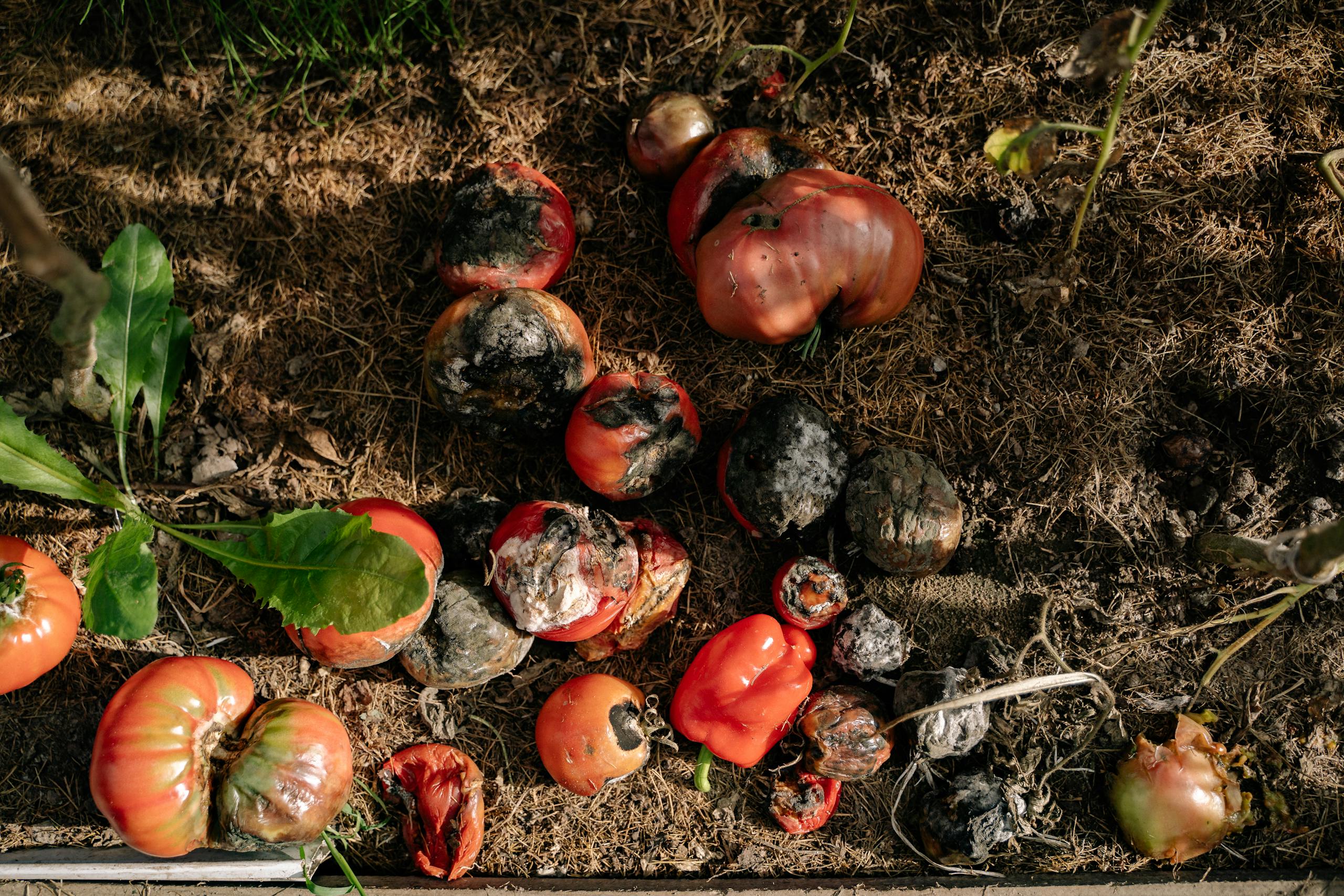
Many gardeners add eggshells to tomato planting holes to help prevent blossom-end rot. That habit can help over time, but it does not solve the problem on its own. Blossom-end rot often occurs when calcium cannot move properly through the plant, even when the soil already contains enough calcium.
Water stress is usually the deeper problem. When tomato roots swing between dry soil and moist soil, the plant struggles to move calcium into developing fruits. We should use eggshell powder as a slow-release soil amendment, then focus on steady watering, mulch, good drainage, root protection, and avoiding heavy nitrogen that promotes fast, leafy growth at the expense of fruit quality.
How to Use Eggshells in Planting Holes
Before planting tomatoes, peppers, eggplants, roses, or other calcium-loving plants, we can add one to two tablespoons of finely crushed eggshell powder into the planting hole. The powder should be mixed into the surrounding soil rather than dumped in one hard layer under the roots. A concentrated pile of shell fragments does little good if roots cannot reach nutrients evenly.
For garden beds, we can mix powdered eggshells into the top few inches of soil several weeks before planting. For pots, we should blend a small amount into compost or potting mix before filling the container. This gives the eggshells greater contact with moisture, microbes, and organic matter, helping them break down more efficiently.
Eggshells in Compost
Compost is one of the best places for eggshells because microbes, moisture, heat, worms, and organic matter all work together. Crushed shells add calcium and small amounts of other minerals, and they help reduce household waste. In worm bins, finely crushed eggshells can also act as grit, helping worms process food scraps more effectively.
We should avoid tossing large, wet shell halves into compost and expecting quick results. The better method is to rinse, dry, crush, and scatter them through the pile. Mixed shells break down more evenly, decompose more quickly, and become easier to spread later around vegetables, flowers, shrubs, and container plants.
Eggshell Tea for a Gentle Calcium Boost
Eggshell tea is a simple way to make a mild calcium solution for watering plants. We can crush clean, dry eggshells, place them in a jar or pot, pour hot water over them, and let the mixture steep overnight or for several days. After straining, the water can be added around the base of the plants.
This solution should be treated as a gentle supplement, not a powerful fertilizer. It will not replace compost or a complete plant food. Still, it can be useful for container gardens, herbs, seedlings, and plants growing in reused potting mix that may need a small mineral refresh.
Eggshells for Seed Starting
Eggshell seed starters are practical, cheap, and visually appealing. Half shells can hold small amounts of seed compost, making them suitable for herbs, cress, basil, parsley, chives, small flowers, and other seedlings that do not need deep root space during the earliest stage of growth. They also make gardening feel more accessible for beginners, children, apartment growers, and anyone trying to reuse household materials.
To make them work, we need drainage. A tiny hole at the bottom of each shell prevents water from collecting around young roots. The shell can sit inside an egg carton on a bright windowsill, and the soil should be misted gently rather than soaked. Once seedlings are strong enough to transplant, we should crack the shell before planting them so the roots can escape into the new soil.
Eggshells in Container Gardens

Containers need careful feeding because nutrients wash out faster than they do in garden beds. Eggshells can slowly replenish calcium, especially in pots used for tomatoes, peppers, herbs, leafy greens, flowers, and patio vegetables. They also pair well with compost when refreshing old potting soil.
The best method is to mix powdered eggshells into the potting medium before planting. Sprinkling shells on the surface may look decorative, but surface pieces dry out and break down slowly. For active container plants, we should combine eggshells with compost, use slow-release organic fertilizer, ensure proper drainage, and maintain consistent watering.
Eggshells and Soil pH
Because eggshells contain calcium carbonate, they may slightly reduce acidity over time, much like a very weak form of lime. This can benefit plants that prefer neutral to slightly alkaline soil. However, eggshells are slow and mild, so they should not be used as the main tool for changing soil pH.
We should avoid heavy eggshell use around acid-loving plants unless we know the soil conditions. Blueberries, azaleas, camellias, rhododendrons, and some hydrangeas often prefer more acidic soil. A soil test gives better guidance than guessing, especially when we want to adjust pH safely.
Eggshells for Cats and Digging Animals
Coarse eggshell pieces can make soil surfaces less inviting for cats that dig in garden beds or containers. The texture, sound, and uneven surface may discourage some animals from treating pots as litter boxes. This works best when the shells are spread around the plant base without forming a thick layer that blocks air or water.
We should combine this with stronger physical barriers when the problem persists. Chicken wire, decorative stones, plant supports, thorny prunings, or mesh covers may work better in raised beds and large containers. Eggshells can help, but they should be part of a practical deterrent plan.
Final Thoughts
Eggshells deserve a place in the garden, but they work best when we use them with patience and precision. They are not a miracle cure for every weak plant, yellow leaf, pest problem, or tomato disorder. Their real strength is slow, steady soil support.
When we clean them, dry them, crush them finely, and pair them with compost, steady watering, and balanced feeding, eggshells become far more than breakfast scraps. They become a practical calcium source, a seed-starting tool, a compost ingredient, and a quiet reminder that a healthier garden often begins with what we stop throwing away.