We trust herbal supplements because they look gentle. The labels use words like natural, ancient, clean, plant-based, and clinically inspired, which makes a capsule feel less risky than a prescription bottle. That comfort can be misleading, because the liver still has to process what we swallow, no matter how earthy the branding looks.
The concern is not that every herbal supplement is dangerous or that every person using ashwagandha, turmeric, or green tea extract will develop liver damage. The sharper issue is that concentrated extracts can deliver plant compounds in amounts that food normally doesn’t.
Turmeric and Curcumin Supplements May Not Be as Harmless as They Look

Turmeric has a powerful reputation for its anti-inflammatory benefits and a long history in cooking. In food amounts, turmeric is widely used and generally considered safe for most people. The concern grows when turmeric becomes a concentrated curcumin supplement, especially when combined with piperine, the black pepper compound often added to increase absorption.
NIH LiverTox reports that turmeric-related liver injury appears to be idiosyncratic and may involve an immune mechanism. Recent reports have also connected turmeric liver injury with the HLA-B*35:01 allele, a genetic marker found in a high proportion of reported cases. That does not mean everyone with turmeric capsules is in danger, but it does mean “I bought it at a health store” is not a safety guarantee.
The injury pattern associated with turmeric supplements is often hepatocellular, meaning the liver cells themselves are damaged. Symptoms may include fatigue, dark urine, nausea, yellowing of the skin or eyes, itching, and pain in the upper right abdomen. People using turmeric capsules for joint pain, inflammation, digestion, or general wellness should be especially careful if they also drink alcohol, take medications, or have a history of liver problems.
Ashwagandha Liver Damage Concerns Are Rising
Ashwagandha has become one of the most visible stress supplements in America. It is promoted for sleep, anxiety, energy, testosterone support, focus, and burnout. The marketing feels calm and modern, but the medical case reports are more complicated.
NIH LiverTox notes that ashwagandha-related liver injury typically appears within 2 to 12 weeks after starting the herb. The pattern is often cholestatic or mixed, which means bile flow and liver cell injury may both be involved. People in reported cases often developed jaundice and severe itching, and some experienced a long recovery period even after stopping the supplement.
Ashwagandha risk may be higher when products are concentrated, used for long periods, taken with other supplements, or used by people with existing liver disease. Additional risk factors include poor product quality, potential contaminants, undeclared ingredients, or extract concentrations that are difficult for consumers to interpret. A sleepy bedtime gummy can look harmless, but the liver reads ingredients, not vibes.
Green Tea Extract Is Different From Drinking Green Tea

Green tea as a beverage has a long safety history for most people. Green tea extract is a different category. Extracts can contain concentrated catechins, including epigallocatechin gallate (EGCG). These compounds are usually marketed for metabolism, antioxidant support, fat burning, and weight loss.
The liver concern is strongest with concentrated green tea extract, especially in high-dose products or weight-loss supplements that combine it with other active ingredients. LiverTox has documented green tea extract among supplement products linked to acute liver injury, and some reports involve severe outcomes. The risk appears uncommon, but serious enough that people should not treat green tea extract as a harmless shortcut.
Drinking green tea is not the same risk as taking capsules on an empty stomach as part of a fat-loss regimen. Supplement forms, dosing, and ingredient combinations can alter exposure levels and may stress the liver more than food sources.
Garcinia Cambogia Remains a Weight-Loss Red Flag
Garcinia cambogia is usually sold as a weight-loss supplement. Its active compound, hydroxycitric acid, is marketed as an appetite suppressant or fat-blocking aid. The pitch is simple, tempting, and perfectly designed for people tired of diets that feel like punishment.
The safety record is less polished. LiverTox states that weight-loss products labeled as containing Garcinia cambogia have been linked to clinically apparent acute liver injury, including severe and fatal cases. Many cases involve multi-ingredient weight-loss supplements, making it hard to isolate a single culprit. Even so, more recent reports have raised concerns about products containing Garcinia cambogia.
Weight-loss supplements warrant extra caution because they often combine several biologically active ingredients into a single product. A single bottle may contain caffeine-like stimulants, green tea extract, Garcinia cambogia, chromium, bitter orange, herbal diuretics, and proprietary blends. That kind of formula does not give the liver one task. It gives the liver a crowded meeting with no agenda.
Black Cohosh Liver Injury Is Rare but Serious
Black cohosh is commonly used to treat menopausal symptoms, especially hot flashes and night sweats. Many people choose it because they want a nonhormonal option or feel uneasy about conventional treatments. The problem is that black cohosh products have been reported in liver injury cases for years.
LiverTox states that products labeled as black cohosh have been implicated in many cases of clinically apparent acute liver injury, including severe cases that led to emergency liver transplantation or death. NCCIH also notes that cases of liver damage, some very serious, have been reported in people taking products labeled as black cohosh, although uncertainty remains around causality in some cases.
Mislabeling complicates the story. Some commercial black cohosh products have been found to contain the wrong herb or mixtures not listed on the label. That means the consumer may believe they are taking one traditional menopause supplement, yet the liver may be processing something else entirely.
Red Yeast Rice Can Act Like a Statin Without the Same Clarity
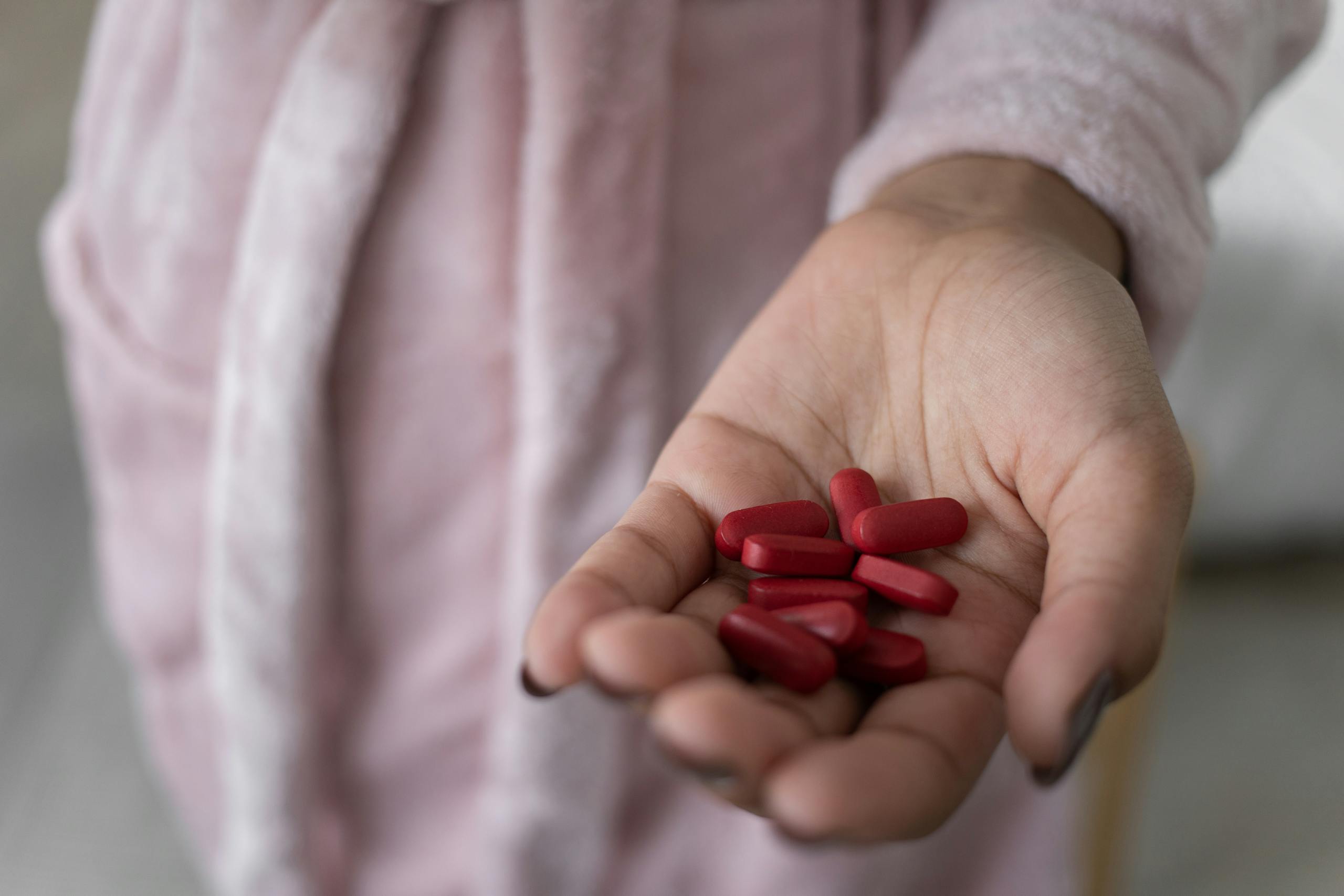
Red yeast rice is often sold as a natural cholesterol supplement. The word natural does a lot of persuasive work here, especially for people who want to avoid prescription statins. The key issue is that red yeast rice can contain monacolin K, which is chemically identical to lovastatin, a cholesterol-lowering drug.
That drug-like effect is exactly why red yeast rice may lower LDL cholesterol in some users. It is also why the product can raise safety concerns. If a supplement works like a statin, it may also carry statin-like risks, including muscle problems, liver enzyme changes, and interactions with other medications.
The consumer problem is inconsistency. One red yeast rice product may contain very little monacolin K. Another may contain enough to create a meaningful pharmacologic effect. Some products may also contain citrinin, a contaminant produced during fermentation that raises additional safety concerns. A person choosing red yeast rice to avoid “real medication” may accidentally take a drug-like compound with less predictable labeling.
Herbal Supplement Liver Injury Often Starts Quietly
Liver injury does not always announce itself dramatically at first. Early symptoms can feel like everyday exhaustion, a stomach bug, poor sleep, stress, or a bad reaction to food. That delay is dangerous because people may keep taking the same supplement as symptoms build.
Common warning signs include unusual fatigue, nausea, vomiting, loss of appetite, abdominal pain, dark urine, pale stools, itching, yellowing of the skin or eyes, and a flu-like feeling that does not make sense. Jaundice is especially important. Yellow eyes or yellow skin should never be brushed off as a minor supplement reaction.
People should seek medical care quickly if these symptoms appear after starting a new supplement or increasing a dose. It helps to bring the actual bottle, label, powder, or gummy package to the appointment. The ingredient list, serving size, brand name, lot number, and product combinations can help clinicians connect the dots faster.
How We Can Use Supplements More Safely
We should treat supplements like biologically active products, not lifestyle accessories. That means keeping a written list of everything taken daily or weekly, including vitamins, powders, teas, tinctures, protein blends, sleep gummies, and wellness shots. A clinician cannot assess risk from products they have never heard about.
Third-party testing can help, though it does not remove every risk. Certifications from reputable testing organizations may help build confidence that the product contains what the label claims and is free of certain contaminants. Still, third-party testing does not prove that a supplement is effective for a specific condition or safe for every person.
We should also avoid launching several products at once. If fatigue, itching, nausea, or dark urine appear, a crowded supplement routine makes the cause harder to identify. Starting one product at a time, using it for a clear purpose, and stopping when it no longer serves that purpose is a safer habit than building a permanent shelf of “just in case” capsules.