A dead relationship does not always end with screaming, cheating, or one dramatic final argument. Sometimes it ends quietly, long before anyone says the words out loud. The love feels flat, the conversations feel forced, and the future feels more like a duty than a dream. You may still share a home, a routine, a history, or even a bed, but deep down, something important has already disappeared.
Leaving can feel scary, especially when years, family ties, money, children, memories, and comfort are involved. Still, staying in a relationship with no emotional life left can slowly erode your peace, confidence, and sense of direction. A breakup hurts, but pretending to be okay in a dead relationship can hurt in quieter and deeper ways. These are the reasons staying can become worse than finally walking away.
It Slowly Drains Your Emotional Energy
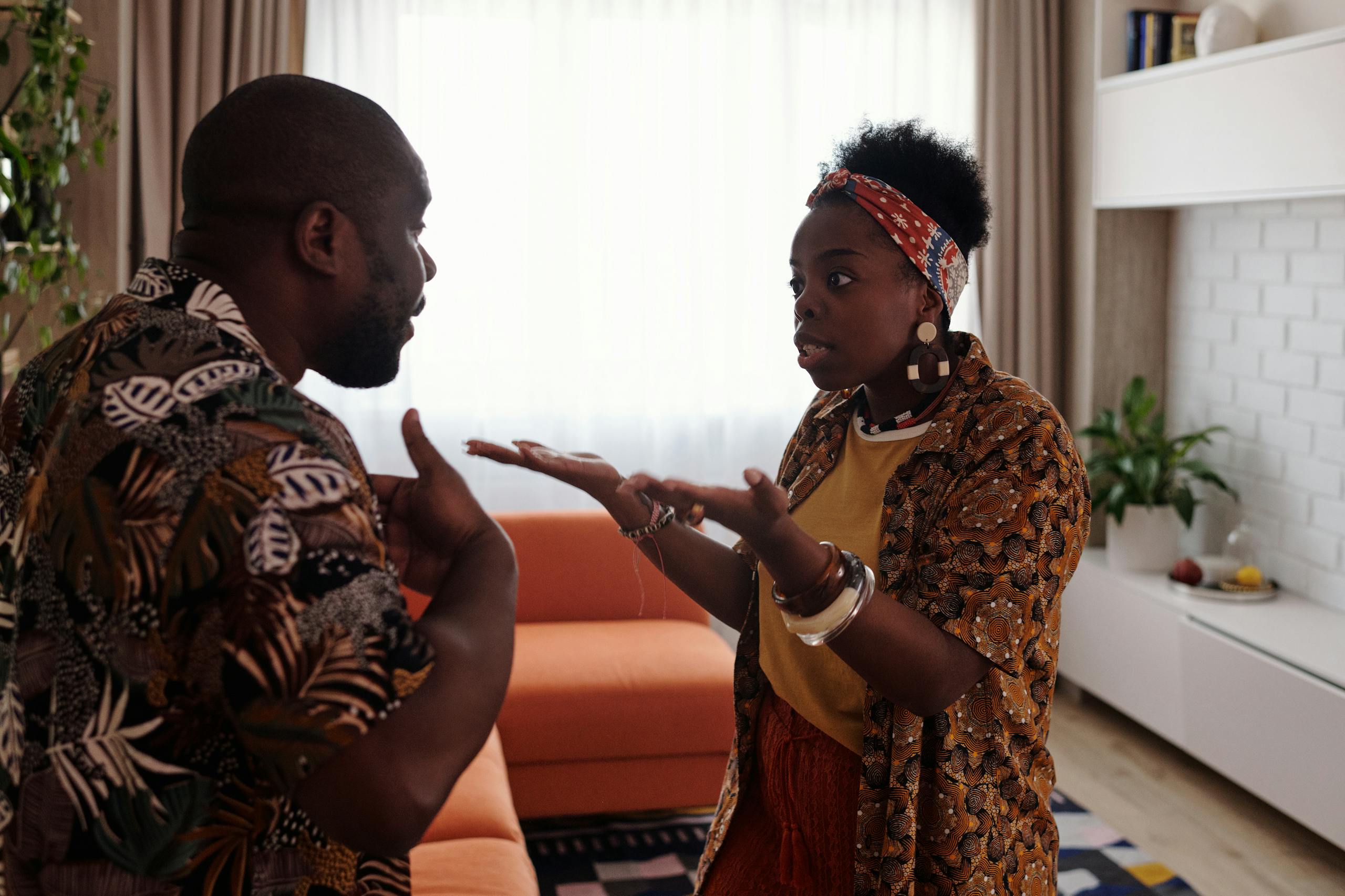
A dead relationship can make every day feel heavier than it should. You may not fight all the time, but the silence, distance, and lack of warmth can become exhausting. You start measuring your words, avoiding honest conversations, and pretending small things do not bother you. That emotional performance takes energy, even when nobody sees it.
Leaving hurts because it creates a clear break. Staying hurts because it keeps you trapped in a slow emotional leak. You wake up tired, go through the motions, and carry sadness that has no clear name. Over time, the relationship stops feeling like a place of comfort and becomes another responsibility on your back.
It Makes You Forget What Love Should Feel Like
When you stay in a dead relationship too long, you may begin to lower your standards for love. You stop expecting affection, curiosity, kindness, deep conversation, or real partnership. You tell yourself that every couple eventually grows cold, or that passion naturally fades over time. Slowly, you confuse emotional absence with maturity.
Love does not have to feel exciting every second, but it should still feel alive. There should be care, effort, laughter, respect, and some desire to meet each other emotionally. When a relationship becomes nothing more than a habit, you may forget that love is supposed to feed the spirit, not just fill a chair across the table.
It Keeps You From Meeting a Better Version of Yourself

A dead relationship can hold you in an old identity. You may stay because this person knows your past, your family, your routines, and your flaws. That familiarity feels safe, but it can also keep you stuck in a version of yourself you have outgrown. You may stop dreaming bigger because the relationship has trained you to live smaller.
Leaving gives you space to rediscover who you are without constant emotional weight. You may remember hobbies, friendships, goals, and parts of your personality that went quiet. Staying too long can make you forget that you are more than someone’s partner. You are still a full person with a future that deserves to move forward.
Teaches You to Accept Less Than You Need
The longer you stay in a relationship that feels empty, the more normal emptiness begins to feel. You accept half-hearted conversations, cold affection, weak apologies, and lonely nights beside someone who is physically present. You may even start feeling grateful for small crumbs of attention because real connection has become rare.
This is dangerous because it changes your standards. You stop asking for emotional closeness because you do not want to seem needy. You stop asking for effort because you already know the answer. Staying becomes a daily lesson in self-denial. Leaving, painful as it may be, can become the first step toward remembering that your needs are not too much.
It Wastes Time You Cannot Get Back.

Time is one of the most painful costs of staying too long. Months pass. Then years pass. You keep waiting for the relationship to feel alive again, but nothing truly changes. You tell yourself you will decide after the next holiday, after the next birthday, after things calm down, or after one more serious talk. The calendar keeps moving, but the relationship does not.
Leaving may feel like losing the past, but staying in a dead relationship can steal the future. It can keep you away from peace, growth, new love, deeper friendships, and a life that feels honest. Memories matter, but they should not become a cage. A relationship can be meaningful in your history without deserving a permanent place in your future.
It Creates Quiet Resentment
When love dies, but the relationship continues, resentment often grows in the background. You may resent your partner for not trying, not noticing, not changing, or not caring enough. You may also resent yourself for staying, pretending, and ignoring what you already know. That hidden anger can manifest as sarcasm, distance, impatience, and emotional shutdown.
Resentment is dangerous because it poisons even normal moments. A simple conversation can feel irritating. A small mistake can feel like proof of everything wrong. The relationship becomes less about love and more about endurance. Leaving before resentment turns bitter can protect the respect that still remains.
It Makes Loneliness Feel Normal

One of the saddest parts of a dead relationship is feeling lonely beside someone. You may share meals, bills, family photos, and routines, yet still feel unseen. The loneliness becomes sharper because the person who should feel closest now feels far away. Being alone is painful, but being emotionally alone with a partner can be even more confusing.
This kind of loneliness can damage your confidence. You may wonder if you are asking for too much or if emotional closeness is unrealistic. It is not. A relationship should not make you feel invisible every day. Leaving may bring a season of solitude, but solitude can be honest. Loneliness in a dead relationship is a silence that keeps pretending to be companionship.
It Delays the Healing You Already Need
A dead relationship does not start healing just because you stay in it. If both people are not willing to rebuild, staying only delays the pain that must eventually be faced. You may avoid the breakup, but you cannot avoid the grief. You carry it in your mood, your body, your sleep, your patience, and your private thoughts.
Leaving does not mean the pain disappears overnight. It means the healing can finally begin. You stop pouring energy into pretending and start using that energy to recover. The end of a relationship can feel like failure at first, but sometimes it is the most honest act of self-respect. You are not losing love when love is already gone. You are choosing not to lose yourself in it.
Conclusion
Staying in a dead relationship can feel easier because it avoids immediate heartbreak, awkward conversations, and the fear of starting over. But comfort is not always peace, and routine is not always love. A relationship that has become empty can quietly drain your energy, shrink your standards, waste your time, and teach you to live without the warmth you deserve.
Leaving is painful, but it is also clear. It gives you a chance to grieve honestly, heal fully, and rebuild a life that feels real again. Sometimes the hardest goodbye is not the one you say to another person. It is the goodbye you say to the version of yourself that believed staying unhappy was safer than choosing freedom.