Hotel rooms are designed to offer comfort and relaxation, yet many guests unknowingly make life harder for the staff who keep them clean and orderly. Housekeepers face long hours, tight schedules, and sometimes shocking messes left behind by travelers. Understanding hotel room etiquette is not only courteous, but it also protects your comfort, maintains hygiene, and ensures the room remains in pristine condition for the next guest. From scattered trash to hidden messes, these are eight habits that consistently frustrate housekeeping staff and should be avoided at all costs.
Misusing Towels, Sheets, and Linens
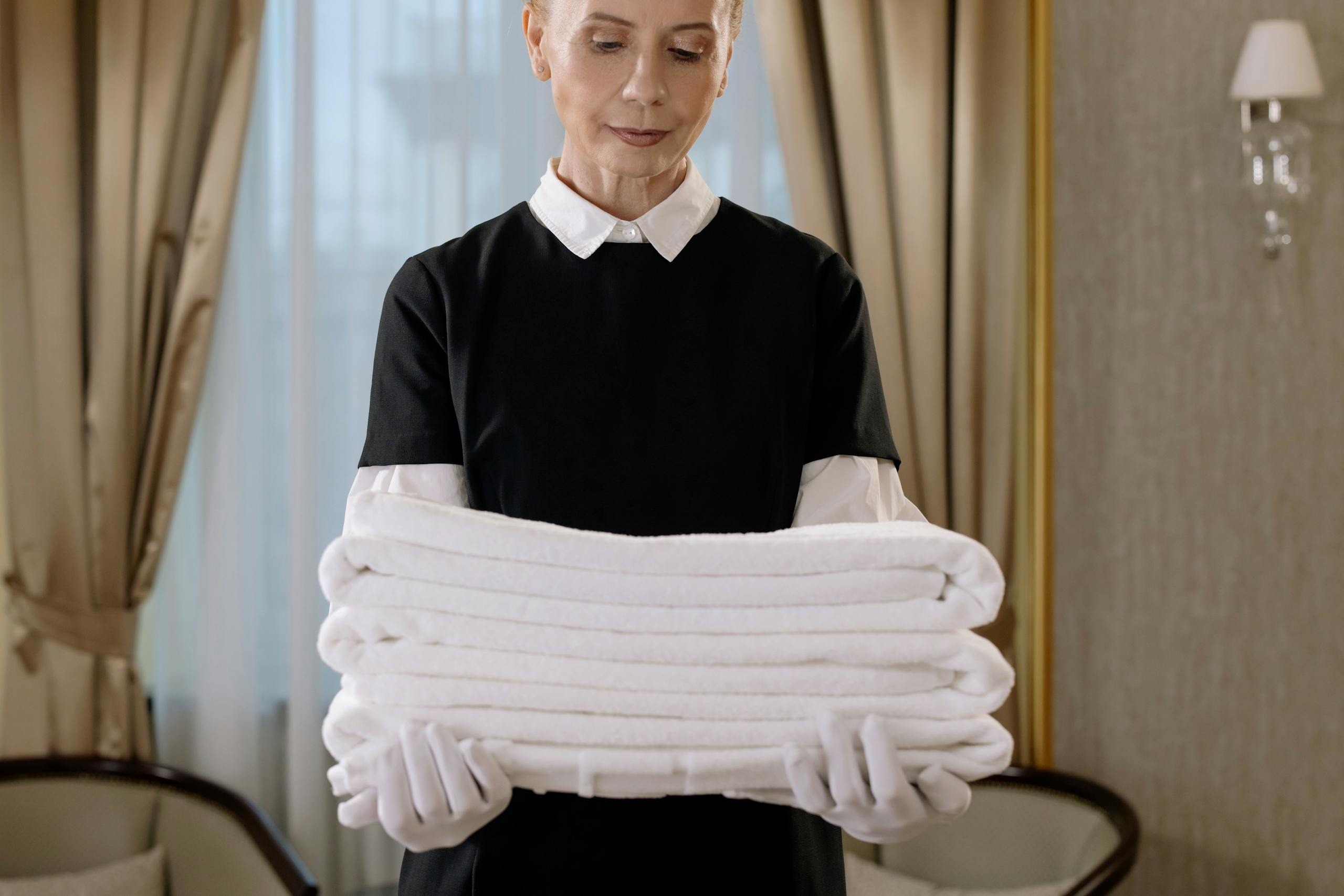
Guests often wipe hands coated in sauces, makeup, or grease on towels or sheets instead of using napkins or tissues. Hair dye, bleach, or other chemicals applied in sinks or tubs can stain grout, countertops, and fixtures permanently. Misusing linens increases laundry demands, degrades room quality, and creates extra work for housekeeping staff.
Housekeepers frequently note that damaged linens require specialized cleaning or replacement, which is costly and time-intensive. Using towels, sheets, and other provided linens only for their intended purposes preserves hygiene, protects surfaces, and ensures rooms remain welcoming for all guests. Simple mindfulness can prevent stains, tears, and unnecessary frustration.
Leaving Trash Scattered Everywhere
Empty bottles, food wrappers, tissues, and snack remnants left on tables, counters, and floors create unnecessary work and slow down the cleaning process. Even if the garbage cans are right in front of you, neglecting to use them forces staff to pick up after you, turning a simple turnover into a time-consuming chore. Proper disposal of trash is a simple courtesy that allows housekeepers to focus on thorough sanitization and ensures the room remains safe and hygienic for the next occupant.
Using the provided garbage bins also prevents pests and hidden debris from going unnoticed. Small wrappers tucked behind furniture, crumbs under the bed, or napkins left on desks all add up, creating extra labor and potentially compromising the hygiene of the space. Taking a few moments to consolidate and discard trash makes a huge difference in maintaining room quality.
Summoning Housekeeping While Present
Many guests request service while lounging, attending video calls, or sleeping. Cleaning around a guest creates an awkward, rushed environment and can compromise the quality of work. Housekeepers prefer scheduled visits when rooms are unoccupied, allowing them to clean thoroughly and efficiently.
Leaving notes or requesting a specific cleaning window helps staff plan their rounds effectively. Interrupting cleaning routines forces staff to maneuver around occupied spaces, slows their workflow, and increases the risk of missed spots. Respecting staff workflow ensures that rooms are cleaned properly while maintaining guest privacy.
Shaving Hair Everywhere
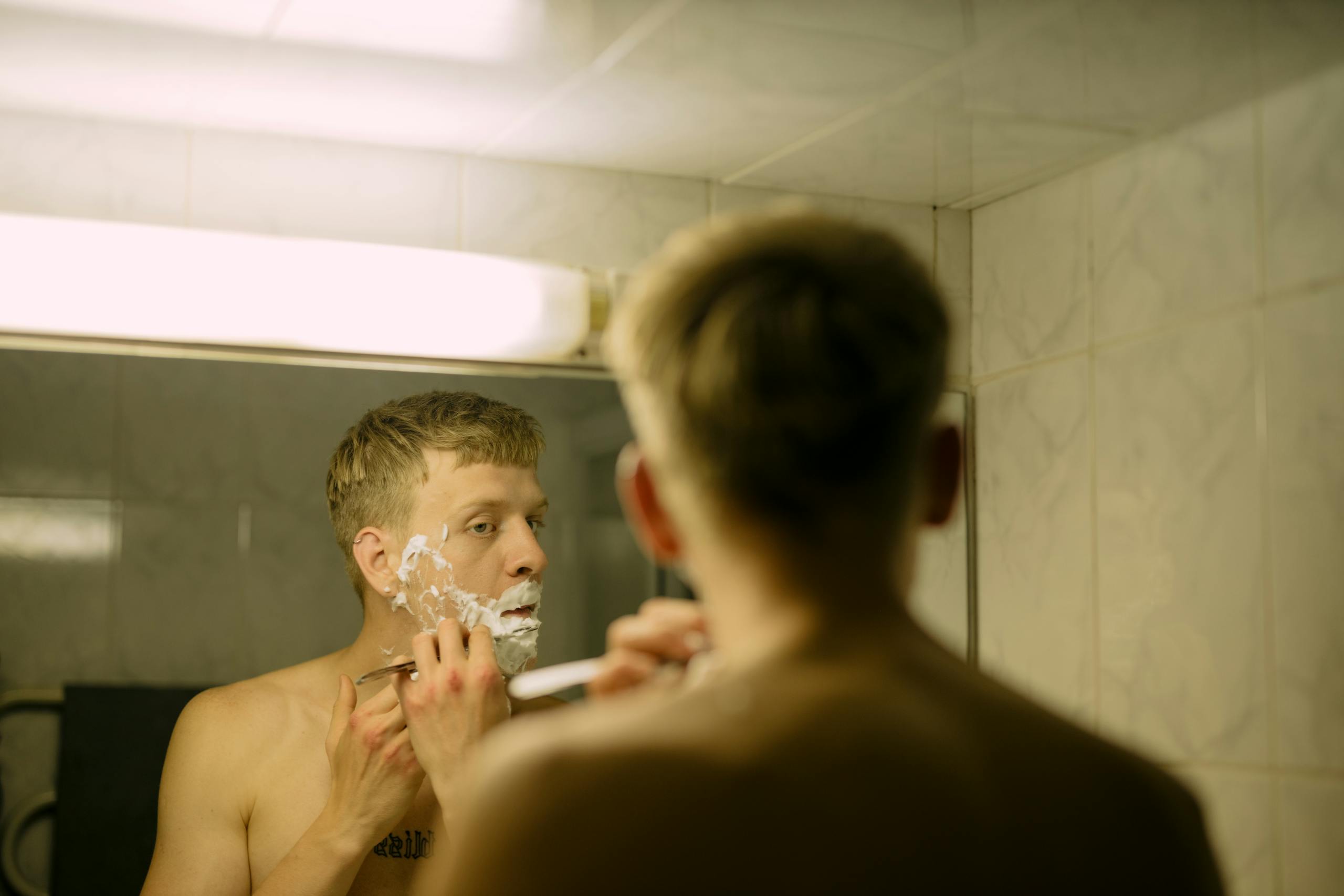
Shaving in sinks or leaving beard and body hair on floors may seem minor, yet it is one of the most tedious tasks for housekeeping staff. Tiny hairs cling to counters, floors, and sinks, often requiring multiple passes to fully remove and sanitize.
Guests can prevent this by disposing of hair in the trash rather than leaving it in the sink or bathtub. Even a little extra attention during grooming routines significantly improves cleanliness, reduces labor, and maintains hygiene standards. Clear surfaces also prevent clogged drains and ensure the bathroom remains functional for all visitors.
Leaving Bodily Fluids or Messes
Accidents happen, but leaving vomit, urine, blood, or other bodily fluids without notifying staff is both dangerous and disrespectful. Housekeepers face potential exposure to pathogens and must take extra safety precautions, which can be time-consuming and unpleasant.
Informing hotel management immediately allows professional cleaning teams to respond appropriately, using proper sanitation protocols to ensure safety. Transparent communication protects both staff and future guests while preventing lingering odors or contamination. Prompt notification ensures the room is restored to a clean and safe state quickly.
Leaving the Room Extremely Cluttered

Piles of clothing, electronics, luggage, and food covering surfaces hinder proper cleaning. Housekeepers cannot efficiently dust, vacuum, or sanitize when every surface is blocked, which can result in missed spots or incomplete cleaning.
Organizing personal belongings, storing luggage neatly, and keeping floors clear allows staff to perform a thorough job. A tidy room not only improves cleaning efficiency but also enhances guest experience by maintaining a visually appealing and safe environment. A respectful organization ensures rooms are ready for the next occupant without unnecessary delays.
Hiding Gross Items in Drawers or Closets
Chew-spit cups, soaked towels, adult items, or used tissues hidden in drawers, closets, or under beds complicate cleaning and create hygiene concerns. Staff must locate, remove, and sanitize these hidden items, increasing workload and time spent on each room.
Guests should dispose of all waste in the provided bins and communicate any unusual incidents to management. Transparency ensures a hygienic environment and prevents future contamination. Simple habits like this respect the staff’s time and maintain professional room standards.
Not Tipping After a Significant Mess

While tipping policies vary, leaving behind an extremely messy room without acknowledgment can be demoralizing for housekeeping staff. Disaster-level messes require extra time, effort, and resources to restore the room to a clean, safe state.
Even a small gratuity with a note specifying “Housekeeping” acknowledges their effort and shows appreciation for the extra labor involved. Tipping appropriately motivates staff, reinforces good etiquette, and helps maintain positive service standards for future guests. It is a simple way to reward hard work while leaving a lasting impression of respect and courtesy.
Key Takeaways
Maintaining hotel room etiquette ensures that staff can work efficiently while rooms remain clean, safe, and inviting. By avoiding these eight habits, guests enhance their own stay, protect room quality, and demonstrate consideration for the people who make every hotel visit comfortable. Cooperation benefits everyone, creating a smoother, more pleasant experience for guests and staff alike.