Burnout does not always arrive like a dramatic breakdown. Sometimes it looks like a silent drive home, a cold dinner eaten over a laptop, or a Sunday night that feels ruined before Monday even begins. Across the U.S., millions of workers are carrying stress that no longer ends when the workday does.
A recent burnout ranking based on dNovo Group data shows how uneven that pressure can feel from city to city. The index looked at self-reported burnout, work environments, average hours, paid time off, commutes, work-life balance, and access to health care.
That mix matters because burnout is rarely caused by one bad week. It usually grows where high pressure, long travel times, expensive living, and weak recovery time all collide.
Phoenix
Phoenix landed at the top of the ranking with a burnout score of 82, making it the most burned-out city on the list. That number says a lot about the pressure many workers may be feeling in a fast-growing metro where costs, commuting, heat, and workplace demands can pile up quickly. A city can be sunny and still feel emotionally heavy for the people trying to keep up with daily life.
The danger with burnout in a place like Phoenix is that exhaustion can start to feel normal. Workers may push through fatigue because everyone else seems to be doing the same. Over time, that creates a lifestyle in which rest feels like a luxury rather than a basic need.
Sacramento, California
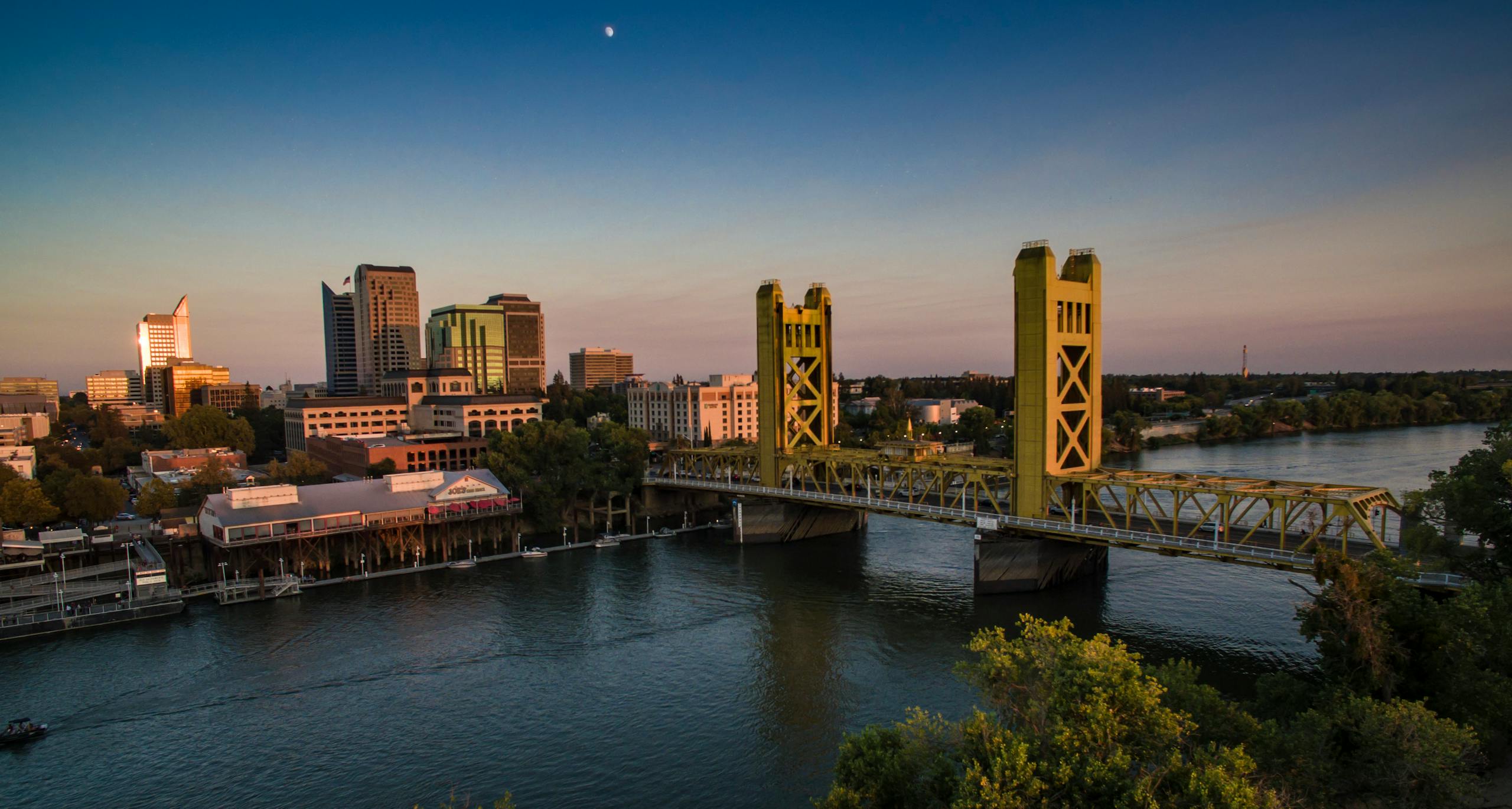
Sacramento ranked second with a burnout score of 80, placing it just behind Phoenix. California’s capital has its own unique pressure points, from government-related work demands to rising housing costs and long commutes across the region. For many workers, the job itself may be stressful, but the life around the job makes recovery even harder.
Burnout often becomes worse when people feel stuck between needing the paycheck and resenting what it takes to earn it. Sacramento’s high score suggests workers may be facing that exact squeeze. When people spend their best energy surviving the week, their weekends stop feeling like recovery and start feeling like damage control.
Washington, D.C.
Washington, D.C., came in third with a burnout score of 79, which should surprise almost no one who understands the pace of the nation’s capital. This is a city built around deadlines, politics, policy, law, media, advocacy, and high-performance professional culture. The pressure can feel constant because the work often carries urgency, public attention, or institutional weight.
The problem is that ambition can hide burnout better than anything else. People in D.C. may look successful on paper, but feel completely drained behind the scenes. When professional identity becomes tied to being busy, exhausted workers may not realize how far they have slipped until their patience, sleep, focus, and health begin to suffer.
Los Angeles
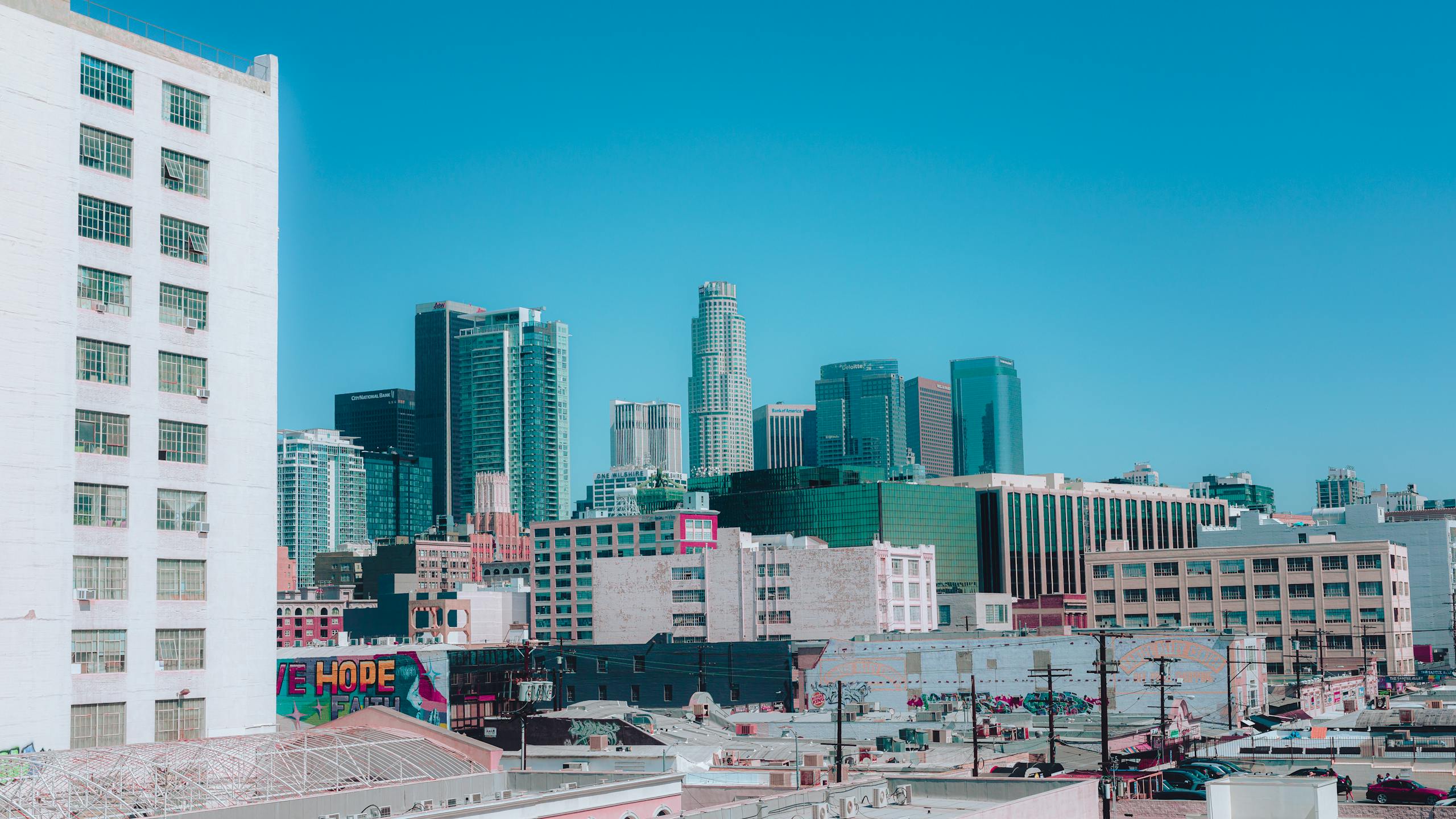
Los Angeles ranked fourth with a burnout score of 77, and the reasons are easy to imagine. The city mixes brutal traffic, high living costs, competitive industries, unstable creative work, and a culture where people often feel pressured to look like they are thriving even when they are barely holding things together. In L.A., even chasing opportunity can feel like a full-time job.
Burnout in Los Angeles can be especially sneaky because the city sells a dream of reinvention, success, beauty, and freedom. That dream can keep people pushing long after their bodies and minds are asking for rest. When the commute, rent, side hustle, and main job all demand attention, the line between ambition and self-destruction gets dangerously thin.
Charlotte, North Carolina
Charlotte ranked fifth with a burnout score of 77, tying Los Angeles in the index. The city has grown into a major banking, business, and corporate hub, which brings opportunity but also pressure. Rapid growth can create a strange emotional split: workers are surrounded by progress but feel personally overwhelmed by its pace.
For many people, burnout is not just about working too many hours. It is also about feeling that life is getting more expensive, that expectations are rising, and that the margin for mistakes is shrinking. Charlotte’s ranking suggests that the city’s success story may come with a hidden emotional cost for workers trying to keep up.
Boston
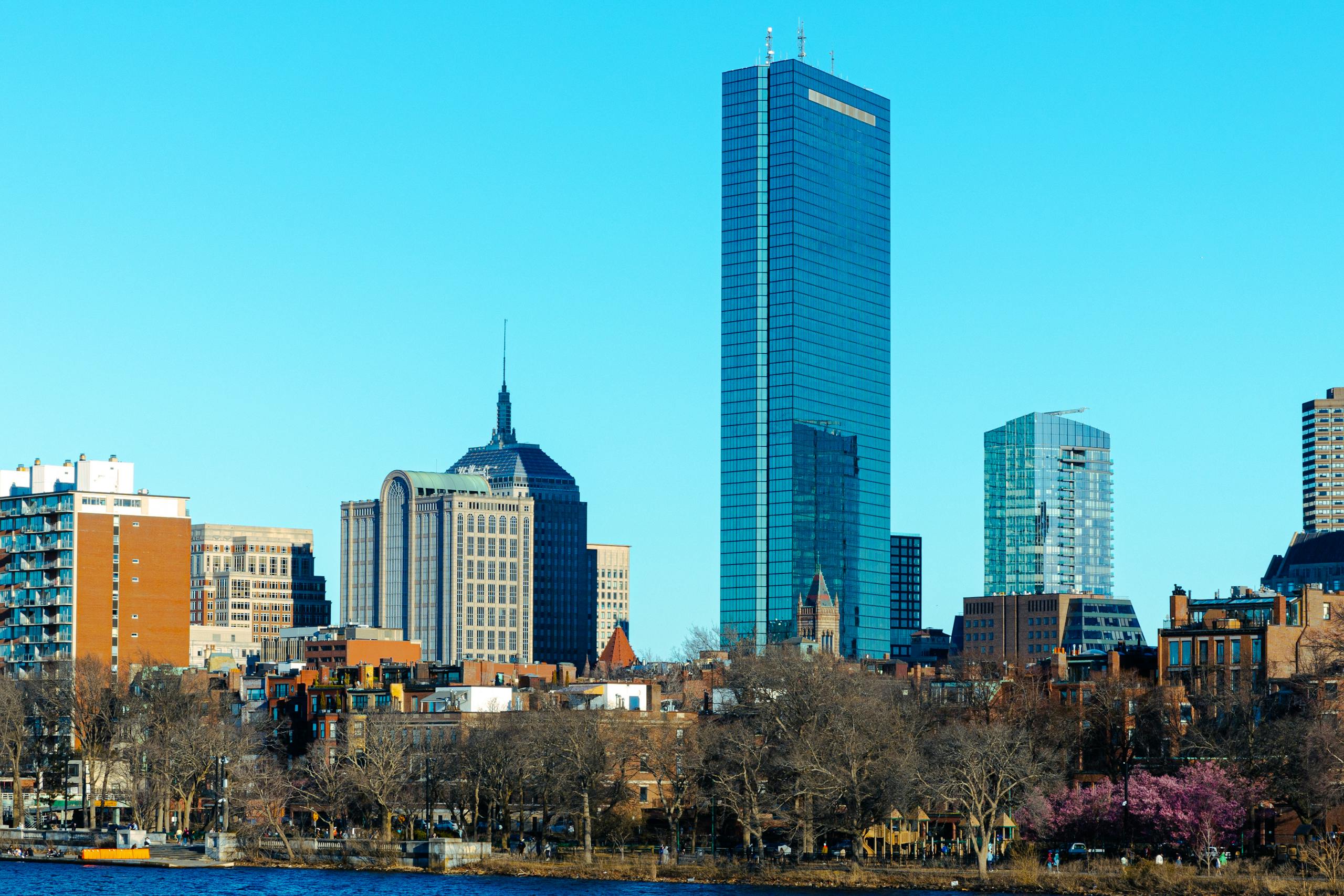
Boston ranked sixth with a burnout score of 75. The city is known for education, medicine, finance, biotech, research, and intense professional standards. Those industries can attract ambitious people, but they can also create environments where pressure becomes part of the culture.
A worker in Boston may not be dealing with one obvious problem. Instead, burnout may come from the steady weight of high expectations, expensive housing, competitive workplaces, and packed schedules. In cities where achievement is deeply valued, admitting exhaustion can feel like failure, even when it is really a warning sign.
Las Vegas
Las Vegas ranked seventh with a burnout score of 73. The city’s public image is built around entertainment, nightlife, tourism, and escape, but the workers who keep that machine running often face demanding schedules and emotionally intense service roles. A city that helps visitors relax can still leave its workers stretched thin.
That contrast matters. Burnout can feel especially harsh when your job requires you to perform cheerfulness, patience, or energy for others. For workers in hospitality, entertainment, restaurants, gaming, transportation, and customer service, emotional labor can be just as draining as physical labor.
Raleigh, North Carolina
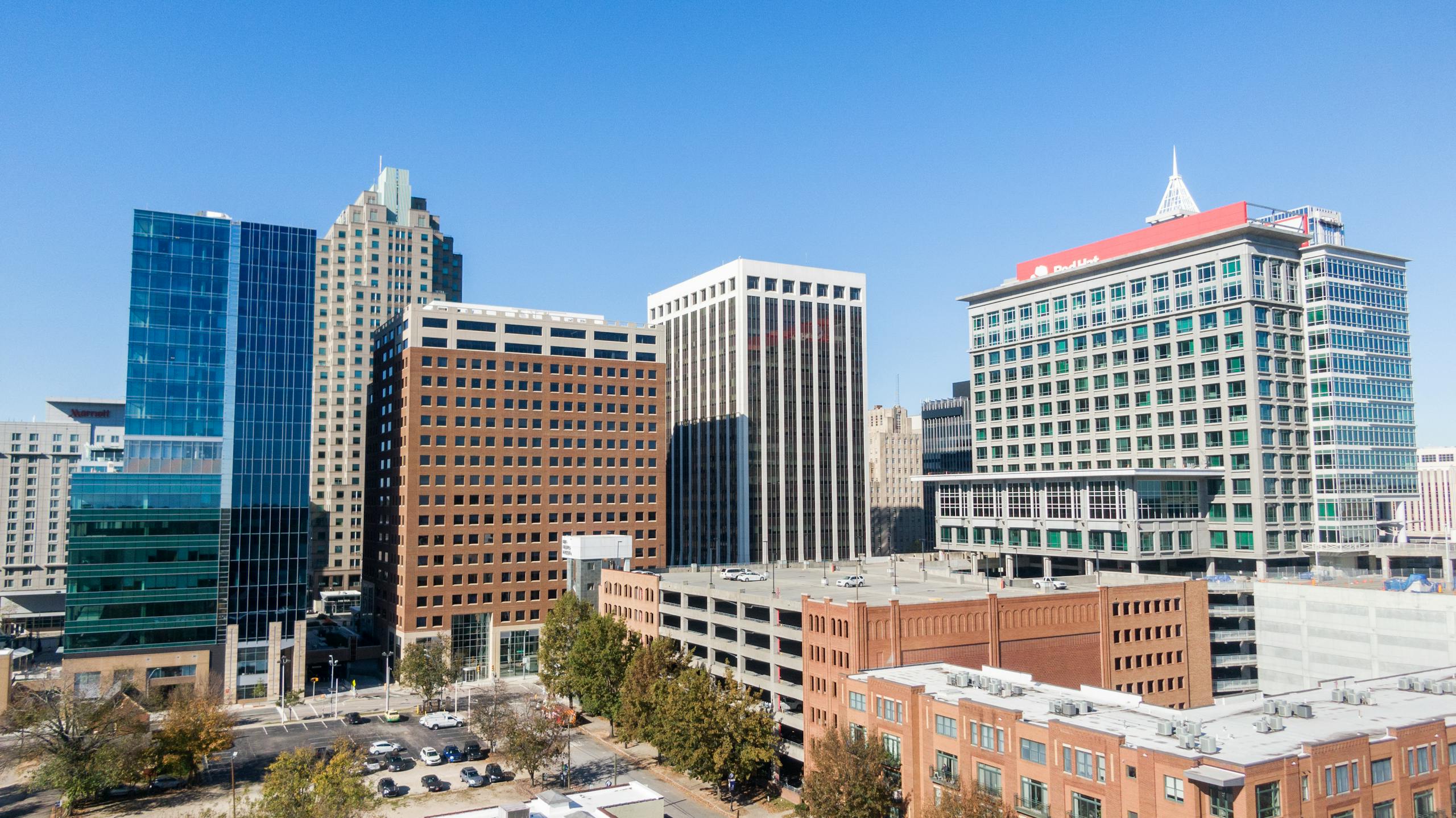
Raleigh ranked eighth with a burnout score of 73. Like Charlotte, Raleigh has grown quickly, attracting tech workers, students, researchers, health-care professionals, and families chasing opportunity. Growth can bring new jobs and energy, but it can also raise costs and increase competition.
The burnout risk in Raleigh may stem from the pressure of living in a place that appears to be booming. When a city becomes more desirable, workers often feel they have to run faster just to stay in place. That pressure can be exhausting, especially for people balancing career goals with housing costs, family life, and longer commutes.
New York City
New York City ranked ninth with a burnout score of 72, which almost feels low given the city’s reputation. New York is built on speed, ambition, noise, density, and constant motion. For many workers, the day begins with a crowded commute and ends with the feeling that they still have not done enough.
The strange thing about burnout in New York is that it can blend into the city’s personality. Being tired, busy, overbooked, and overstimulated can seem like part of the deal. But constant pressure still has consequences. Even the most driven workers need time to sleep, breathe, think, and exist outside their job title.
Atlanta
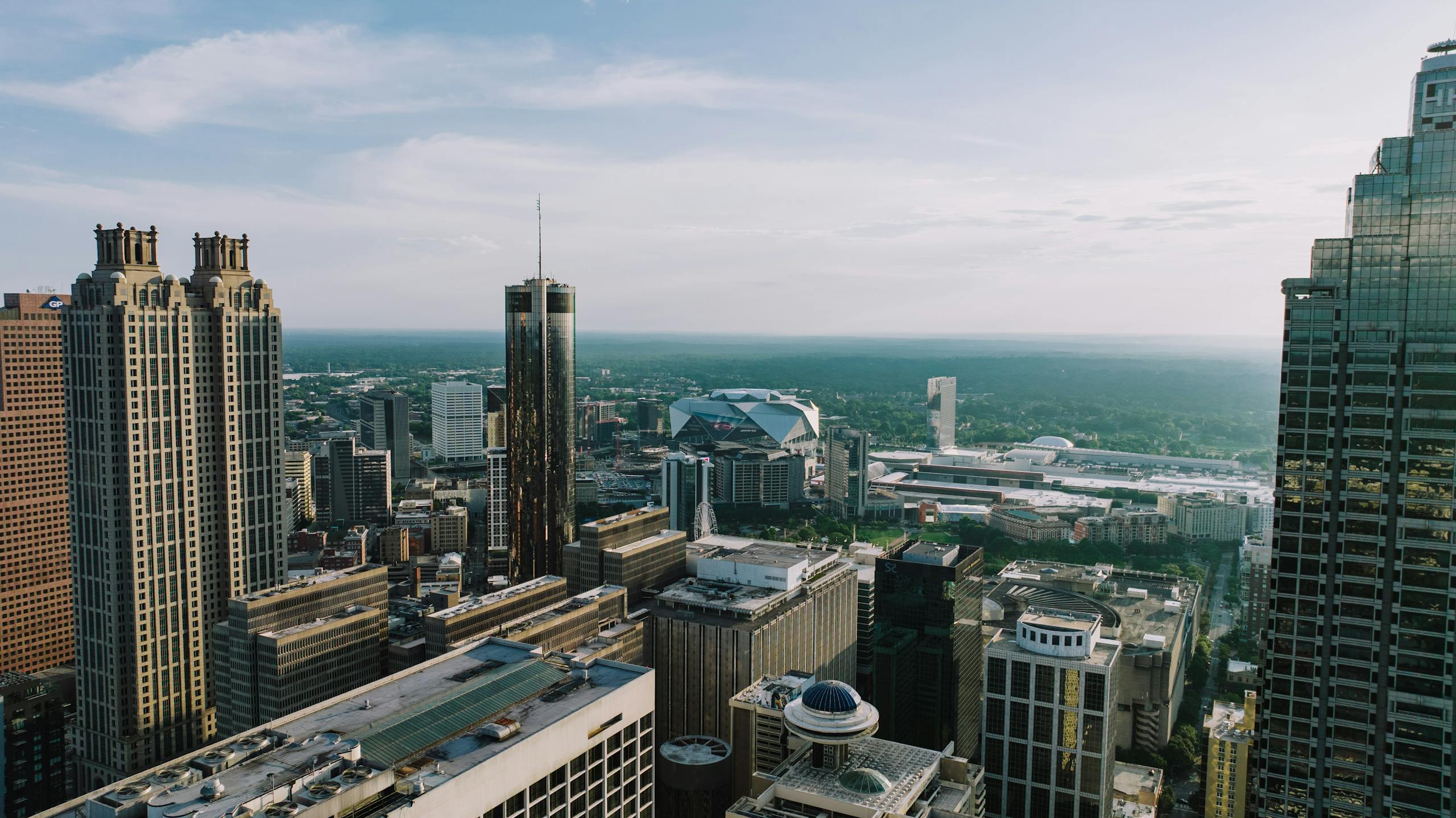
Atlanta rounded out the top 10 with a burnout score of 69. The city has become a major hub for film, media, logistics, health care, education, and corporate work, while also dealing with traffic, sprawl, and rising living costs. For many workers, the opportunity is real, but so is the daily grind.
Burnout in Atlanta may look like people pushing through long commutes, unpredictable schedules, and career pressure while trying to maintain a full personal life. That kind of exhaustion is easy to dismiss because it feels ordinary. But ordinary stress can still become dangerous when it recurs weekly without adequate recovery.
Conclusion
America’s burnout map tells a story that is bigger than any single city. Phoenix, Sacramento, Washington, D.C., Los Angeles, Charlotte, Boston, Las Vegas, Raleigh, New York City, and Atlanta all show how modern work can grind people down in different ways. Some cities bring brutal commutes. Others bring high costs, intense industries, competitive cultures, or emotional labor that never really switches off.
The real lesson is not that workers in these cities are weak. The lesson is that burnout grows when people are expected to perform like machines while living human lives filled with bills, families, health needs, traffic, and uncertainty. If cities and employers want healthier workers, they cannot treat exhaustion as a personality flaw. They have to treat it as a warning light.