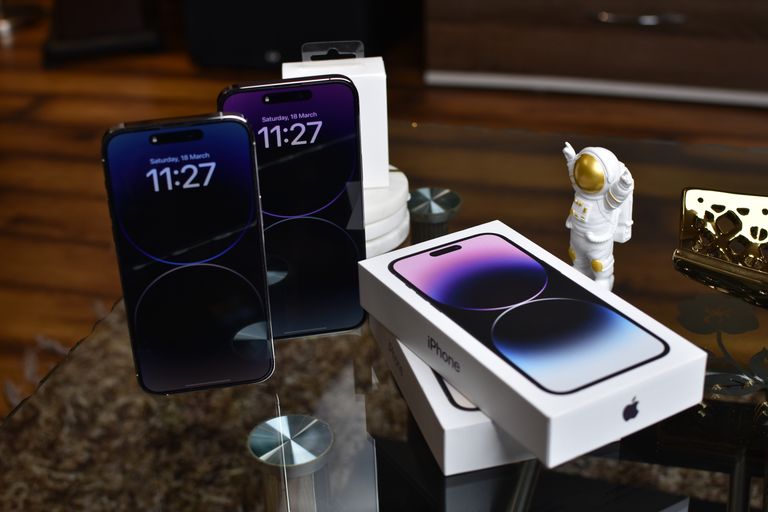
Our phones go almost everywhere with us, from the bed to the bathroom, the car, the gym, the kitchen counter, and sometimes even the pocket we forgot was pressed against a hot laptop or a sweaty leg. That convenience feels harmless until the small habits start creating bigger problems, including battery wear, overheating, moisture damage, poor sleep, cracked screens, germs, and preventable security risks.
A smartphone is built to handle daily life, but it is not built to survive every careless storage spot we choose. Heat, cold, pressure, moisture, bacteria, and constant charging all attack the phone in different ways. If we want a device that lasts longer, charges better, stays cleaner, and causes fewer daily headaches, we need to stop treating every surface like a safe place to drop it.
Under Your Pillow

Keeping a phone under the pillow feels convenient, especially when we use it as an alarm clock, a late-night messaging device, or a quick-scrolling machine before sleep. The problem is that a pillow traps heat, and phones already generate warmth during charging, app use, updates, and background activity. When heat has nowhere to escape, the battery and internal components work under extra stress. That is even worse if the phone is plugged in, placed under heavy bedding, or running power-hungry apps overnight.
The sleep issue matters too. A phone under the pillow keeps temptation within inches, which makes “one last check” turn into another 30 minutes of scrolling. Notifications, screen light, emotional messages, and late-night videos can delay sleep and make the brain feel alert when it should be winding down. A better habit is simple: keep the phone on a bedside table, turn on Do Not Disturb, set the alarm, and leave at least a little distance between the device and your head.
Inside a Hot Car or Glove Compartment
A glove compartment can seem like a smart hiding place, but it is one of the worst places to leave a phone. Cars heat up quickly in warm weather, especially when parked in direct sun, and the glove box can trap that heat like a small oven. High temperatures can weaken battery capacity, slow performance, damage adhesives, affect the screen, and trigger emergency shutdowns. If the phone is already charging, streaming, or running navigation, the risk rises even more.
Cold weather creates a different problem. Low temperatures can make a phone drain faster, respond slowly, or shut down unexpectedly. A frozen or extremely cold device can also become more vulnerable to condensation when brought back into a warm space. We should treat the car as a temporary stop, not a storage unit. If the phone must stay in the vehicle briefly, keep it out of sunlight, away from the dashboard, and never leave it charging unattended in a hot car.
In the Bathroom

The bathroom is a bad phone zone because it combines germs, moisture, steam, and distraction in one small room. Even when the phone never falls into the toilet, it can still collect bacteria from hands, counters, sink splashes, and airborne particles after flushing. A device that sits beside the sink or toilet can later end up against the face, in the bed, on the kitchen counter, or in a child’s hands. That is how a harmless bathroom scroll becomes a hygiene problem.
Moisture adds another layer of trouble. Steam from hot showers can work its way into ports, speaker grills, buttons, and tiny openings. Even water-resistant phones are not designed for repeated steam exposure, soap residue, or bathroom humidity. The safest move is to leave the phone outside the bathroom. If we need music or a podcast, a speaker placed away from water is smarter than balancing an expensive phone near the sink, tub, or toilet.
Plugged In Long After It Reaches Full Charge
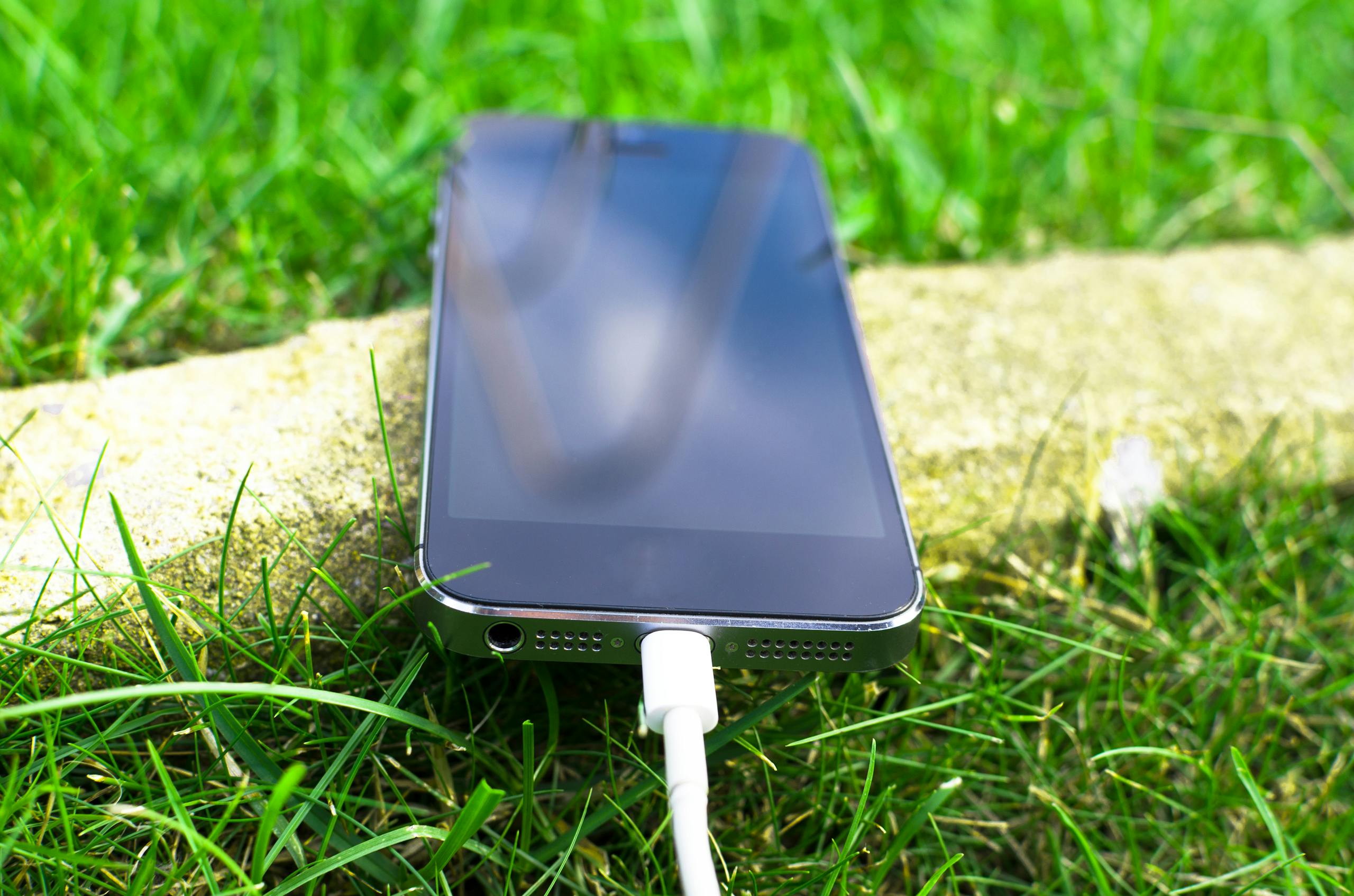
Leaving a phone plugged in all day or all night feels normal, but it is not always ideal for battery health. Modern phones include charging protections, yet heat and repeated high-charge stress still matter. A battery ages with use, time, temperature, and charging habits. When we keep a phone connected after it is already full, especially under a pillow, on a sofa, in a hot room, or inside a case that traps heat, we create conditions that can make the battery wear faster.
The better habit is not complicated. Charge the phone in a cool, open place, remove thick cases if the device gets warm, and avoid charging while running heavy apps or games. Overnight charging is common, but using optimized battery charging features helps reduce stress. We do not need to panic over every full charge, but we should stop treating the charger like a permanent parking spot. A phone that stays cooler usually stays healthier for longer.
In Your Back Pocket
The back pocket is convenient until we sit down, bend, lean, or forget the phone is there. Pressure from body weight can bend the frame, weaken the screen, damage internal parts, or crack the glass if the phone presses against a hard chair edge. Larger smartphones are more vulnerable because they stick out, twist against fabric, and take more force when we move. One unlucky sit can turn a working device into a repair bill.
There is also the theft problem. A phone in the back pocket is easy to grab in a crowd, especially in public transport, busy stores, bars, festivals, or queues. It can also slide out when we sit in a taxi, restaurant booth, lecture hall, or waiting room. Front pockets, zipped compartments, crossbody bags, and interior jacket pockets offer better protection. If we must carry the phone in a pocket, the goal should be less pressure, less exposure, and less chance of forgetting it.
In a Bra or Tight Clothing
Some people tuck their phone into a bra, waistband, leggings, or tight sportswear because it feels quick and hands-free. The problem is that these places are warm, sweaty, and pressed tightly against the body. Sweat can work into ports and speaker openings, and repeated moisture exposure can damage seals over time. Tight storage can also press buttons, trigger accidental emergency calls, or cause the phone to overheat during workouts.
This habit can irritate the skin too. Phones collect grime from tables, pockets, public surfaces, and hands, then sit against sensitive skin for long periods. Heat, sweat, friction, and bacteria make that a poor combination. For exercise, a proper armband, running belt, zipped pocket, or small belt bag is safer. For everyday use, it is better to keep the phone in a clean compartment rather than pressed against the body where moisture and pressure build quickly.
On the Kitchen Counter
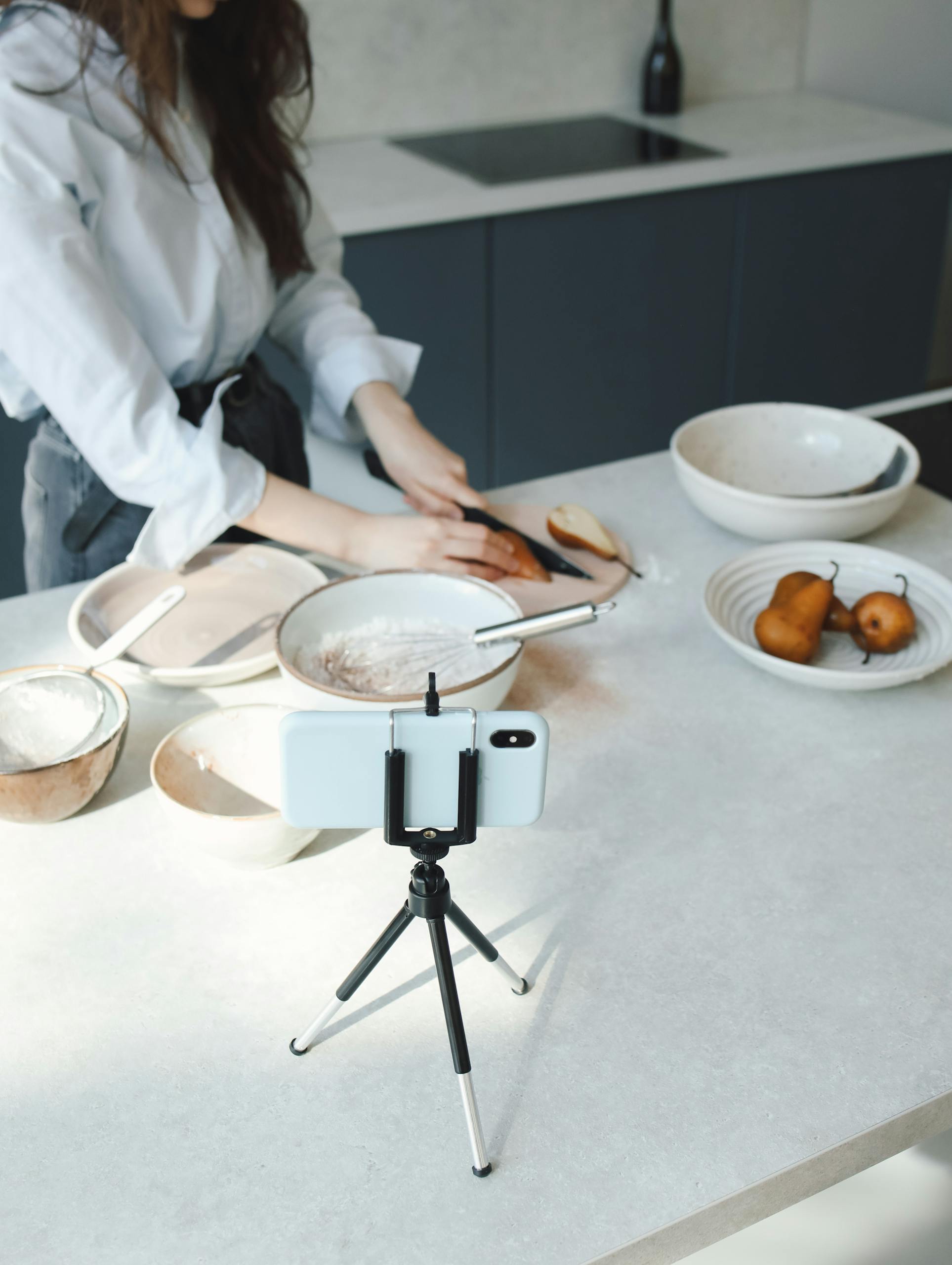
The kitchen counter looks harmless, but it is full of hidden phone hazards. Water, oil, flour, sauce, raw meat juices, coffee spills, and heat from appliances can all reach a phone faster than expected. A phone beside the sink can get splashed. A phone near the stove can overheat. A phone next to food prep can collect germs, then travel to the couch, bed, office desk, or your face. That creates a messy loop between food surfaces and daily touch points.
The kitchen is also where multitasking causes accidents. We glance at recipes, answer messages, watch videos, and move hot pans at the same time. One elbow bump can send the phone into the sink or onto tile. A smarter setup is to use a stand placed away from water and heat, or to keep the phone on a dry shelf while cooking. If we use the phone for recipes, washing hands before touching it is a small habit that prevents a lot of grime.
In Direct Sunlight
Direct sunlight is brutal on smartphones. A phone left on a patio table, beach towel, car dashboard, windowsill, or outdoor bench can heat up fast. Once the device gets too hot, it may dim the screen, slow down, stop charging, shut off, or display a temperature warning. Repeated heat exposure can shorten battery lifespan and make the phone feel less reliable over time. Heat is one of the quietest ways to age a device before its time.
Sunlight can also make the screen harder to read, which pushes brightness higher and drains the battery faster. If we are outside, the phone should stay in shade, a bag, a pocket away from body sweat, or a ventilated case. At the beach or pool, heat combines with sand, salt, and moisture, which makes the risk even worse. The rule is simple: if a spot feels too hot for your hand after a few seconds, it is not a safe place for your phone.
Under a Laptop, Books, or Heavy Items
A phone buried under a laptop, a stack of books, a couch cushion, a backpack load, or a pile of clothes can suffer from pressure and heat at the same time. Heavy items can press on the screen, camera bump, buttons, or charging port. A laptop adds even more risk because it gives off heat, especially during video calls, editing, gaming, or charging. When two warm devices sit against each other, neither one gets proper airflow.
This storage mistake also makes phones easier to lose. A device hidden under clutter can miss calls, vibrate against hard surfaces, or stay trapped while charging. If a cable bends under pressure, the charging port can loosen or collect debris. The best place for a phone is flat, cool, dry, visible, and away from heavy objects. A dedicated desk tray, stand, or charging station keeps the phone safer than letting it disappear under everyday clutter.
Conclusion
The worst places to keep a phone are usually the places that feel most convenient in the moment. Under the pillow, in the bathroom, inside the glove compartment, on the kitchen counter, in direct sunlight, or buried under heavy objects may save a few seconds, but those habits can quietly shorten the device’s lifespan and make daily use less comfortable.
A phone is expensive, personal, and constantly handled. Treating it with a little more care protects the battery, screen, hygiene, sleep routine, and overall performance. The best rule is simple: if a place is hot, wet, dirty, tight, unstable, or easy to forget, it is probably the wrong place to keep your phone.