America loves dogs loudly. We put them in sweaters, birthday hats, matching pajamas, family photos, back seats, shopping carts, and holiday cards. We call them our babies, our best friends, our emotional support, and sometimes the only sane member of the house.
Still, brain scans and behavioral research suggest a harsher truth lies beneath all that affection. Dogs may be paying closer attention to our lives than we realize, and modern American life often does not offer them the calm, steady world they need.
That is what makes the science both beautiful and uncomfortable. Dogs recognize voices, scents, tones, faces, routines, and emotional shifts with a sensitivity that can feel almost unfair. They do not live beside us as furniture with fur.
They live as alert, feeling animals trying to understand people who are often tired, distracted, rushed, angry, or gone for most of the day. The darker lesson is simple: dogs may love humans deeply, but humans often make that love harder than it should be.
Your dog may feel your stress before you explain it.
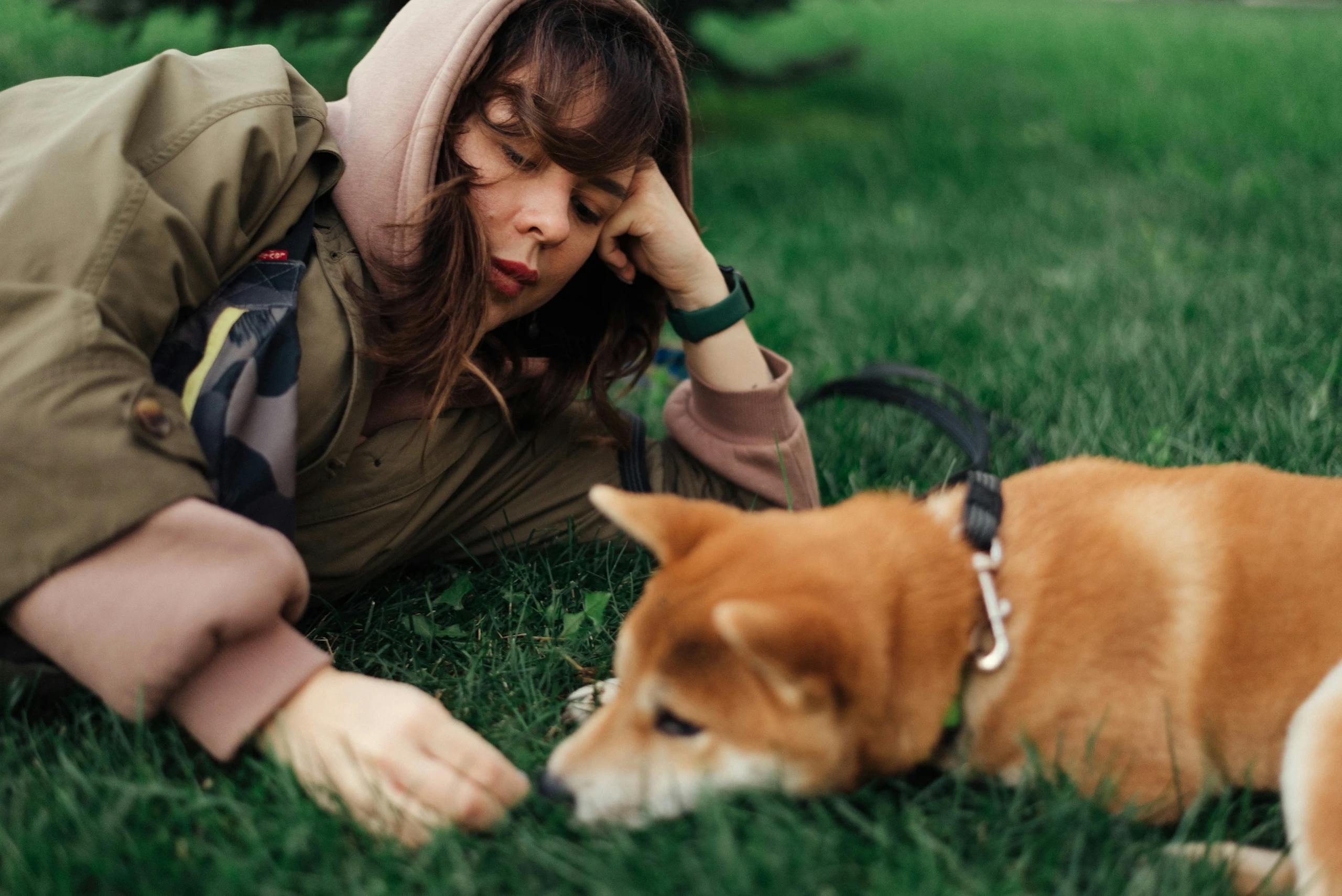
A dog does not need a family meeting to know the house feels wrong. The tense voice, the slammed cabinet, the heavy walk through the door, and the silent scrolling on the couch all become clues. Brain research has shown that dogs process human signals in complex ways, including tone and emotional cues, which means they are often reading the room before we even admit there is a problem.
That makes everyday stress less private than many owners think.
For American households stretched by bills, long shifts, remote work pressure, childcare, and constant notifications, the dog becomes an unwilling witness. They may not understand rent, layoffs, or grocery prices, but they can feel the emotional weather those pressures create. A stressed owner may think the dog is just needy. The dog may simply be trying to survive the storm without knowing where it came from.
Long Workdays Can Feel Like Abandonment
Many dogs live inside homes that look comfortable but feel lonely. The water bowl is full, the bed is soft, and the toys are scattered across the floor, yet the most important part of their world has disappeared for eight, ten, or twelve hours. For humans, it is called going to work. For some dogs, it can feel like the person they trust most has vanished again.
This is where the American routine becomes painful. Millions of households own dogs, but many owners are trapped in schedules built for productivity rather than companionship. A dog waiting by the door does not know about traffic, overtime, or a demanding boss. It only knows the sound of the key, the return of the familiar scent, and the emotional relief of not being alone anymore.
That Guilty Look May Be Fear Instead Of Guilt
The internet loves the guilty dog face. The lowered head, the wide eyes, the slow tail, and the frozen body beside a torn pillow or chewed shoe all make easy comedy. Humans see a tiny criminal. The dog may be showing something darker: fear, confusion, or nervous anticipation of punishment.
That matters because many owners still misread fear as proof that the dog “knows what it did.” A dog may connect the owner’s angry tone with danger without understanding the moral story humans attach to the mess.
The chewed couch may have started as a result of panic, boredom, or stress. The punishment that follows may teach the dog less about right and wrong and more about being afraid of the person coming through the door.
Yelling Can Hit Harder Than Owners Want To Admit

Dogs pay close attention to tone. That makes the human voice powerful, but it also makes it dangerous when used carelessly. A sharp yell may feel like a quick correction to the owner, especially after a long day. To the dog, it can become a blast of emotional noise from the person who is supposed to feel safe.
The painful part is that many American homes normalize yelling without calling it abuse. People shout over barking, over accidents, over jumping, over muddy paws, over frustration that was already there before the dog did anything. The dog absorbs the heat without knowing the full story. Over time, that fear can shape behavior in ways owners then label as stubborn, reactive, or badly trained.
Your dog may know your scent like home.
One of the most touching findings from canine brain imaging is that a familiar human scent can activate reward related areas in a dog’s brain. That sounds sweet at first, almost like scientific proof of the bond people already believe in.
Then it becomes heartbreaking. If your scent is tied to comfort, safety, and reward, your absence may be more emotionally loaded than you imagine.
This makes the hoodie on the chair, the bedroom door, and the laundry basket more meaningful. A dog isn’t being weird when it curls up in your clothes. It may be seeking the nearest version of you.
In a country where dogs are often left alone in apartments, crates, and suburban homes for long stretches, that familiar smell may become both comfort and reminder. The scent says you exist. It does not explain why you are gone.
Praise May Matter More Than We Use It
Many owners focus on control first. Sit. Stay. Stop. Drop it. Leave it. No. Bad dog. Yet studies on how dogs process speech suggest that praise can carry real emotional weight, especially when the words and tone match. That means encouragement is not just cute. It can be part of how a dog understands safety, approval, and connection.
The problem is that praise is often treated like an extra, while correction is treated like training. A dog may hear ten irritated commands for every warm “good job.”
The average American household can be busy, impatient, and loud, so good behavior often goes unnoticed because it is quiet. The dog lying calmly on the floor gets nothing. The dog barking at the window gets a reaction. That teaches more than owners realize.
Dogs May Understand Tone Before They Understand Words

A person can say “good boy” in a dead voice and “what did you do?” in a sweet voice, and a dog may be sorting through both sound and feeling. Research suggests that dogs can distinguish aspects of vocabulary and intonation, making human speech more layered for them than simple noise. They may not understand every sentence, but they are not missing the emotional music.
That should make owners more careful. Dogs live in homes full of mixed signals. A laughing owner may tease. A smiling owner may scold. A tired owner may give a command with no patience behind it. The dog has to decode all of it without the human dictionary. When the signals keep changing, confusion becomes part of daily life.
Lonely Apartments Can Quietly Wear Them Down
Apartment dogs often become symbols of modern pet life. They watch hallways, listen to elevators, bark at footsteps, nap through silence, and wait for the one person who makes the room make sense. Some handle it well. Others unravel slowly through barking, chewing, pacing, accidents, or shutdown behavior that owners mistake for laziness.
The sad part is that loneliness in dogs does not always look dramatic. It can look like sleeping too much, losing interest, licking paws, staring out windows, or exploding with wild energy when the owner finally returns. In cities where people work long hours and live in smaller spaces, dogs can become emotional prisoners inside attractive apartments. The rent is expensive. The view is nice. The animal is still alone.
Punishment Can Teach Fear Instead Of Obedience
A dog trained through fear may look obedient to the untrained eye. It moves carefully, avoids eye contact, freezes quickly, and stops behaviors when the owner gets angry. Some people call that respect. In many cases, it is just the fear of wearing a cleaner outfit.
Modern veterinary behavior guidance increasingly warns against punishment methods that cause fear, pain, or anxiety. That should challenge the old American idea that a “good dog” must be dominated into submission. Dogs do need structure, limits, and consistency, but fear can damage trust. A frightened dog may obey in the moment and still become more anxious, defensive, or unpredictable over time.
Your Phone Habit May Make Them Feel Ignored
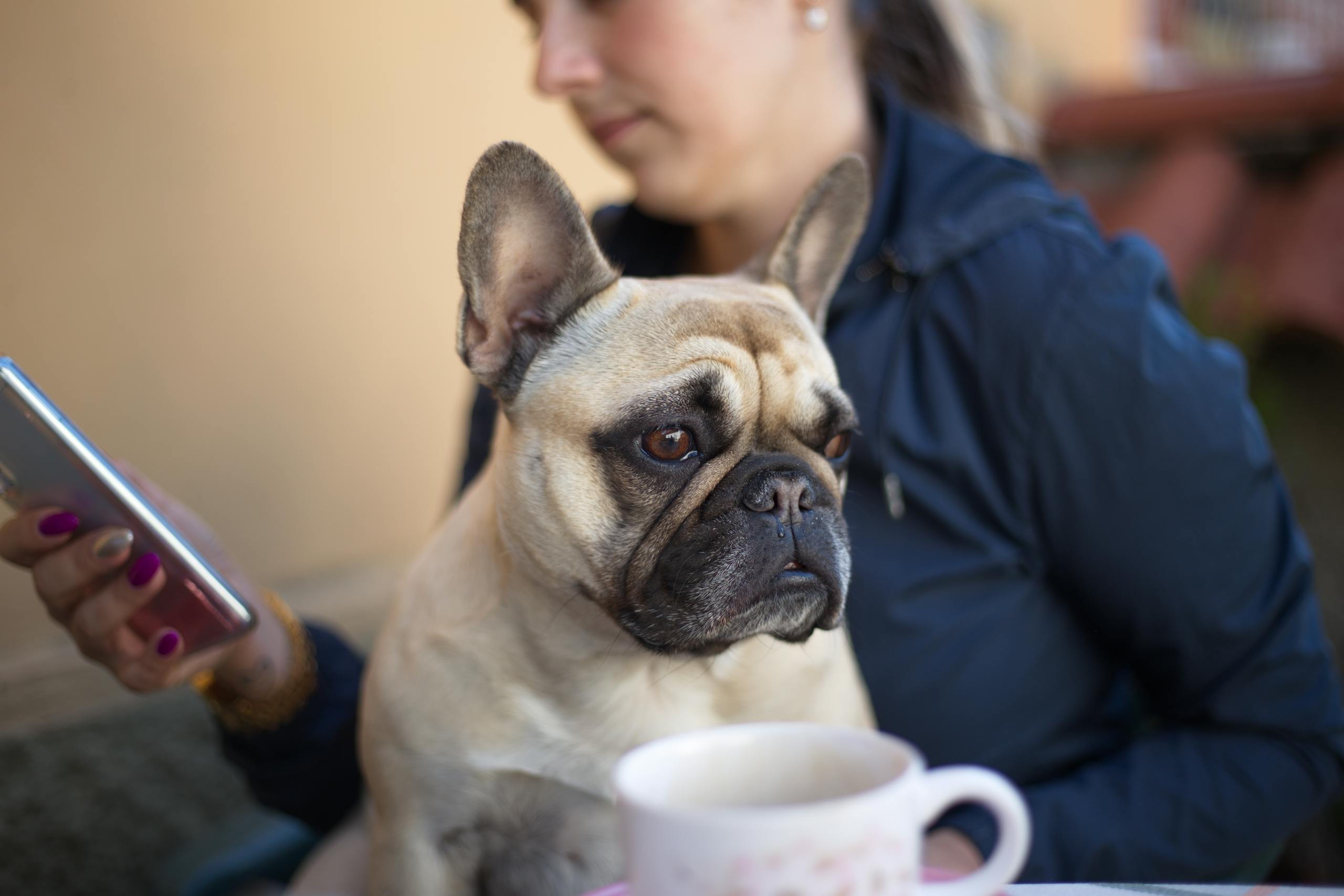
A dog may bring a toy, lean against your leg, stare at your face, or rest its head on your knee. The human response is often a half-touch with one hand and a phone in the other. To us, it is multitasking. To the dog, it may be another small failed attempt to connect.
This is one of the most American forms of neglect because it happens in rooms full of love. The owner is physically home but mentally somewhere else, pulled into work emails, social feeds, streaming apps, and group chats. The dog does not need a perfect life. It needs real moments of attention. Five focused minutes may mean more than an hour of distracted presence.
Conclusion
Dog brain scans do not prove that dogs think exactly like humans, and they do not turn every pet into a tiny person in a fur coat. They reveal something more useful and more painful. Dogs are sensitive, socially aware animals whose brains respond to the people, voices, scents, and emotional patterns around them.
That makes everyday ownership more serious than cute videos suggest. The dog waiting by the door is not just part of the décor of American life. It is a living mind shaped by the home we create, the tone we use, the time we give, and the stress we spill. The question is not whether dogs love us. The question is whether we are making that love feel safe.