Night has a way of making small worries sound louder. The house settles, the television goes dark, the phone stops buzzing, and the mind starts opening drawers it avoided all day.
For many older Americans, the fear is not always dramatic. It is the prescription refill, the rent increase, the shaky knee on the stairs, the adult child who sounds too busy, or the thought of needing help and not knowing who would come.
These fears are not always spoken about at family dinners or doctor visits. Many are hidden behind jokes, routines, pride, and the phrase, “I’m fine.”
Aging can bring wisdom, freedom, and perspective. It can also bring private worries that sit beside the bed long after everyone else has gone to sleep.
Running Out of Money Before Running Out of Life
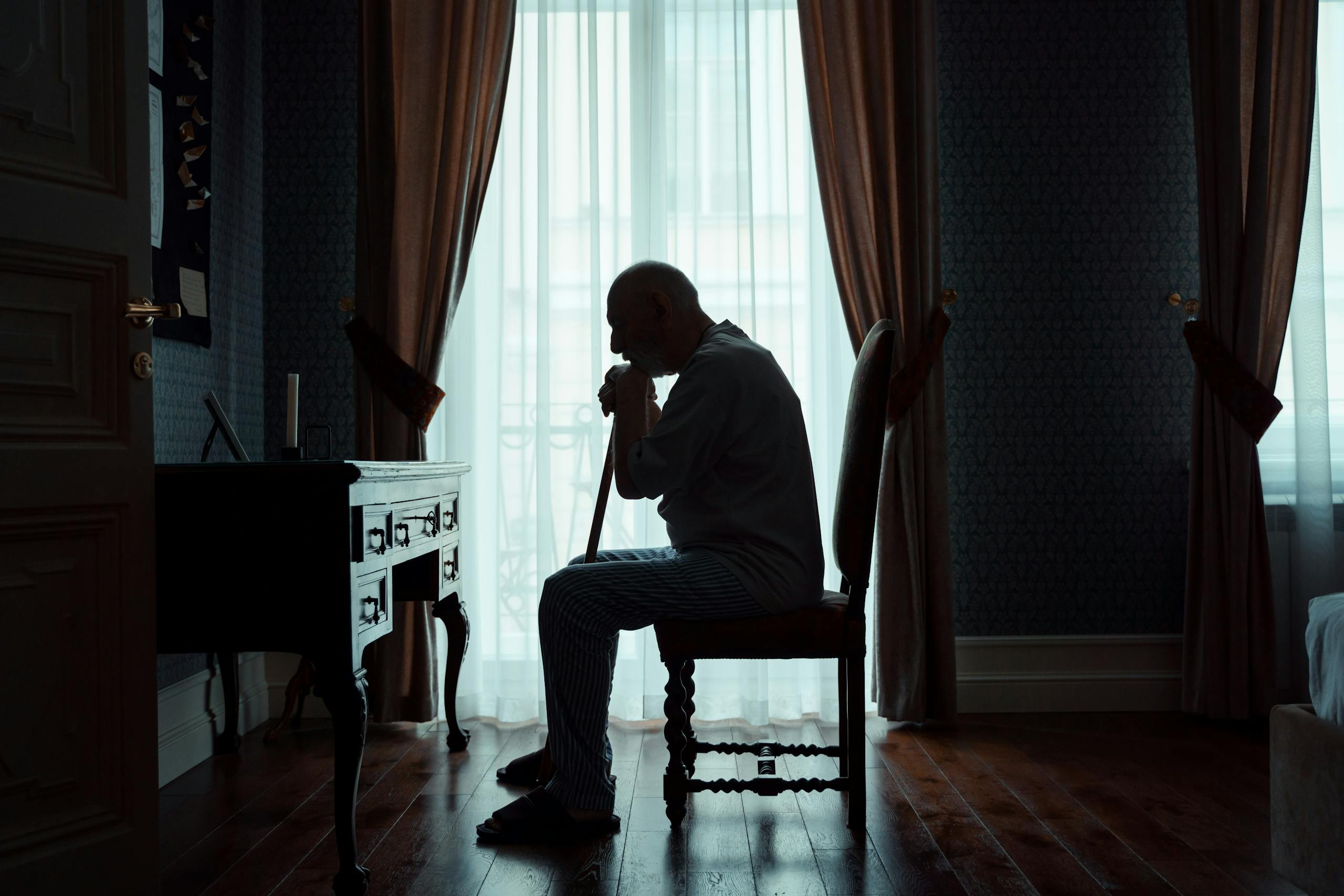
Money fear is one of the most common late-night worries. Retirement can sound peaceful in theory, but the math often feels less gentle when groceries, insurance, rent, taxes, repairs, and medicine keep rising.
Many adults over 50 worry about whether their savings will last, and some have no retirement savings. That makes retirement savings worry feel less like a personal failure and more like a national anxiety living inside ordinary homes.
Becoming a Burden to Their Children
Older parents may fear needing help more than they fear aging itself. They worry about asking adult children for rides, money, help with paperwork, home repairs, or care during illness.
This fear is often wrapped in love. Many do not want to interrupt careers, marriages, parenting duties, or already stretched budgets. So they wait too long, struggle quietly, and hope nobody notices how hard daily life has become.
Falling and Not Getting Back Up
A fall can change an older person’s sense of safety overnight. One slip in the bathroom, one missed step on the porch, or one dizzy moment in the kitchen can turn a familiar home into a place full of threats.
Falls are a major concern for older adults, and prevention is important because a single accident can affect independence, confidence, and mobility. The fear behind older adult falls is not only pain. The possibility that one ordinary moment could change everything.
Outliving Friends and Feeling Left Behind

There is a special loneliness that comes from surviving many people you loved. Friends move away, spouses die, siblings decline, neighbors change, and social circles shrink in ways younger people may not fully understand.
Loneliness is not just sadness with softer lighting. It can affect health, mood, memory, and daily motivation. When social isolation risks rise, an older person may not only miss company, but also feel lonely. They may begin to feel invisible.
Losing Independence One Small Thing at a Time
Independence rarely disappears all at once. It often fades through small losses. Night driving becomes stressful. Stairs become harder. Cooking feels tiring. Technology gets confusing. Medical forms become overwhelming.
That slow change can be frightening because it touches identity. Someone who spent decades raising children, working, serving, fixing, leading, or managing a household may struggle to admit they now need help with ordinary tasks.
Facing Care Costs They Cannot Control
Even people who planned carefully can feel shaken by the cost of care. Home aides, assisted living, nursing care, medication, transportation, and medical equipment can turn aging into a financial maze.
Many families do not realize how expensive support can become until a crisis forces the conversation. Looking at long-term care costs can be sobering, but it can also help families plan before panic makes every decision harder.
Having Medical Wishes Ignored or Unknown
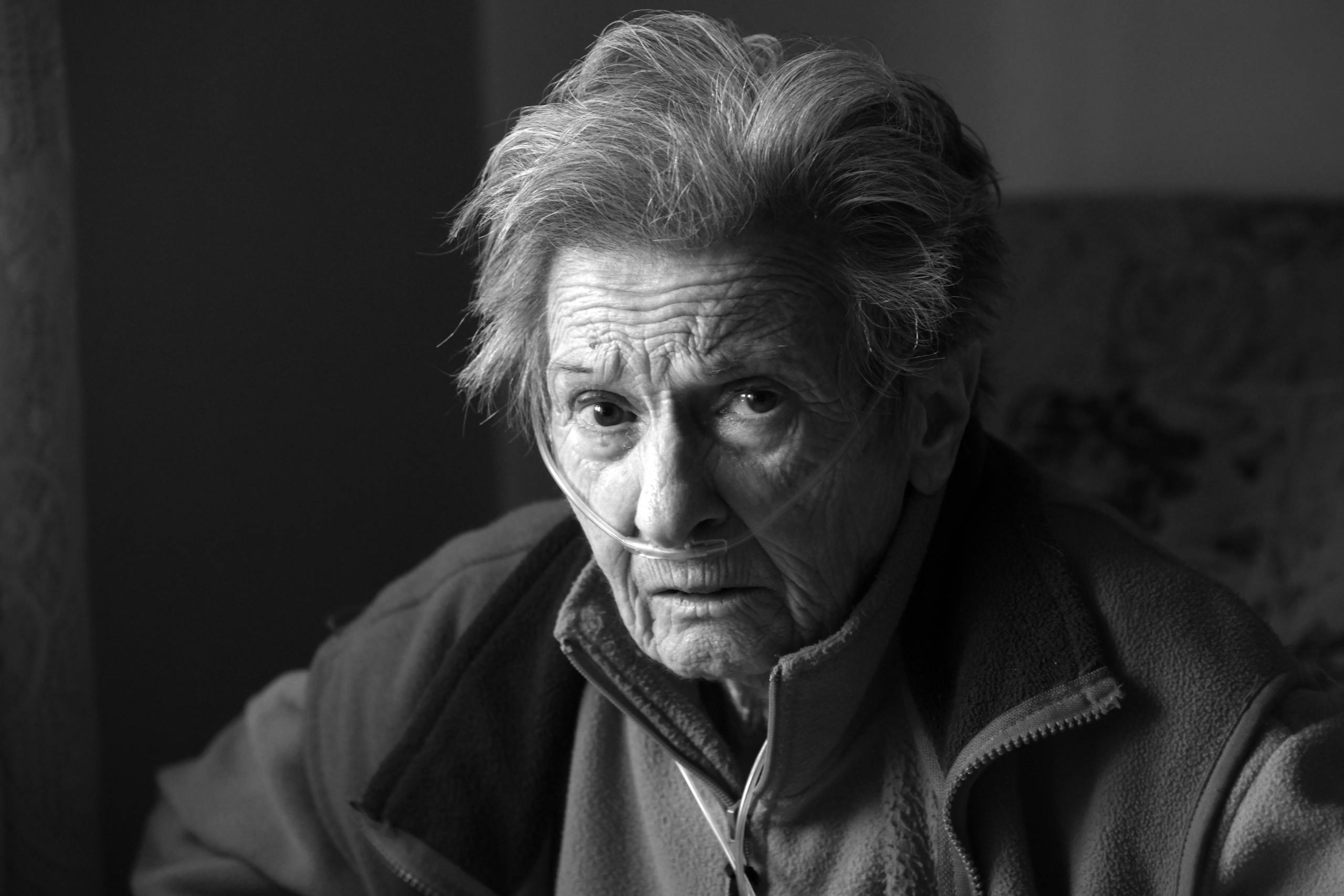
Older Americans may worry less about death itself and more about losing control over how their final medical decisions are made. They may fear machines, confusion, family arguments, or treatments they would not have chosen.
That is why clear conversations matter. Writing down wishes and naming someone trusted can protect dignity when illness makes speaking difficult. Good advance care planning gives a person’s voice a better chance of being heard.
Being Forgotten by the People They Raised
Few fears cut deeper than feeling forgotten by family. A missed call may be innocent. A postponed visit may be understandable. Still, repeated absence can start to feel like proof that the older person has become optional.
Many parents will not say this directly because it sounds needy. They may ask casual questions, stretch short calls, or mention small problems just to keep the conversation going. Underneath the small talk may be a quiet hope: please remember I am still here.
Key Takeaway
The quiet fears older Americans carry are not always loud enough to alarm the people around them. They often show up as hesitation, irritability, silence, repeated stories, unopened mail, skipped appointments, or a softer voice on the phone.
The answer is not pity. It is attention. Ask better questions. Visit before there is a crisis. Talk about money, care, health, driving, loneliness, and final wishes while there is still time to make choices calmly.
Aging should not mean becoming invisible. Sometimes the most loving thing a family can offer is not a grand gesture, but steady proof that no one has to face the dark alone.