The fitness app glow-up has started to lose its shine. Many Americans now want personalized fitness plans because the same old screen routine feels cold, crowded, and weirdly bossy. The phone can track your sweat, sure, but can it understand your sore knee, your messy schedule, and your complete hatred of burpees?
That is why more people now want fitness that feels human again. They want plans shaped around real bodies, real lives, and real moods. The shift says plenty about how tired people feel after letting apps run the show.
Generic Workouts Feel Too Robotic

Many fitness apps treat the body like a machine with matching parts. You open the app, tap a workout, and hope it fits your energy. That feels convenient until your body sends a very loud nope.
A personalized plan looks at how you move, rest, eat, work, and recover. It bends around your life instead of forcing your life into a digital box. Who wants a workout that acts like Monday morning traffic with abs?
Generic routines can also make people feel like failures. The app moves on, even when your body needs a slower pace. A real plan leaves room for progress without the guilt trip.
People Want Fitness That Fits Their Schedule
Life does not politely pause for a workout app. Kids need rides, meetings run late, dinner burns, and the laundry mountain starts judging you. A fixed app routine can feel useless when real life gets noisy.
Personalized fitness plans work better because they respect shifting schedules. They can turn a busy day into a shorter session without making it feel like a loss. That kind of flexibility feels less like discipline theater and more like actual support.
Many Americans now crave fitness that adapts instead of nagging. A plan that changes with your day feels easier to follow. Isn’t that the whole point of building a healthy habit?
The Motivation Feels Fake After a While
Fitness apps love cheerful reminders. They buzz, flash, celebrate, and scold like tiny gym teachers living in your pocket. Cute at first, but after a while, even the friendliest ping can feel annoying.
Real motivation usually comes from meaning, not notifications. People stay consistent when a plan connects to their goals, comfort, and confidence. FYI, a cartoon trophy does not always fix burnout.
Personalized plans can build deeper motivation because they feel more personal. They can focus on strength, energy, posture, mobility, or stress relief. That beats chasing badges that vanish from your mind by lunchtime.
Fitness Apps Can Ignore Real Body Pain
An app may ask how hard a workout felt. It may even offer a softer option when you complain. Still, it cannot truly watch your form or notice your shoulder rising, as if it has unpaid rent.
Pain changes everything in fitness. A sore back, tight hip, weak ankle, or old injury needs careful planning. Generic app workouts can push people into movements they should modify or skip.
That is one reason personalized plans feel safer for many users. They can include adjustments that protect the body while still building progress. Health should not feel like gambling with your knees.
The Advice Often Feels Too Trendy
Fitness apps chase trends because trends keep people clicking. One week it is intense cardio, then sculpting, then mobility, then some mysterious core challenge. Your body may just want steady training, but the app wants drama.
Trendy workouts can distract people from the basics that actually matter. Consistency, recovery, strength, movement quality, and food habits rarely look flashy. Still, they do more than a viral routine with a catchy beat.
Personalized plans help people tune out the noise. They focus on what suits the person, not what looks hot online. IMO, your fitness plan shouldn’t read like a gossip page with dumbbells.
People Are Tired of Paying for Confusion
Many apps look affordable at first. Then come upgrades, premium plans, special programs, meal tools, and locked features. Suddenly, the cheap app starts acting as if it went to private school.
A personalized plan can feel clearer because the path makes sense. You know what you are doing, why you are doing it, and how it connects to your goal. That clarity matters when motivation starts to wobble.
Confusion can drain energy before the workout even begins. People do not want endless menus and shiny promises. They want a plan that says what to do, when to do it, and how to keep going.
The Food Guidance Can Feel Too Shallow
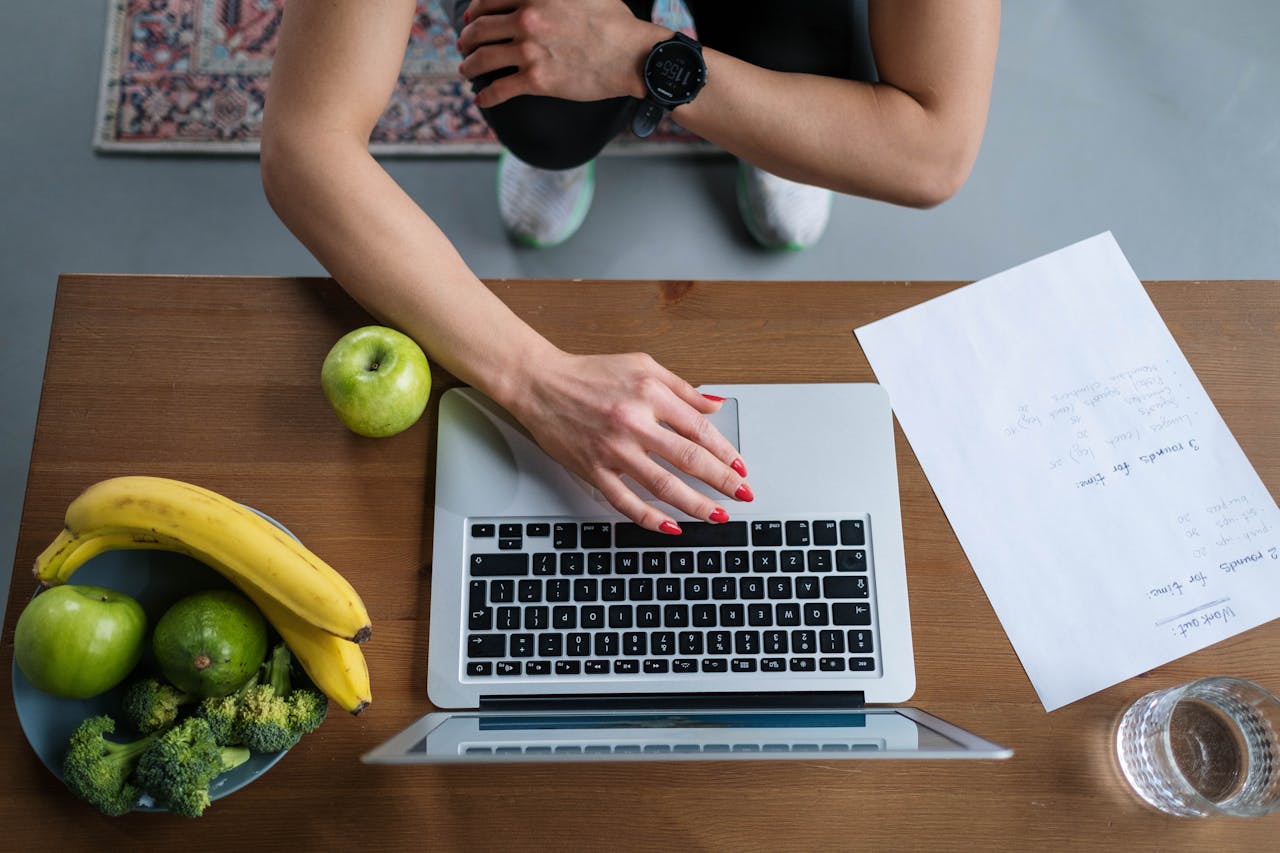
Fitness apps often toss in meal tips like a side salad nobody ordered. Some advice sounds helpful, but it may ignore culture, budget, appetite, cooking skills, and family habits. That creates pressure instead of progress.
Food is personal because people live inside their routines. A single person with a quiet kitchen has different needs from a parent feeding a full house. A personalized plan can respect that reality without turning dinner into a math exam.
Many Americans want wellness that feels livable. They want guidance that fits grocery bills, cravings, and normal evenings. Because honestly, who needs another app making rice feel like a moral crisis?
Privacy Worries Are Getting Louder
Fitness apps collect a lot of personal details. Users can share weight goals, location, sleep habits, eating patterns, and health notes without a second thought. Later, that can feel a little too intimate for comfort.
People now ask harder questions about where their data goes. They want to know who sees it, who profits from it, and how long it stays stored. That curiosity makes sense in a world where every app seems thirsty for details.
Personalized plans can feel more trustworthy when they involve direct guidance. The relationship feels clearer, and the user knows who is responsible for the information. Sometimes privacy feels healthier than another dashboard.
Social Comparison Is Exhausting

Some fitness apps add leaderboards, streaks, public challenges, and shared wins. That can motivate some people, but it can crush others quietly. Nobody needs their squat day compared to a stranger who apparently lives in leggings.
Comparison can make fitness feel like a public performance. People start chasing proof instead of progress. The body becomes a scoreboard, and joy slips out the side door.
Personalized fitness plans bring the focus back home. They help users measure progress relative to their starting point. That feels kinder, smarter, and way less exhausting.
Real Support Beats Digital Guesswork
An app can suggest workouts, but it cannot always understand hesitation. It does not hear the tired voice, see the poor form, or notice when someone feels discouraged. That gap matters more than people admit.
Real support can help people adjust before they quit. A personalized plan can change pace, explain choices, and build confidence through small wins. It turns fitness into a conversation instead of a command.
That human touch explains why Americans are ditching fitness apps for personalized plans. They want guidance that listens, not software that guesses. And yes, sometimes the best upgrade is fewer screens and more sense.
Conclusion
Fitness apps still have their place, especially for people who love quick access and simple tracking. They can help beginners get started and give busy users a place to start. Still, many Americans now want something warmer, smarter, and more connected to real life.
Personalized fitness plans speak to that need because they treat people like people. They respect pain, time, stress, food habits, privacy, and motivation. That kind of plan feels less like another app and more like a coach walking beside you.
The bigger lesson is simple. Fitness should support your life, not steal more space from it. When the app starts feeling louder than your own body, maybe it is time to choose a plan that actually listens.