A quiet block can change in seconds. One minute, someone is unloading groceries, walking a dog, or heading home from work. Next, the blue lights are flashing, neighbors are at the windows, and everyone is trying to figure out what happened.
That is when curiosity can become a problem. People step closer, raise phones, ask questions, touch things, or try to help in ways that feel harmless but may complicate the work.
Police and first responders need space, facts, and control at crime scenes. They are not only looking at what is obvious. They are trying to protect tiny details that can matter later.
The hard truth is simple. A person can mean well and still make a scene harder to understand.
Walking Too Close Just to See What Happened

Curiosity is human. When sirens stop near your home, store, school, or workplace, the first instinct is to look. But stepping too close can block responders, disturb evidence, or put you in danger.
Crime scenes are controlled for a reason. Investigators need to protect movement, surfaces, objects, footprints, and possible trace evidence. Staying back helps preserve crime scene integrity and keeps the area safer for everyone.
Touching Things Because They Look Important
People sometimes pick up a dropped phone, move a bag, close a door, or shift an object because they think they are helping. The problem is that the object may already be part of the story police are trying to read.
A crime scene can hold fingerprints, DNA, fibers, dirt, blood, glass, tool marks, and other small clues. Touching anything can change the scene before it is documented. If something looks important, point it out from a distance and let trained personnel handle it.
Posting Photos Before Families Know the Truth
A phone comes out fast when something dramatic happens. People film police cars, injured people, damaged property, covered bodies, crying relatives, or someone being questioned. Then the video reaches social media before loved ones even get a call.
That can be cruel, even when the person filming does not mean harm. A viral post can spread grief, rumors, fear, and false assumptions faster than officials can confirm basic facts. Some moments should be protected by decency before they become content.
Getting in the Way of Emergency Help
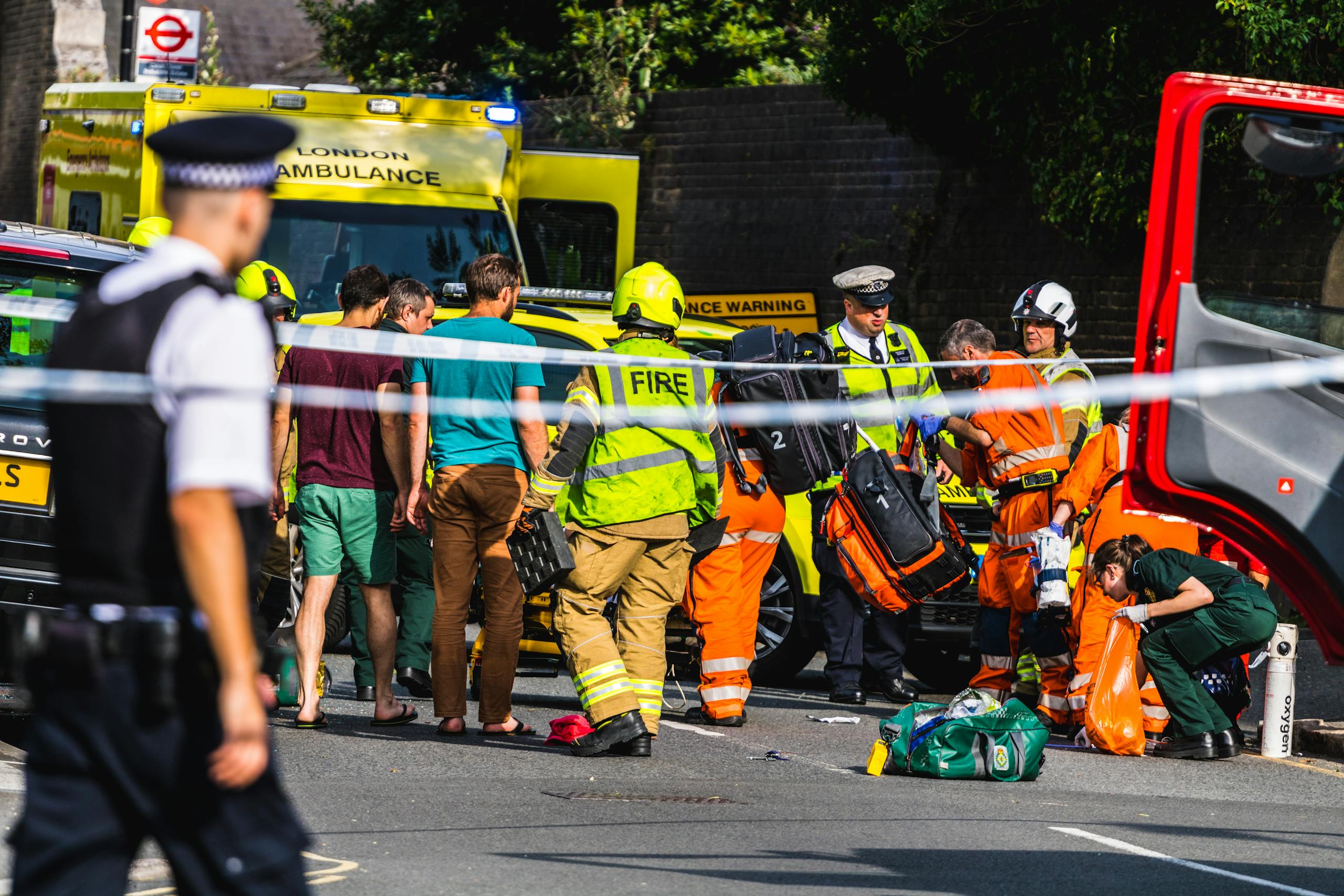
At a serious scene, seconds matter. Firefighters, paramedics, and officers may need space to reach a victim, carry equipment, move vehicles, block traffic, or secure danger. A crowd can make that harder.
Helping does not always mean rushing in. Sometimes the best help is to move back, stay calm, call 911, and give clear information. Emergency callers should be ready to describe their location so responders can arrive quickly and safely.
Moving Evidence to “Protect” It
Someone may see a weapon, wallet, shell casing, bag, shoe, tool, or piece of clothing and worry it could be stolen, damaged, or stepped on. The instinct to protect it makes sense. The action can still cause trouble.
Evidence is not only the object itself. Its position, direction, distance, surface, and condition may all matter. Crime scene guidance focuses on preserving physical evidence, so moving an item can erase part of the map that investigators need.
Arguing With Police While They Are Securing the Area
People get emotional at crime scenes. They may be scared, angry, grieving, confused, or worried about someone they love. Still, arguing with officers at the tape line can pull attention away from urgent work.
There is a time to ask questions, file complaints, give statements, or challenge treatment. The first chaotic minutes may not be that time. Calm cooperation can help responders focus on victims, safety, and evidence before the scene gets more complicated.
Repeating Rumors Like They Are Facts
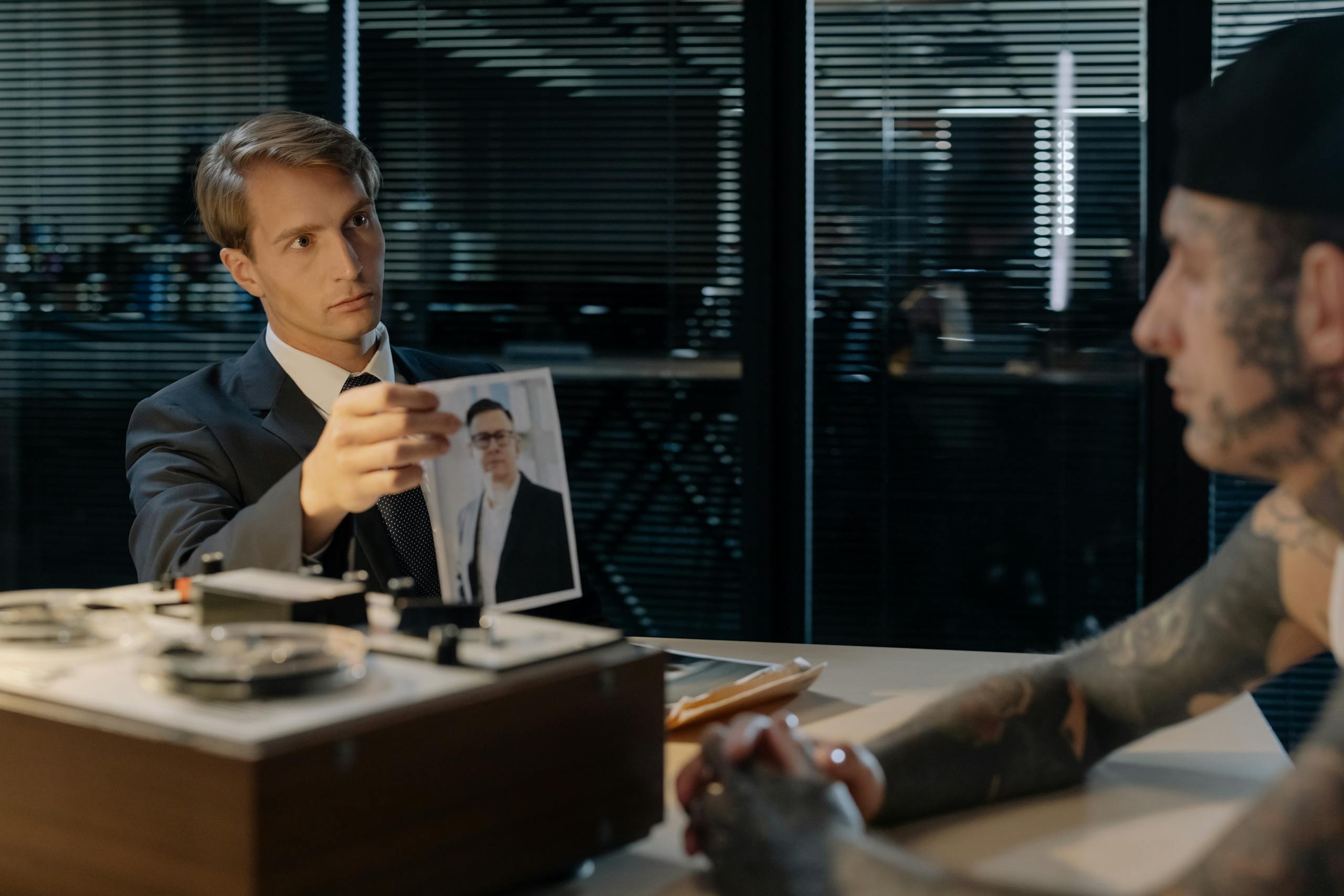
Within minutes, someone “heard” who did it, why it happened, where the suspect went, or what the victim was doing. Those details may come from fear, gossip, old grudges, social media, or pure guessing.
Rumors can damage innocent people and confuse witnesses. They can also make families suffer through false claims while they are already in shock. If you know something firsthand, tell the police. If you only heard it from someone else, avoid turning speculation into neighborhood news.
Filming So Closely That It Becomes Interference
People may have the right to record police in public places, but that does not mean they can stand anywhere they want. Recording from a safe distance is different from crossing tape, blocking movement, crowding officers, or stepping into an active investigation.
Even rights come with responsibility. General guidance on the right to record still points to the importance of refraining from interference. A useful recording should not make a dangerous moment more chaotic.
Leaving Before Giving a Helpful Statement
Some witnesses leave because they are scared, late for work, worried about getting involved, or convinced they did not see enough to matter. Yet small details can be valuable. A car color, direction, sound, clothing description, timeline, or odd behavior may help fill a gap.
You do not need to solve the case. You only need to share what you actually saw, heard, or experienced. Investigations often depend on ordinary people who noticed one small thing at the right time.
Key Takeaway
Crime scenes are fragile because the truth can depend on details most people would never notice. A footprint, phone, door handle, dropped item, passing vehicle, or short conversation may matter more than it seems.
The best thing ordinary people can do at crime scenes is simple. Stay back, stay calm, call for help, avoid touching anything, protect victims’ dignity, and share only what you truly know.
Curiosity is natural. So is fear. But in the first confusing minutes after something serious happens, restraint can be one of the most useful things a bystander offers.