America often flaunts glamorous cities, clean suburbs, and idyllic small towns. Yet there are places where daily life is a struggle against poverty, failing infrastructure, poor healthcare, and economic stagnation. These are communities where surviving, let alone thriving, demands grit, resilience, and sheer determination.
Living in these areas is not about personal weakness. It is about systemic challenges, environmental hazards, and decades of neglect. Here’s a look at ten of the harshest places in the U.S. where daily life can feel like a relentless fight.
Flint
Flint’s water crisis transformed everyday life into a gamble. Residents battled contaminated water while coping with decades of industrial decline, job loss, and crumbling neighborhoods. Trust in leadership vanished, and even basic tasks like cooking and bathing became daily sources of stress. The city’s resilience shines through, but the weight of systemic failure makes living here a relentless struggle.
Detroit
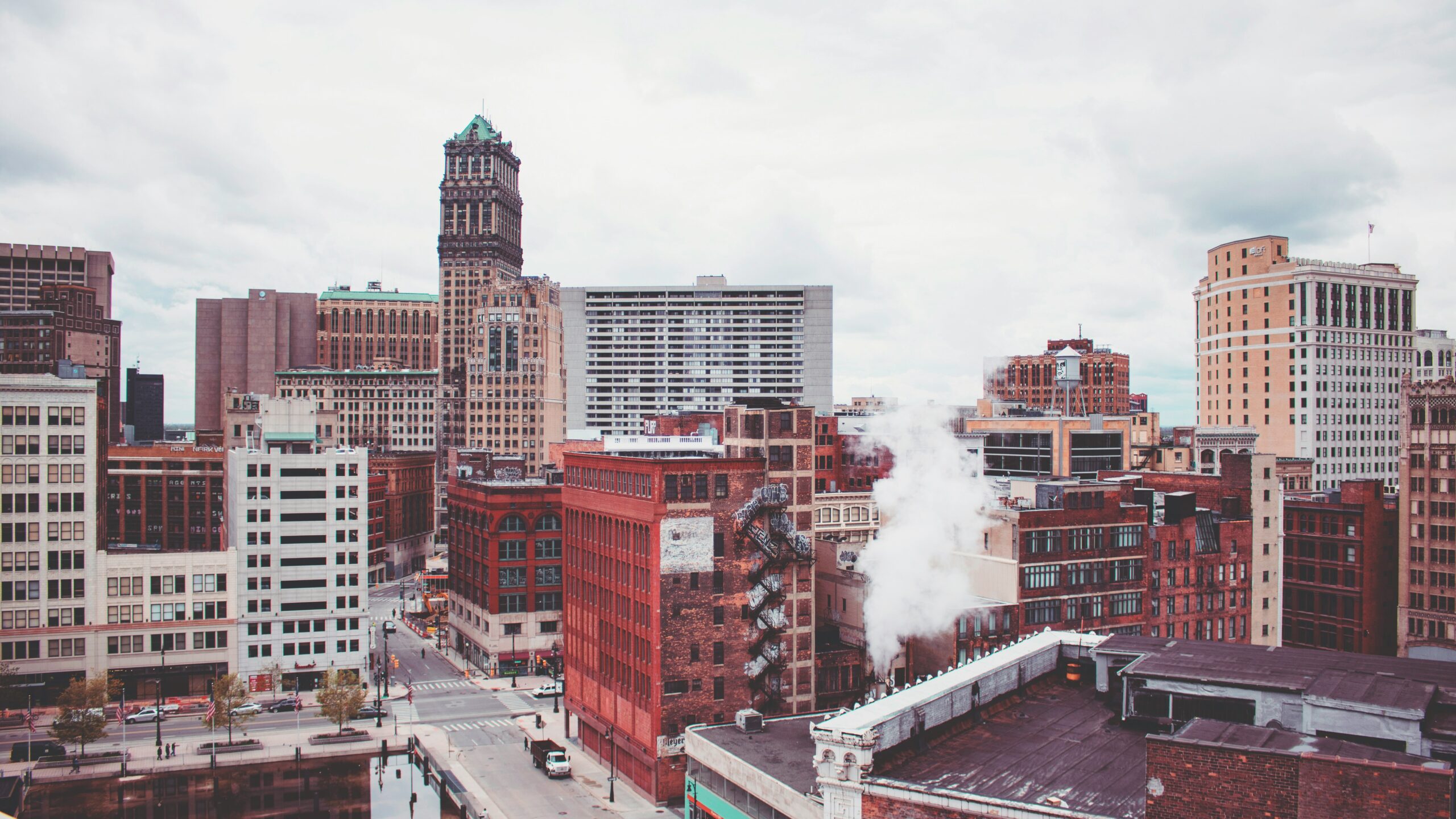
Detroit’s story is a harsh contrast between past glory and present struggle. Once a manufacturing powerhouse, the city now faces job scarcity, crime, and decayed infrastructure. Residents navigate abandoned buildings and unstable neighborhoods while still building lives, businesses, and communities. Survival here requires ingenuity, grit, and patience, often against enormous odds.
Camden
Camden is the embodiment of urban decay shaped by lost industry. Poverty is widespread, schools are underfunded, and public services barely function. Daily life demands navigating dangerous streets and scarce opportunities, with residents constantly balancing safety, work, and family. Despite its challenges, local communities fight to create pockets of hope amid systemic neglect.
East St. Louis
East St. Louis carries the weight of generations of hardship. Industrial closures left behind abandoned infrastructure, poverty, and limited public services. Life is a negotiation between scarce opportunities and persistent risks. Families must navigate unsafe neighborhoods and limited resources, making everyday life a complicated, high-stakes exercise in resilience.
McDowell County
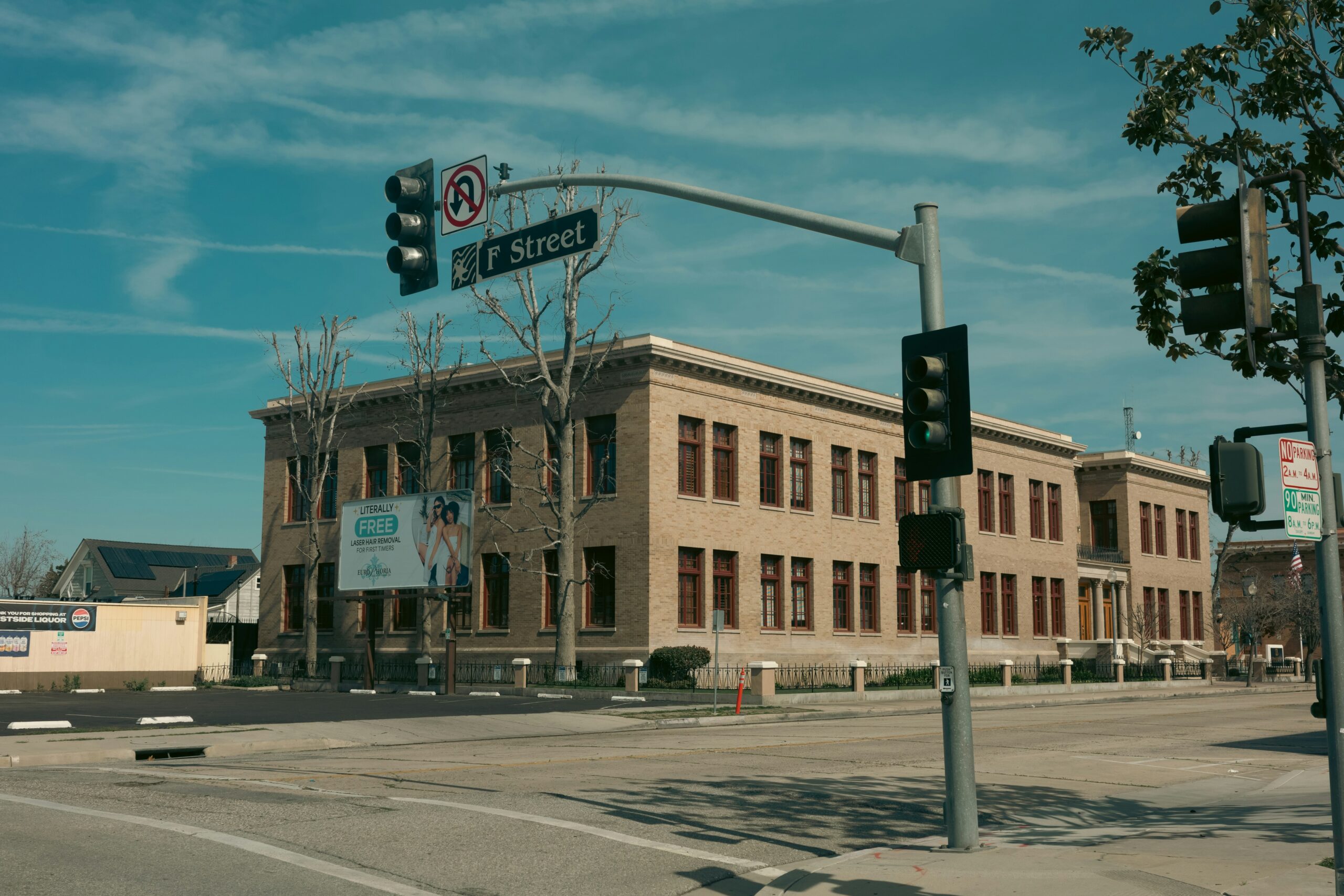
In McDowell County, economic collapse is compounded by geographic isolation. The decline of coal jobs stripped families of a steady income and community stability. Residents confront limited healthcare, few schools, and inadequate infrastructure, creating a constant cycle of struggle. Surviving here demands self-reliance and perseverance through daily hardships that outsiders can barely imagine.
Gallup
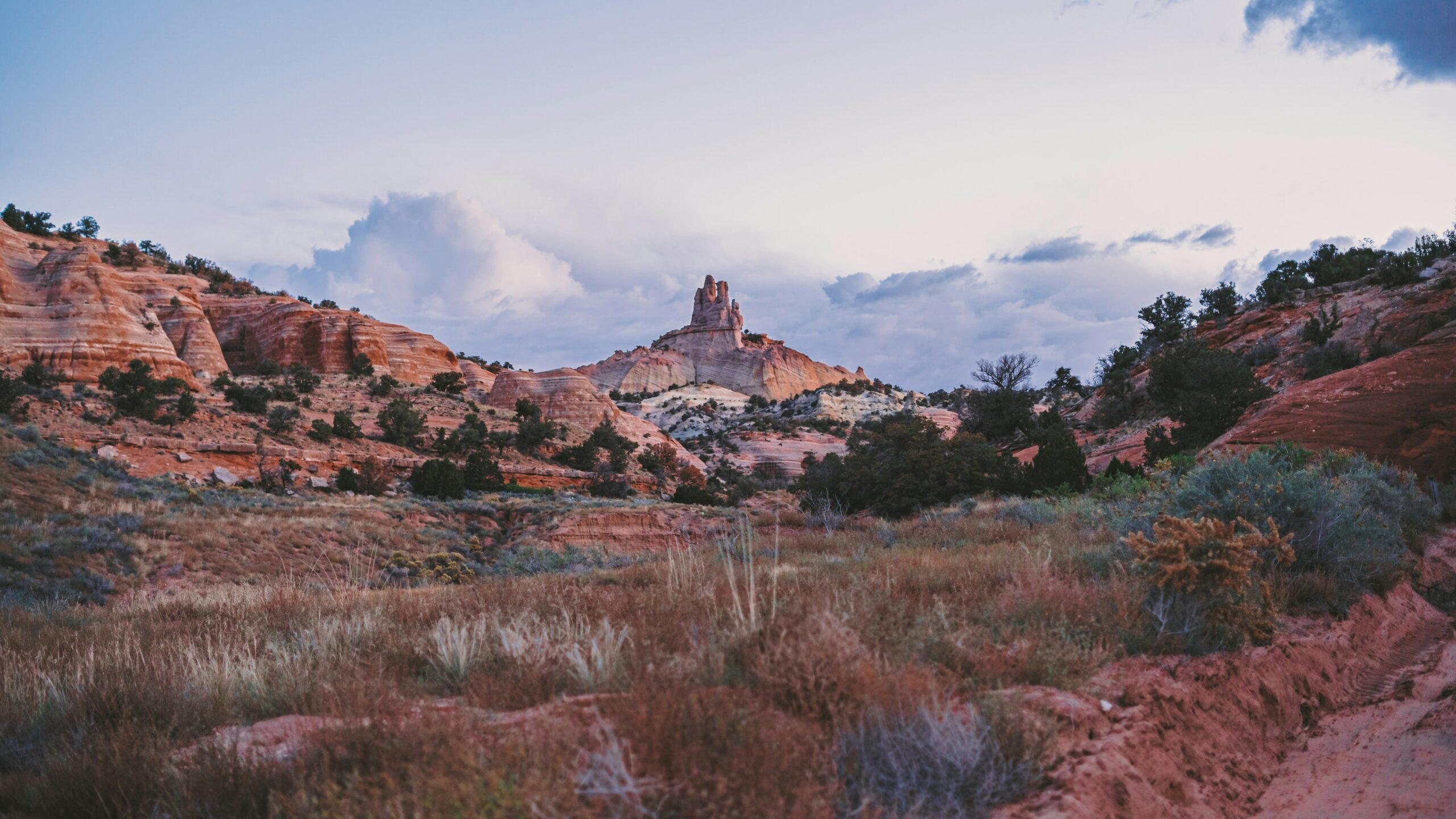
Gallup highlights the intersection of poverty and historical neglect in Native communities. High unemployment, limited healthcare access, and economic instability make daily life challenging. Seasonal work and underfunded services leave residents balancing survival with maintaining cultural identity. Life here is a mix of resilience and frustration as locals navigate systemic barriers daily.
Baltimore
Baltimore’s beauty and culture contrast sharply with neighborhoods plagued by poverty, crime, and infrastructure decay. While some areas thrive, many residents contend with unsafe streets, struggling schools, and unreliable services. Daily life is a careful negotiation between opportunity and risk, requiring constant vigilance and resilience to maintain safety, stability, and hope.
Bakersfield
Bakersfield combines economic instability with environmental hazards. Agricultural labor is low-paying and seasonal, while pollution levels consistently rank among the nation’s worst. Families contend with limited healthcare, intense heat, and long workdays, making every routine task harder. Survival requires endurance, planning, and a constant adjustment to both economic and environmental pressures.
Pine Ridge
Pine Ridge Reservation is a stark example of rural hardship. Poverty is pervasive, housing is inadequate, and access to healthcare and education is limited. Generations face systemic neglect while preserving cultural heritage and community ties. Living here demands resilience, resourcefulness, and a determination to navigate structural challenges that make daily survival a complex task.
Immokalee
Immokalee is dominated by seasonal farm labor with low wages and minimal job security. Housing is often substandard, healthcare access is limited, and advancement opportunities are scarce. Residents face long hours, environmental exposure, and constant economic pressure. Survival requires navigating unpredictable work, tight budgets, and systemic barriers while maintaining family and community stability.
Conclusion
These towns illustrate how systemic neglect, environmental hazards, and economic decline can make life extraordinarily difficult. Residents face daily challenges most Americans rarely experience, requiring strength, perseverance, and creativity. Yet despite harsh conditions, communities endure, build networks, and sustain culture. Recognizing these realities is essential to understanding the unequal landscape of American life and the resilience of those who fight to thrive amid adversity.