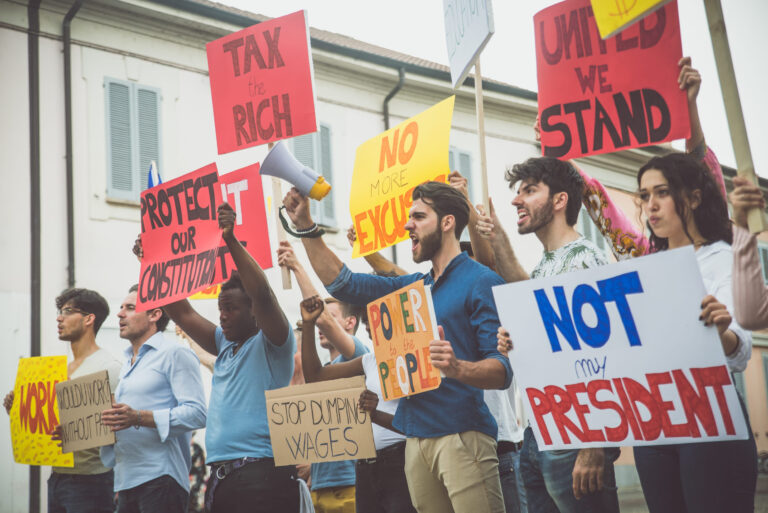
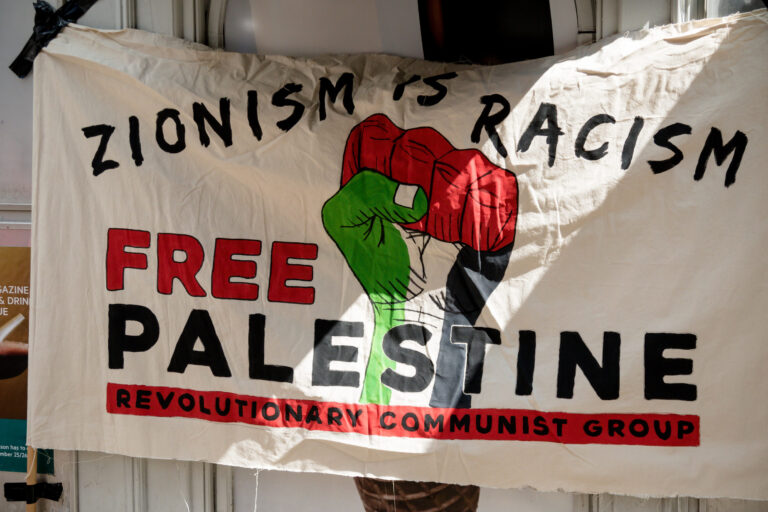
In the turbulent geopolitical landscape of 2025–2026, U.S. foreign policy has repeatedly sent mixed signals, revealing deeper contradictions between what American leaders say and what they do.
Whether through the use of military force during ongoing negotiations, selective defense commitments, or sharp cuts in humanitarian support, Washington’s actions often stand in stark contrast to its rhetoric. These patterns shape global perceptions of American leadership and strategic coherence.
U.S. Bombing of Iranian Targets Amid Ongoing Peace Negotiations
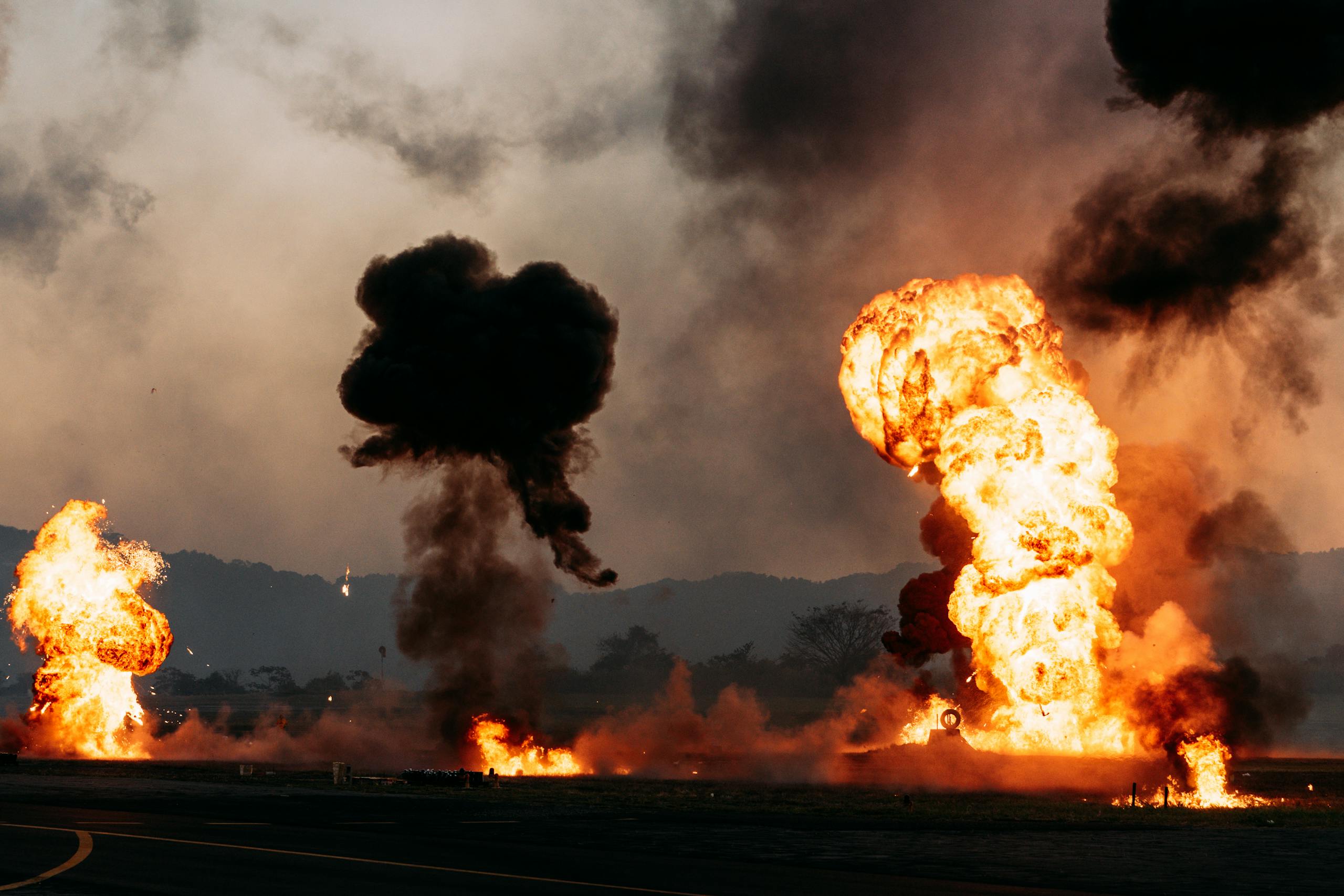
In May 2026, U.S. military forces carried out targeted strikes against Iranian missile sites and small boats near the Strait of Hormuz, even as high‑stakes ceasefire and peace talks continued in Doha and Islamabad.
Tehran condemned the strikes as violations of an existing ceasefire and accused Washington of acting in “bad faith,” complicating fragile negotiations aimed at ending the broader regional conflict.
Iranian negotiators have remained hesitant to make substantive concessions, in part because the mixed signals of diplomacy in Geneva and the bombs in Hormozgan have eroded trust.
Oil markets reacted sharply, with Brent crude briefly dipping below $100 a barrel as traders bet on a negotiated settlement, yet the blockade’s legacy continues to disrupt global energy flows and raise commodity costs.
The timing of these strikes, mid‑talks and mid‑ceasefire, highlights a persistent tension: Washington pursues high‑level diplomacy while retaining kinetic options to maintain leverage.
For regional capitals, this dual approach generates uncertainty about whether America’s priority is negotiated peace or maintaining a position of strength at any cost.
Engagement With China While Selectively Advancing Arms Transfers to Taiwan
Throughout 2025–2026, U.S. policymakers emphasized the need to stabilize strategic competition with Beijing, including ministerial dialogues aimed at reducing tensions in the South China Sea and exploring frameworks for coexistence.
At the same time, a delayed $14 billion arms package for Taiwan, previously approved by Congress, has worsened anxieties in Taipei and triggered criticism from Beijing.
Taiwanese officials continue to stress that reliable U.S. arms supplies are critical for deterrence amid increasing PLA (People’s Liberation Army) activity.
This contradiction of diplomatic engagement with China while halting or slowing major arms shipments to a key regional partner illustrates a recurring policy friction: balancing reassurance to allies with the risk of provoking counter‑escalation.
For U.S. regional partners like Japan and the Philippines, the message can appear muddled, weakening deterrence credibility.

Major Cuts to U.S. Global Health and Humanitarian Funding Despite Escalating Crises
In early 2026, the FY 2026 Consolidated Appropriations Act provided around $9.4 billion for global health programs, down roughly 6 percent from the previous year’s level.
This reduction came after a period in 2025 when the Trump administration enacted significant cuts to global health diplomacy and humanitarian assistance, including deep reductions to USAID and CDC global response units.
At the same time, global food insecurity surged, in part due to the ongoing U.S.–Israel conflict with Iran, which the UN World Food Program says has pushed 363 million people toward acute food insecurity worldwide. U.S. aid contributions to WFP also fell by more than half, compounding challenges in conflict‑affected regions.
The disparity between declining funding and rising global need, especially in humanitarian crises exacerbated by geopolitical instability, underscores an inconsistency between public rhetoric about global leadership and the actual levels of support allocated when costs rise.
This pattern risks undermining U.S. influence with international partners and humanitarian networks.
Blanket Foreign Aid Pause With Strategic Exceptions
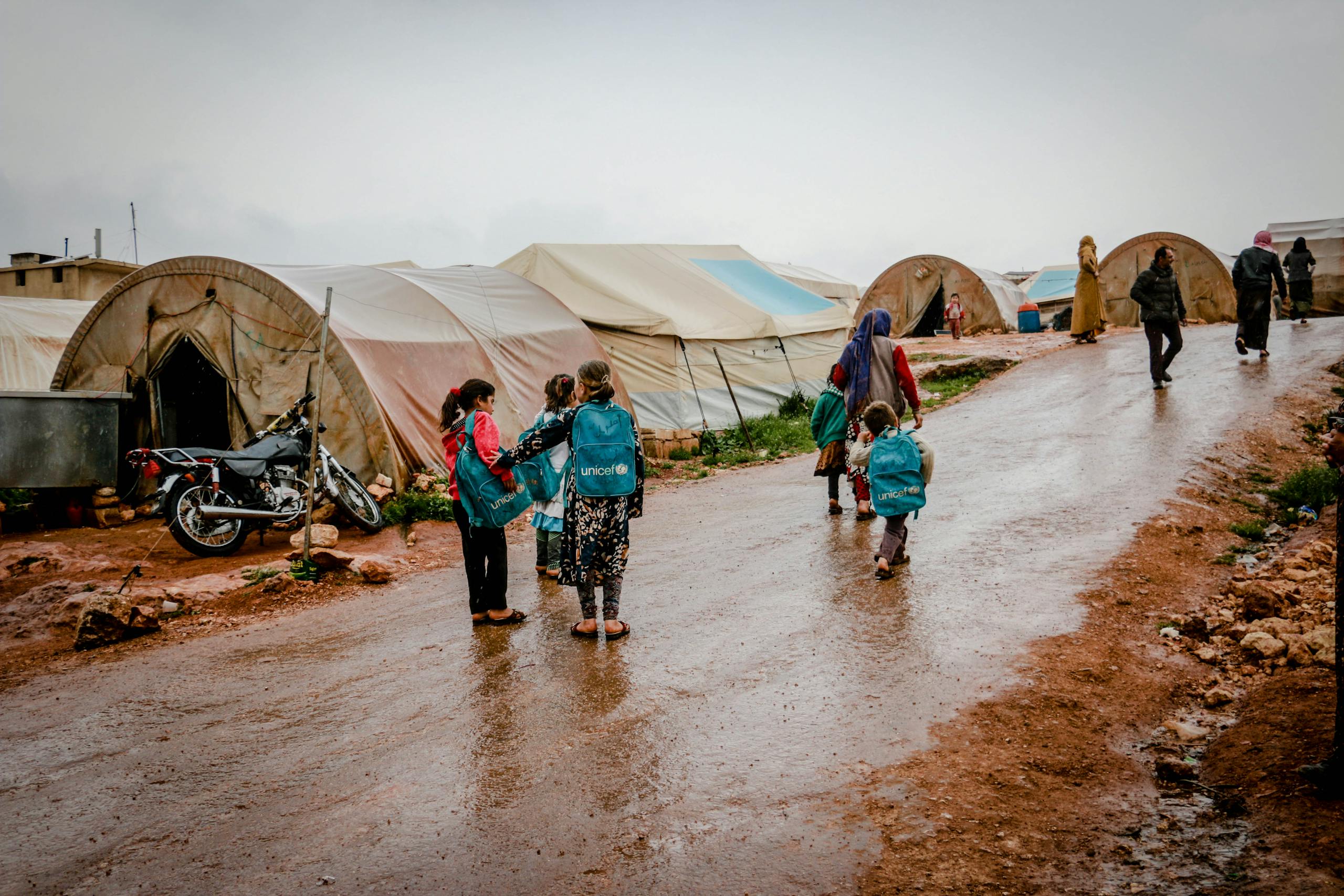
In early 2025, a 90‑day U.S. foreign aid pause was imposed pending a policy review. This directive effectively halted the issuance of most new foreign assistance grants, including health and development programs, as well as some defense programs, while carving out exceptions for allies such as Israel and Egypt, which continued to receive robust security assistance.
Analysts estimate that this pause, coupled with subsequent congressional appropriations, resulted in over 16 percent fewer foreign aid dollars in 2026 than in 2025, even as global instability increased.
This approach highlighted a clear prioritization hierarchy: strategic security interests were maintained or expanded, while broad humanitarian and development aid was reduced or frozen.
For countries in need of development assistance or public health support, the divergence between values‑based rhetoric and funding realities raises credibility concerns.
Unilateral Military Actions Criticized as Contrary to International Norms
Late in 2025, U.S. forces conducted strikes against suspected drug traffickers in Caribbean waters without clear multilateral authorization, drawing sharp criticism from France and other allies.
Officials in Paris stated that such actions “disregard international law,” posing risks to cooperative mechanisms like maritime security treaties. Critics argued that Washington’s unilateral use of force in this context starkly contrasts with its long-standing international advocacy for a rules-based order and multilateral cooperation.
When a global leader selectively applies international norms, insisting on law and cooperation in some contexts but not others, partners can perceive inconsistency, which weakens shared commitments and fuels diplomatic friction even within allied coalitions.

U.S. Alliance Management Shifts From Mutual Partnership to Strategic Levera
Recent analyses of transatlantic and Indo‑Pacific partnerships reveal a trend toward coupling diplomatic cooperation with economic and security conditionality.
European partners have noted that U.S. rhetoric about collaboration is sometimes paired with tariffs, compliance requirements, and implicit security threats, creating strains within NATO and other alliances.
This approach stands in contrast to traditional alliance frameworks, which are centered on shared commitments rather than on transactional leverage.
Such tactics complicate long‑standing policy narratives that liken U.S. alliances to mutual defense pacts grounded in shared values. When strategic leverage overshadows consultative partnership, allied coherence can erode, which adversaries may exploit.
Venezuela Operation Versus “America First” Nonintervention Rhetoric
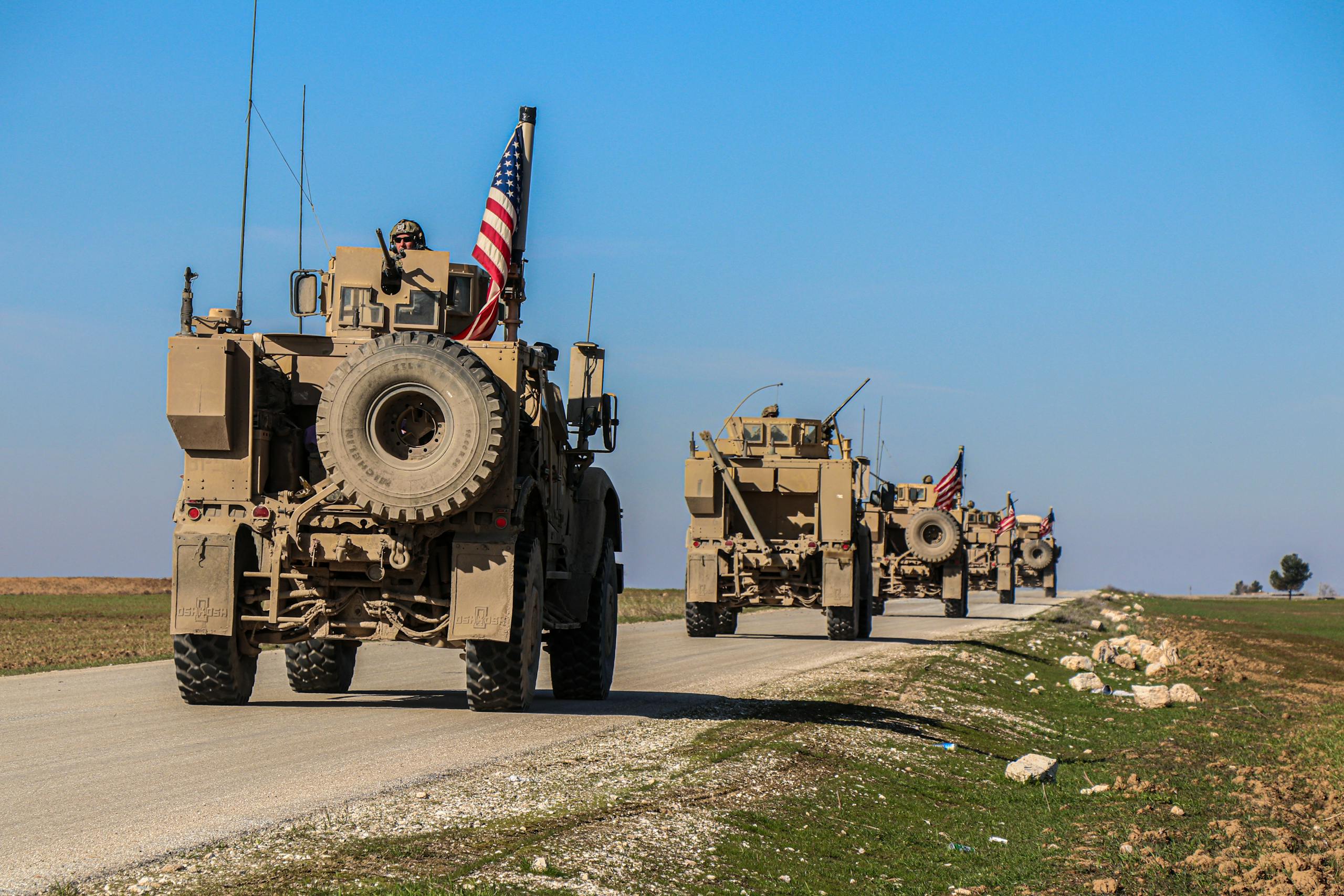
In 2025–2026, U.S. forces conducted operations resulting in the capture of Venezuelan President Nicolás Maduro and key network leaders tied to narcotics trafficking.
These actions followed years of “America First” policy rhetoric promising avoidance of foreign entanglements. The shift from non‑interventionist language to direct military engagement highlighted a contradiction between campaign‑style isolationism and real‑world strategic action when regional stability or security interests are deemed pressing.
This pattern demonstrates how rhetoric about reducing global commitments can give way to decisive action when security, migration, and economic pressures converge.
Support for Ukraine Versus Ambiguous Middle East Peace Strategy
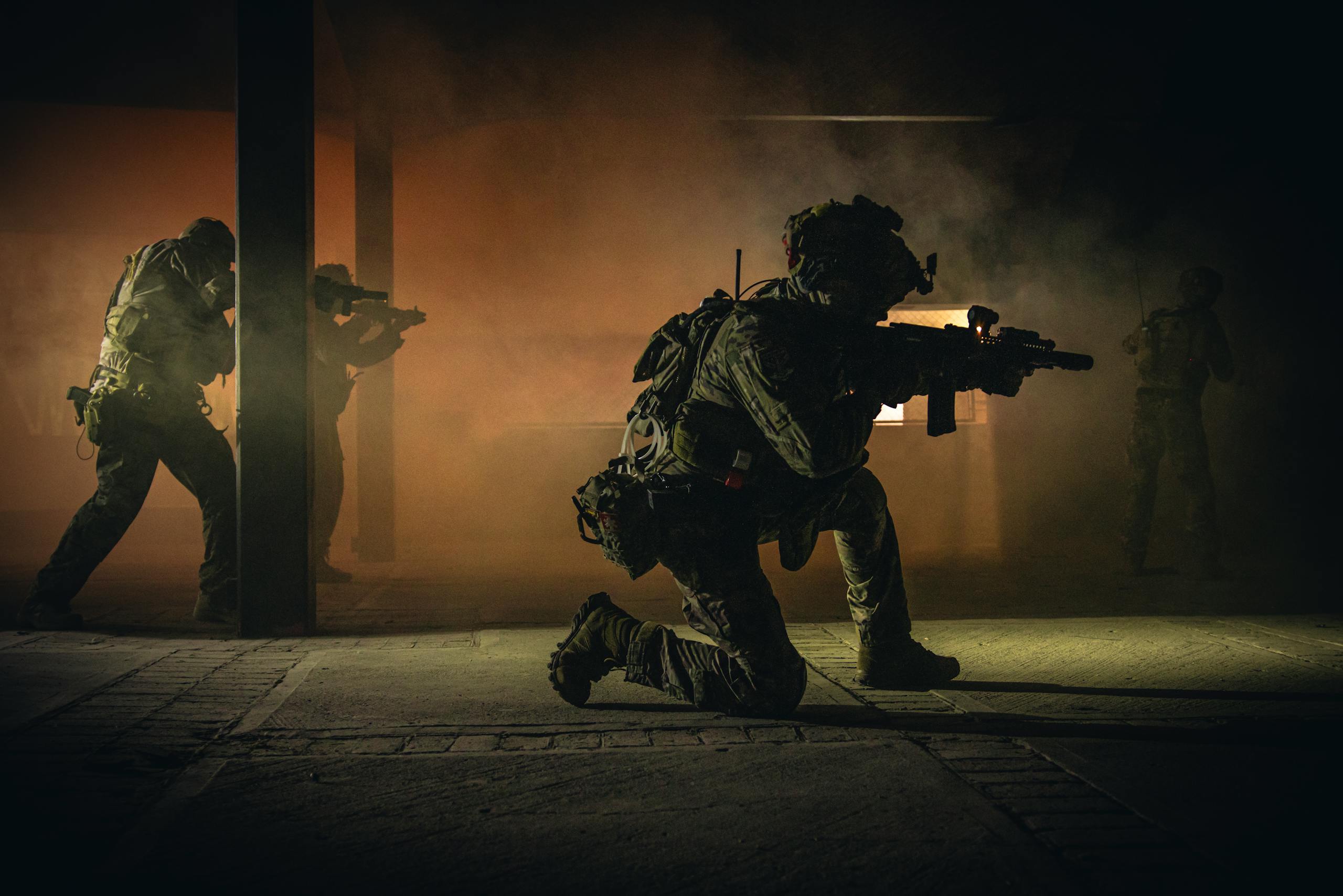
In contrast with the robust and sustained material support for Ukraine’s defense against Russia, U.S. policy toward the Israel–Palestine conflict and the broader Middle East has been comparatively ambiguous.
While Washington has provided weapons, funding, and diplomatic support for Kyiv, its stance in the Middle East, particularly regarding settlement activity and negotiated peace terms, has been more cautious and less prescriptive, leaving partners and critics to interpret the U.S. position as uneven.
This divergence complicates messaging on the equitable application of democratic principles and conflict-resolution norms, fueling international skepticism about where U.S. priorities lie.
Key Takeaways: What America’s Contradictions Reveal
• Mixed Signals in Practice: U.S. foreign policy often pairs diplomatic engagement with forceful action, leaving allies and adversaries alike to question America’s ultimate priorities.
• Strategic Interests Lead: When strategic, security, or economic interests are at stake, ideals like humanitarian support and multilateral cooperation are frequently subordinated.
• Credibility Gaps Grow: Selective application of international norms, enforcing them against some actors but not others, undermines Washington’s ability to lead consistently in global governance.
• Humanitarian Cost: Cuts to global health and humanitarian aid in the face of escalating crises have both real human consequences and symbolic impact, diminishing the moral authority of U.S. foreign policy rhetoric.
• Ally Confidence Strains: Transactional approaches to alliances emphasizing conditionality and leverage can weaken traditional partnership frameworks and open space for rival influences.
• Public Perception Matters: As global populations and governments observe these contradictions, perceptions of U.S. reliability and principled leadership may weaken, affecting cooperation on shared challenges like climate, health security, and conflict resolution.