Pet ownership has become a serious household expense, not a cute little side hobby. Americans spent about $158 billion on pets in 2025, and the U.S. pet industry is projected to reach $165 billion in 2026, so families are clearly still choosing companionship even as prices bite harder.
That is exactly why cheap pets deserve a smarter conversation. We do not need to pretend every household has room for a Labrador, a cat tree, grooming bills, pet insurance, and surprise veterinary costs that arrive like a villain in the final act.
Affordable pets can still bring personality, routine, beauty, curiosity, and even small forms of “protection,” such as pest control, alert sounds, and calming daily structure. The trick is choosing a pet whose real care needs match the budget after the first purchase, not just the price tag in the store.
Betta fish
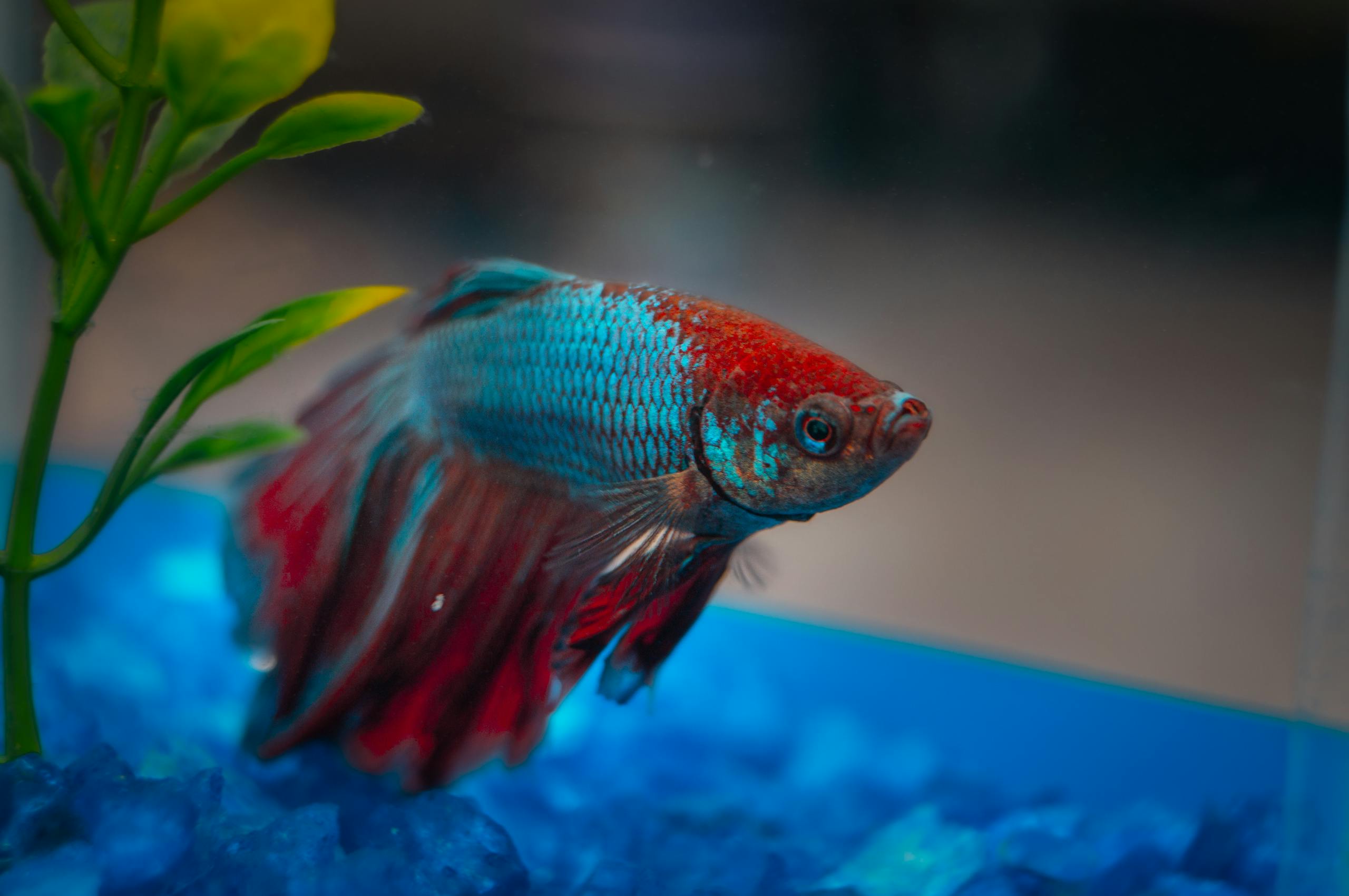
A betta fish is one of the best cheap pets for people who want color, movement, and calm without needing a large living space. Bettas look dramatic enough to feel fancy, but they do not need the same setup as a large aquarium community. Their flowing fins, jewel tone colors, and bold personalities make them feel more interactive than many people expect from a fish.
The common mistake is keeping a betta in a tiny bowl and calling it “easy.” That is cheap in the wrong way. RSPCA guidance says Siamese fighting fish tanks should ideally hold 20 liters or more, with 10 liters as the absolute minimum, because small bowls do not give enough room for normal activity.
We should budget for a small filtered tank, a heater, a water conditioner, hiding spots, and proper food. Once the tank is stable, the daily routine stays simple. Feed lightly, monitor the water, and avoid putting two male bettas together. A betta suits a dorm room, bedroom, home office, or apartment corner where a larger pet would feel like too much.
Guinea pig
A guinea pig is the budget-friendly pet for people who want warmth, sound, and personality without the size of a rabbit or the expense of a dog. These little animals chirp, squeak, whistle, rumble, and make enough noise to convince a child that the pet is holding a tiny town hall meeting. They are also gentle when handled properly, which makes them appealing for families with older children.
The cost stays reasonable, but guinea pigs need space, bedding, hay, vegetables, companionship, and vitamin C. The Merck Veterinary Manual notes that guinea pigs need daily vitamin C because they cannot make enough on their own, with a common baseline of at least 10 mg per kilogram of body weight per day.
We should also avoid keeping one lonely guinea pig and assuming people can fully replace another guinea pig. RSPCA guidance says guinea pigs are social animals and should be kept in groups of at least two compatible individuals. The “cheap” version of guinea pig ownership is not one pig in a tiny cage. It is a proper pair in a clean, roomy habitat with predictable food and gentle handling.
Pet rat
Rats deserve a better publicist. Many people hear “rat” and imagine alleyways, trash cans, and chaos. Pet rats, raised and handled well, can be affectionate, clever, clean, curious, and surprisingly people-focused.
They are inexpensive to buy, but they need a proper cage, bedding, hiding areas, chew-safe toys, and time outside the cage in a safe room. RSPCA guidance describes rats as social animals that need the company of at least one other rat, along with the right environment, mental stimulation, and care.
A rat is a stronger choice than a hamster for some owners because rats often enjoy interaction and learn routines quickly. We still need to respect their size, speed, teeth, and need for supervision. A pair of same-sex rats can be a smart, low-cost option for someone who wants a small pet with a big brain.
Canary
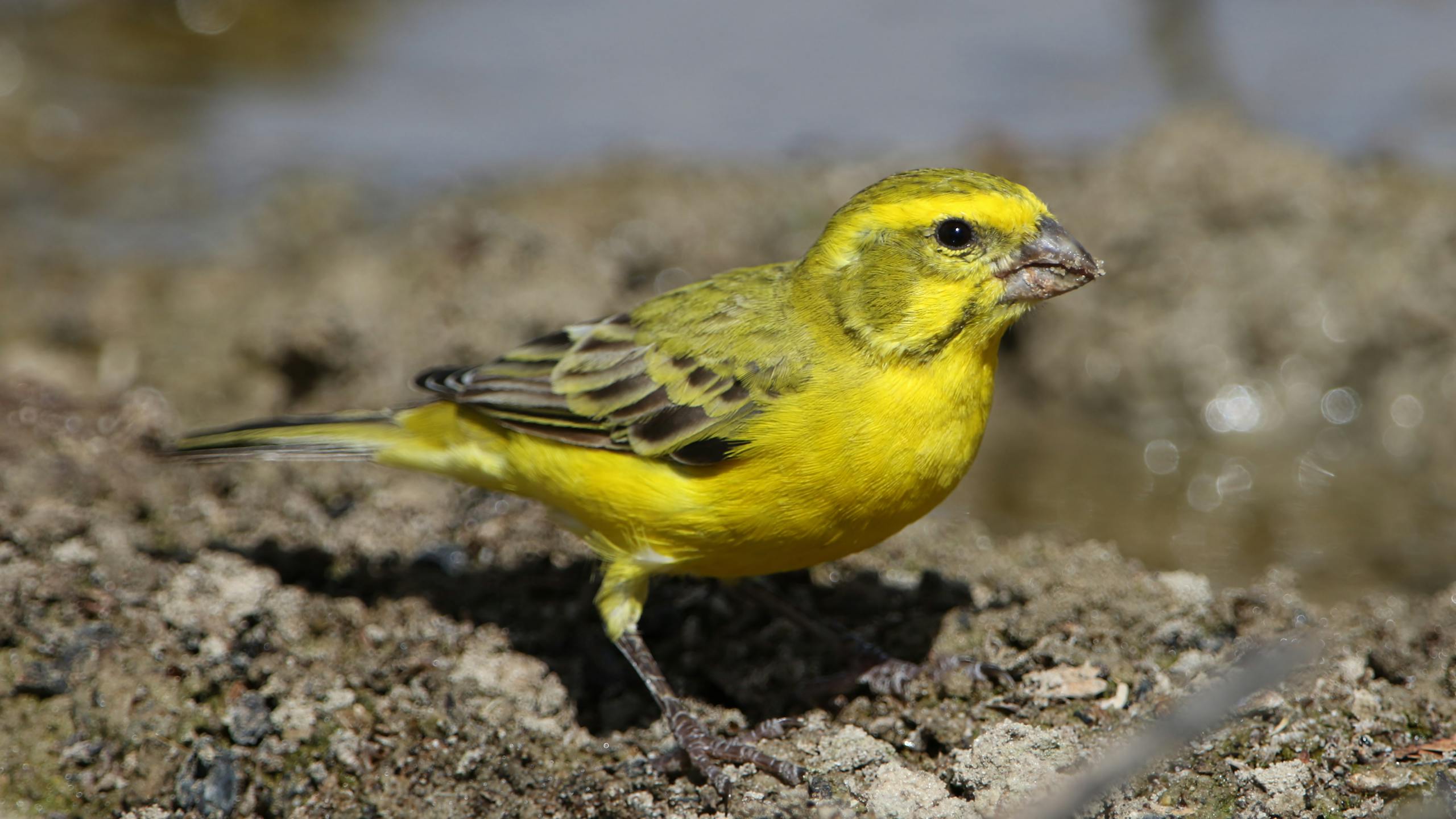
A canary gives us one of the most charming bargains in the pet world: music without a playlist. Male canaries are especially known for singing, and their presence can make a room feel brighter without demanding constant handling. For apartment dwellers who want a pet but cannot manage fur, litter boxes, daily walks, or a tank, a canary can make practical sense.
The upfront cost usually comes from the cage, perches, food cups, toys, and safe placement. We should not treat a birdcage as storage with wings inside. Birds need stimulation, clean food and water, and enough room to move.
Canaries fit people who enjoy observing more than cuddling. They are not emotional support teddy bears with feathers. They are delicate birds with specific needs. Still, for the right household, they offer beauty, routine, and a natural alarm clock that sounds far better than a phone buzzing at 6 a.m.
Leopard gecko
A leopard gecko is a strong beginner reptile for people who want a quiet pet with a little prehistoric attitude. It does not bark, shed fur on the couch, or demand a walk in the rain. It mostly wants the correct heat, safe hides, clean water, suitable substrate, and live feeder insects.
The main cost comes before the gecko arrives. We need a secure vivarium, a heat source, a thermostat, hides, food dishes, calcium, and live insects. RSPCA guidance says leopard geckos need a relatively dry environment, usually around 30% to 40% humidity, plus a humid hide for shedding.
The leopard gecko is cheap only for owners who set up the habitat correctly from day one. A bad setup can lead to shedding trouble, stress, burns, or veterinary bills. We should also remember that reptiles can carry Salmonella, and the CDC advises careful hygiene around reptiles and amphibians.
Hermit crab
Hermit crabs look like the ultimate easy pet because they are small, inexpensive, and quiet. That impression can trick people. A hermit crab needs a warm, humid, properly prepared habitat with safe substrate, fresh freshwater, water, spare shells, and places to hide.
Their biggest appeal is their strange little lifestyle. Watching a hermit crab change shells feels like witnessing a tiny real estate drama. One shell becomes too small, another looks promising, and suddenly the crab is moving house at midnight with no paperwork.
We should avoid painted shells, poor humidity, shallow substrate, and lonely setups. Hermit crabs are social and often do better with companions, but more crabs mean a larger habitat. They can be cheap and fascinating, but only when we stop treating them like beach souvenirs.
Degu
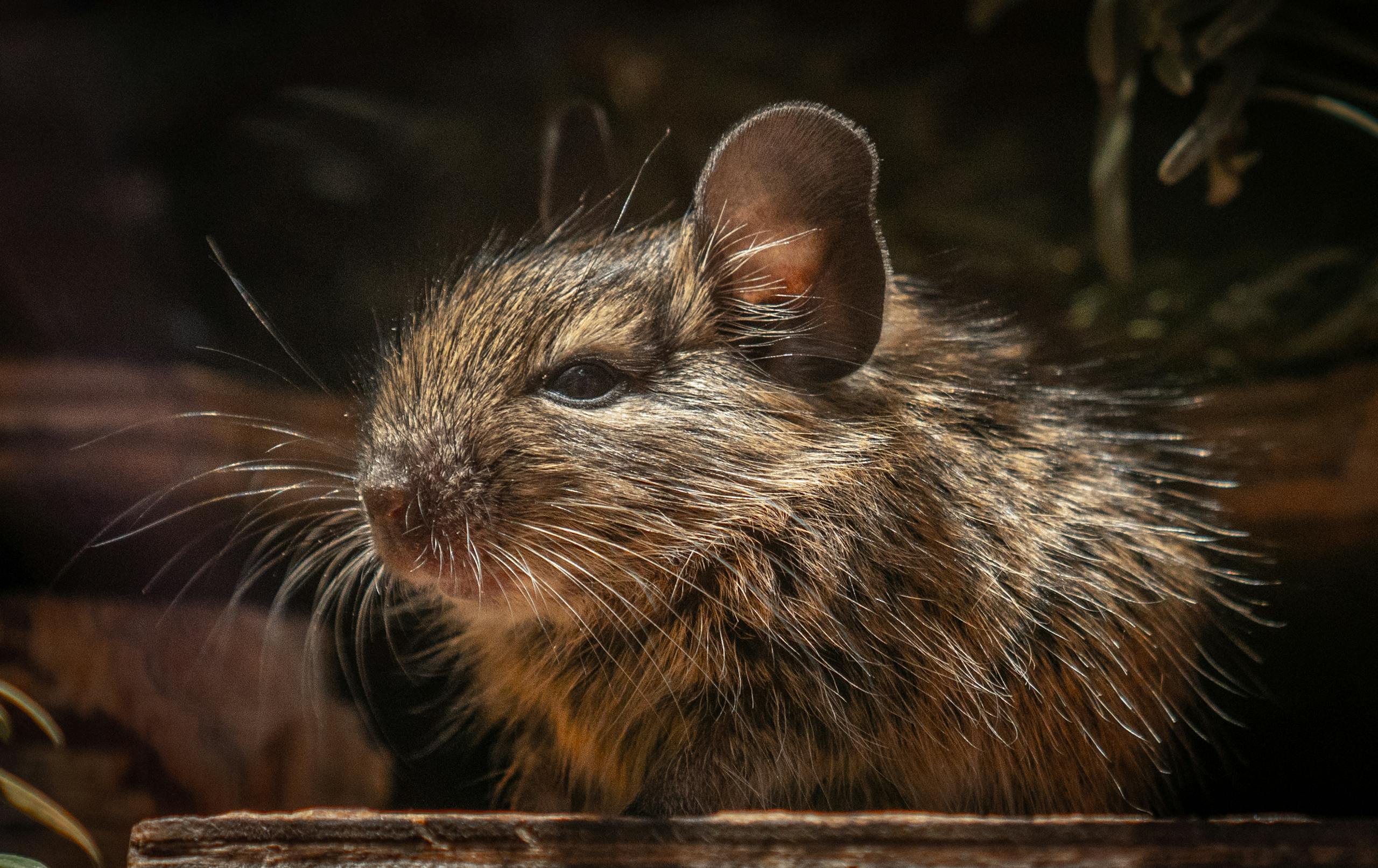
A degu looks like a cross between a gerbil, a chinchilla, and a tiny motivational speaker. It is active, social, and entertaining, which makes it a good fit for owners who want more movement than a guinea pig but less chaos than a ferret. Degus are not as common as hamsters or guinea pigs, so we should check local availability and care requirements before buying.
The real expense sits in the cage. Degus need room to climb, chew, explore, and interact. A small cage will turn a “cheap pet” into a stressed pet very quickly. They also do best with another degu, so we should plan for at least two compatible animals.
A degu suits someone who enjoys watching behavior. They are busy, clever, and social, but they are not ideal for very young children who want constant cuddles. We get a lively pet at a reasonable cost, as long as we invest in the habitat properly.
Praying mantis
A praying mantis is a cheap pet for people who want a living science documentary on the desk. It is not cuddly. It will not greet us at the door. It will stare like it knows our passwords, then grab prey with terrifying elegance.
The costs stay low because the enclosure is small and the animal does not need toys, walks, grooming, or affection. The catch is food. A mantis eats live insects, so we need a steady supply of appropriate prey. That can be fascinating for some owners and completely unacceptable for others.
A mantis works best for curious adults, teens, classrooms, and hobbyists who enjoy observing behavior. It is also a short term pet compared with many mammals, birds, reptiles, and fish. We should choose it for education and interest, not companionship.
Sea-Monkeys
Sea-Monkeys are one of the cheapest pets for children, classrooms, and nostalgic adults who remember the ads. They are brine shrimp sold in kits, and their appeal is simple: add the packet, wait, watch, feed, repeat. Nobody needs a leash. Nobody needs grooming. Nobody needs to negotiate with a landlord.
Their weakness is limited interaction. We observe them more than we bond with them. Still, that can be enough for young children learning the basics of responsibility. The stakes are lower than a mammal, and the setup cost usually stays manageable.
Sea-monkeys work best as a first step into pet care. They teach routine, water awareness, and patience. They do not replace a pet with a personality, but they offer a fun, low-cost introduction to living creatures.
Conclusion
The best cheap pet is not the one with the lowest sticker price. It is the one we can feed, house, clean, enrich, and care for without stress.
Betta fish, guinea pigs, rats, canaries, leopard geckos, and goldfish can all be excellent low cost pets when their habitats are done right. Venus flytraps, mantises, sea monkeys, and butterflies offer budget friendly curiosity for people who want something smaller or more educational.
We should choose the pet that fits the home, not the fantasy. A tiny animal still deserves a proper life. When we respect that, affordable pet ownership becomes less about cutting corners and more about finding the right companion for the space, budget, and routine we actually have.