Some grocery items can no longer be purchased with SNAP benefits in some states.
This change can disrupt families’ shopping routines.
Since November 1, 2026, SNAP recipients shopping in Montana, North Dakota, South Carolina, and Virginia have faced new restrictions on certain foods and beverages. The changes affect products ranging from soda and candy to energy drinks and some packaged desserts.
However, the rules differ across the four states. A diet soda that qualifies for SNAP payment in South Carolina may be rejected in Virginia. A packaged snack cake that is restricted in Montana may remain eligible elsewhere.
According to the USDA’s official SNAP food restriction waiver list, the changes are part of state demonstration programs intended to examine whether restricting certain purchases encourages healthier food choices.
Importantly, the new restrictions do not automatically reduce a household’s SNAP benefit amount or prevent anyone from buying the affected products with their own money.
Here are nine important details families should understand before their next grocery trip.
Related:10 Foods You Might Be Surprised Are Banned or Restricted in the United States
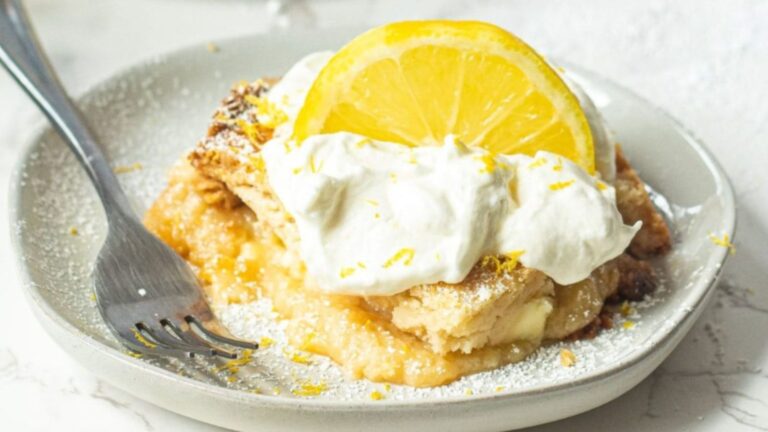
Montana Now Restricts Some Packaged Desserts
Montana has introduced one of the broader sets of restrictions among the four states.
Along with candy, high-sugar beverages, and certain energy drinks, the state now excludes shelf-stable prepared desserts from SNAP purchases.
That category can include commercially packaged cookies, snack cakes, and pastries designed to be eaten without additional preparation.
Not all desserts are restricted equally.
According to the Montana Department of Public Health and Human Services, store-made bakery items and certain products requiring preparation may remain eligible.
For example, a family preparing dessert at home may still be able to purchase cake mix and baking ingredients even when a particular ready-to-eat packaged dessert is excluded.
The rule highlights how governments distinguish homemade from ready-to-eat foods.
Related: SNAP Recipients Face New Grocery Shopping Rules as Four States Introduce Food Stamp Restrictions
Montana Uses a Sugar Limit for Certain Beverages
Montana’s new beverage restrictions go beyond whether a drink is labeled soda.
The state uses a specific sugar threshold to determine which beverages fall under its high-sugar category.
Under its official guidance, qualifying beverages containing more than 10 grams of added sugar per eight fluid ounces are excluded from SNAP purchases.
This means shoppers may need to examine Nutrition Facts labels rather than relying on the product’s name or appearance.
A drink sold in a 20-ounce bottle, for example, may list its sugar content for the entire container. The amount must be considered in relation to the state’s eight-ounce threshold.
Montana also restricts certain energy drinks based on their caffeine content and additional stimulant ingredients.
However, milk, qualifying juice drinks, coffee, tea, and other exempt beverages remain eligible.
Similar-looking beverages may be treated differently at checkout.
North Dakota’s Restrictions Extend Beyond Regular Soda
In North Dakota, the November 1 changes affect candy, sweetened beverages, and energy drinks.
The state’s rules include drinks with specified amounts of added sugar or artificial sweeteners.
Some products that shoppers might not immediately associate with soda can also fall under the restrictions.
According to North Dakota Health and Human Services, examples include sweetened tea, sweetened lemonade, certain sports drinks, bottled coffee drinks with added sugar, and some powdered electrolyte products.
Energy drinks are also subject to specific criteria involving caffeine and other stimulant ingredients.
Shoppers may find restrictions beyond the soft drink aisle.
Families who regularly purchase flavored beverages may find it especially useful to check product labels and the state’s official guidance before shopping.
Related:15 Foods That Seem Healthy but Aren’t
North Dakota Still Allows Common Baking Ingredients
Not every sweet product is being removed from SNAP eligibility.
North Dakota’s guidance specifically identifies several baking ingredients that remain eligible, including flour, sugar, honey, maple syrup, and chocolate chips.
The state also allows qualifying granola bars, protein bars, cereal bars, milk, milk alternatives, and unsweetened beverages.
This creates an important distinction for families who prepare meals and desserts at home.
A chocolate candy bar may be restricted, while chocolate chips purchased for baking can remain eligible.
Similarly, a sweetened beverage may be excluded even though milk or 100% fruit juice remains eligible.
Knowing these differences can prevent checkout confusion.
The new rules do not mean families must stop baking cookies, cakes, or other homemade treats using eligible ingredients.
Related: Sweet Sensation: Baking the Perfect Honey Cake
South Carolina Allows Diet Soda, Unlike Virginia
One of the most interesting differences between the four states involves diet soda.
South Carolina now restricts candy, certain energy drinks, regular soft drinks, and sweetened beverages.
However, the state’s rules explicitly allow diet and zero-sugar soft drinks to remain eligible for SNAP purchases.
This differs from Virginia, where regular, diet, and zero-sugar soda are all excluded.
The USDA’s October 30 retailer notice for South Carolina confirms that diet and zero-sugar soft drinks remain allowable purchases.
The rules can confuse shoppers.
Two people might purchase the same drink in different states and receive different results when paying with SNAP benefits.
The difference highlights an important feature of these programs: the federal government has allowed states to test different approaches rather than imposing one identical list of restrictions nationwide.
South Carolina Does Not Treat Every Sweet Food as Candy
South Carolina’s candy restrictions also contain several exceptions.
Although chocolate bars, gummies, and other traditional candies may fall under the new rules, many products commonly used for baking remain eligible.
The state’s guidance excludes qualifying protein bars, granola bars, chocolate chips, sprinkles, and certain baking ingredients from its candy definition.
It also distinguishes candy from products primarily marketed as bakery or bread items.
That means cookies, cakes, muffins, brownies, and similar qualifying baked goods are not automatically classified as candy under this restriction.
These distinctions matter for families making homemade desserts.
The new rules are based on specific product definitions, not simply whether something tastes sweet.
As a result, similar products may have different SNAP classifications.
Virginia Restricts Regular, Diet, and Zero-Sugar Soda
Virginia’s approach focuses primarily on carbonated sweetened beverages.
Beginning November 1, SNAP benefits can no longer be used to purchase regular soda, diet soda, zero-sugar soda, and certain carbonated energy drinks.
The rules also cover qualifying carbonated beverages containing added sweeteners.
However, many other drinks remain eligible.
According to the Virginia Department of Social Services, families can still use SNAP benefits to purchase milk, juice, lemonade, iced tea, iced coffee, unsweetened seltzer, and non-carbonated energy drinks.
Sports drinks, infant formula, and qualifying nutritional beverages also remain eligible.
Virginia has emphasized that the changes do not affect which foods households can purchase, their SNAP eligibility, or their monthly benefit amounts.
Virginia also restricts diet soda, even though it is sugar-free.
Families Can Still Buy Restricted Products With Their Own Money
One of the biggest misunderstandings surrounding the changes is the idea that states have banned the affected products entirely.
That is not what the new SNAP restrictions do.
Grocery stores can continue selling soda, candy, and other restricted items.
Customers can also keep buying them with cash, debit cards, credit cards, or other accepted payment methods.
The difference is that SNAP funds cannot be used for certain purchases in states where the restrictions apply.
For example, a family might purchase milk, vegetables, bread, and eligible baking ingredients using SNAP benefits, then pay separately for an excluded beverage.
Virginia and North Dakota both confirm that shoppers can use another payment method for restricted products.
This distinction explains why some items are rejected at checkout.
A product being ineligible for SNAP payment does not mean it is illegal to purchase.
Online Grocery Orders Must Follow the New Rules Too
The changes also affect retailers and online grocery shopping.
Stores participating in SNAP must update their checkout systems to distinguish eligible products from restricted ones.
That responsibility extends to online retailers accepting SNAP payments in states where the new restrictions apply.
Virginia says its rules apply to SNAP purchases made within the state, including qualifying online transactions.
North Dakota similarly explains that retailers must follow its requirements when processing SNAP purchases, including applicable online grocery orders.
Another important detail concerns shoppers traveling between states.
North Dakota states that its restrictions apply to SNAP purchases made there, regardless of which state originally issued the customer’s benefits.
That means families should check the rules for the state where they are shopping rather than assuming their home state’s restrictions always follow their EBT card.
Online shoppers and travelers need to check state rules before buying groceries.
What Do the New Rules Mean for American Families?
The November 1 changes have introduced another layer of decision-making for SNAP recipients in four states.
Supporters say restricting sugary foods and drinks could encourage healthier shopping.
The states are using USDA-approved demonstration waivers to test approaches intended to influence food purchasing.
However, the restrictions may complicate budgeting, choice, and checkout for some households.
Low-income families already spend time comparing prices, planning meals, and stretching groceries.
Now, families must also check state SNAP rules, not just prices and ingredients.
No evidence yet shows that the November 2026 changes have improved health.
Check official state guidance and ask retailers if eligibility is unclear.
States will continue to show how restrictions affect shopping.
But here’s a question worth considering: Should government food assistance programs determine which groceries families can buy, or should SNAP recipients have the freedom to make those decisions themselves?
For millions of Americans trying to manage household food expenses, that question goes far beyond the soda aisle.