Laughter is supposed to lighten the mood, yet some jokes have spiraled beyond control, igniting real-world crises that no punchline could fix. What begins as a simple quip has, at times, sparked mass fear, political tension, or military alarms. These incidents reveal just how quickly humor can backfire when the stakes are high and context is misread, leaving chaos in its wake. Let’s explore ten shocking examples where a joke escalated into serious consequences, showing humor’s dangerous edge.
These cautionary tales underscore how even the most innocent words can lead to disastrous consequences. From accidental threats to global confusion, the line between funny and frightening is thinner than we think. Each example demonstrates the unforeseen ripple effects of jokes in sensitive situations, offering lessons in timing, audience awareness, and the unpredictable weight of words.
The Phantom Bomb Alert
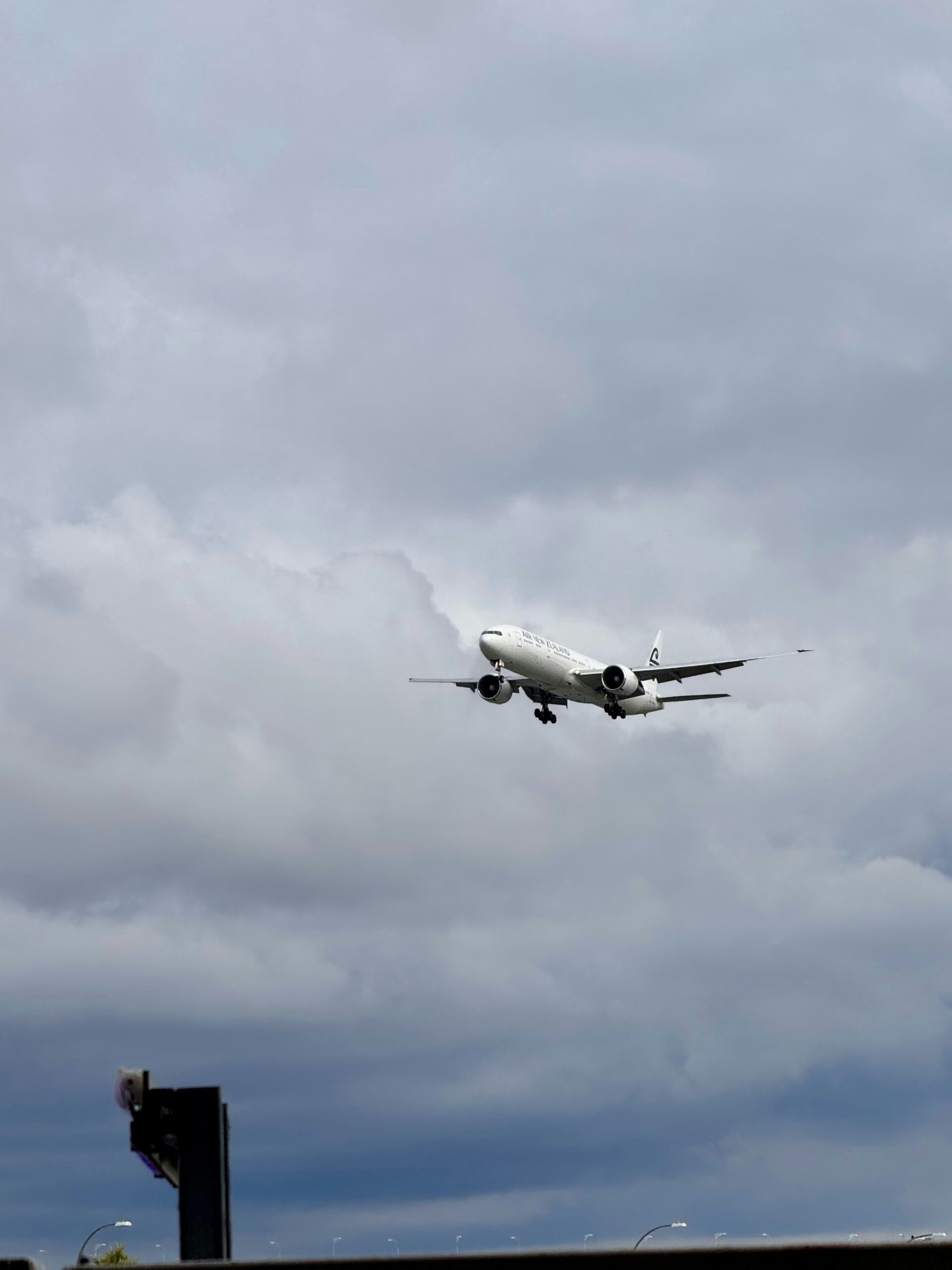
A seemingly harmless joke about a “hidden bomb” on a plane triggered a full airport lockdown. Passengers were evacuated, flights were delayed for hours, and security forces scrambled, all because a prankster misjudged context. Authorities stressed that in high-security areas, jokes are treated as potential threats, demonstrating the thin margin between humor and panic in tense environments. Even a single tweet or offhand remark can spark national-level security responses.
The Fake Presidential Threat
During a comedy sketch, a comedian joked about harming a political leader. Security agencies immediately responded as if the threat were real, closing streets and increasing patrols. The incident exposed how satire, without clear boundaries, can unintentionally mobilize emergency protocols. Misinterpretation can escalate quickly, turning audiences’ laughter into governmental concern and operational disruption. The line between parody and perceived danger is razor-thin.
The Hoax Missile Warning
A prank text warning citizens of an incoming missile triggered panic across an entire region. People sought shelter, emergency lines clogged, and public officials faced a credibility crisis. The joke, intended for amusement, caused chaos and fear that lingered long after the alert was proven false. This event illustrated the extreme consequences of joking about threats in a world hyper-sensitive to safety risks. Mistimed humor can provoke mass hysteria almost instantly.
The Viral “Disease Outbreak”
A joke suggesting a new deadly virus went viral online, prompting unnecessary hospital visits and overrun medical hotlines. Health authorities scrambled to calm the public, highlighting the dangers of spreading misinformation even under the guise of comedy. Satire in the wrong medium can escalate real-world concern and consume critical resources. The incident proved that a clever quip can become a costly social emergency when misinterpreted.
The Airline Panic Call
A passenger joked over the radio about carrying explosives, leading air traffic control to enact emergency protocols. Flights were rerouted, passengers detained, and law enforcement engaged in costly operations. The prank demonstrated that humor is no excuse when safety is involved, and even casual remarks can have immediate, tangible repercussions in aviation and public safety. Authorities treat every such joke as a real threat until verified otherwise.
The Misinterpreted Tweet
A social media joke implying a terrorist act prompted widespread fear, with authorities forced to investigate every tip. The public’s rapid reaction revealed how online humor can spiral into serious alerts when context is lost. Digital jokes carry amplified impact, where audience misreading can escalate to federal attention. One poorly framed tweet can multiply into a full-blown crisis, proving online jest is a double-edged sword.
The Prank Call That Cost Millions
A fake emergency call about a chemical spill led to evacuations and business closures, costing millions in lost revenue. The joke was intended for laughs, not to mobilize hazardous-materials teams and emergency responders. It highlights how humor targeting public safety can generate real economic and operational consequences. Even harmless amusement can become a chain reaction of costs, illustrating how fragile public trust can be under false alerts.
The Misheard Warning
A radio comedy segment included a faux warning about a nearby threat, which listeners reported as real. Emergency services scrambled, authorities fielded calls, and tension surged unnecessarily. This incident proves that auditory jokes can be misinterpreted more easily than visual humor, particularly when phrased in official-sounding language. Mistaken alarms turn humor into a public service nightmare, revealing the inherent risks of jesting on broadcast channels.
The Festival Panic
During a festival, a performer joked about explosive devices in a crowd, causing mass panic and a temporary stampede. Although intended to amuse, the prank endangered lives and prompted long-term changes in event security policies. The episode underscores that jokes in large gatherings can pose immediate physical risks, demonstrating how poorly timed comedy can escalate into public safety hazards. Public amusement turned to fear in seconds.
The International Incident
A televised comedy skit implied an attack on a foreign entity, sparking diplomatic tensions and official inquiries. Governments had to issue clarifications to avoid escalation, showing how humor can cross borders and provoke geopolitical reactions. This example emphasizes that jokes are not isolated in their impact; they can ripple across societies, causing unintended political and security consequences on a global scale. The cost of a misplaced punchline can be enormous.
Jokes are meant to amuse, but these ten examples prove that humor carries hidden risks that can ignite widespread panic, operational chaos, and even international tension. In our interconnected, security-conscious world, a poorly timed joke is more than embarrassing; it can have serious, far-reaching consequences. Understanding the power of words is crucial, reminding us that not every laugh is harmless.