California looks effortless in photos. Endless stretches of beaches, dramatic cliffs, sprawling redwoods, and sun-kissed mountains give the impression of a perfectly curated paradise.
But the Golden State tests patience, budgets, comfort zones, and mental flexibility with crushing traffic, natural hazards, high living costs, extreme weather, and a nonstop cultural energy that can overwhelm the unprepared traveler.
The state is vibrant, dynamic, and unequaled in diversity, but it can also be exhausting if we are not realistic about what it demands from every visitor.
With nearly 39.4 million residents and a tourism economy that topped $158.9 billion in 2025, California is both immensely popular and incredibly demanding. Its 24 National Park units, iconic urban centers, and world-famous attractions create constant activity, meaning visitors must plan carefully, expect delays, and be financially prepared.
Without patience, tolerance, and flexibility, the same state that offers the Pacific Coast Highway, Yosemite, Napa, and Disneyland can feel more like a logistical nightmare than a dream vacation.
People Who Cannot Handle High Costs
California is expensive at nearly every level. From high hotel rates in San Francisco and Los Angeles to premium resort fees in Napa, even a short trip can quickly cost thousands per person. Dining out is rarely cheap; farm-to-table meals, trendy fusion restaurants, and coastal seafood often come with three-digit checks.
Transportation costs add another layer, with rental cars averaging $70–$120 per day and gas prices around $6 per gallon in May 2026, compared with a national average of $4.50. Visitors who are not prepared for this financial reality may find themselves cutting back on experiences or constantly stressing over every purchase.
California’s tourism industry reflects these high costs. With visitor spending reaching $158.9 billion in 2025, the state attracts high-spending travelers who expect premium services, often leading to higher prices across restaurants, accommodations, attractions, and even parking.
Budget-conscious travelers who rely on quick stops or unplanned adventures can find their wallets empty and frustration high, making it one of the strongest reasons for cautious planning.

People Who Hate Traffic and Long Drives
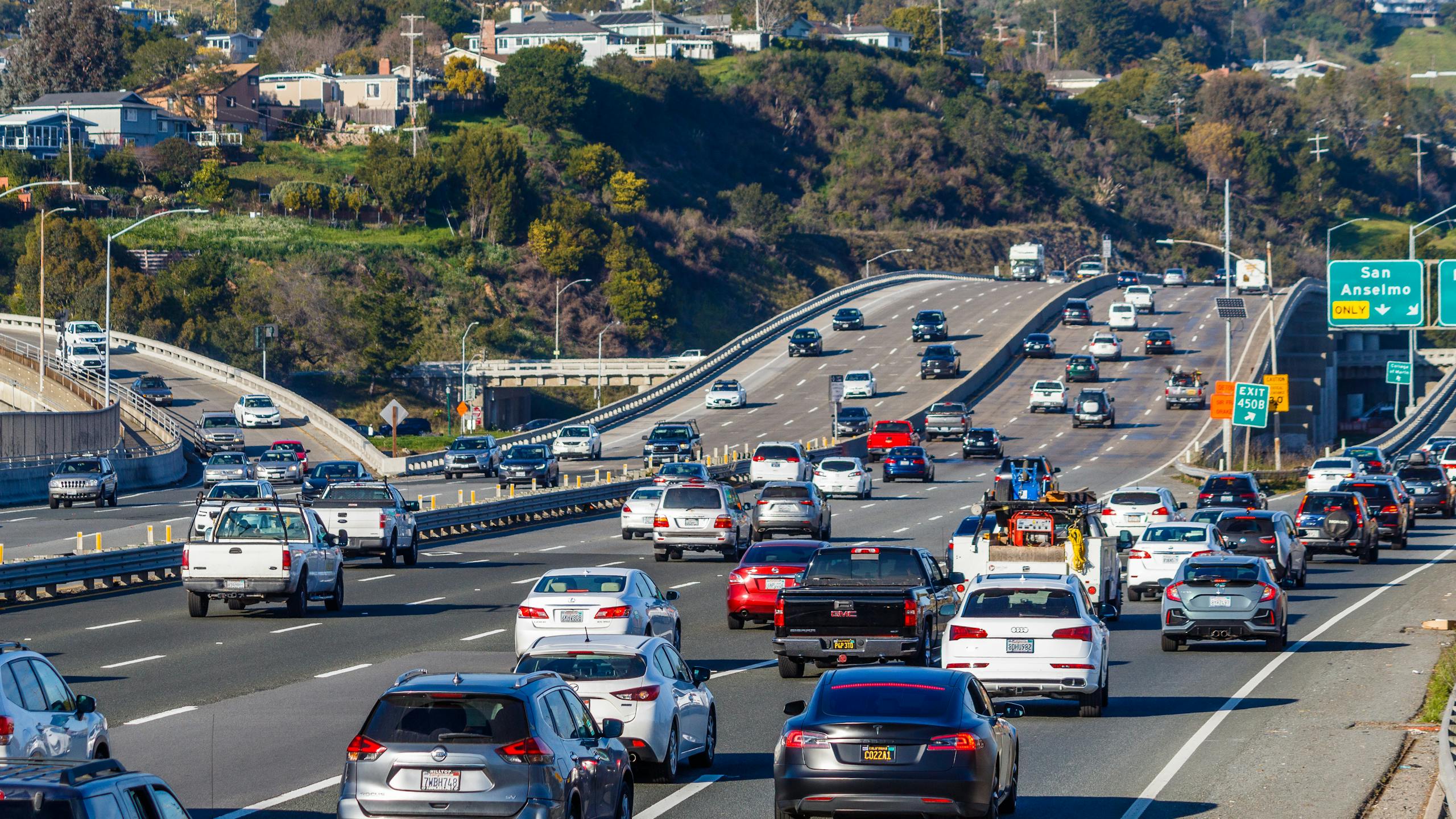
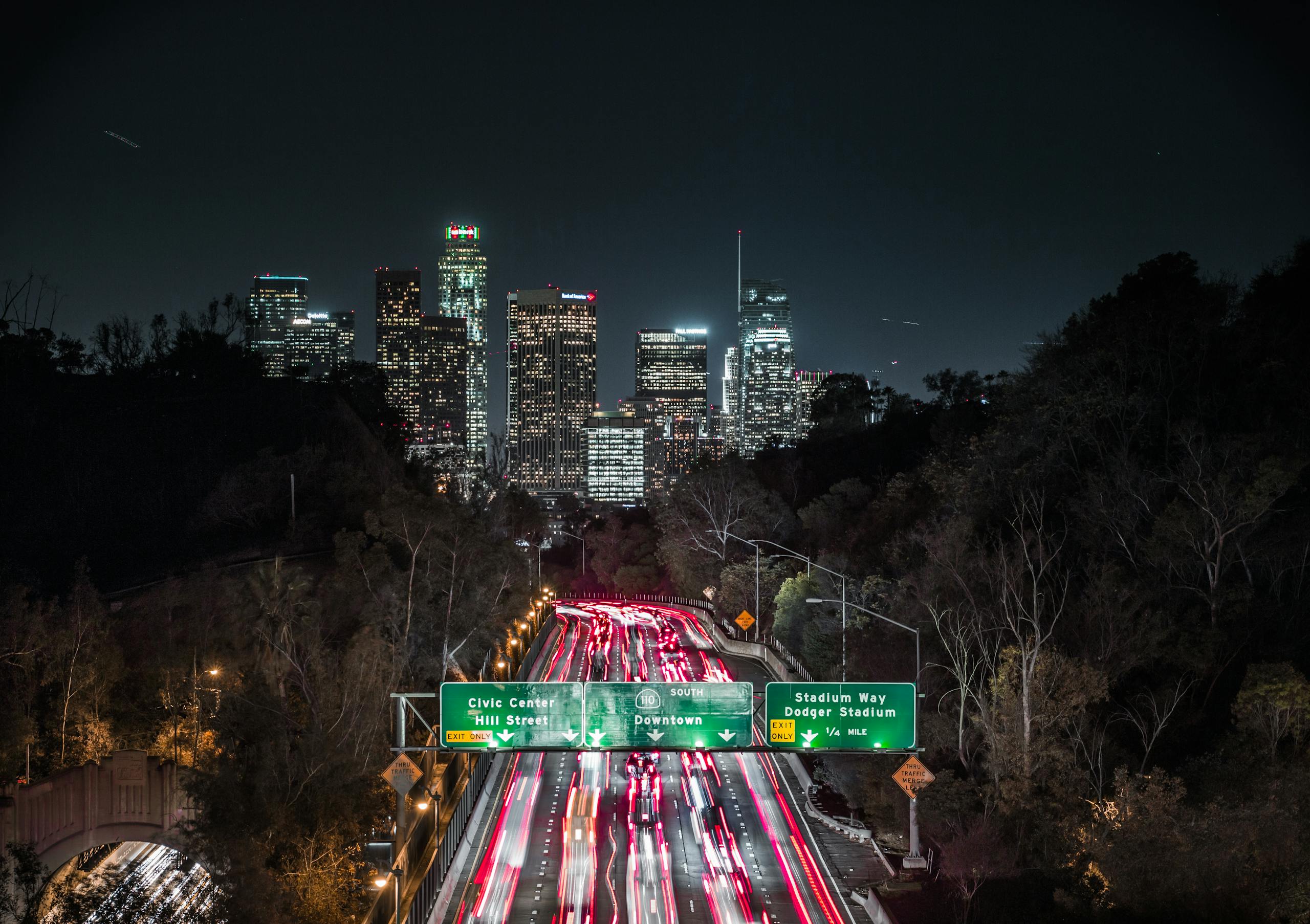
Southern California is infamous for traffic congestion. Los Angeles alone ranked among the most congested U.S. cities in the 2024 INRIX Global Traffic Scorecard, with drivers losing an average of 88 hours annually to gridlock, costing nearly $1,575 per driver in lost time.
Major highways like the 405, 101, and 5 can become moving parking lots during peak commute hours or holiday weekends, transforming a 30-minute drive into a two-hour crawl.
Traffic is not limited to Los Angeles. San Francisco, San Diego, and Sacramento also experience congestion in urban cores and near popular attractions.
Visitors who dislike extended driving or spending hours in a car will find themselves frustrated navigating freeways and local streets, particularly when combining sightseeing with tight schedules. Without patience and realistic expectations, California’s “scenic drive” can feel like a test of endurance.
People Who Panic About Natural Hazards
California’s location along the Pacific Ring of Fire makes earthquakes an unavoidable consideration. The state averages multiple magnitude 5 or higher earthquakes annually, some capable of causing structural damage in populated areas.
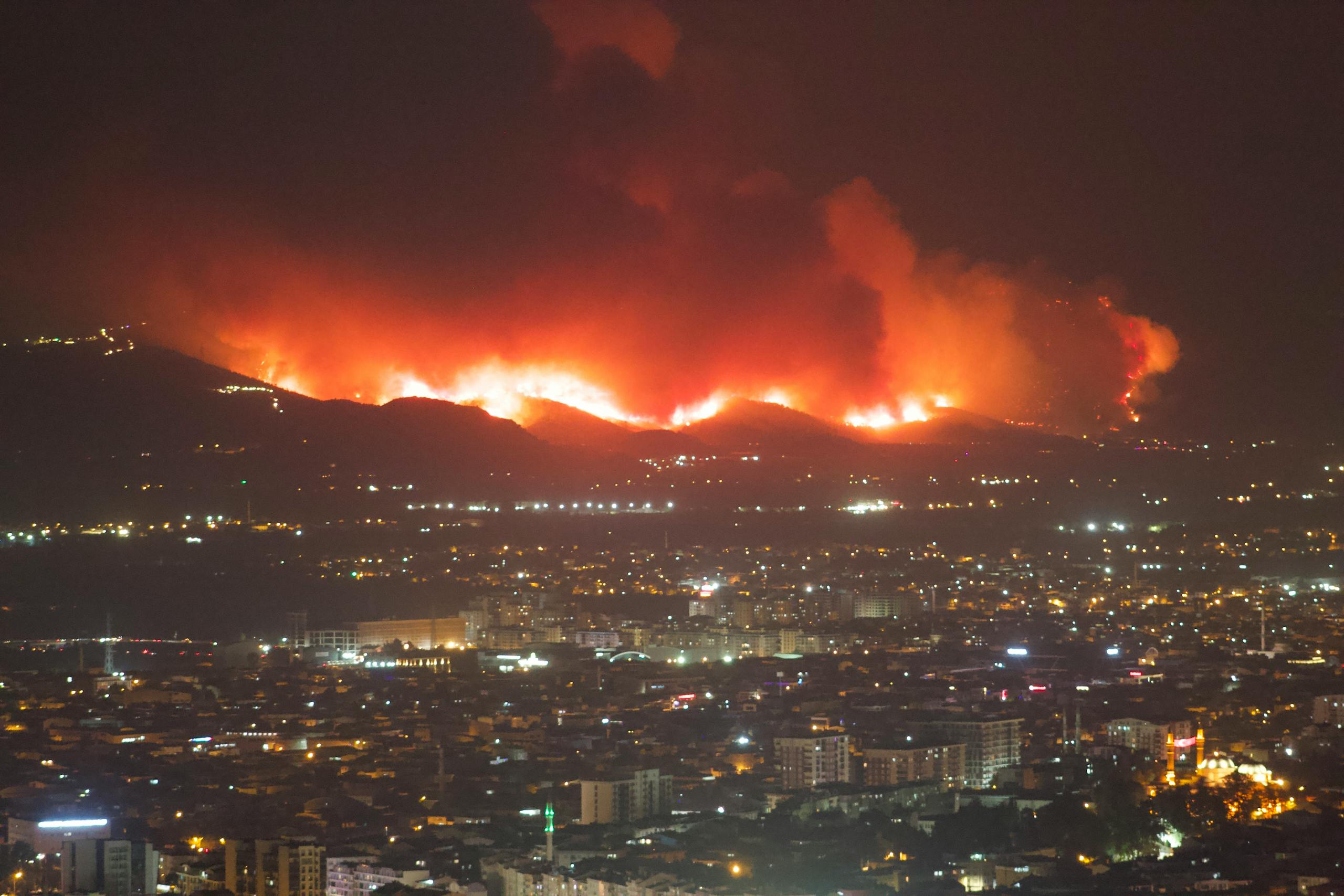
Beyond seismic activity, California faces regular wildfires, mudslides, and occasional tsunami alerts, all of which can disrupt travel plans.
Wildfire season alone can affect air quality, road access, and accommodations. CAL FIRE reported 1,578 wildfires and over 52,810 acres burned in early 2026, demonstrating how quickly a fire can change conditions even far from urban centers.
Travelers who feel anxious around shaking buildings, smoky skies, or evacuation notices may find it difficult to relax during their stay.
People Who Cannot Tolerate Crowds
From Disneyland to the Hollywood Walk of Fame, Venice Beach, Fisherman’s Wharf, and Napa Valley tasting rooms, California attracts millions of tourists year-round. Theme parks often reach maximum capacity, while popular beaches and parks can fill by mid-morning.
Even restaurants and hotels may require advance reservations or face long waits.
Crowds are compounded by California’s 39 million residents, ensuring that even busy areas are never truly empty. Visitors who crave solitude or avoid high-density environments may struggle with lines, congestion, and the constant presence of other tourists. Without careful planning or timing trips during off-peak months, the state can feel overwhelming and exhausting.

People Who Are Obsessed with Predictability
California thrives on variety and experimentation. Its food scene spans global fusion, farm-to-table menus, vegan innovations, and ethnic specialties, while its entertainment and cultural options range from avant-garde theater to world-class opera and street art.
Even small towns can offer eclectic experiences, from wine-tasting tours and tech exhibits to surfing lessons and meditation retreats.
Travelers who require predictable meals, familiar surroundings, or standardized entertainment will find California challenging. The state rewards curiosity and flexibility, but strict routines or resistance to new experiences can lead to frustration, leaving visitors feeling excluded from the very energy that makes the state unforgettable.
People Who Cannot Drive Long Distances
California is enormous. Traveling from Los Angeles to San Francisco is nearly 400 miles, Yosemite to Napa over 250 miles, and Joshua Tree to Lake Tahoe can easily surpass 500 miles. Many attractions, including national parks, vineyards, and scenic coastal areas, are accessible only by car.
Public transportation is limited outside major urban centers, and relying solely on rideshare or buses often restricts itineraries. Visitors unwilling or unable to drive long distances risk missing key destinations and the scenic routes that define California travel.
People Who Cannot Handle Cultural or Political Diversity
California is famously progressive, with nearly half of registered voters identifying as Democrats and a reputation for embracing liberal policies and cultural openness. Cities frequently feature activism, public demonstrations, diverse social norms, and progressive legislation.
Travelers who bristle at unfamiliar politics, social experiments, or visible diversity may feel uncomfortable or alienated. The state’s values are visible in neighborhoods, restaurants, public spaces, and city planning, requiring tolerance and open-mindedness to fully enjoy the experience.

People Who Hate Weather Extremes
California’s climate is deceptively varied. Northern coasts experience marine layer fog and chilly ocean waters, inland deserts regularly surpass 100 degrees Fahrenheit in summer, and the mountains can experience unexpected snow.
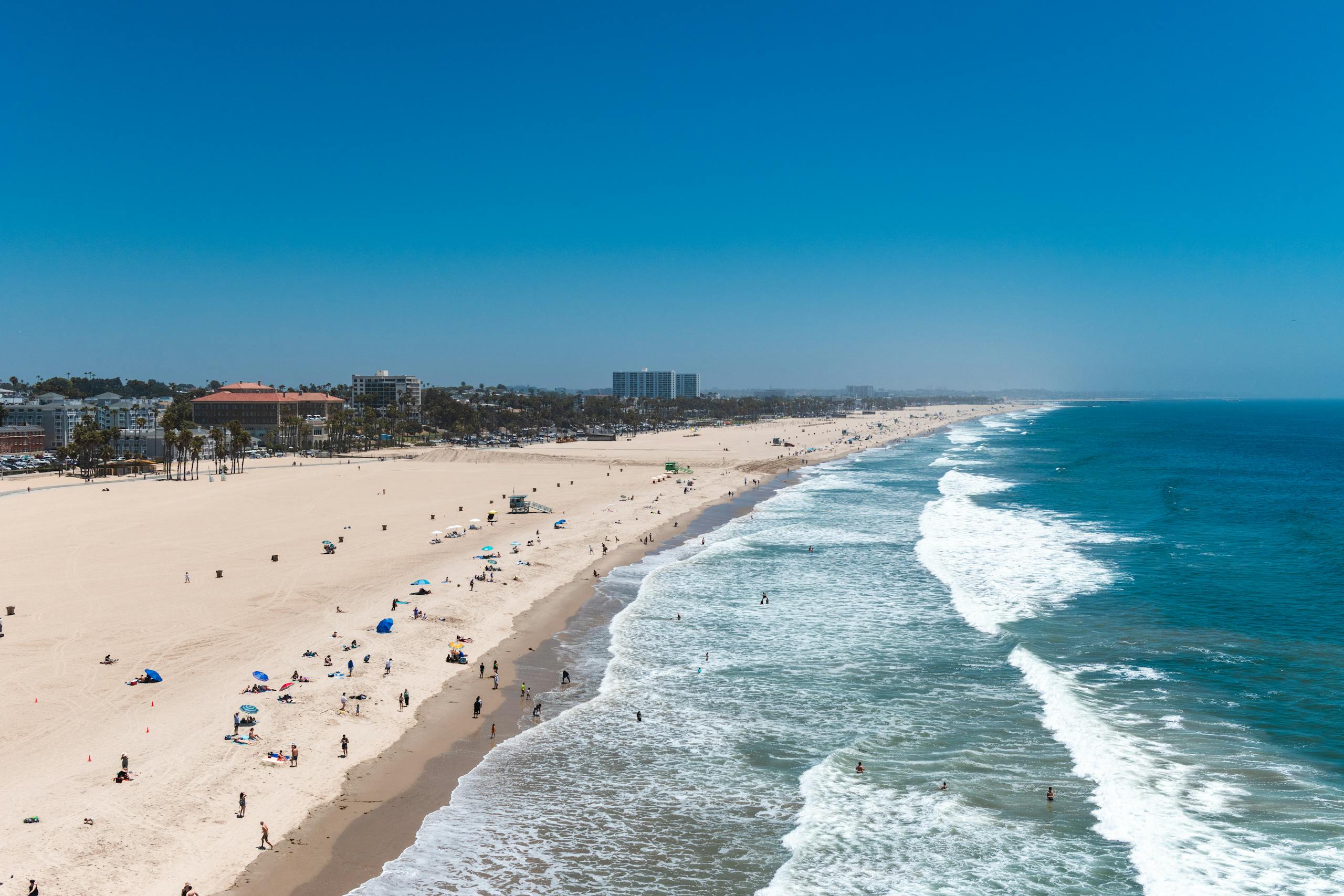
Even Southern California beaches can be breezy or cool, with water temperatures far below tropical standards.
Travelers expecting constant warmth and uniform weather may find themselves uncomfortable or disappointed. Understanding the regional climate and preparing for temperature swings is essential for a smooth trip.

People Who Cannot Respect Local Lifestyle
Cannabis culture, wellness trends, casual fashion, surfing, and experimental cuisine are all mainstream in California. Dispensaries, juice bars, yoga studios, tech hubs, and beach culture are widespread and influence daily life.
Visitors who mock or resist these cultural norms may find themselves frustrated or isolated. Enjoying California often requires tolerance and curiosity about local habits, laws, and social practices.
People Who Fear Outdoor Adventure
California is built for exploration. National and state parks, coastal trails, ski resorts, and wildlife sanctuaries offer everything from surfing and swimming to hiking, skiing, and birdwatching.
The Pacific Coast Highway, Sierra Nevada, Joshua Tree, and redwood forests provide unique opportunities for outdoor immersion.
Travelers who refuse to engage with nature, exercise, or adventure may miss the state’s most iconic and memorable experiences. California is best enjoyed actively, not passively, and ignoring the outdoors means missing the essence of the Golden State.
Final Reality Check
California rewards curiosity, patience, and flexibility but punishes rigidity, financial hesitation, and fear. The state offers some of the most beautiful landscapes, innovative culture, and lifestyle experiences in the world but only to those willing to meet it halfway.
For anyone who cannot tolerate crowds, traffic, high costs, natural hazards, or cultural diversity, skipping California may save stress and disappointment.