The grocery cart is starting to feel like a political battlefield, and honestly, who invited trade policy into the cereal aisle? Trade wars may sound like something that happens in government offices, but families often feel the pressure at checkout counters, car lots, restaurants, and school supply shelves. These trade war warnings show how tariff fights can seep into everyday life and make basic routines feel more expensive, tense, and unpredictable.
Recent reporting has linked tariff policies to higher costs for food, imported goods, electronics, clothing, and household products, meaning families may notice the pressure long before politicians finish arguing about it. Researchers at the Federal Reserve also found that retail prices for imported goods moved higher after tariff changes, especially in categories tied to global supply chains. So, what should families watch for before trade tensions turn into a full-blown kitchen-table crisis?
Grocery Bills Start Acting Weird
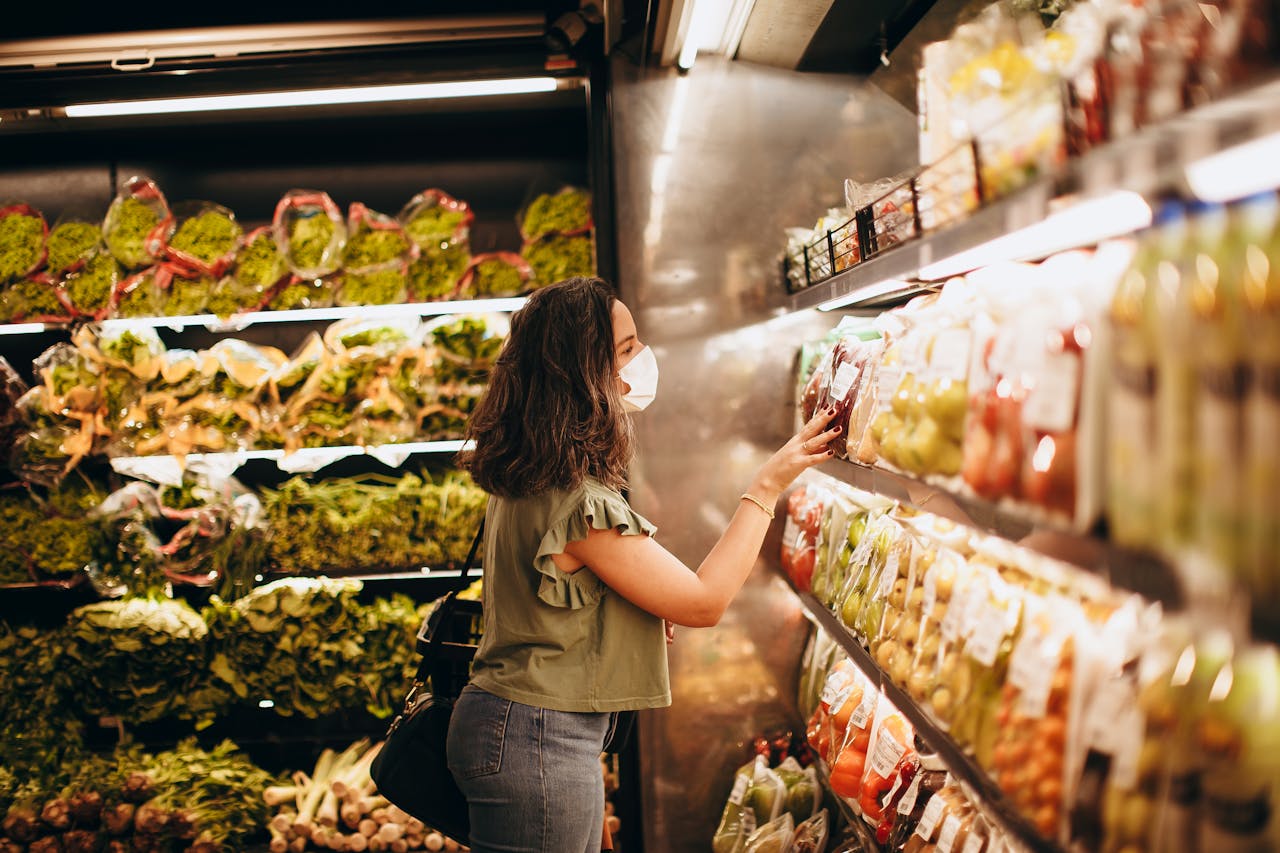
Grocery prices already make many shoppers pause before tossing anything extra into the cart. When tariffs hit imported ingredients, packaging, farming equipment, or transportation costs, stores often pass those expenses to customers. That means a family dinner can quietly become more expensive without looking dramatically different on the plate.
Food prices have remained a major pressure point for American households, and recent coverage has tied some grocery price increases to tariffs, global conflict, weather issues, and supply constraints. Even when one item drops, another one jumps up and ruins the small victory. Isn’t that just the kind of financial plot twist nobody asked for?
Families may start swapping brands, shrinking meal plans, or skipping small treats that used to feel normal. Parents may still buy the basics, but the receipt tells the real story. This is one of the first trade war warnings because food costs touch everyone, every week.
Clothing Prices Feel Less Friendly
Clothing often depends on global supply chains, from fabric to zippers to finished products. When tariffs raise import costs, shoppers may see higher prices on school clothes, work outfits, shoes, and seasonal basics. A simple back-to-school shopping trip can suddenly feel like a luxury appointment.
This pressure hits families hard because clothing is not optional. Kids grow, shoes wear out, and adults still need presentable clothes for work, church, events, and daily life. So yes, that plain hoodie may start acting as designer wear for no good reason.
The real warning appears when families delay replacing items they actually need. That may sound harmless at first, but it affects comfort, confidence, and daily routines. Trade tensions do not need to shout when they can quietly raise the price of socks.
Electronics Become More Painful To Replace
Phones, laptops, tablets, chargers, and home gadgets all depend on parts from different countries. Tariffs can make these items more expensive because companies face higher import costs before the product even reaches the shelf. Families feel that pressure when a child needs a school laptop or a parent needs a new work phone.
Technology has moved from a nice extra to a daily necessity. Remote work, online classes, banking apps, health portals, and family communication all depend on devices that actually function. So what happens when replacing one broken screen starts feeling like a rent level decision?
The warning sign is simple. Families begin stretching old devices beyond their natural lifespan because new ones feel too costly. FYI, there is nothing spiritual about praying over a dying laptop before a deadline, but many people understand the struggle.
Cars And Repairs Get More Expensive
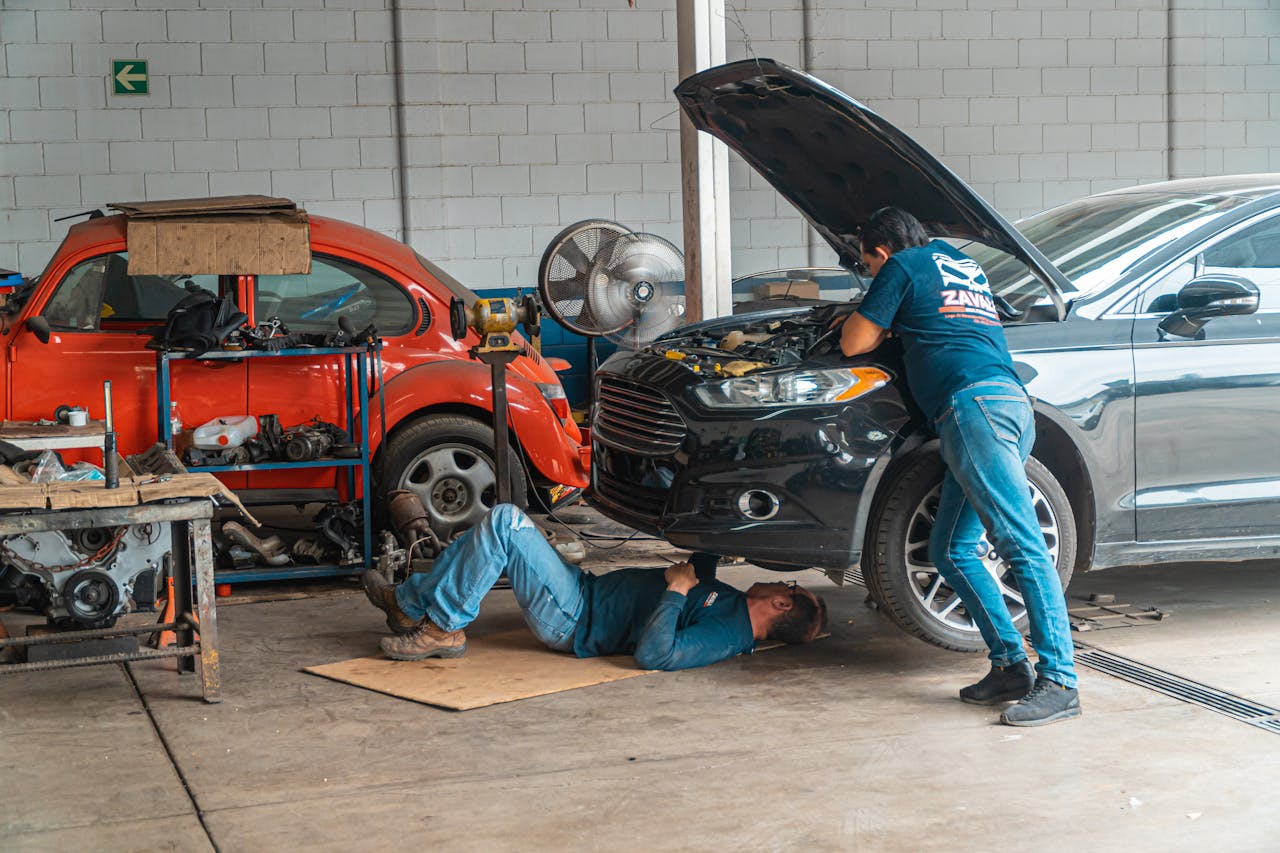
Cars depend on imported parts, raw materials, electronics, tires, and manufacturing networks. When trade tensions raise costs in those areas, drivers may see the effect in vehicle prices and repair bills. Families that rely on cars for work, school, groceries, and medical visits feel the squeeze fast.
Even used cars can feel pressure when new cars become more expensive. More people move into the used market, demand rises, and suddenly, the affordable option no longer looks so affordable. That is the kind of budget domino effect families rarely see coming.
Repairs create another problem. A simple part replacement may cost more if the part comes through a supply chain subject to tariffs. When families delay repairs, they may risk safety, missed work, or even higher costs later.
Small Businesses Pass Costs Along
Small businesses often lack the financial cushion of large corporations. When tariffs raise costs on goods, packaging, equipment, or ingredients, local businesses must choose between absorbing the pain and raising prices. Most cannot absorb it forever, because optimism does not pay invoices.
That means families may pay more at local restaurants, salons, repair shops, grocery stores, and neighborhood service businesses. The price increase may look small at first, but it adds up across daily spending. A few extra dollars here and there can quietly bully a household budget.
This warning matters because small businesses shape community life. When customers pull back, owners struggle too. A trade war can start in policy language and end with fewer choices on Main Street.
Job Anxiety Starts Creeping In
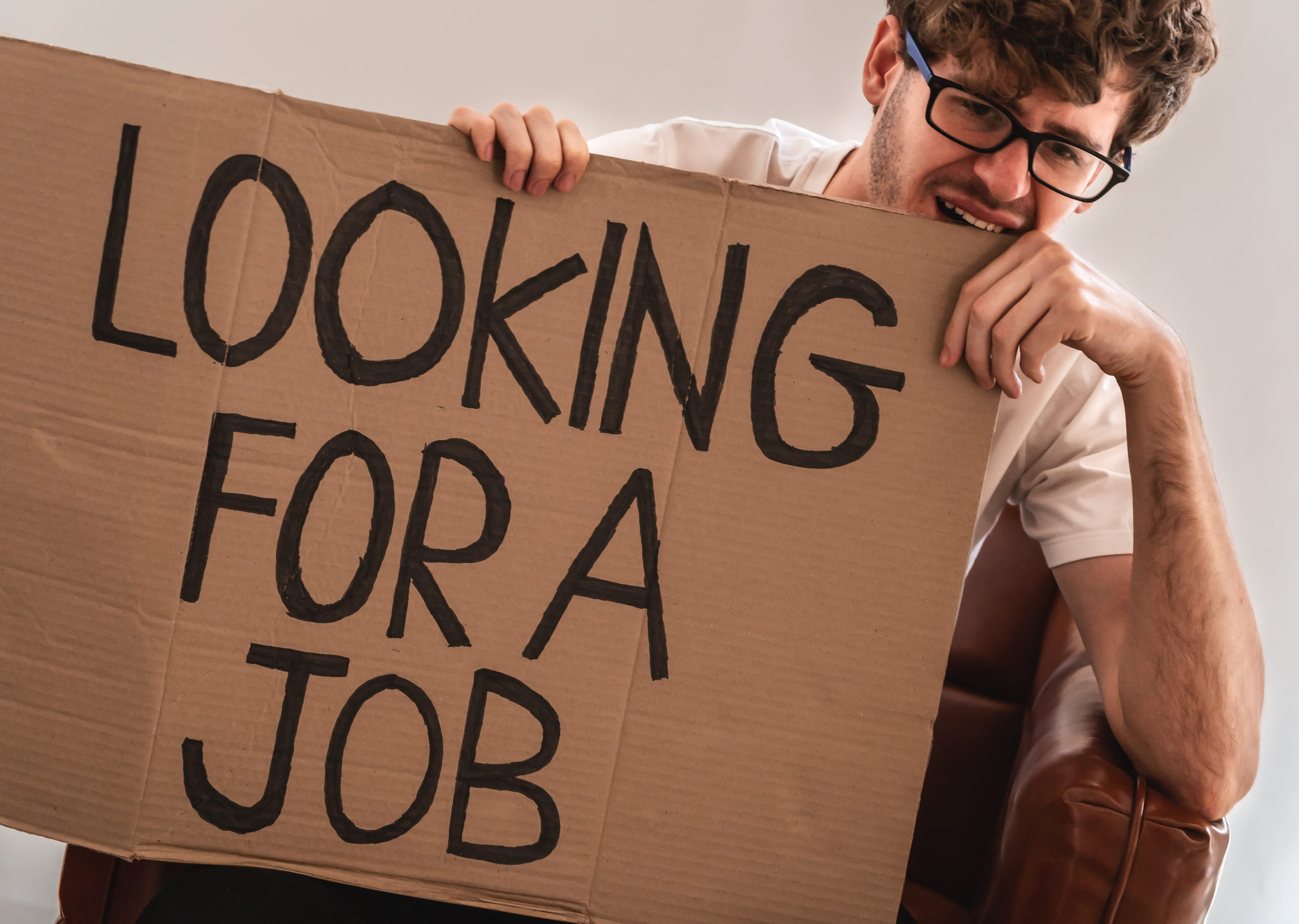
Trade wars can create uncertainty for companies that import materials, export goods, or depend on global customers. When businesses worry about costs and demand, they may delay hiring, reduce hours, or cut expansion plans. Families feel that uncertainty through paychecks, schedules, and career decisions.
Some industries may benefit from tariffs, but others can face higher costs or retaliation from trading partners. That uneven effect creates confusion for workers. One household may hear promises of job growth while another sees overtime disappear.
This is where the emotional pressure builds. Families do not just budget with money. They budget with confidence, and trade tensions can quickly drain that confidence.
Holiday Shopping Loses Its Joy
Holiday shopping depends heavily on imported toys, decorations, electronics, clothing, and home goods. If tariffs increase those costs, families may spend more for fewer gifts. That can turn a joyful season into a spreadsheet covered in glitter.
Parents may feel pressure to maintain traditions even when prices climb. Grandparents may scale back. Friends may quietly agree to skip gifts because everyone knows the budget is tight.
This warning may sound small compared with food or rent, but it matters emotionally. Holidays carry memory, identity, and connection. When trade wars raise prices, they do not just touch wallets; they touch family rituals.
Family Budgets Become Harder To Predict

The most alarming part of a trade war is not always one big price jump. It is the uncertainty. Families can plan around stable prices, but sudden increases make planning feel like folding laundry during a windstorm.
Tariffs can affect different goods at different times, depending on supply chains, company decisions, and global reactions. That means one month may feel manageable, then the next month brings a strange spike in shoes, groceries, appliances, or repairs. Families may not know where the next hit will land.
This is why budgeting becomes more stressful during trade fights. People can cut extras for a while, but they cannot cut every necessity. At some point, the math starts giving attitude, and nobody enjoys that conversation.
Conclusion
The harsh truth is that trade wars rarely stay locked inside political speeches and policy documents. They travel through supply chains, store shelves, repair bills, restaurant menus, and family budgets. These trade war warnings matter because they show how national decisions can shape ordinary American routines in quiet but painful ways.
Families do not need to panic, but they do need to pay attention. Watch grocery patterns, compare prices, delay nonurgent purchases when possible, and keep a small cushion for surprise costs. Smart planning cannot control global politics, but it can soften the shock when prices start acting wild.
In the end, tariffs and trade fights are not just abstract economic drama. They can decide how far a paycheck stretches, how often families eat out, when a car gets fixed, and how much stress follows parents through the front door. The real question is not whether trade wars sound serious, but how quickly they can turn into everyday family pressure.