A Boomer can spot bad manners from across a Cracker Barrel parking lot. It might be someone walking into a room without saying hello, a teenager eating with AirPods in, a guest leaving a party without goodbye hugs, or a grown adult texting “thanks” after receiving a wedding gift instead of mailing an actual card.
To younger Americans, these things may feel normal. Many Boomers feel like proof that society threw etiquette into the junk drawer next to old batteries and expired coupons.
The funny thing is that both sides think they are being reasonable. Boomers were raised in a world where respect had rituals. You called people back. You dressed properly. You greeted the room. You wrote notes. You showed up when you said you would.
Modern society runs on speed, convenience, boundaries, and digital shortcuts. That shift has changed what people consider polite, rude, or simply practical.
Texting Instead of Calling Back
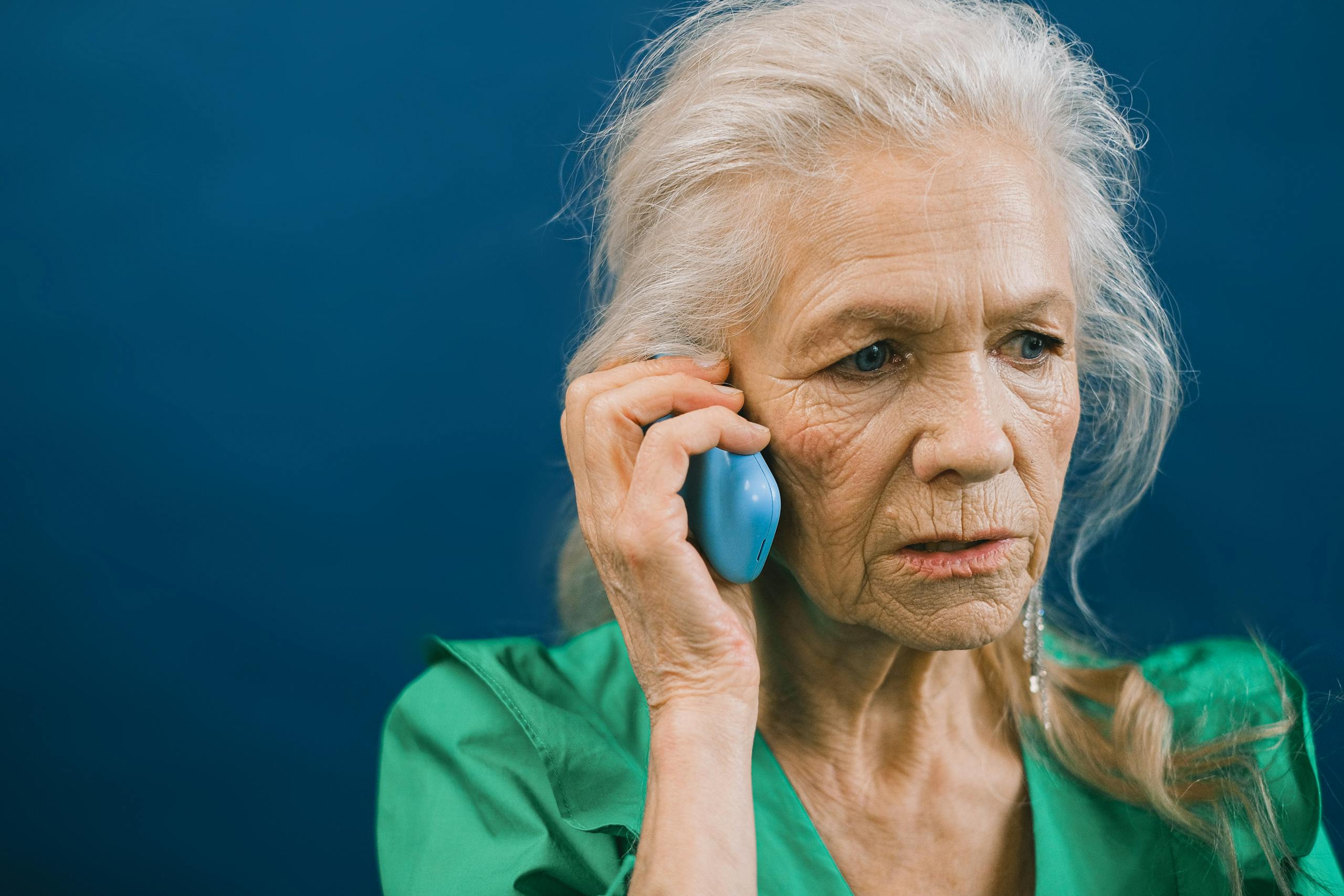
To many Boomers, a missed call deserves a real call back. Not a thumbs-up. Not “what’s up?” Not a text sent four hours later from the checkout line at Target. A phone call used to mean someone wanted your voice, your attention, and maybe a little human warmth. Sending a text instead can feel like answering a handshake with a nod from across the street.
Younger people often see it differently. A call can feel intrusive, especially during work, errands, parenting chaos, or a rare moment of peace. Texting gives people control over their time, and earlier research found that heavy texters were more likely to prefer texting now over voice calls. Boomers may hear distance, but younger Americans hear efficiency.
Looking at Phones During Meals
Nothing changes a Boomer’s mood faster than someone checking a phone at the dinner table. The food is hot, the family is gathered, the waitress just brought refills, and there goes someone scrolling through TikTok like Grandma’s story about the old neighborhood is background noise. To Boomers, the table is sacred ground. Phones on it feel like tiny glowing insults.
Modern society has made phones part of the dining experience. People photograph meals, answer work messages, settle arguments with Google, check the game score, and reply to group chats between bites. Younger diners may call it multitasking. Boomers call it rude because it breaks the old promise of dinner: for one hour, the people in front of you matter more than the world outside.
Canceling Plans at the Last Minute by Text
Boomers often treat plans like a handshake. Once you say you are coming, you come, unless you are sick, snowed in, or dealing with an emergency big enough to involve a neighbor and a ladder. A last-minute text saying “can’t make it tonight” can feel careless, especially when the host already cleaned the house, bought food, and maybe pulled out the good serving tray.
Modern society is more flexible. People talk about burnout, social batteries, anxiety, long workdays, and the need to protect their peace. Younger generations may see cancellation as honesty. Boomers may see it as a broken commitment with emojis attached. The tension is simple: one generation values showing up, the other values not forcing themselves to show up when they are drained.
Wearing Casual Clothes Almost Everywhere
Boomers remember when people dressed up to fly, go to church, eat at a nice restaurant, visit relatives, or attend school events. Clothes showed respect. You did not need a tuxedo to buy a casserole dish, but you also did not wear pajama pants to the grocery store unless something had gone terribly wrong.
Modern America has relaxed the dress code almost everywhere. Athleisure, hoodies, slides, ripped jeans, leggings, sneakers, and ball caps now move through airports, offices, restaurants, and family gatherings without much shame. Younger people value comfort and authenticity.
Boomers often see a country that stopped trying. Somewhere between the church hat and the oversized sweatshirt, America changed clothes and never fully changed back.
Not Sending Thank-You Cards
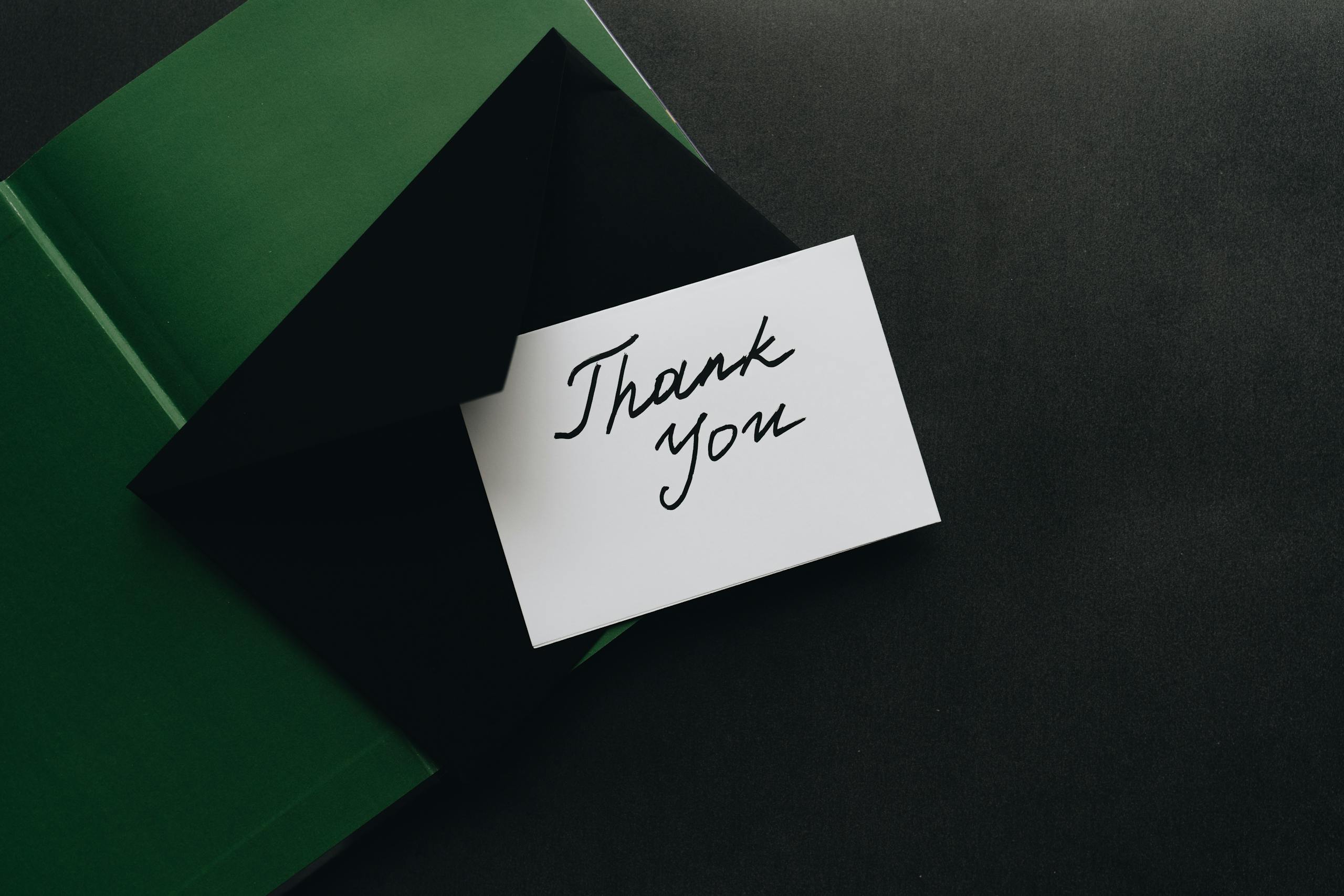
To Boomers, a thank-you card is not just paper. It is proof of home training. Someone gave you a graduation gift, hosted you for dinner, mailed a wedding check, or brought a casserole after surgery. You sat down, wrote a few lines, signed your name, and put that gratitude in the mail like a civilized person.
Today, many people send a quick text, a heart emoji, a voice note, or a social media message. Younger generations may feel the gratitude is real, even if the delivery is digital, and polling has found that digital thank-yous dominate over physical notes in what Americans think is more common today. Boomers may feel the effort is missing.
Calling Older Adults by Their First Names
Many Boomers grew up saying “Mr.,” “Mrs.,” “Ma’am,” and “Sir” almost automatically. First names belonged to peers, close relatives, and people who gave permission. Calling an older adult by their first name too quickly could sound bold, careless, or badly raised.
Modern society is much less formal. Bosses introduce themselves by first name. Teachers may invite a casual address. Parents’ friends often say, “Just call me Karen.” Younger people may see first names as friendly and equal. Boomers may hear a missing layer of respect. The formality faded, but the emotional meaning did not fade for everyone.
Eating Before Everyone Is Served
For many Boomers, you wait until everyone has food before you start eating. It is one of those table rules that lived quietly inside American homes for generations. It showed patience. It showed awareness. It kept dinner from feeling like a race.
Modern dining is more casual. Someone says, “Go ahead before it gets cold,” and people actually do. Food arrives at different times, delivery orders get mixed up, kids are hungry, and fries are at their best for about 7 minutes. Younger people may see waiting as unnecessary. Boomers may see early eating as proof that manners got left in the kitchen.
Using Speakerphone in Public
Boomers may tolerate a phone call in public, but speakerphone is where patience goes to die. Nobody in the grocery aisle wants to hear someone arguing with their cousin about Thanksgiving plans, scheduling a doctor appointment, or playing a voice note at full volume near the cereal. To Boomers, speakerphone in public feels like dragging strangers into your living room without asking.
Modern society has become strangely comfortable with public noise. People watch videos without headphones, take calls on speaker, record messages, and scroll through loud clips in waiting rooms. Even modern phone etiquette guidance tells people to avoid public speakerphone mistakes, such as broadcasting calls in shared spaces. Boomers notice every second of it.
Skipping Small Talk
Boomers often see small talk as social glue. You ask about the weather, the drive, the family, the garden, the grandkids, the dog, or the neighbor’s new fence before getting to the point. It may not always be exciting, but it softens the room. It tells people they are more than a task.
Modern communication is more direct. Texts begin with “quick question.” Emails skip the warm-up. Apps remove face-to-face exchanges altogether. Younger people may see this as efficient, but even workplace research notes that small talk has played an emotional connection role in helping people feel linked to others. Boomers may see skipping it as cold.
Posting Private Moments Online
Boomers often find oversharing online deeply uncomfortable. A family argument, hospital visit, breakup, baby announcement, vacation, dinner plate, crying selfie, or personal rant used to stay private unless someone told you directly. Now, a person can learn about a cousin’s divorce from a Facebook post before anyone in the family calls.
Modern society has turned sharing into connection. People document milestones, ask for support, process emotions, and build identity online, especially as the U.S. had an active social identity equal to 73% of the population at the end of 2025. Boomers may see it as airing laundry on the front lawn with better lighting.
Walking Into a Room Without Greeting Anyone
To many Boomers, entering a room without saying hello is plain rude. A greeting is not complicated. It is a small signal that says, “I see you.” You do not have to perform a speech. Just acknowledge the humans before disappearing into your phone, your earbuds, or the refrigerator.
Modern life is more distracted. People walk in while texting, wearing headphones, rushing between tasks, or mentally carrying a workday home. Younger people may not mean disrespect. Boomers still feel it. A simple hello costs nothing, but to older generations, skipping it can feel like treating people as furniture.
Leaving Without Saying Goodbye
Boomers believe a proper goodbye matters. You thank the host, hug Aunt Linda, wave to the kids, tell someone the potato salad was good, and spend at least 18 minutes trying to leave while still standing by the door. The goodbye is not a delay. It is part of the social contract.
Modern society has embraced the quiet exit. Some call it the Irish goodbye. You slip out, avoid the long goodbye, and text later to say you had a great time. Younger people may see this as efficient, especially at big gatherings. Boomers may see it as disappearing mid-sentence. To them, leaving without a goodbye feels less like convenience and more like disrespect, wearing sneakers.
Conclusion
Many social habits Boomers call rude are now accepted because American life has become faster, looser, more digital, and more focused on personal boundaries. Texting beats calling. Comfort beats formality. Quiet exits beat long goodbyes. A quick emoji can sometimes replace a handwritten note.
Still, Boomers are not wrong about everything. Some old manners existed because they made people feel seen. Greeting a room, listening at dinner, thanking a host, showing up when you said you would, and respecting public space still matter. The method can change, but consideration should not disappear.
Maybe the real argument is not about manners fading. It is about manners changing faster than everyone can agree on. Boomers were raised on presence, formality, and visible effort. Younger generations were raised on speed, flexibility, and digital convenience. Somewhere between the thank-you card and the thumbs-up emoji, America is still trying to decide what respect looks like now.