A grocery trip should not feel like a financial ambush. A hospital bill should not make a working adult stare at the ceiling at 2 a.m., wondering which payment to skip. A full-time job should not leave someone choosing between rent, gas, groceries, and a dentist appointment. Yet for millions of Americans, that is no longer a dramatic complaint. It is Tuesday.
The United States has spent generations treating capitalism like the answer to every problem. Work harder. Buy smarter. Compete more. Hustle longer. But at some point, people start asking a different question.
If this system is working so well, why do so many Americans feel broke, tired, uninsured, underpaid, overbilled, and one emergency away from collapse? Positive views of capitalism fell to 54% in 2025, down from 60% in 2021.
It Turned Basic Survival Into a Monthly Subscription
Americans do not just live anymore. They subscribe to survival. Rent renews. Insurance renews. Internet renews. Phone service renews. Gym memberships, delivery apps, cloud storage, toll passes, student loan payments, child care costs, and car notes keep tapping the bank account like tiny machines that never sleep. Even breathing room feels like it has a billing cycle.
That is where the United States obsession with capitalism starts to feel less like freedom and more like pressure. A healthy country should not make ordinary life feel like a premium package. When housing, health care, transportation, internet access, and child care become profit centers first, families stop planning dreams and start planning damage control. The American budget has become a maze of recurring charges, and too many people are running through it with a paycheck that cannot keep up.
It Made Health Care Feel Like a Business Trap
Nothing exposes America’s broken relationship with capitalism faster than health care. People do everything they are told to do. They get a job. They pay premiums. They stay in the network. They carry the card in their wallet. Then one appointment, one scan, one ambulance ride, or one denied claim can make the whole setup feel like a polite customer service trap.
Family health coverage through employers reached an average annual premium of $26,993 in 2025, with workers contributing an average of $6,850 toward it. That is, before many families even use the plan. Health care should calm people down when life gets scary. Instead, it often adds another fear. In the richest country on Earth, too many Americans are not asking, “Can I get better?” They are asking, “Can I afford to find out what is wrong?”
It Rewarded Wealth More Than Work
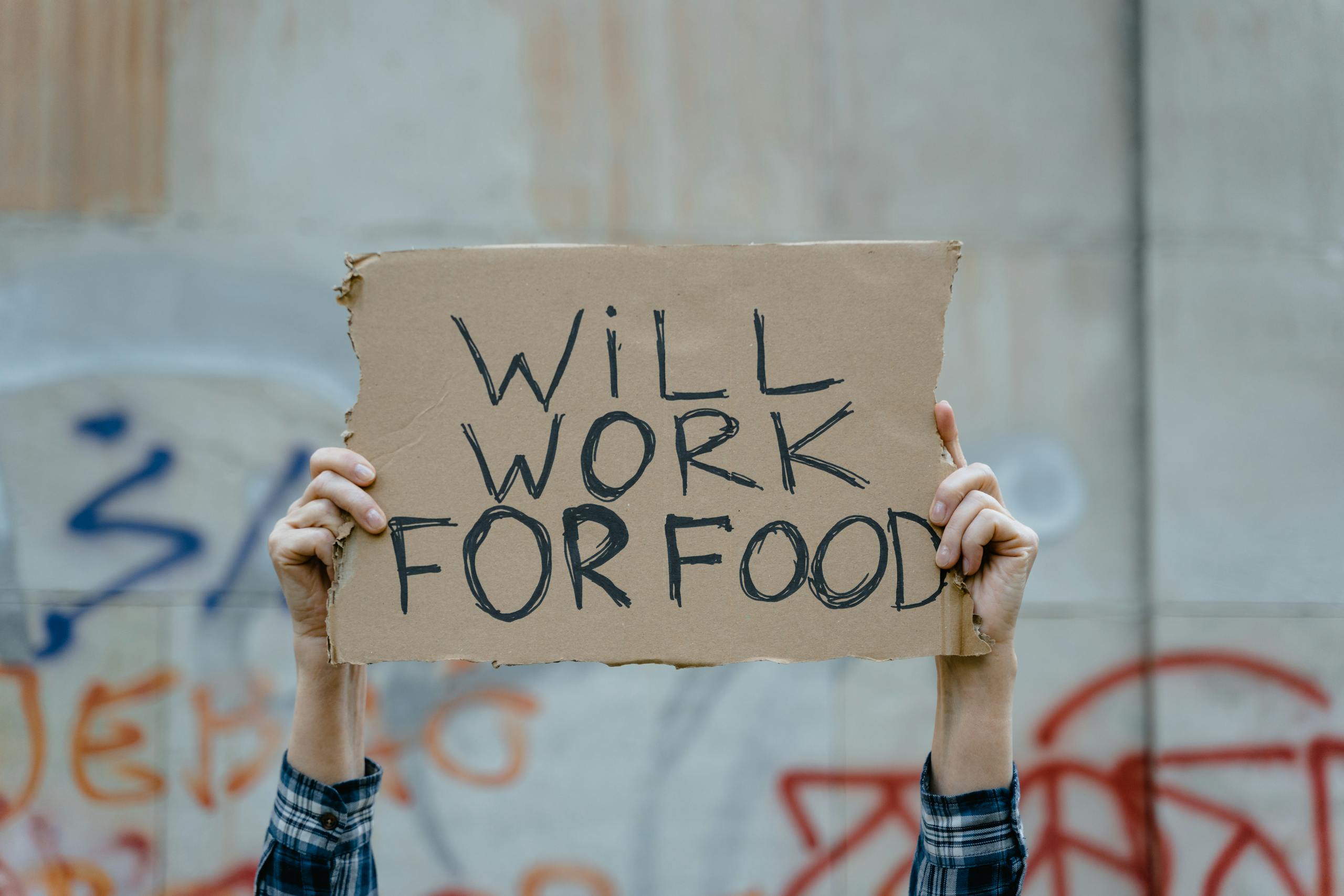
Americans grew up hearing that hard work pays off. It is the bedtime story of the economy. Work hard, follow the rules, keep showing up, and life should slowly get better. The problem is that many people are showing up for work, working overtime, driving for side gigs, skipping vacations, and still watching wealth float away from them like a balloon they were never allowed to hold.
The richest 10% of U.S. households held 67.2% of total household wealth, while the bottom 50% held only 2.5%. That is not a small gap. That is a system telling workers to climb a ladder while owners take the elevator. Capitalism becomes harder to defend when effort pays the bills, but ownership builds the empire.
It Broke the Link Between Productivity and Pay
American workers are not lazy. They answer emails after dinner, take calls during lunch, learn new software every year, cover extra shifts, train replacements, and somehow still get told the company had a “challenging quarter.” Productivity has climbed in modern America, but many workers do not feel richer, freer, or more secure. They just feel more reachable.
The gap between productivity and typical worker pay has widened dramatically since 1979. That gap explains a lot of American frustration. People can feel the economy growing around them without feeling included in the growth. The company expands. The stock rises. The executives celebrate. The worker gets a motivational email and a smaller raise than the rent increase.
It Turned Housing Into a Wealth Game
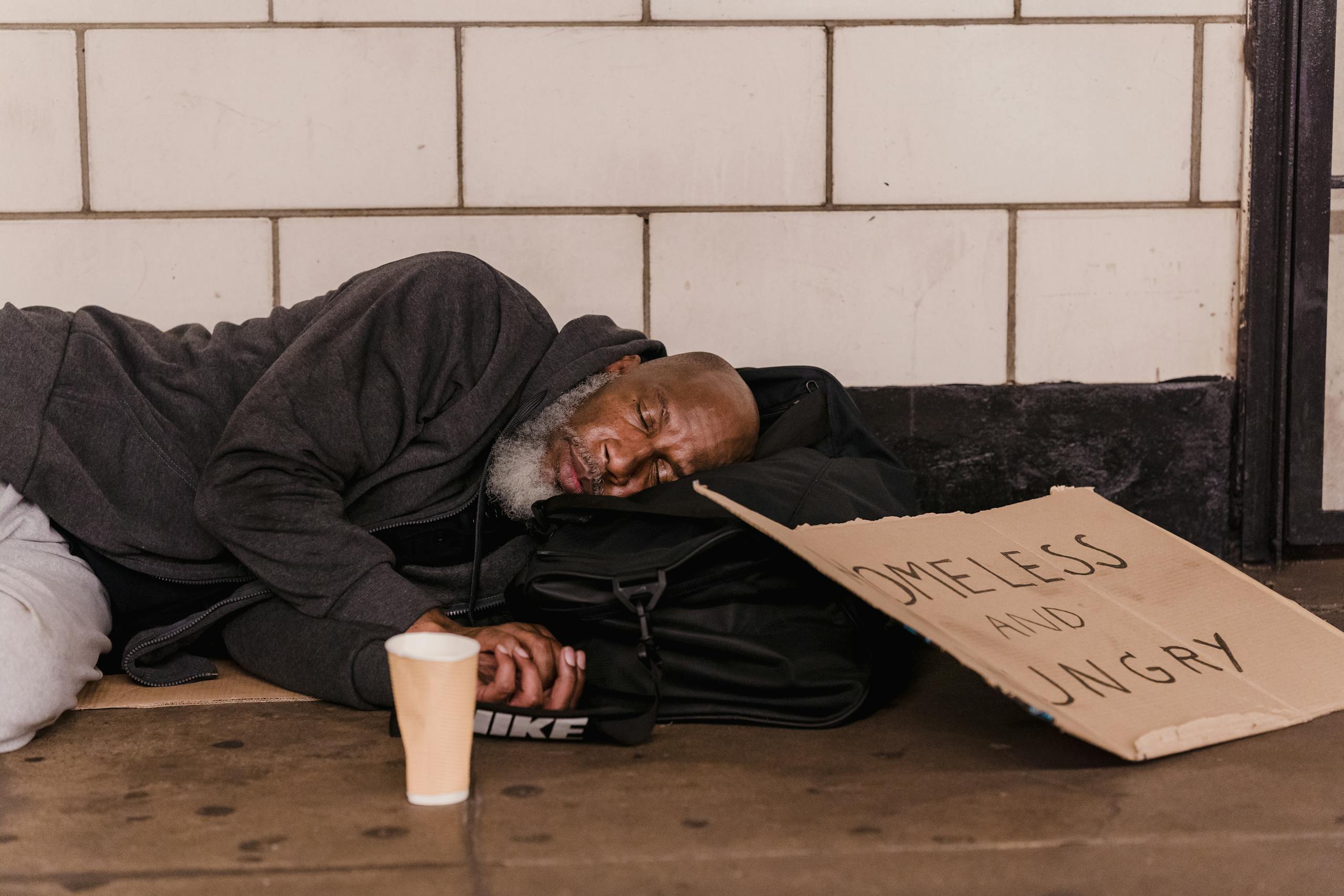
A home used to symbolize stability. Now it often feels like a game show where the prize is shelter, and the rules change every month. Buyers face high prices, high mortgage rates, investors, bidding wars, insurance spikes, and property taxes. Renters face landlords, fees, renewals, and the quiet dread of an email that says the lease is going up again.
Housing is not a luxury item. It is where children sleep, workers recover, families build routines, and seniors try to age with dignity. Yet the housing market increasingly treats shelter as an asset class rather than a human need. The number of cost-burdened renters reached a record high of 22.6 million renters. When capitalism turns the roof over your head into someone else’s investment strategy, ordinary people end up paying the carrying cost of a dream they may never own.
It Pushed Families Into Debt Just to Stay Normal
A lot of American debt does not come from luxury shopping sprees. It comes from the car breaking down, the kid needing shoes, the refrigerator dying, the copay hitting at the wrong time, or the electric bill landing before payday. Plenty of families are not borrowing because they are reckless. They are borrowing because life keeps handing them bills that arrive faster than wages.
Credit card balances reached $1.28 trillion in late 2025, while auto and student loan balances each stood at about $1.66 trillion. That is not just a spending culture. It is a survival culture with interest attached. A system that pushes people into debt for normal life is not giving them freedom. It is renting them temporary relief and charging them extra for needing it.
It Lets Profit Outrun the Planet
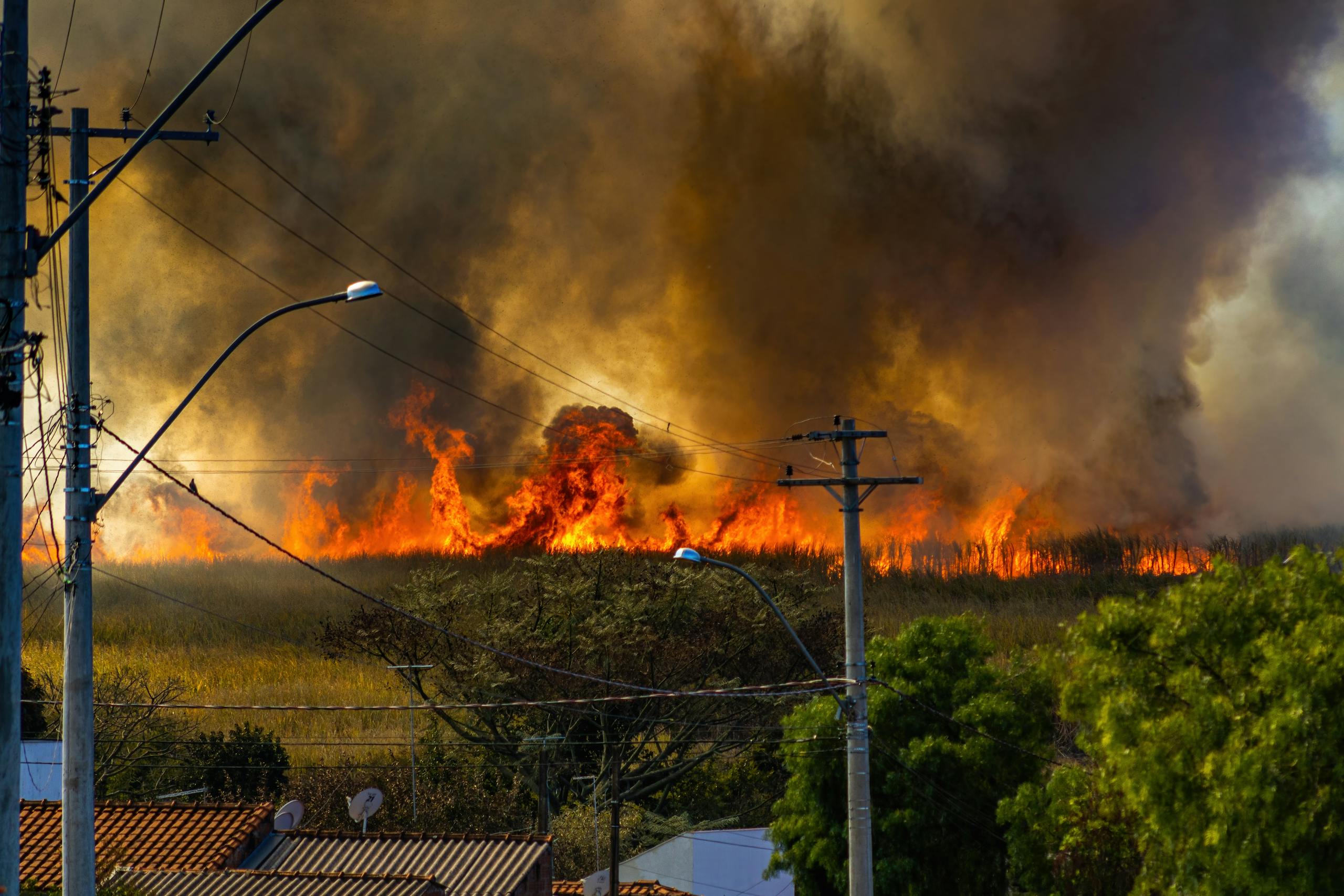
Americans no longer need a lecture on climate. They can see it in flooded basements, wildfire smoke, canceled insurance, ruined crops, brutal heat waves, and storm repairs that cost more than the family car. The old idea that environmental damage is someone else’s future problem no longer works. The bill has started arriving in real time.
In 2024, the United States experienced 27 weather and climate disasters totaling $182.7 billion in costs and at least 568 deaths. Capitalism becomes dangerous when it treats the planet like a warehouse and the public like the cleanup crew. Profits can move fast, but floods, fires, and heat waves move even faster at reminding people that growth without limits has consequences.
Conclusion
The United States does not need to abolish ambition, business, innovation, or personal success to admit the obvious. The obsession with capitalism has gone too far when people work full-time and still cannot breathe financially. It has gone too far when health care feels like a gamble, housing feels like a casino, debt feels normal, and workers are told to hustle harder while wealth keeps rising above them.
Capitalism can create wealth. That part is not in doubt. The real question is whether America is willing to stop treating profit as the highest moral good when that profit makes it harder to survive in ordinary life.
A better country would still reward ideas, effort, risk, and enterprise, but it would not ask families to sacrifice health, shelter, dignity, and the planet just to keep the machine smiling.
That is the real breaking point. Americans are not tired because they hate work. They are tired because work no longer guarantees stability. They are tired because every basic need has become a bill, every emergency has become debt, and every dream seems to come with a price tag that keeps moving farther out of reach.
The United States does not have to end every part of capitalism. It does need to end the obsession that says capitalism deserves protection even when Americans do not.