Most Americans know the small rituals of fear. You lock your car twice in a dark parking lot. You check the peephole before opening the door. You feel your stomach tighten when a strange van slows down near your street. True crime has trained people to picture danger as a stranger in the shadows. Yet some of the most chilling U.S. women serial killers did not look like threats at all.
They looked like nurses, wives, grandmothers, landladies, caretakers, and neighbors. They moved through hospitals, kitchens, farms, boarding houses, and family homes. These were the places where people expected food, medicine, shelter, love, and safety.
That is what makes their stories so disturbing. The formal idea of serial murder involves separate killings, but these cases reveal something colder. Sometimes danger does not break in. Sometimes it is already inside, smiling across the table.
Aileen Wuornos
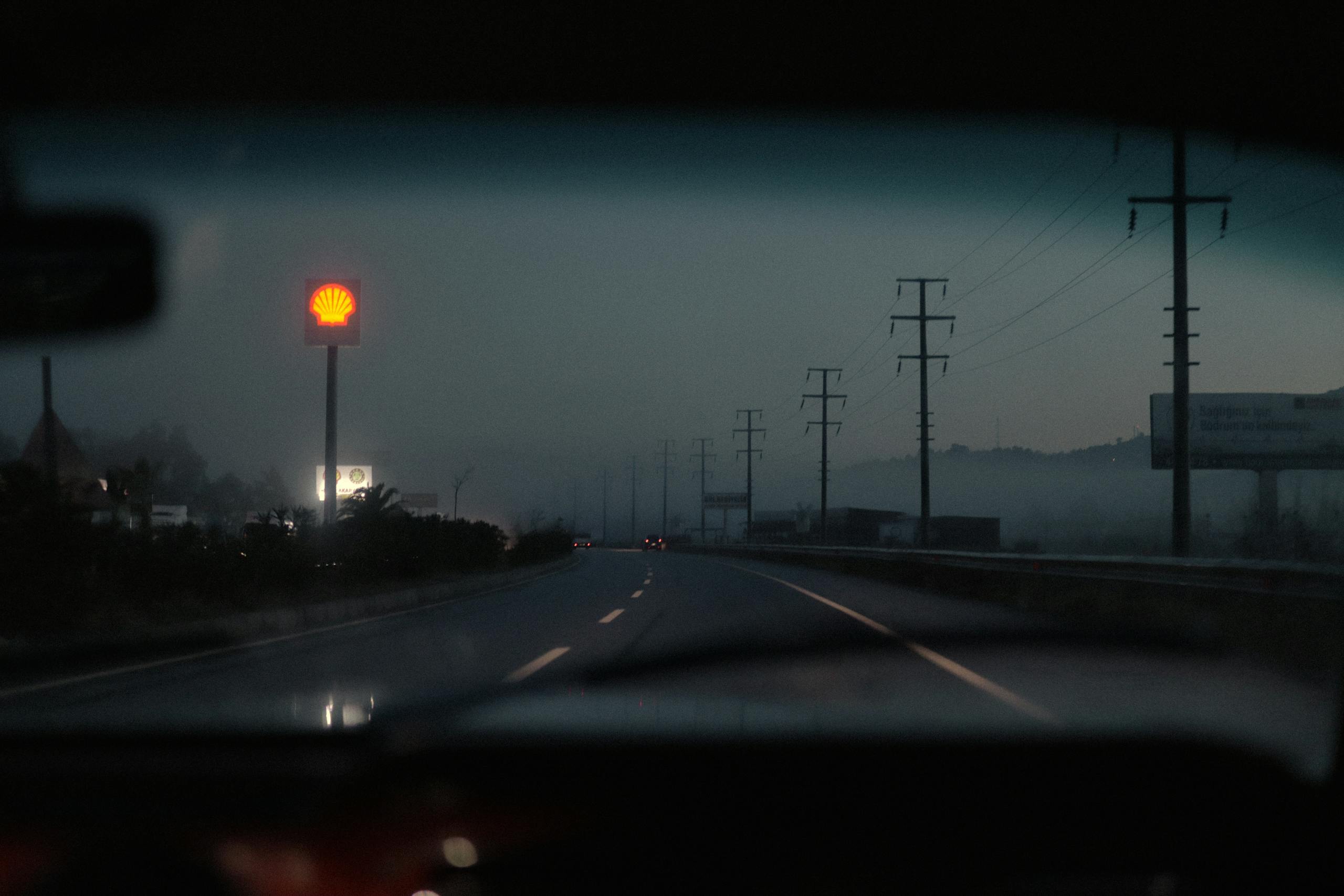
Every American has seen a lonely highway at night. The gas station lights buzz. The road stretches ahead. A few strangers pass through, and nobody really knows anyone’s story. That was the world around Aileen Wuornos, one of the most infamous female serial killers in America.
She lived on the hard edges of Florida, moving through truck stops, roadsides, and places where desperate people often go unseen.
Between 1989 and 1990, Wuornos killed multiple men and became a national symbol of trauma, violence, sex work, poverty, and punishment. Her story ended when she was executed in Florida in 2002. Some Americans saw only a killer who left families broken.
Others saw a damaged woman shaped by abuse and survival. That conflict keeps her story alive. She forced the country to face an ugly question: how much pain can a person bear before it becomes dangerous?
Belle Gunness
The American dream often comes wrapped in simple images. A farmhouse. Open land. A fresh start. Maybe even love after loneliness. Belle Gunness turned that dream into a trap. Her Indiana farm looked like the kind of place where a lonely man might find marriage, money, and a new life.
Many reportedly came after answering personal ads. They brought hope with them. Some brought cash. Many never made it home.
Her La Porte property became tied to a shocking trail of death after a 1908 fire exposed what had been hidden there. Gunness remains one of the most chilling figures in America’s female serial killer history. Her case still scares readers because she did not sell fear.
She sold romance, comfort, and reinvention. In a country built on second chances, she made the promise of a new beginning deadly.
Nannie Doss
Most families have someone who seems harmless by design. She laughs at the table. She remembers birthdays. She makes people feel at ease. Nannie Doss carried that kind of image, which made the truth even more unsettling. She smiled, joked, and looked like a grandmotherly figure. Then, investigators found the poison behind the charm.
Doss, later nicknamed “Giggling Granny,” confessed to several killings. Suspicion also followed deaths involving relatives and romantic partners. Her crimes feel especially disturbing because they lived inside the family home. She did not need to stalk strangers or force her way into private spaces.
She already had access to meals, medicine, bedrooms, and sickrooms. That is why her story still lands hard. She turned the kitchen, one of the warmest rooms in American life, into a place of quiet terror.
Jane Toppan

Few places make people feel more helpless than a hospital bed. You hand over your privacy, your clothes, your routine, and sometimes your life. You trust the person in the nurse’s uniform because you have to.
Jane Toppan twisted that trust into horror. She worked as a nurse in Massachusetts and became one of the most notorious medical killers in U.S. history.
Toppan admitted to killing dozens of people, making her case a chilling example of medical trust turned deadly. Her nickname, “Jolly Jane,” makes the story even darker. Patients likely saw warmth, care, and professional calm.
Behind that image was a woman who used medicine, access, and helplessness as weapons. Her case reminds Americans that danger can wear a badge, speak softly, and stand beside a bed where no one can run.
Amy Archer-Gilligan
Elder care carries a heavy emotional weight in America. Families want aging parents to be safe, fed, watched, and treated with dignity. Amy Archer-Gilligan ran a Connecticut home that should have offered that kind of peace. Instead, the home became linked to an alarming number of deaths. Residents died at a pace that raised terrifying questions.
Investigators later found poison in exhumed bodies, turning her case into one of the most unsettling examples of care home horror in America. Her victims were elderly and dependent. Many were unlikely to fight back or draw quick suspicion.
That made the setting even more disturbing. A respectable home for vulnerable people became a place where too many lives ended under suspicious circumstances. Archer-Gilligan’s case still feels frightening because it exposes how easily kindness can be performed while cruelty hides beneath the surface.
Dorothea Puente
Every American city has houses that people pass without a second thought. A porch. A front door. A quiet older woman. A few tenants coming and going. Dorothea Puente hid behind that kind of ordinary scene in Sacramento. She ran a boarding house for vulnerable people, many of whom needed shelter, stability, and government benefits.
Then bodies were found buried on the property. Puente was tried for murders connected to tenants and a boyfriend, with benefit payments becoming a key part of the case. Her story remains a grim warning about vulnerable tenants and hidden danger.
Puente did not just exploit trust. She exploited invisibility. Her victims were people society often ignored, which made the horror easier to miss. That is what makes her case so haunting. Some people disappear slowly because too few others are looking for them.
Genene Jones
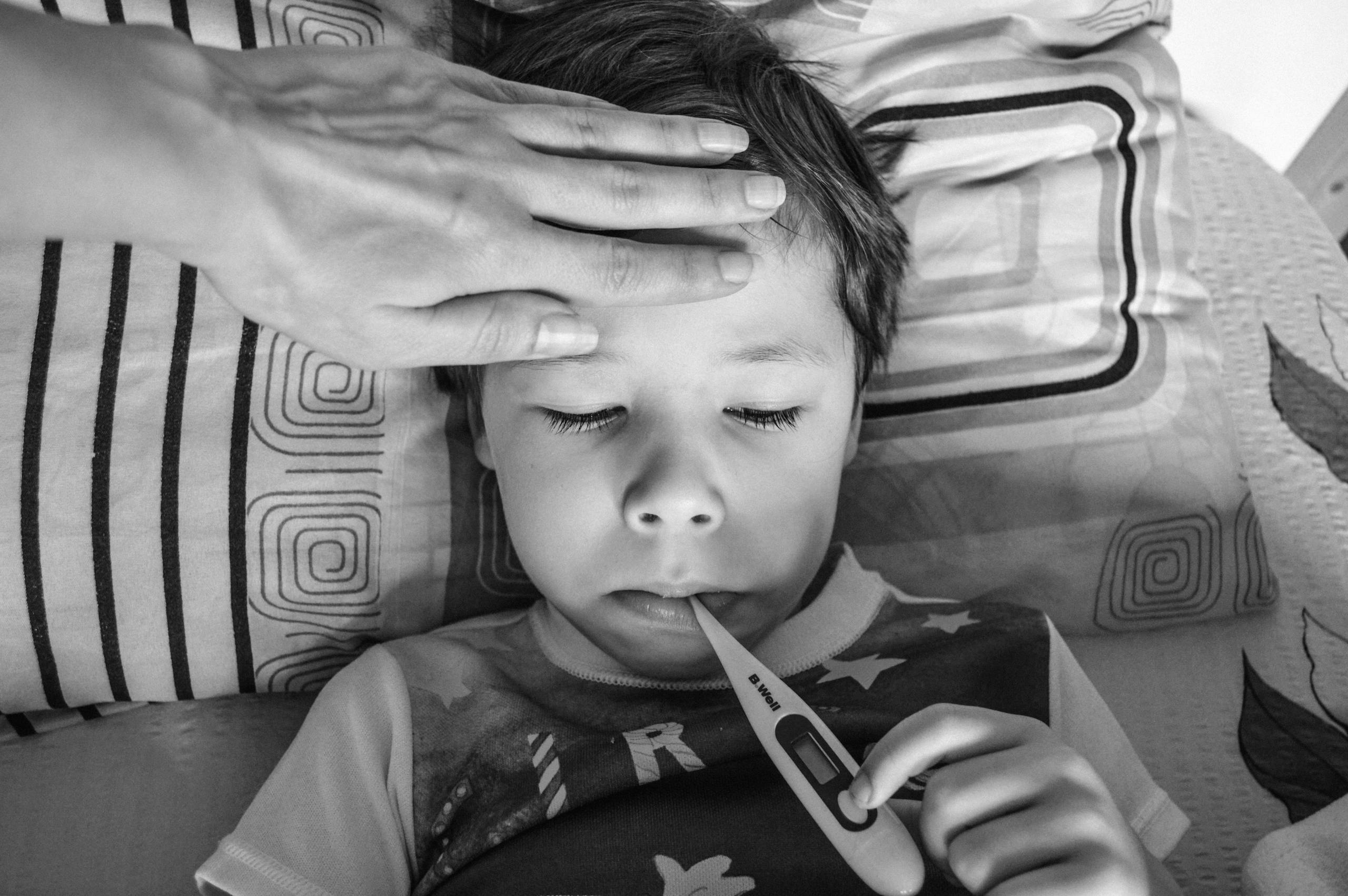
Parents know the panic of a sick child. The late-night fever. The rushed drive. The waiting room chair feels harder by the minute. In that moment, families want only one thing: someone who can help. Genene Jones turned that hope into a nightmare. She worked around infants and children in Texas, where prosecutors later connected her to deadly medical harm.
Her case became even darker when she pleaded guilty decades later to the murder of an infant tied to children harmed under medical care. Jones is horrifying because her victims could not speak for themselves. Babies cannot name danger. They cannot explain pain.
They cannot warn their parents that the person nearby may be a threat. That helplessness makes her one of the most emotionally disturbing figures among U.S. women serial killers.
Kristen Gilbert
Veterans hospitals carry a deep promise. After serving the country, patients expect care, dignity, and protection. Kristen Gilbert worked inside that world at a Veterans Affairs medical center in Massachusetts. Suspicious deaths eventually pulled investigators toward her. The case centered on patients harmed inside a hospital, a setting that made the crimes feel even more cruel.
Her victims were not nameless strangers in a dark alley. They were patients in beds. They were veterans who had already faced danger before trusting a hospital with their lives. Gilbert’s case shows how horror can hide inside routine. It can appear during rounds, behind official systems, under clean sheets, and inside a place built for healing. That betrayal is why her story still unsettles readers.
Judy Buenoano
Life insurance is supposed to be a practical act of love. People buy it to protect families from financial ruin after tragedy. Judy Buenoano turned that safety net into something sinister. Death followed people close to her, including her husband, her boyfriend, and her son. Her case involved poisoning, drowning, suspicious illness, and money.
Buenoano became one of the most infamous American women tied to murder and financial gain. Her story feels especially cold because the victims were not random. They were family and romantic partners. They were people who let their guard down around her.
That kind of betrayal cuts deeper than violence from strangers. Buenoano made intimacy look like access. She turned love, illness, and insurance into parts of a deadly pattern.
Velma Barfield
Velma Barfield looked like someone who could belong in any small Southern town story. A mother. A neighbor. A woman with private troubles behind closed doors. Yet her name became tied to poison, theft, addiction, and murder.
She was convicted of killing her boyfriend with arsenic. Investigators later connected her to more suspicious deaths involving people close to her.
Her case remains a haunting example of arsenic poisoning and betrayal. Barfield’s crimes are unsettling because they unfolded inside relationships that should have carried trust. Poison made the violence appear first as sickness, weakness, and decline.
That slow deception makes her story especially dark. Some crimes do not begin with a scream. Some begin with a quiet dose, a worried face, and a lie.
Why These Cases Still Disturb America
These U.S. women serial killers remain frightening because they break the usual true crime image. They did not always look like predators. Many looked ordinary, helpful, warm, or forgettable. That ordinary surface made them harder to spot and easier to trust.
Their crimes also reveal how vulnerable people can become inside familiar spaces. A hospital room. A rented bedroom. A farmhouse. A family kitchen. A care home. These places are supposed to lower our guard. In these cases, that lowered guard became the opening.