America has a funny way of humbling people with a road sign. You can survive airport security, find your rental car, beat the hotel check-in line, and still embarrass yourself by saying one city name like your GPS gave up halfway through.
It happens everywhere. At college tours. At gas stations. At airport gates. At family dinners, one cousin suddenly becomes a pronunciation expert. Some U.S. place names come from Native languages. Others come from Spanish, French, Dutch, English, and local history, all of which never cared about simple spelling.
That is how you get cities that ignore half their letters, streets that refuse to sound like famous cities, and parks that punish anyone who guesses too quickly. These are 12 U.S. place names you’re probably saying wrong.
Spokane, Washington
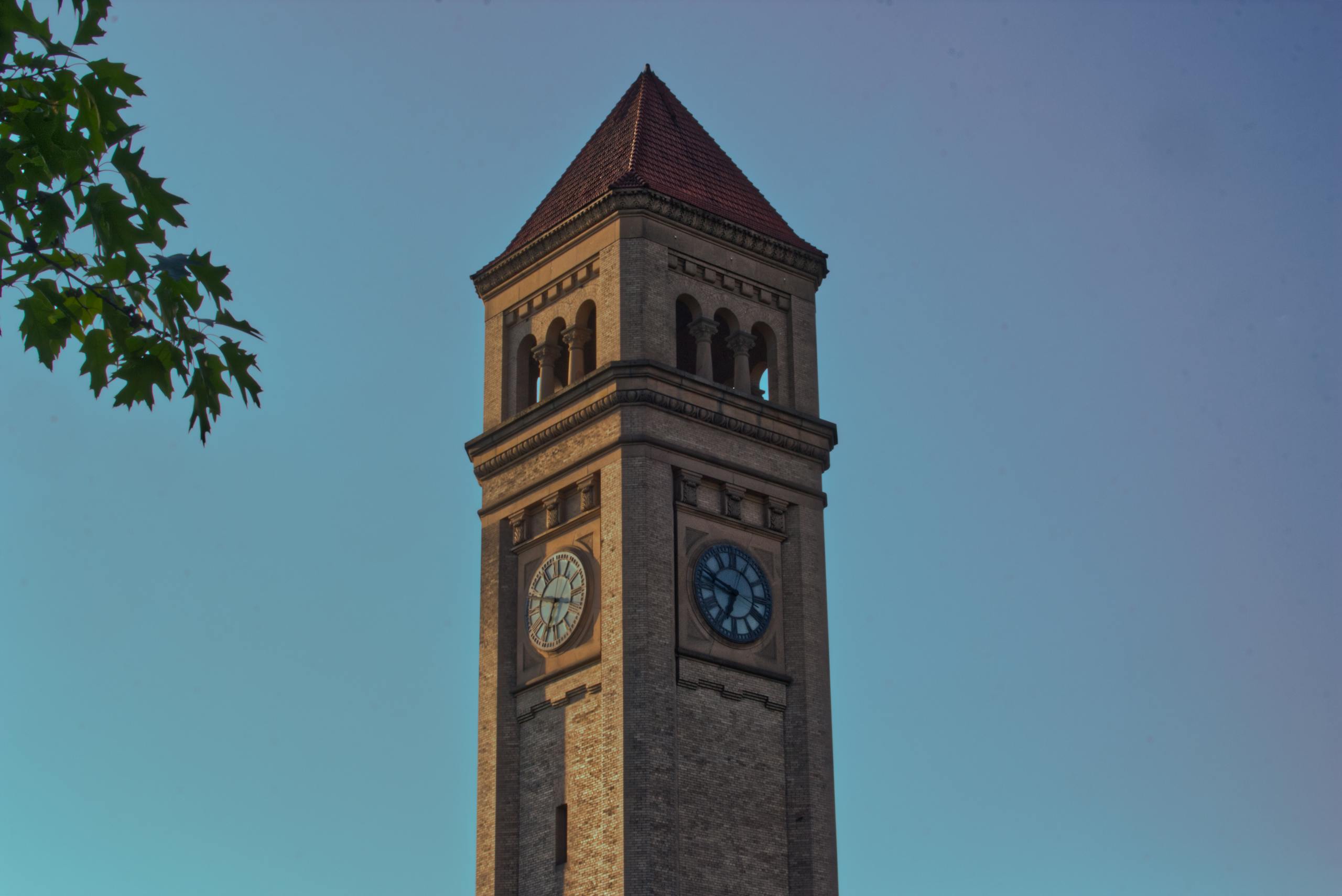
Spokane looks like it should rhyme with “cane.” That is the trap. The wrong way is Spo-CANE. The correct way is Spo-CAN, with a short ending that sounds like “can.” It is one of those commonly mispronounced city names that can quickly expose a traveler.
You might be standing at the airport with coffee in one hand and a suitcase in the other, feeling fully prepared for the Pacific Northwest. Then you say “Spo-CANE,” and a local immediately knows you are visiting. Say Spo-CAN, and you sound much closer to someone who checked the map before landing.
Wilkes-Barre, Pennsylvania
Wilkes-Barre looks like it should end with “bar.” That feels fair. It is also wrong. The correct pronunciation is Wilks-BARRY.
This northeastern name has a spelling that makes outsiders pause before asking for directions. The ending sounds like the name Barry, not like a place where you order drinks. Once you learn it, it sticks. Until then, Pennsylvania is quietly testing you.
Arkansas
Arkansas is one of America’s classic pronunciation traps. It sits next to Kansas in people’s minds, only to refuse to follow the same rules. The wrong way is Ar-KAN-zus. The correct way is AR-kan-saw, and the state’s own history explains the Arkansas name pronunciation clearly.
The final “s” stays silent. It is there for tradition, confusion, and maybe a little chaos. Say AR-kan-saw, and let that final letter enjoy its quiet retirement.
Yosemite National Park, California
Yosemite is one of America’s most famous parks, yet people still trip over the name. It is not Yo-se-MIGHT. It is not Yo-SE-mi-nee. The correct pronunciation is Yoh-SEM-it-ee, one of several places often mispronounced by confident readers.
The key is giving each of the four beats a name. Do not drop the ending. Do not rush it. This is the kind of word people confidently butcher while planning a bucket-list trip to Half Dome. Say Yoh-SEM-it-ee, and the waterfalls sound even more impressive.
La Jolla, California
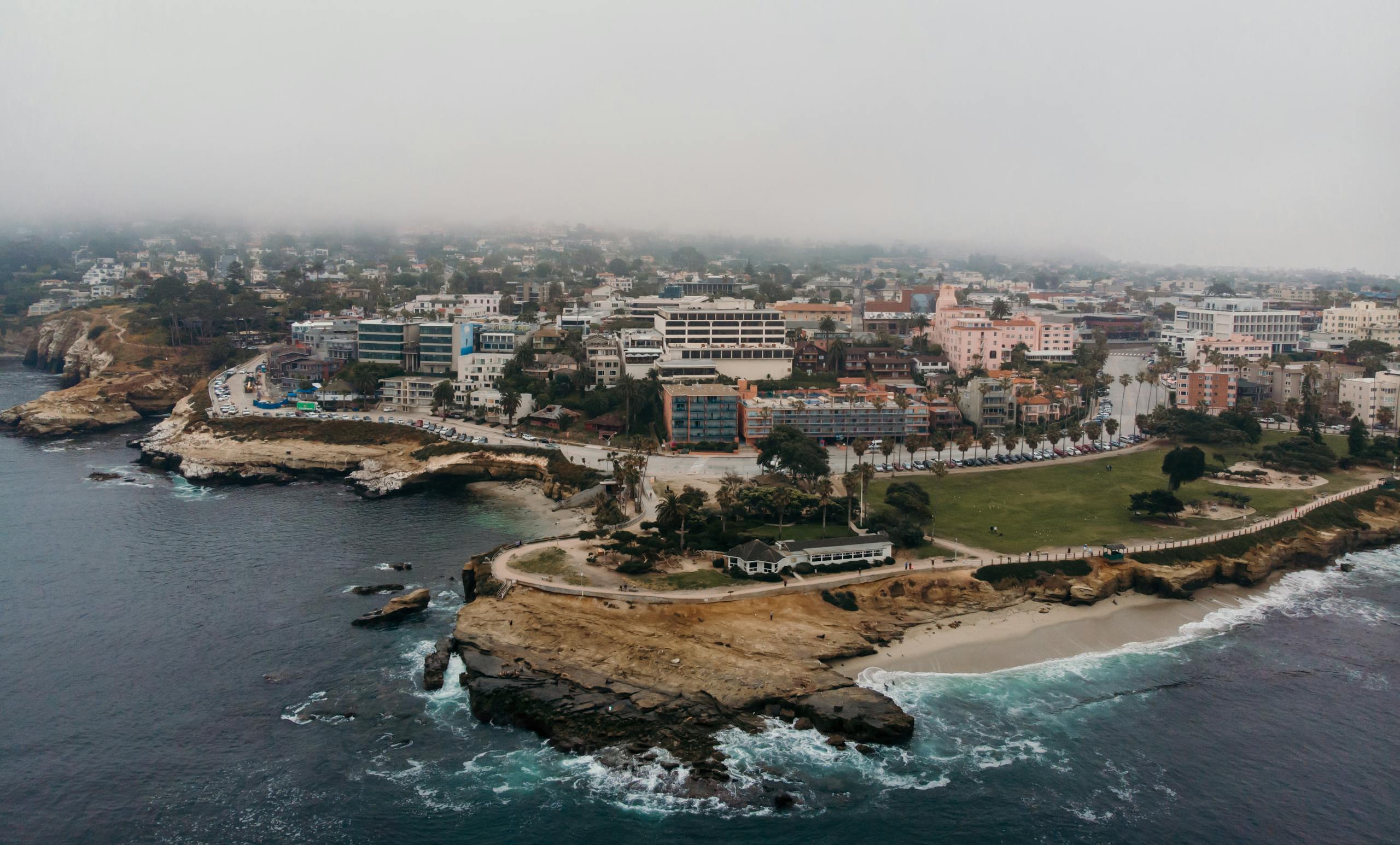
La Jolla should be pronounced exactly as written. That is why people mess it up. The wrong way is La JOL-la. The correct way is La HOY-a.
This San Diego-area name has Spanish influence, so the double “l” does not behave the way many English speakers expect. Say it wrong near the beach, and someone may correct you before the fish tacos arrive. Say La HOY-a, and suddenly you sound like you know your way around Southern California.
Helena, Montana
Helena looks like it should sound soft and fancy, like Hel-LAY-na. Montana disagrees. The state capital is pronounced HELL-e-na.
This one surprises people because many know Helena as a person’s name with a different sound. But place names often have their own rules. Say HELL-e-na, and you sound like someone who knows the Mountain West does not always follow what the spelling seems to promise.
Schenectady, New York
Schenectady looks like someone spilled consonants across a map and decided to keep them. The correct pronunciation is ski-NEK-tuh-dee.
The beginning is the trick. That “Sch” does not sound like “shh.” It starts more like “ski.” This is one of those upstate New York names that can humble even confident readers. Say ski-NEK-tuh-dee, and you sound like you survived at least one confusing road sign.
Houston Street, New York City
Houston Street in New York City is not pronounced like Houston, Texas. This is where tourists get caught. If you say HYOO-ston Street, New Yorkers will know you are visiting before you even ask which subway line to take.
The correct pronunciation is HOW-ston Street. Same spelling. Different sound. New York does not care how Texas handles it. Say HOW-ston, and you may save yourself one tiny correction from a local who is already walking too fast.
Louisville, Kentucky
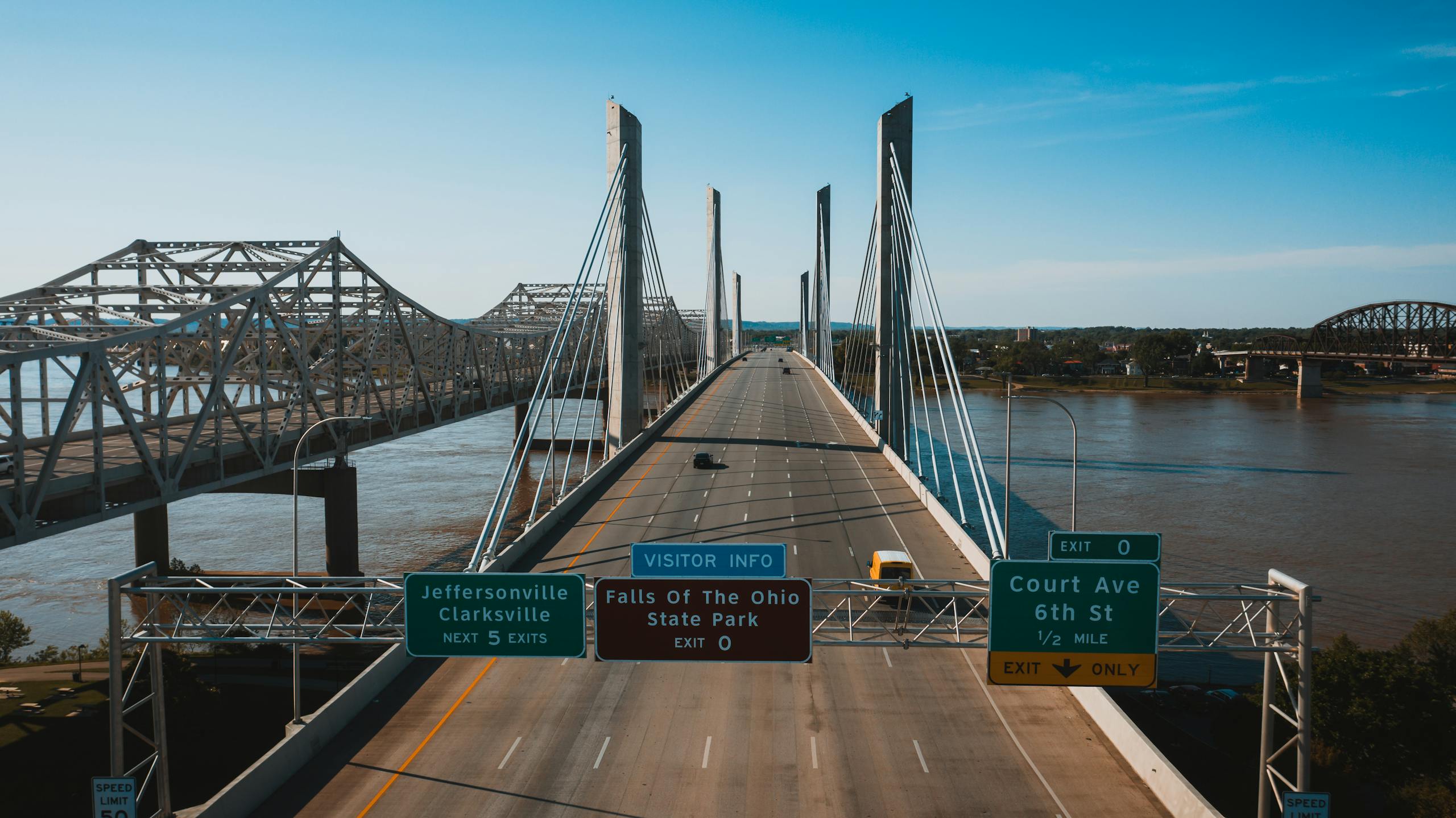
Louisville causes arguments because people pronounce it in several ways. But if you want to sound closer to local Kentucky usage, avoid the overly crisp Loo-iss-ville. A better version is LOO-uh-vull, with the middle softened.
This name gets smoother the closer you get to Kentucky. The syllables relax. The ending almost melts. Say it too carefully, and it sounds like you are reading from a textbook. Say LOO-uh-vull, and you sound closer to Derby country.
Worcester, Massachusetts
Worcester is New England, showing off. It looks like WOR-ches-ter or WOR-sess-ter, but locals do not say all those letters. The correct pronunciation is WUSS-ter, one of those U.S. cities mispronounced so often that it almost feels like a local entrance exam.
This is one of those names that makes Americans question the entire English language. Massachusetts has plenty of them. The key is to stop trying too hard. Say WUSS-ter, and do not rescue the missing syllables. They are gone.
Carnegie Hall, New York
Carnegie Hall looks familiar because the name appears on libraries, universities, and buildings across America. Still, many people stress it incorrectly. It is not CAR-na-gee. The better pronunciation is ker-NEGG-ee.
The middle carries the weight. That is the trick. Say ker-NEGG-ee Hall, and you sound more polished before the concert even starts. Say it wrong, and it feels like showing up to a black-tie event in airport sweatpants.
Kissimmee, Florida
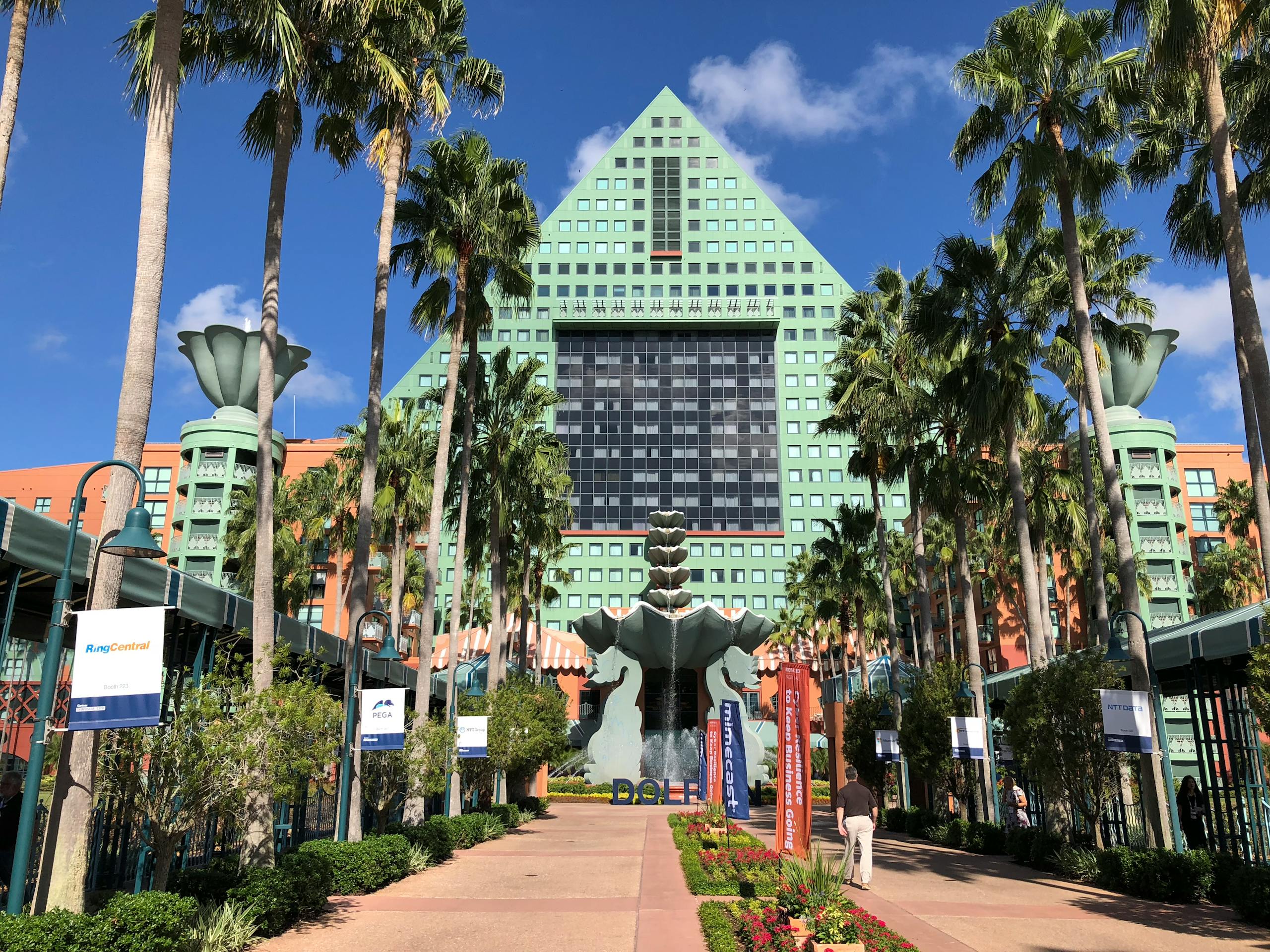
Kissimmee looks like it wants to be romantic. It is not pronounced like “kiss me.” The wrong way is KISS-a-mee. The correct way is ka-SIM-mee, and Florida travelers often stumble over how to pronounce Kissimmee.
This Central Florida name catches the attention of people heading toward theme park country. The stress goes in the middle. Say ka-SIM-mee, and you avoid turning a real place name into an accidental Valentine’s Day joke at the hotel desk.
Conclusion
U.S. place names can make even confident readers sound lost. The map looks simple until Worcester drops half its letters, Houston Street refuses to act like Texas, and La Jolla reminds everyone that Spanish pronunciation still matters.
The good news is that locals usually respect the effort. You do not need a perfect accent. You just need to know which letters stay quiet, where the stress goes, and which familiar-looking names are setting a trap.
So before your next road trip, airport layover, college visit, or awkward small-talk moment, practice these names out loud. It might save you from a friendly correction, a confused stare, or the painful realization that your GPS had better pronunciation than you did.