Americans are tired. Not “I need a nap” tired. More like “why does a sandwich cost $17 before tip and why am I paying a subscription to use something I already bought?” tired.
Everywhere you look, some new inconvenience has been dressed up as modern life. Rent keeps climbing. Groceries feel personal. Jobs demand loyalty; they do not return. Restaurants hand you a tablet asking for 25% before anyone has even made eye contact.
Then someone says, “That’s just how things are now,” as if the entire country is supposed to smile politely while getting squeezed from every direction.
The problem is not that Americans hate change. The problem is that too many changes seem designed to make ordinary life more expensive, more exhausting, and less human. These are the things many Americans are tired of being told to accept as normal.
Tipping Screens That Make Every Purchase Feel Like a Moral Test
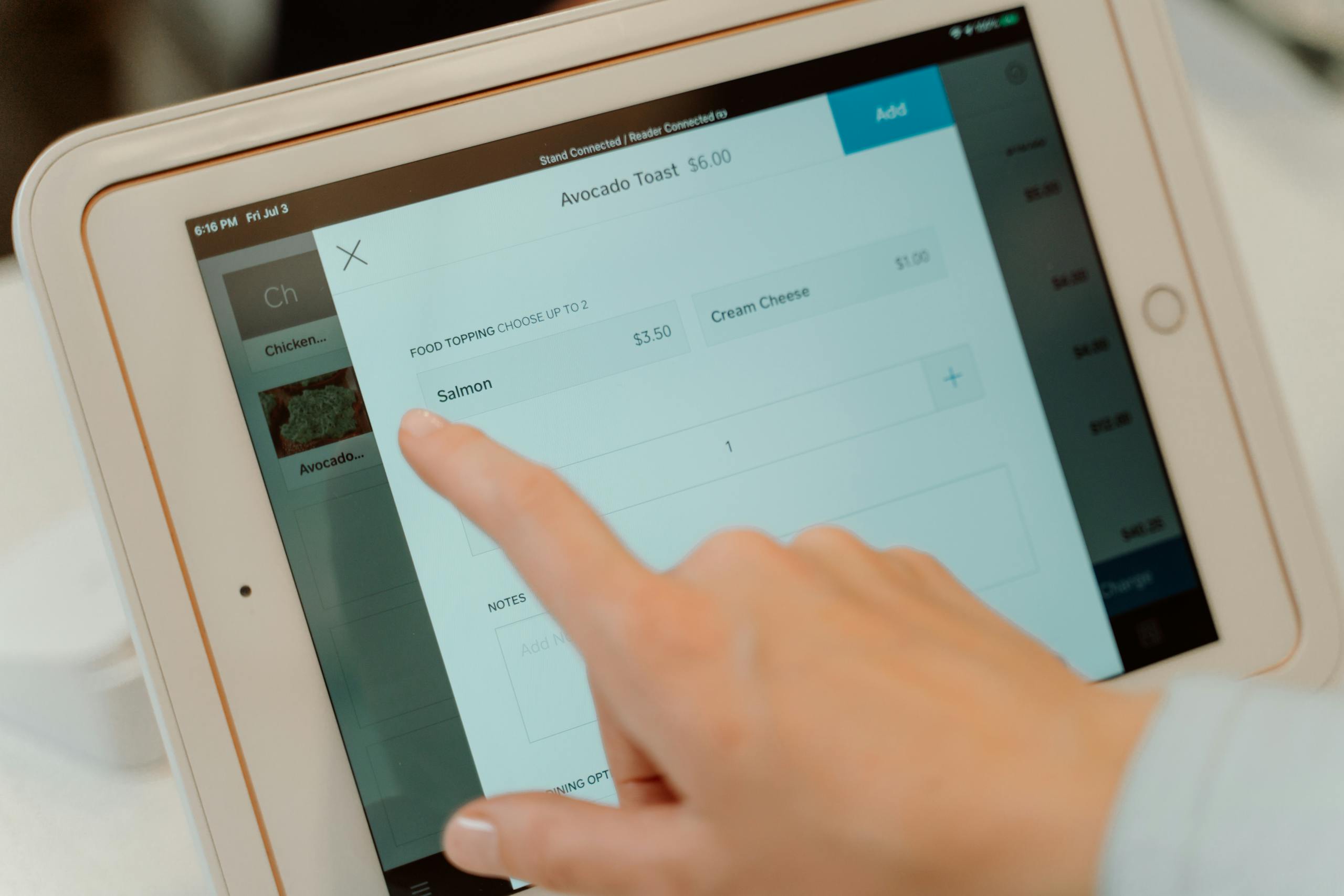
There was a time when tipping felt clear. You sat down, someone served you, and you left a little extra as a tip for good service. Now the tablet spins around at coffee shops, bakeries, food trucks, takeout counters, smoothie bars, and places where the “service” was someone handing you a muffin from behind glass.
The awkwardness is the point. You are standing there with a line behind you, the cashier watching, and the screen casually asking if you want to tip 20%, 25%, or 30% on something you picked up yourself. Choose “no tip,” and suddenly it feels like you just committed a public moral failure. With tipping expected more widely than it was a few years ago, the frustration is understandable.
Americans are not angry at workers. Most people understand that service employees are underpaid and overworked. The anger comes from companies pushing the guilt onto customers instead of paying people properly. A tip should feel like appreciation, not emotional blackmail with a touchscreen.
Grocery Bills That Make One Bag Feel Like a Luxury Purchase
There is a special kind of rage that comes from leaving the grocery store with two bags and a receipt long enough to qualify as paperwork. Eggs, cereal, meat, produce, snacks, coffee, and basic household items all seem to have joined a secret club where everything costs more than it should.
The insult is that people are not buying champagne and imported cheese every week. They are buying bread, milk, chicken, fruit, pasta, and the same boring things their families need to function. Somehow, the total still looks like they accidentally purchased a small appliance. Recent food-at-home prices show grocery costs are still moving enough to keep shoppers on edge.
Americans are tired of being told to “budget better” when the budget keeps getting attacked from every aisle. You can meal prep, coupon, compare prices, and still feel like the grocery store is reaching into your wallet with both hands.
Rent Prices That Treat Ordinary Apartments Like Luxury Resorts
At some point, “basic apartment” started sounding like “exclusive urban living experience” just because the unit has gray floors, a tiny gym, and a lobby plant. The rent goes up. The fees multiply. The walls are still thin enough to hear someone sneeze in the next unit.
Americans are tired of paying premium prices for places that are not premium. A one-bedroom apartment should not require a financial strategy meeting. A studio should not cost as much as a mortgage.
A person working full-time should not have to choose between rent, groceries, healthcare, and having a life. The pressure is real when housing affordability burdens keep swallowing more of ordinary household income.
The most insulting part is the language. Every rental listing sounds like a luxury escape, even when the laundry room smells weird, and the parking situation feels like a competitive sport. People do not need “elevated living.” They need affordable housing that doesn’t eat up half their paycheck.
Jobs That Demand Loyalty but Offer None Back

American work culture still loves the word “family” until layoffs start. Then suddenly the family has a restructuring plan, a locked email account, and a cardboard box for your desk items.
Workers are tired of being told to go above and beyond for companies that would replace them before their chairs cooled. They are tired of answering emails after hours, pretending burnout is ambition, and acting grateful for benefits that should have been basic all along.
The worst part is the emotional performance. Smile through chaos. Be passionate. Be flexible. Be a team player. Accept more work without more pay. Then, when employees ask for balance, they get accused of lacking a work ethic. That is not a workplace culture. That is a guilt machine with fluorescent lights.
Subscription Fees for Everything Under the Sun
Subscriptions used to be for magazines and cable. Now, everything wants a monthly payment. Streaming services, fitness apps, meal kits, software, cloud storage, delivery memberships, security cameras, car features, printer ink, dating apps, and probably your toaster if someone finds a way.
Americans are exhausted by the feeling that ownership is disappearing. You buy the device, then pay to use the feature. You subscribe to one service, then it splits into three. You cancel cable, then somehow rebuild cable through seven separate apps that all raise prices.
The monthly charges look small until they gather like ants at a picnic. $4.99 here, $12.99 there, $19.99 somewhere else, and suddenly your bank statement looks like it got attacked by convenience.
Healthcare That Feels Like a Bill Before It Feels Like Care
Nothing makes Americans feel trapped faster than needing medical help and immediately wondering what it will cost. People delay appointments, avoid prescriptions, ignore symptoms, and pray nothing serious happens because the bill can feel as scary as the diagnosis.
The system has trained people to ask the wrong first question. Not “Will I be okay?” but “Can I afford this?” That is brutal. Nobody should be lying in pain, checking insurance details, and trying to calculate whether the emergency room will financially ruin them.
The rage comes from how normal this has become. People swap medical debt stories like weather updates. They compare insurance nightmares at work. They stay in jobs they hate because leaving might mean losing coverage. That is not freedom. That is fear with paperwork.
Delivery Fees That Turn a $12 Meal Into a $31 Regret

Food delivery sounded like a miracle at first. Press a button, food appears, life gets easier. Then the fees arrived like a swarm. Delivery fee. Service fee. Small order fee. Local fee. Tip: Price markups. Suddenly, a burger and fries cost enough to make you consider fasting.
Americans know convenience costs money. What annoys people is the feeling of being nickel-and-dimed into regret. The menu price says one thing, the checkout screen says another, and by the end, you are staring at the total, wondering if the driver is bringing food or a legal settlement.
The worst part is that people still use the apps because modern life is exhausting. After work, traffic, errands, childcare, and stress, cooking can feel impossible. The apps know this. Convenience is no longer a treat. It is a trap with extra sauce.
Customer Service That Has Been Replaced by Robots and Patience Tests
Trying to reach a real person now feels like entering a maze designed by someone who hates humanity. Press one for billing. Press two for support. Enter your account number. Say your issue. Repeat your issue. Listen to hold music. Get disconnected. Start over.
Americans are tired of companies making problems easy to create and hard to fix. Canceling something should not require detective skills. Correcting a charge should not take 45 minutes and three transfers. Getting help should not feel like a punishment for needing help.
The rage is simple: companies can take your money instantly, but when something goes wrong, suddenly everyone is “experiencing higher than normal call volume.” At this point, higher-than-normal call volume has been normal for a decade.
The Pressure to Monetize Every Hobby
Somewhere along the way, hobbies stopped being allowed to just exist. Bake cookies? Start a side hustle. Like photography? Build a brand. Enjoy writing? Launch a newsletter. Love making crafts? Open an online shop. Even rest has to be optimized, tracked, or turned into content.
Americans are tired of every interest being treated like wasted potential unless it produces money. Not everything needs a business plan. Some things should be done badly, privately, joyfully, and with no intention of scaling.
The pressure to monetize everything is exhausting because it turns joy into work. A hobby is supposed to be where the soul catches its breath. Turning every passion into a revenue stream is how people end up needing a hobby from their hobby.
Being Told to Stay Positive While Everything Gets Harder

The final insult is the forced optimism. Prices rise. Work gets heavier. Housing gets harder. Healthcare gets scarier. Retirement feels further away. Then someone says, “Just be grateful,” as if gratitude pays rent or lowers the electric bill.
Americans can be grateful and still angry. They can appreciate what they have and still notice when the system feels rigged against ordinary people. Positivity becomes insulting when it is used to silence legitimate frustration.
People do not need another motivational quote over a sunset. They need wages that match costs, healthcare that does not terrify them, housing they can afford, jobs that respect them, and a culture that stops pretending exhaustion is a personal failure.
Conclusion
Americans are not angry because they hate everything. They are angry because too many everyday things now feel harder than they need to be. Buying food, renting a home, getting medical care, working a job, canceling a subscription, or ordering dinner should not feel like a battle against invisible fees and polite corporate language.
The rage is not random. It is the sound of people noticing that “normal” has become too expensive, too complicated, and too exhausting. At some point, the country has to stop asking people to adjust their attitude and start asking why ordinary life keeps getting harder to afford.
Tradition says Americans are tough. Fine. But toughness should not mean accepting a worse deal every year and calling it adulthood. Sometimes the most reasonable thing a tired country can say is, “No, actually, this is ridiculous.”