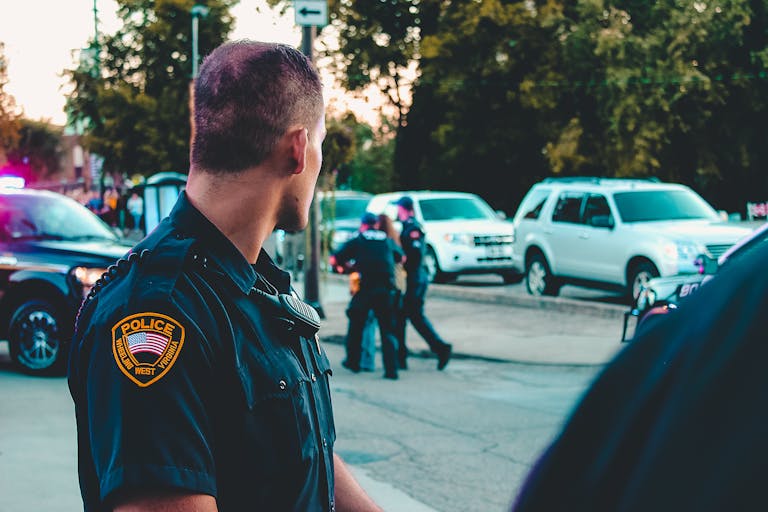
Life in prison is not just the final scene in a Netflix true-crime documentary. It is not just the sentence people hear after a courthouse clip goes viral. In America, a life sentence can begin with one violent decision, one reckless plan, one repeat offense, or one choice to stay involved when every warning light is already flashing.
You see these stories in local headlines all the time. A robbery at a gas station turns deadly. A kidnapping crosses state lines. A drug case grows into a federal investigation. Someone says, “I was just there,” but the court sees them as part of the crime.
That is the terrifying part. Life sentences do not always begin with a movie-style villain. Sometimes, they begin in a parking lot, a borrowed car, a group chat, or a bad plan that should have ended before it started.
This is not legal advice. Laws vary by state, charge, criminal history, plea deal, and case facts. Still, these are the types of crimes that can put someone behind bars for life.
Committing first-degree murder
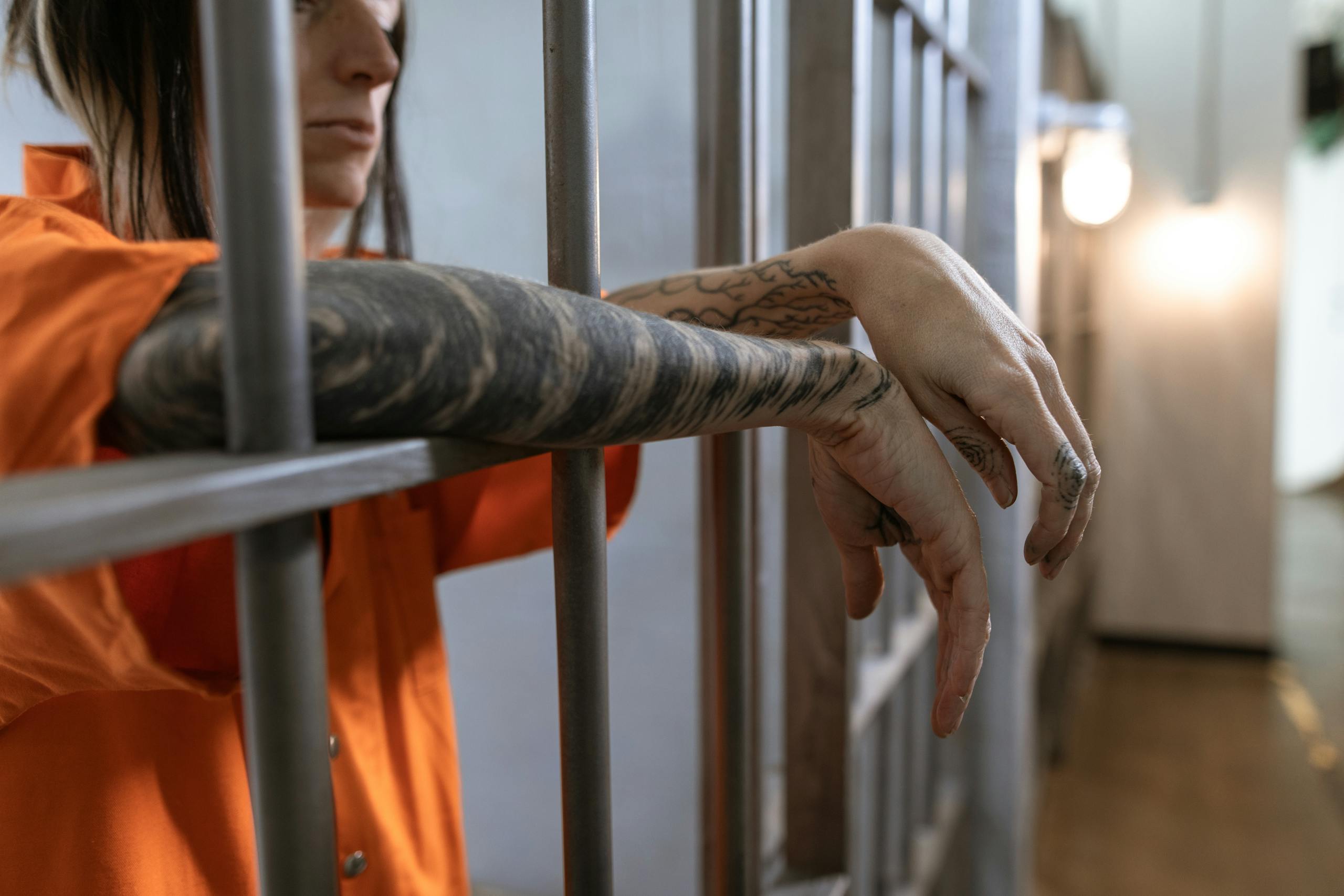
Murder is the clearest way someone can end up serving life in prison. In federal law, first-degree murder can be punished by death or life imprisonment, and second-degree murder can also bring any term of years or life.
That is why murder cases carry such heavy weight. One violent decision can erase one life and destroy many others around it. Families lose futures, communities lose peace, and the person convicted may lose every ordinary freedom they once took for granted.
The punishment is not just about prison time. It is about never walking into a grocery store freely again. Never sit at a backyard cookout without permission. Never waking up on a quiet Sunday morning without bars, counts, and rules shaping the day.
Joining a felony where someone dies
One of the biggest mistakes people make is thinking, “I did not kill anyone, so I am safe.” That can be dangerously wrong. The felony murder rule can allow people involved in a violent felony to be charged with murder if someone dies during the crime, even when they did not intend to kill anyone.
Think about a robbery, burglary, arson, kidnapping, or sexual assault that turns fatal. The driver, lookout, planner, or person who helped set it up may still face life-changing consequences. The court may look at the whole criminal event, not just the person who caused the death.
This is where “I was only there” can fall apart. A quick score can become a permanent sentence. A bad plan can turn into the reason someone never comes home again.
Kidnapping someone
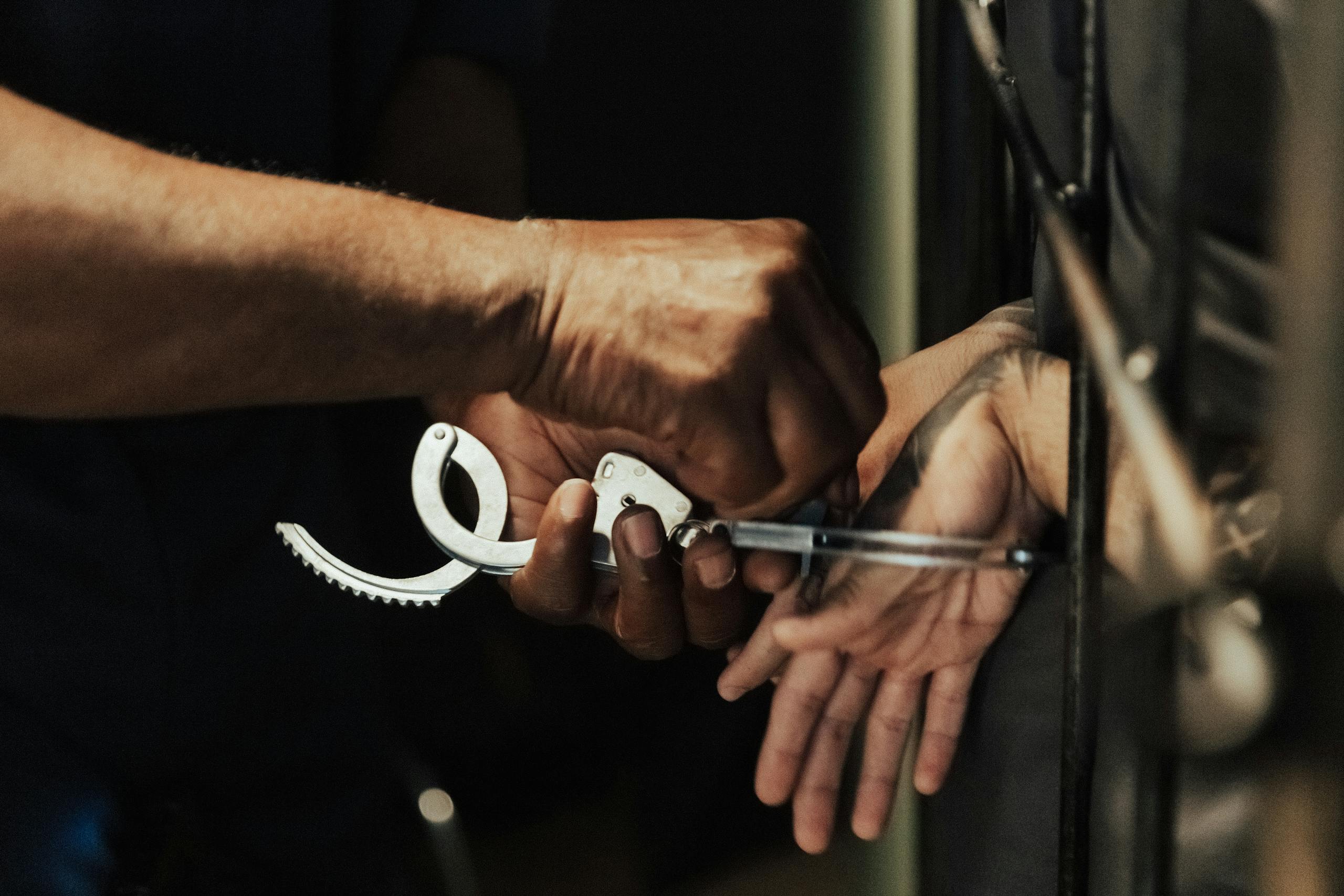
Kidnapping is not treated like a dramatic TV plot. It is one of the crimes that can bring extreme punishment because it takes away a person’s freedom, safety, and control.
This can include cases involving ransom, threats, coercion, transportation, or holding someone against their will. Once a person is moved, hidden, restrained, or used as leverage, the stakes rise fast.
The legal system sees kidnapping as more than a movement from one place to another. It is terror. It is control. It is the kind of crime that can leave a victim traumatized long after the physical danger ends.
Repeating serious violent crimes
A life sentence can also come from a pattern. Someone may avoid the maximum penalty once. They may avoid it twice. But repeated violent crimes can push the justice system toward its harshest punishment.
Under the federal “three strikes” rule, certain repeat serious violent offenders can face mandatory life imprisonment after qualifying prior convictions. That means the final crime may not be judged alone.
A court may review the record and find danger, repetition, and a refusal to stop. A third major offense can become the one that shuts the door for good.
Trafficking or exploiting children
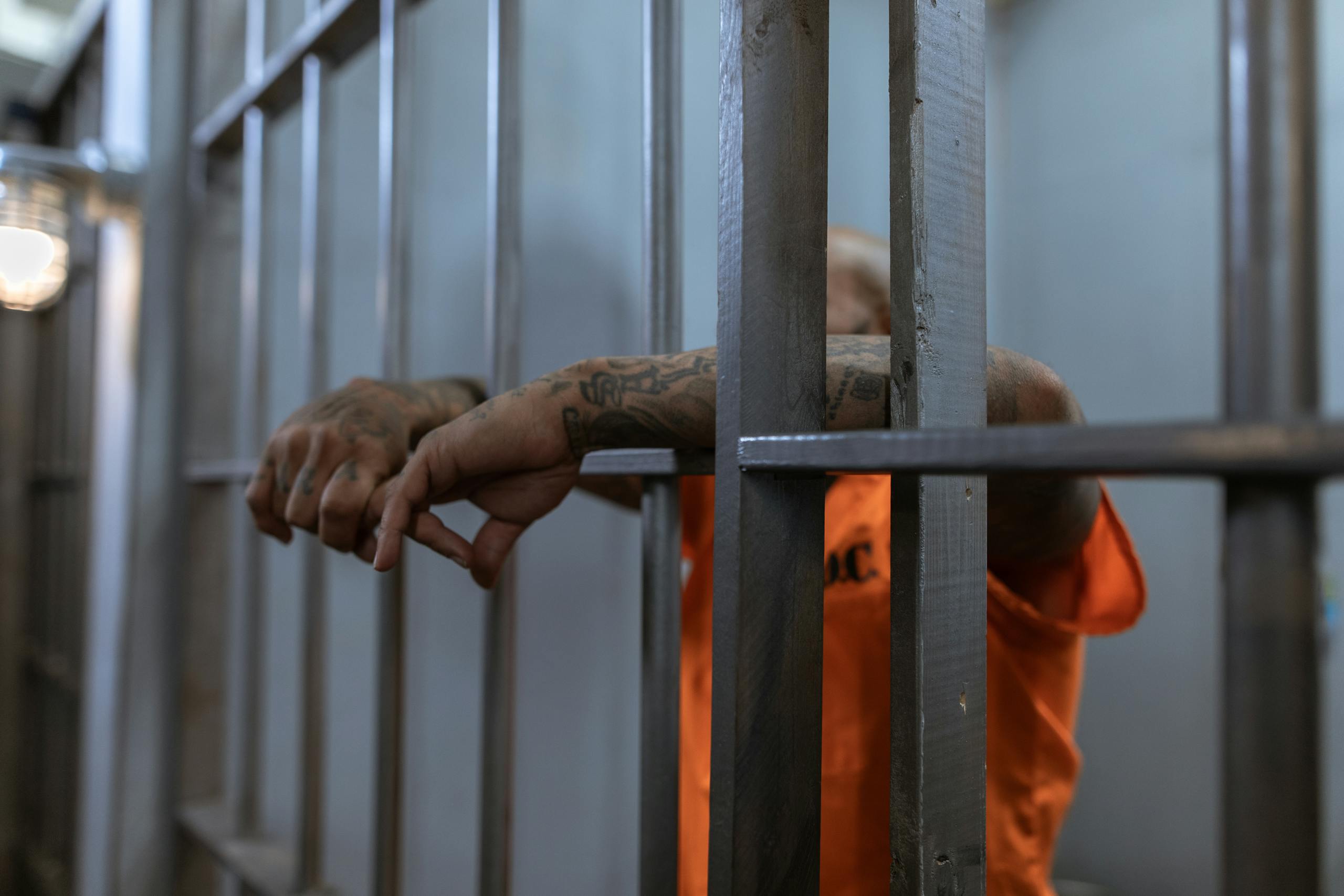
Crimes involving child trafficking and exploitation can bring crushing sentences. These cases often involve vulnerable victims, coercion, control, money, and long-term harm.
That means “I only helped a little” may not sound safe in court. Helping with transportation, advertising, arrangements, money, communication, or protection can result in serious punishment.
When children are involved, the consequences become even more severe. The law treats minors as especially vulnerable, and the public reaction is usually unforgiving. One wrong operation can ruin every future plan.
Running a major drug operation
Not every drug case leads to life in prison. Many do not. But major trafficking cases can become life-sentence cases when large quantities, deaths, firearms, leadership roles, prior convictions, or organized networks are involved.
Federal sentencing research found that life sentences are rare, but they still appear in serious federal cases, including drug trafficking, racketeering, and firearms offenses.
This is where people often underestimate the risk. Someone may think they are only holding money, delivering a package, making calls, or helping a friend. But in a major federal case, prosecutors may look beyond the individual.
The bigger the operation, the harder it becomes to pretend the role was small. What looks like quick cash can become a lifetime of consequences.
Using or threatening mass violence
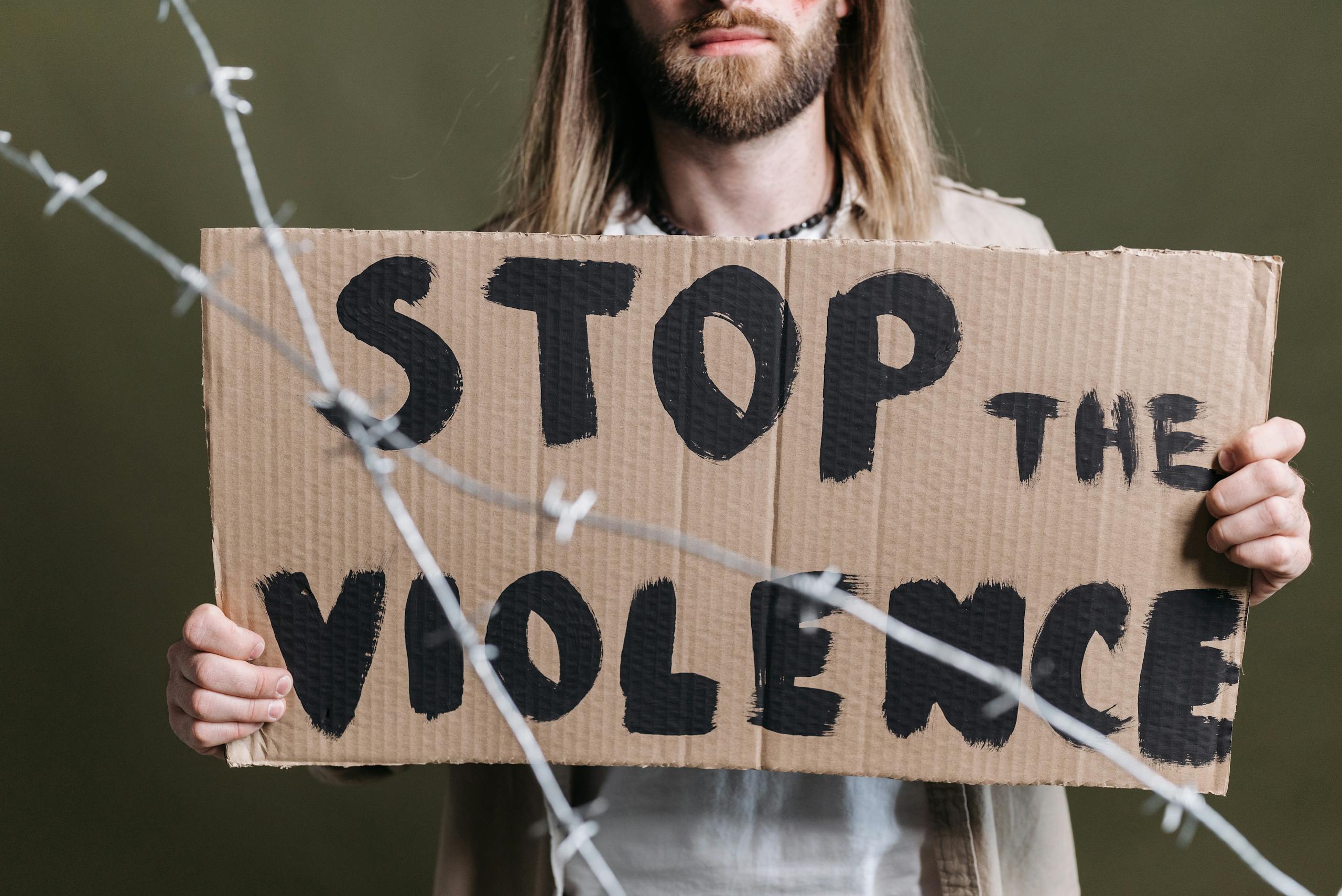
Mass violence cases are treated with extreme seriousness because the possible harm is enormous. These cases may involve threats, attempts, conspiracies, attacks on civilians or property, or plans intended to create widespread fear.
Federal law on weapons of mass destruction allows punishment of any term of years or life. If death results, the punishment can become even harsher.
These cases are different because the target may be more than one person. It may be a public space, a transit system, a school, a workplace, a government building, or a crowded event.
When the goal is mass harm or mass fear, the justice system responds harshly. Life in prison becomes more than possible. It becomes one of the sentences prosecutors may pursue.
Committing repeated sex crimes against children
Crimes against children are among the most severely punished offenses in the justice system. When someone has prior qualifying convictions and commits another serious sex offense involving a minor, the sentence can become life-changing in the most permanent way.
The law treats children as especially vulnerable. That means repeat offenses can remove much of the court’s flexibility.
At that point, life in prison may not be just a possible outcome. It may be the required one. The sentence reflects how seriously the system treats repeated harm against minors.
Conclusion

Life in prison usually follows the most serious crimes. Murder. Kidnapping. Repeated violence. Child exploitation. Major trafficking. Mass violence. Cases where someone dies. These are not small mistakes with easy exits.
The bigger warning is that a life sentence can begin before anyone steps into court. It can begin with a group plan, a weapon, a ride, a threat, a lie, or a decision to stay involved when common sense is screaming to leave.
Americans love true crime because the stories feel shocking from a distance. But the lesson is not entertainment. Some choices do not just create a bad record; they create one. They erase freedom. They take away normal mornings, family dinners, birthdays, road trips, second chances, and the simple ability to walk outside when you want.
Some lines are not worth crossing. Once crossed, they can take the rest of a person’s life with them.