A stolen car does not just ruin a morning. It can blow up a workweek, drain a savings account, delay school drop offs, and leave a driver standing in a parking lot staring at empty pavement like the car simply vanished into thin air.
Even though vehicle theft has cooled from its pandemicera surge, the problem has not disappeared. The National Insurance Crime Bureau reported that U.S. vehicle thefts fell in 2025 to 659,880, a 23% drop from 2024, but that still means one vehicle was stolen every 48 seconds.
The map tells a sharper story. Some states still sit far above the national motor vehicle theft rate. Bureau of Justice Statistics data for 2024 placed the national motor vehicle theft offense rate at 270.6 per 100,000 residents, with New Mexico at the top among states at 538.1 per 100,000.
Oregon
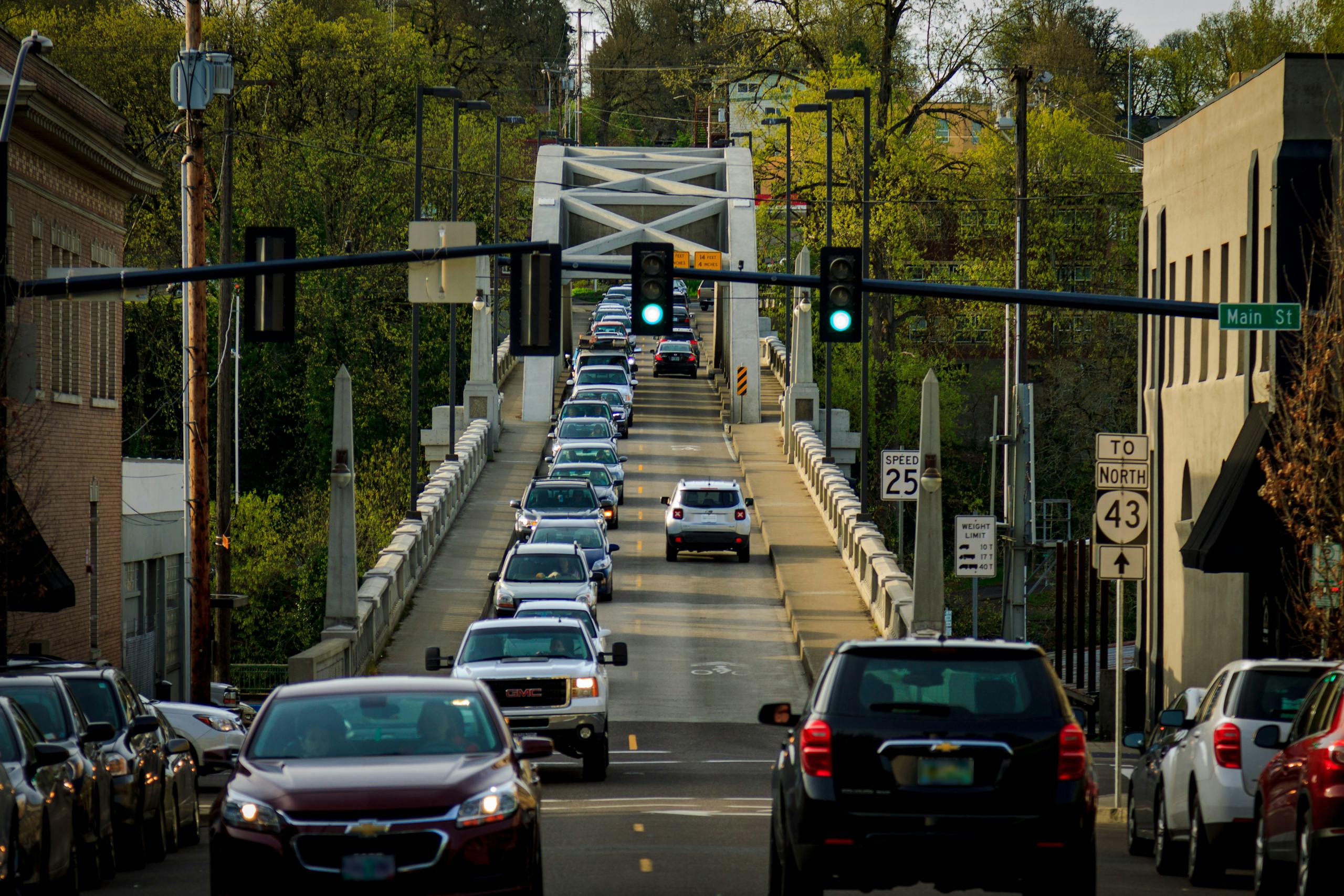
Oregon lands in the danger zone with a 2024 motor vehicle theft rate of 300.4 per 100,000 residents. That puts it above the national rate and keeps the state on the radar for drivers who assume car theft is mostly a big city problem.
Portland and surrounding areas have helped shape Oregon’s reputation as a car theft trouble spot. For everyday drivers, the lesson is simple: a quiet street is not the same thing as a safe parking spot.
Illinois
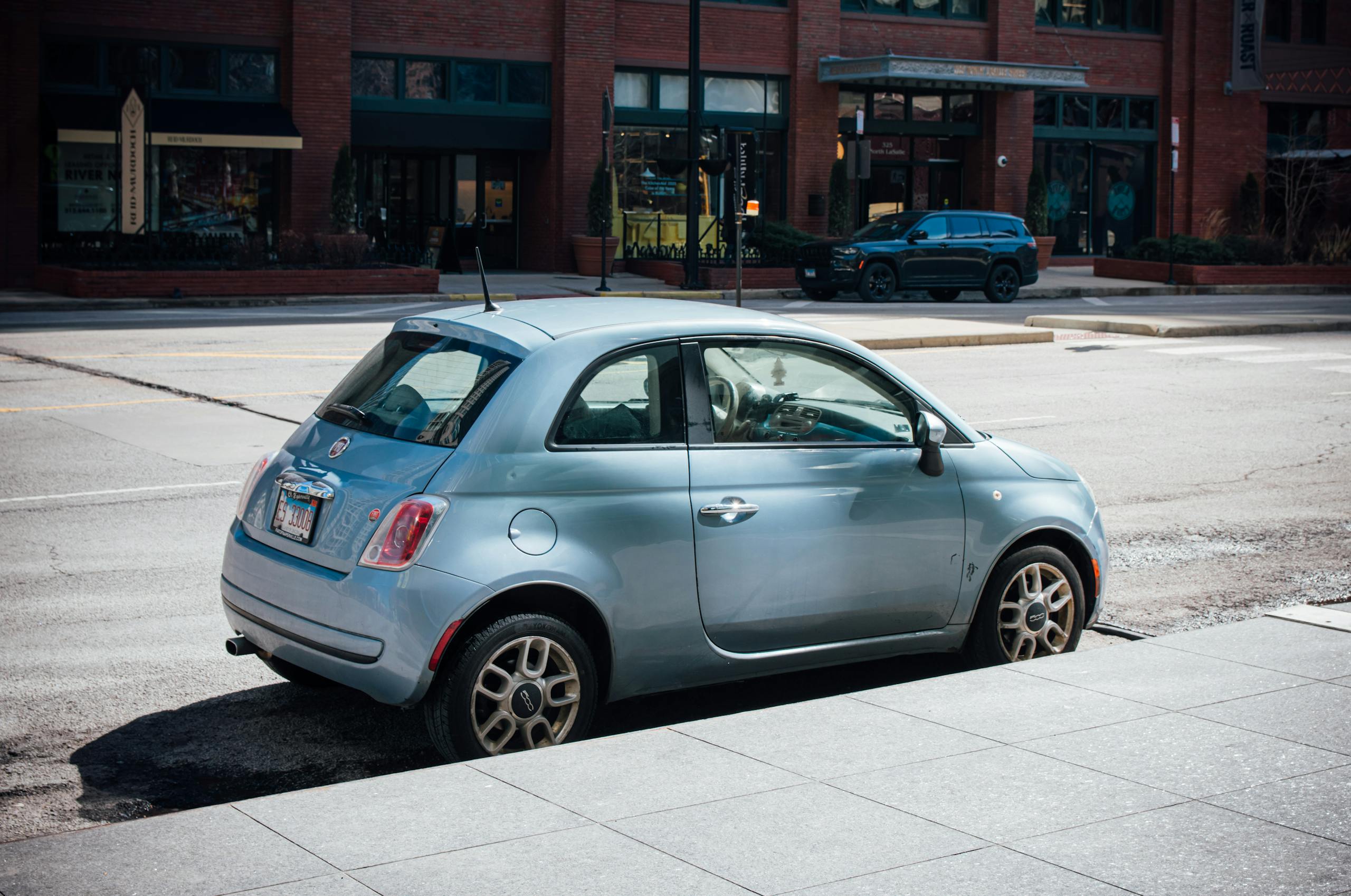
Illinois recorded a motor vehicle theft rate of 303.6 per 100,000 residents in 2024. That number reflects the pressure of a state with large urban centers, dense parking areas, and plenty of vehicles moving through commercial corridors.
Chicago alone gives thieves a huge hunting ground of commuter cars, delivery vehicles, older sedans, and pickups. In a state like Illinois, car theft is not just a crime statistic. It becomes part of the daily calculation for where to park, what to drive, and how much insurance may cost.
Texas
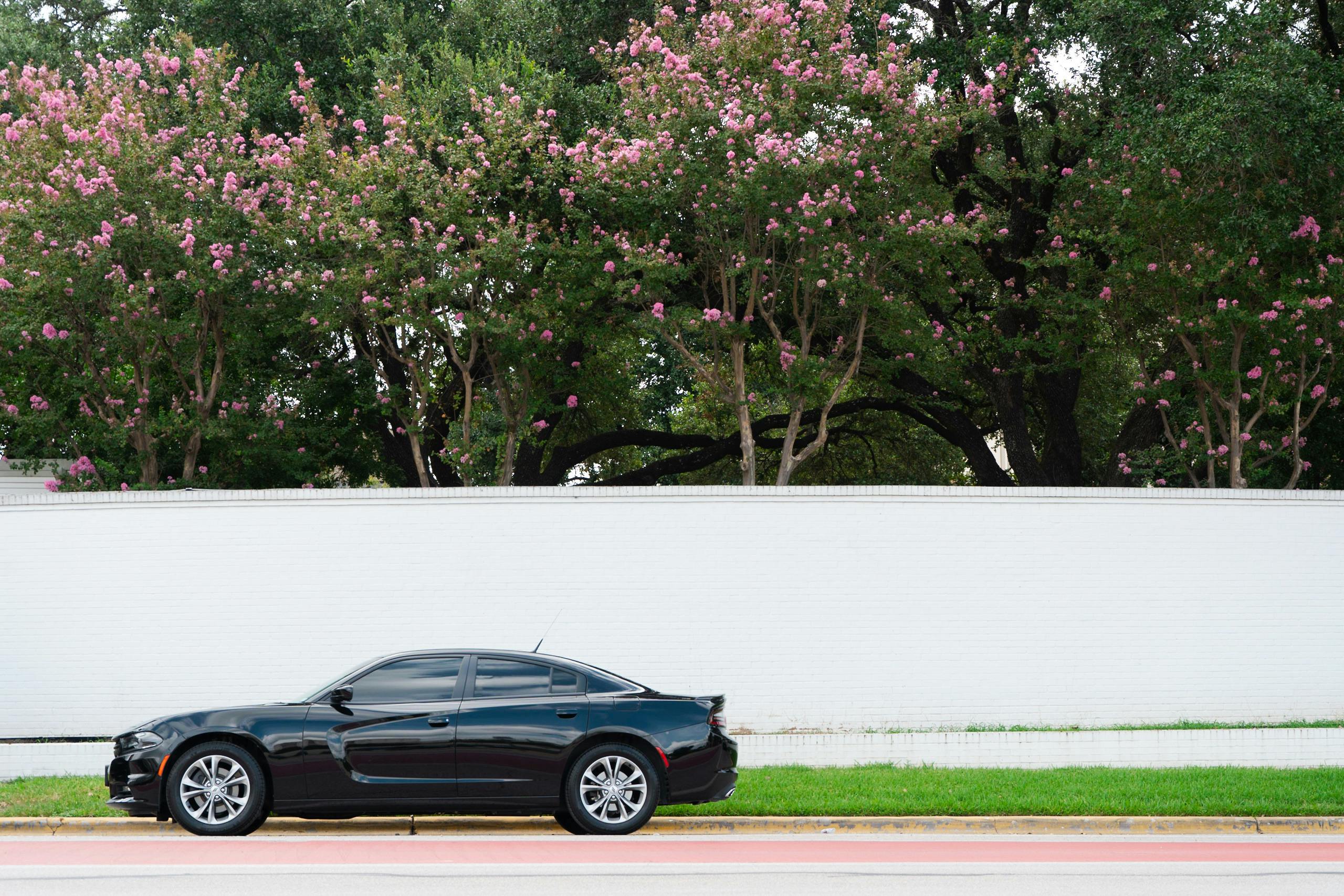
Texas had 105,420 motor vehicle theft offenses in 2024, with a rate of 336.9 per 100,000 residents. The states makes the raw number especially striking because theft risk stretches across big metros, border corridors, suburbs, and sprawling parking lots.
Pickup trucks remain a major target in places like Texas because they are common, valuable, and useful for resale or parts. A thief does not need much time when a truck is left unlocked outside a gas station, gym, apartment complex, or driveway.
Tennessee
Tennessee posted a 2024 motor vehicle theft rate of 346.2 per 100,000 residents. That places it well above the national figure and makes it one of the states where drivers should treat car security as a daily habit, not an occasional worry.
Busy metro areas, commuter traffic, and tourist-heavy districts can all create opportunities. The worst part is that many thefts start with small mistakes: keys left inside, windows cracked, valuables visible, or a car warming up unattended.
Missouri
Missouri recorded a motor vehicle theft rate of 406.9 per 100,000 residents in 2024. That puts the state deep into high-risk territory compared with the U.S. rate of 270.6.
Urban theft patterns around St. Louis and Kansas City help explain why Missouri continues to rank high. For drivers, the takeaway is practical rather than dramatic: steering wheel locks, tracking devices, locked doors, and well lit parking can still make a thief move on.
California
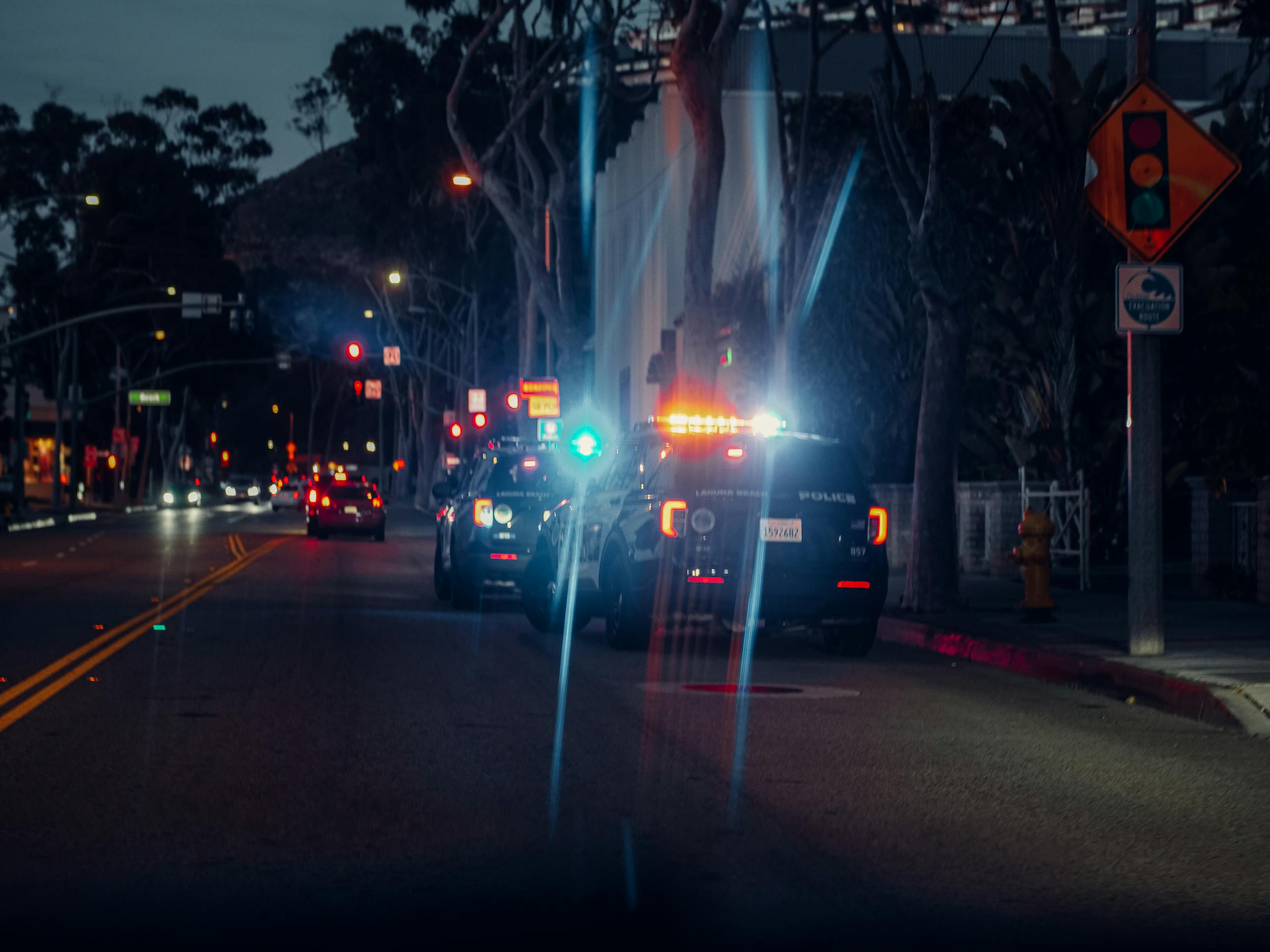
California had the highest raw number of vehicle theft offenses among states in 2024, with 169,600 reported motor vehicle theft offenses and a rate of 430.1 per 100,000 residents.
The state’s size, car culture, ports, massive metro areas, and high vehicle volume all feed the problem. NICB also reported that California led the nation in total vehicle thefts in 2025, with 136,988 stolen vehicles, more than 20% of the national total.
Conclusion
Vehicle theft is not just a statistic. It is a disruption of daily life, a financial burden, and a stress point for millions of Americans every year.
While the national trend shows improvement, certain states continue to present elevated risks. Oregon, Illinois, Texas, Tennessee, Missouri, Maryland, California, Washington, Nevada, and New Mexico each highlight unique risk factors from urban congestion and tourist traffic to vehicle type popularity and regional crime patterns.
For drivers, the message is clear: proactive habits matter. Lock doors, keep valuables out of sight, use tracking devices, and park in well lit areas.
Prevention is the closest thing we have to a guarantee in an unpredictable landscape. A car left secure is a car a thief leaves behind, and that makes all the difference.