Celebrity fame in America can feel like a porch light on a summer night. It attracts admiration, money, gossip, power, and trouble. One day, a star is selling albums, movies, sneakers, or polished interviews. The next day, one scandal can flip the whole story.
They mix shock, betrayal, beauty, money, hypocrisy, and public judgment. Fans do not only ask what happened. They ask whether they were fooled the whole time.
The hardest falls often begin with a perfect image. A mogul looks untouchable. A comedian looks kind. A pop star looks harmless. A movie star looks safe. Then the curtain moves, and America sees something messier behind it.
These stories pull readers in because they feel bigger than gossip. They reveal how fame protects people, excuses people, and sometimes exposes them. They also show how fast public love can turn. Once the fantasy cracks, the crowd rarely whispers.
Sean “Diddy” Combs
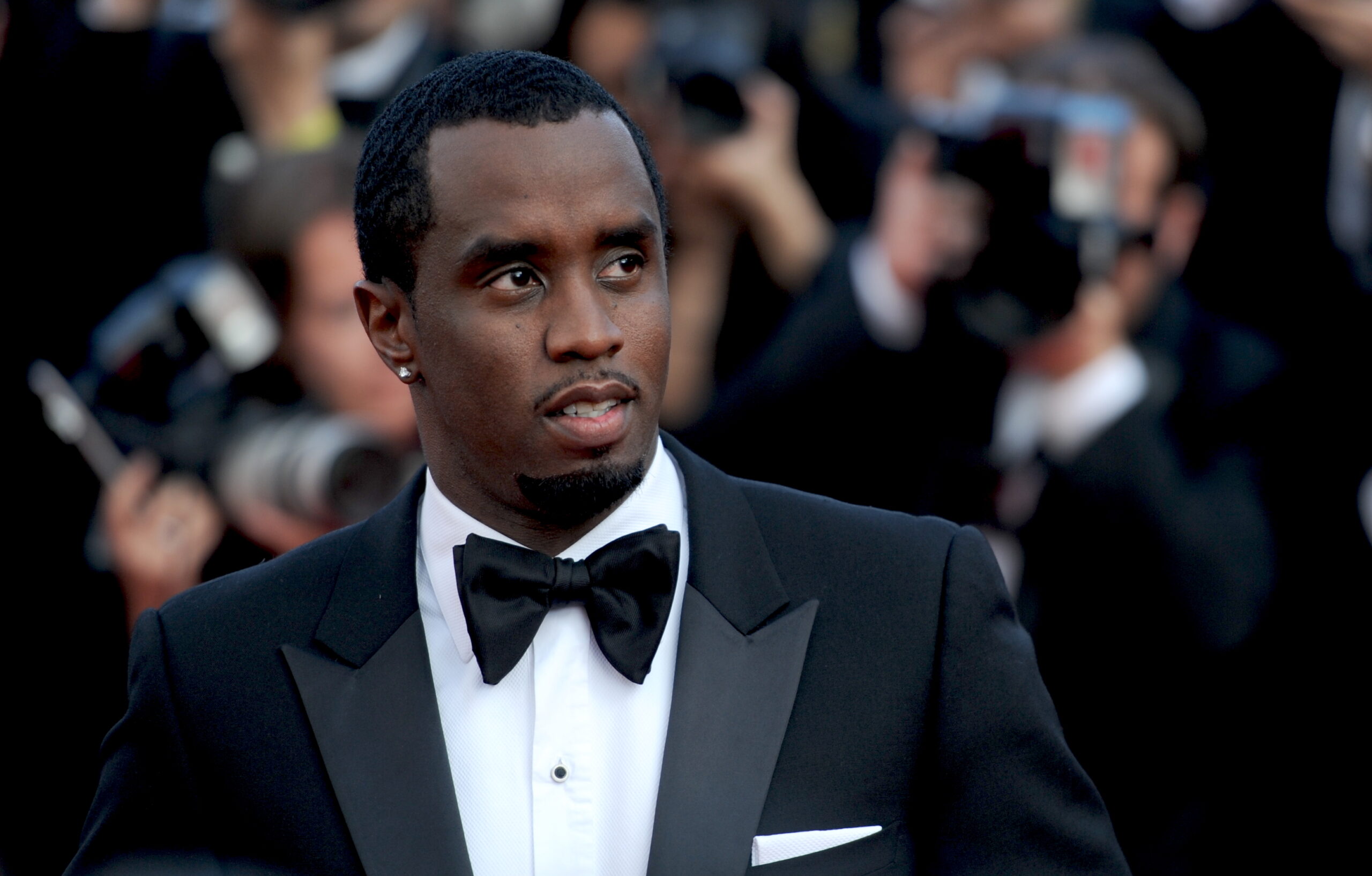
Nicolas Richoffer via Wikimedia Commons licensed CC BY-SA 4.0
Sean “Diddy” Combs once looked like the blueprint for celebrity power. He sold music, luxury, nightlife, business, and confidence. His public image glittered with parties, awards, fashion, and industry control. For decades, he seemed built for rooms most people never enter.
Then the empire faced federal charges, civil lawsuits, trial testimony, and a criminal conviction. In 2025, he received a 50-month prison sentence after conviction on prostitution-related charges. The sentence changed the tone around his legacy. The mogul image suddenly looked much darker.
The downfall hit hard because his public image had been so loud. Combs had been framed as a kingmaker and taste-setter. He represented wealth, access, reinvention, and control. The courtroom replaced that shine with legal filings and consequences.
He was acquitted of the most serious charges, including sex trafficking and racketeering. Still, the conviction damaged the old mythology. Many Americans no longer saw only the music executive. They saw a man whose empire now carried courtroom shadows.
This kind of celebrity collapse fascinates the public for one reason. It exposes the distance between brand and reality. The champagne, private jets, and velvet ropes cannot hide everything forever. Sometimes the brightest image burns hardest when it falls.
Kanye West
Kanye West once made chaos look like part of the art. Fans defended the outbursts, feuds, interviews, and grand speeches. His music and fashion influence felt too massive to dismiss. For years, controversy seemed to orbit him without destroying the brand.
Then his antisemitic remarks triggered major business consequences. One major fallout included Adidas ending its partnership after public backlash grew too large. The decision landed like a financial earthquake. It showed that even cultural dominance has limits.
The shift felt huge because Ye had built more than a career. He had built a mythology around genius, rebellion, and spectacle. Sneakers, albums, arena events, fashion drops, and celebrity drama fed that mythology. Every headline seemed to make him bigger.
But America eventually gets tired of being told that genius explains everything. Talent can win loyalty, but it cannot erase every wound. When public comments cross certain lines, fans and companies react differently. The old defense of “that is just Kanye” stopped working for many people.
His downfall became a warning about fame, ego, and accountability. Attention can feel like power. Money can feel like protection. But neither one is the same as trust. Once trust breaks, even genius sounds smaller.
Will Smith
Will Smith had the kind of public affection most stars dream about. He was funny, charming, emotional, familiar, and bankable. Many Americans grew up with him through television and movies. He felt less like a celebrity and more like a household memory.
Then the 2022 Oscars became a live-TV earthquake. Smith walked onstage and slapped Chris Rock during the broadcast. That moment led to a 10-year Oscars ban from Academy events. The scene spread across the internet within minutes.
The slap went viral because it attacked the audience’s memory of him. This was the Fresh Prince. This was the blockbuster hero. This was the polished interview guest. One moment made that image feel unstable.
The backlash became bigger than the slap itself. Americans argued about jokes, marriage, pride, violence, public pressure, and consequences. Some defended Smith as emotional and protective. Others saw the moment as humiliating and unacceptable.
Smith apologized and later returned to box-office success. Still, the slap remains attached to his legacy. That is the strange cruelty of modern fame. A career can last decades, but one clip can keep replaying forever.
Ellen DeGeneres

Tulane Public Relations, via Wikimedia Commons, licensed under CC BY 2.0
Ellen DeGeneres built a daytime empire on smiling, dancing, giving, and kindness. Her show felt light, bright, and easy to trust. Viewers watched during lunch breaks, sick days, and quiet afternoons. The whole brand told America that kindness was the message.
That brand made the backlash hit harder. Workplace allegations altered public perceptions of her cheerful image. The show made changes after a workplace culture probe linked to behind-the-scenes complaints. Suddenly, the warmth looked less certain.
The backlash hurt because kindness was not a side detail. It was the whole brand. Viewers can forgive a sharp comedian for being sarcastic. They struggle more when kindness starts looking like marketing.
DeGeneres later addressed reports of a toxic workplace and promised change. But the old glow never fully returned. Once people question a public image, they rarely see it the same way. Every smile starts facing a second inspection.
Her downfall fascinated America because it felt like a brand betrayal. People had bought the idea of Ellen as safe, warm, and generous. When that idea cracked, the reaction was sharp. The audience not only changed the channel. It changed the memory.
Jonathan Majors
Jonathan Majors seemed ready to become Hollywood’s next major leading man. He had praise, momentum, blockbuster promise, and serious dramatic range. Studios appeared ready to build bigger futures around him. The public was being introduced to him as the next force.
Then his domestic violence case changed the story. He was convicted of misdemeanor assault and harassment. He received counseling and avoided jail in a case that derailed his career. The shift was fast and brutal.
His downfall spread quickly because he was still on the rise. He had not yet built decades of nostalgia. He did not have a long comfort blanket of old hits. The image was still fresh when the scandal landed.
Hollywood had just started presenting him as the future. Then, court updates replaced the rising-star headlines. That contrast made the fall feel sharper. The story changed before the old one finished forming.
This type of downfall carries a different kind of shock. It is not about a legend losing polish. It is about a promise collapsing before full arrival. America watched a star being built, then watched the scaffolding shake.
Lizzo’s
Lizzo became famous by making confidence sound like a stadium anthem. Her brand celebrated joy, self-love, humor, body positivity, and acceptance. Fans not only enjoyed her songs. They felt seen by the message.
That made the backlash around her former dancers’ lawsuit hit harder. The claims clashed with her public image. The lawsuit included allegations tied to harassment and discrimination. For many fans, the story felt jarring.
The controversy went viral because empowerment was central to her brand. When a star sells self-love, audiences expect care behind the scenes. Allegations of mistreatment feel more serious under that image. They challenge the story that made fans loyal.
Lizzo denied the claims, calling them false and outrageous. Still, the public reaction moved quickly. Online audiences debated the lawsuit, the brand, and the meaning of authenticity. Many people felt disappointed before the final courtroom ending.
This case showed how dangerous brand contrast can become. If the public image is empowerment, accusations of harm hit harder. Fans do not only ask whether the claims are true. They ask whether the entire public message was real.
Katy Perry
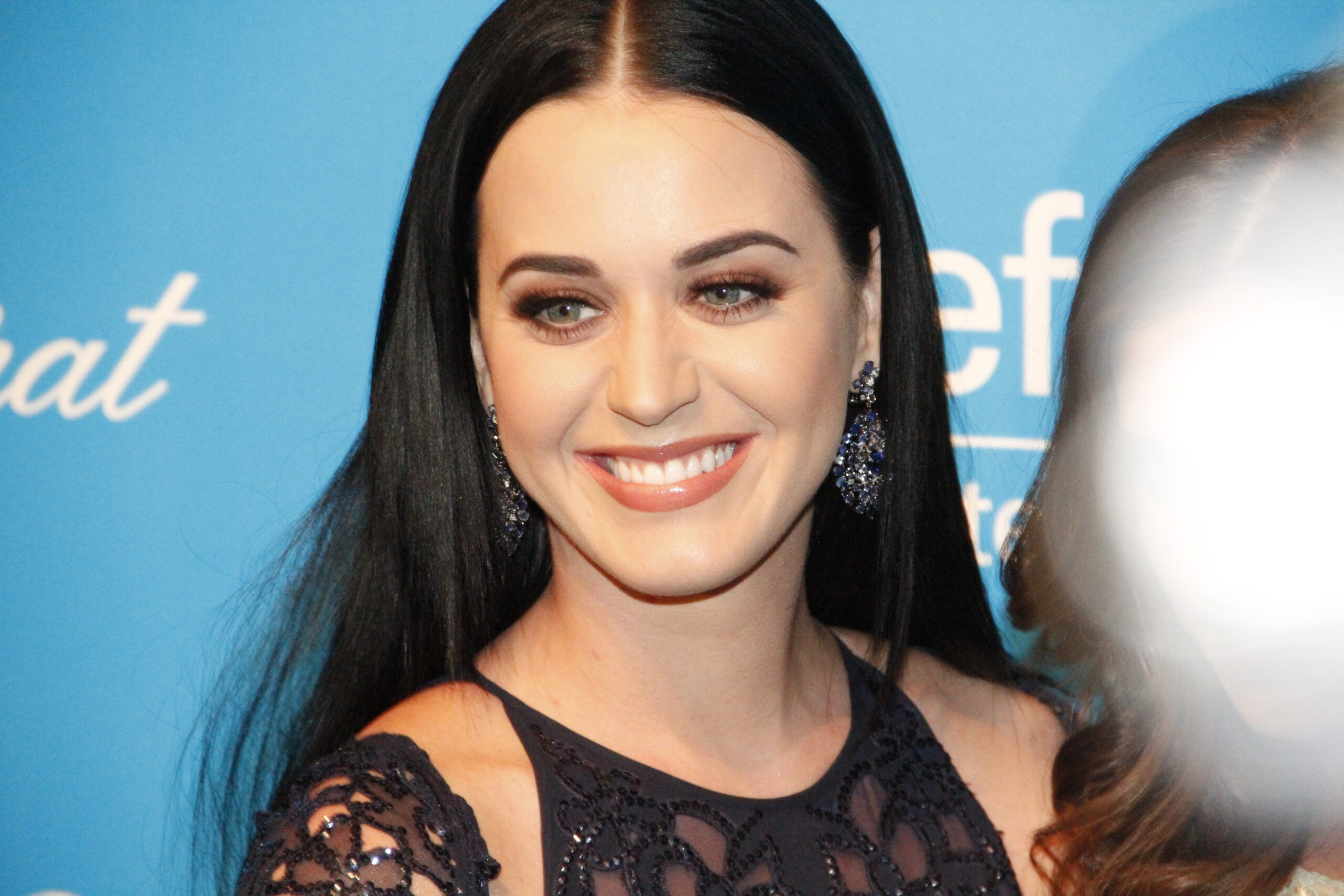
Katy Perry has survived changing pop eras and waves of public teasing. She has been celebrated, mocked, remixed, memed, and debated. Many pop stars fade when trends change. Perry kept finding ways to remain part of the conversation.
Then her Blue Origin trip became a uniquely modern backlash moment. She joined an all-female crew that completed a brief suborbital flight. The mission was promoted around an all-female flight crew angle. On paper, that sounded historic.
Online, it quickly became roast material. The backlash came from timing and tone. Many Americans were worried about rent, groceries, layoffs, and daily costs. A celebrity spaceflight felt inspirational to some people. To others, it felt wildly out of touch.
Perry became the easiest target because she was the most recognizable face. Pop stars are simple targets when the public smells a luxury spectacle. The internet turned liftoff into a group-chat joke. Memes moved faster than the rocket.
The backlash showed how sensitive audiences are to privilege now. A glamorous stunt can become a cultural mistake. The public does not always reject achievement. Sometimes it rejects the packaging. In this case, the packaging looked too rich for the national mood.
Blake Lively
Blake Lively has long enjoyed a glossy, mostly safe celebrity image. She seemed stylish, polished, charming, and protected from messy public storms. Her marriage to another beloved star strengthened that glow. For years, she rarely felt like a public villain.
Then the It Ends With Us controversy changed the mood. Her legal fight with Justin Baldoni fueled an online debate. Her legal team later sought dismissal of a major defamation lawsuit tied to the dispute. The case pulled fans into competing narratives.
The backlash grew beyond one lawsuit. Old interviews resurfaced. Promotional choices faced fresh criticism. Fans argued about tone, branding, media strategy, power, and public sympathy. Every old clip became new evidence for someone.
That is how online judgment works now. Once a celebrity becomes vulnerable, nothing stays buried. People do not only examine the current scandal. They revisit the whole archive and rewrite the public story.
Lively became a lightning rod because her image had seemed carefully polished. The internet loves testing polished images for cracks. The more perfect the brand appears, the more closely people inspect it. Once suspicion starts, the scroll never sleeps.
Justin Timberlake’s
Justin Timberlake spent years looking like a master of reinvention. He moved from boy band fame to solo superstardom. He added acting, award shows, nostalgia tours, and polished public appearances. His career often looked smooth from the outside.
Then the public mood around him shifted. Old controversies involving Britney Spears and Janet Jackson resurfaced. His 2024 impaired-driving case added further damage. He later pleaded guilty to a reduced charge tied to driving while impaired.
The backlash around Timberlake feels layered. It did not come from one moment alone. It came from years of people reassessing his image. Some wondered whether he received too much grace for too long.
That reassessment matters in modern celebrity culture. Audiences now revisit old stories with new eyes. What once seemed like gossip can become evidence. What once seemed harmless can feel unfair later.
Timberlake remains famous and successful. Still, the tone around him no longer feels effortless. The charm still exists, but it faces more skepticism. America can keep dancing to the hits while questioning the man behind them.
Armie Hammer
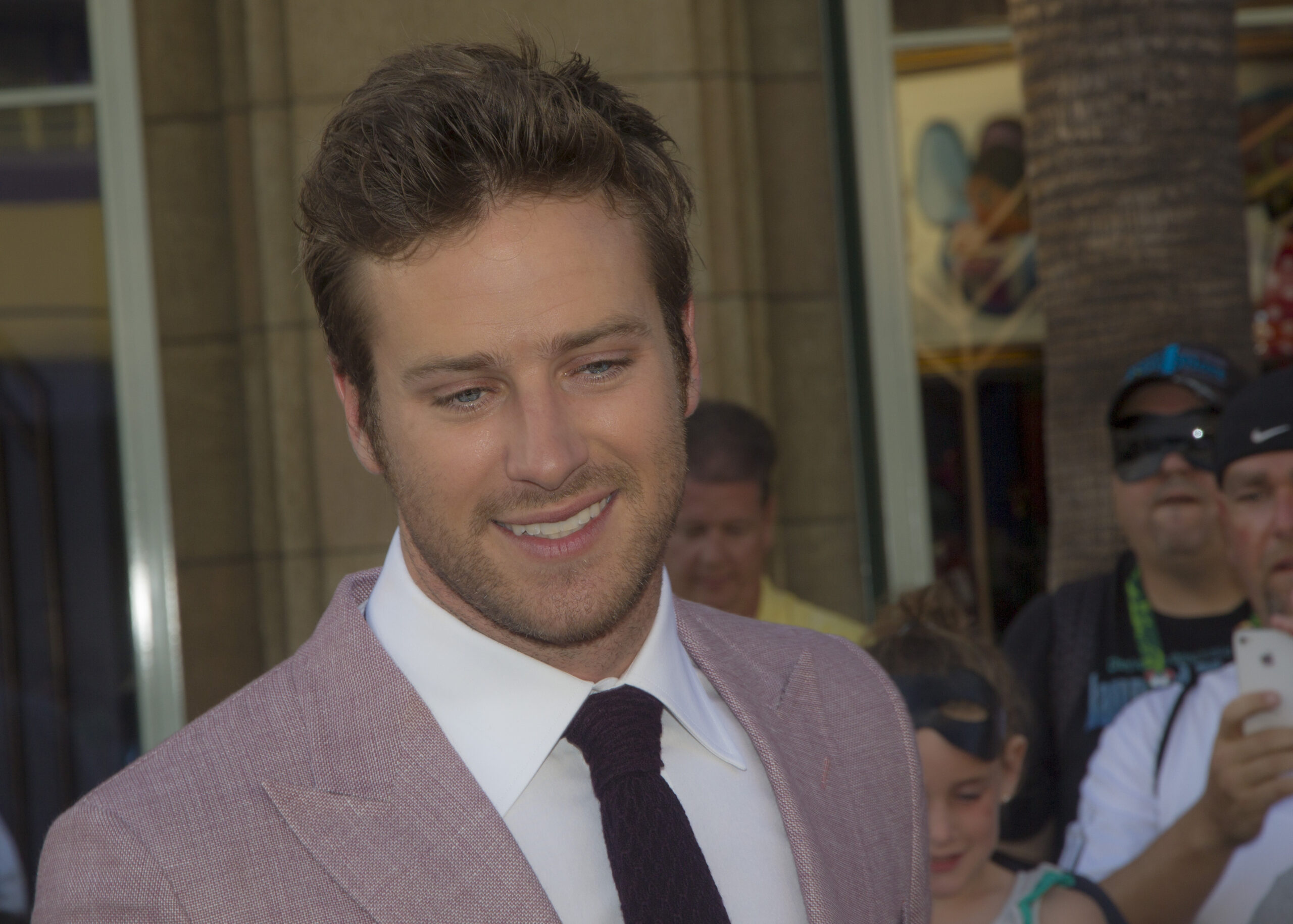
micadew, via Wikimedia Commons licensed under CC BY-SA 2.0
Armie Hammer once looked like Hollywood’s favorite kind of leading man. He was polished, charming, connected, tall, and camera-ready. He seemed built for expensive suits and prestige roles. The old Hollywood machine knew exactly how to sell him.
Then, disturbing allegations about his private life triggered a public collapse. A criminal investigation followed one sexual assault allegation. Prosecutors later said he would not face charges after reviewing the case. Hammer denied criminal wrongdoing.
Still, the reputational damage was severe. The allegations were strange, dark, and internet-ready. Projects vanished. Public goodwill collapsed. The clean leading-man image became difficult to sell.
His downfall showed how fast Hollywood fantasy can sour. A polished image can crack under darker headlines. Once the public feels disturbed, charm stops working as armor. The suit still fits, but the story underneath changes.
Hammer’s case also shows how fame depends on trust. A leading man needs more than looks and credits. He needs audiences to believe the fantasy. Once that belief disappears, Hollywood has very little left to market.
Key Takeaway
Celebrity downfalls expose the gap between image and reality. America does not watch stars for talent alone. It watches them for fantasy, comfort, escape, identity, and moral certainty. When that illusion breaks, the reaction becomes loud and unforgiving.
Some celebrities recover. Some fade. Others remain trapped inside the worst headline of their lives. Fame can make a person look untouchable. But once America feels betrayed, the spotlight stops flattering. It starts interrogating.