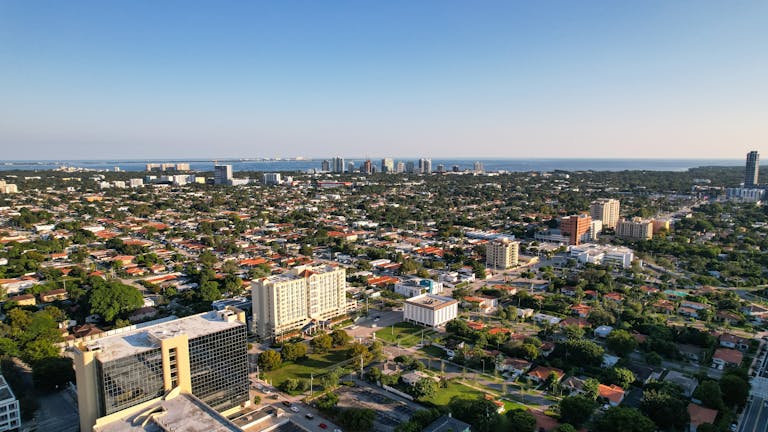
The fastest growing county in America does not look like a boomtown from a distance. It looks like pine woods, marshland, two lane roads, church signs, family land, quiet mornings, and old Lowcountry communities that have spent generations moving at their own pace. But in Jasper County, South Carolina, that pace is changing fast.
New homes are rising. Roads are filling. Out of state license plates are more common. Land that once felt far from the pressure of Hilton Head, Savannah, Beaufort, and Charleston is now being pulled into one of the hottest growth corridors in the South.
For county leaders, the surge brings tax revenue, construction, jobs, and long awaited investment. For many locals, it brings a harder question: how much growth can a small county absorb before the place people loved becomes unrecognizable?
Jasper County has become a national symbol of the modern Southern growth fight. People are moving in because the area is attractive, sunny, has relatively low taxes, and is close to some of the most desirable coastal destinations in the Southeast. Yet the same qualities that draw newcomers are exactly what longtime residents fear may disappear.
Jasper County’s Growth Is No Longer a Local Story
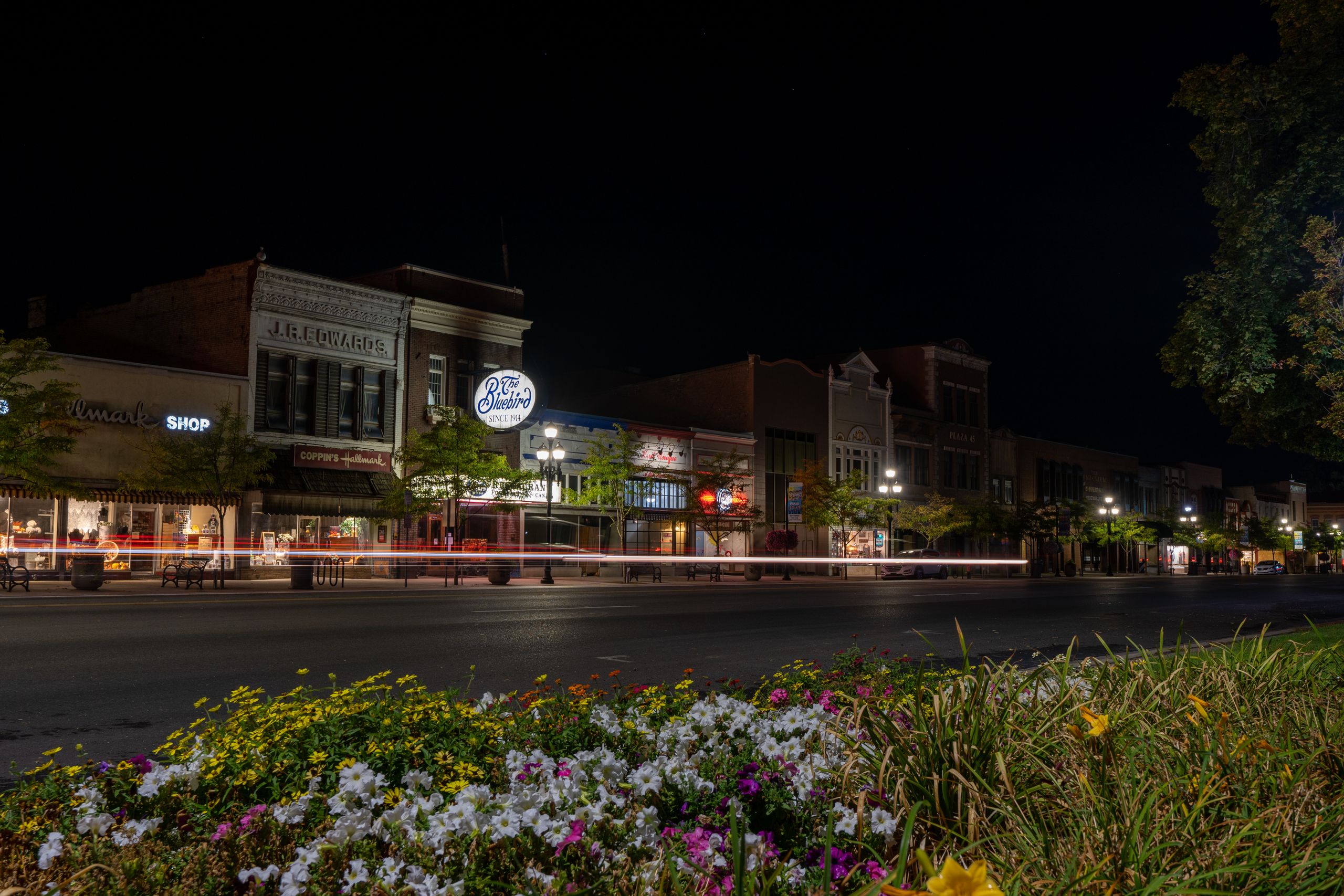
The numbers explain why Jasper County is now getting national attention. According to the latest Census estimates, Jasper County reached 38,533 residents in 2025. That may still sound small compared with major metro counties, but the speed of change is the shock.
Since the 2020 estimates base, Jasper County’s population has climbed by roughly one third. From July 2024 to July 2025 alone, the county added more than 2,000 residents and posted the fastest percentage growth among U.S. counties with at least 20,000 people.
That kind of growth would be difficult for any community. In a rural coastal county with limited road capacity, sensitive wetlands, small town services, and deep cultural roots, it can feel like a wave arriving before the seawall is finished.
We are not watching a sleepy county become slightly busier. We are watching a place get pulled into the same pattern that reshaped other coastal Southern communities: retirees arrive, developers follow, roads widen, rents climb, land values jump, and locals begin asking whether opportunity is coming with a hidden bill.
Hardeeville Is Becoming the Center of the Boom
Much of the growth pressure is concentrated around Hardeeville, the Jasper County city that has become a magnet for development. Hardeeville’s location makes it a natural landing place for people who want access to Hilton Head, Bluffton, Savannah, and Interstate 95 without living directly inside those more expensive or crowded markets.
That location is now changing the city’s future. New subdivisions, commercial activity, and infrastructure needs are turning Hardeeville into one of the clearest examples of how fast the Lowcountry is expanding.
Supporters of the boom see Hardeeville as a place finally getting its turn. More residents can mean more businesses, more jobs, a stronger tax base, and more reasons for young people to stay instead of leaving for opportunity somewhere else.
Critics see a different picture. They see traffic building faster than road improvements. They see woods cleared for rooftops. They see a town that could become another crowded coastal suburb before residents have a real say in what the future should look like.
The Southern Way of Life Is Becoming the Emotional Center of the Fight
The phrase “Southern way of life” can mean different things to different people. In Jasper County, the concern is less about keeping outsiders away and more about protecting the rhythm of a place that has always depended on land, water, family ties, local memory, and breathing room.
For longtime residents, growth is not just a planning issue. It is personal. It affects how long it takes to drive to work, whether children can afford to live near their parents, whether a family property becomes too valuable to keep, whether a quiet road becomes a commuter route, and whether the local culture gets replaced by a generic version of coastal suburbia.
That is why the tension cuts deep. New residents are not automatically the problem. Many moved to Jasper County because they liked what locals had already built and preserved. The frustration comes when growth begins to erase the very character that made the county appealing in the first place.
We can see the contradiction clearly. People move to Jasper County for peace, space, and beauty. Then enough people arrive that peace, space, and beauty become harder to protect.
Housing Growth Is Moving Even Faster Than the Population
The population numbers are striking, but the housing data may be even more important. Jasper County led the nation in housing growth, adding more than 1,400 housing units from July 2024 to July 2025 for an 8.3% increase. That is not small town change.
That is a construction surge. More housing can be a good thing when it gives families options and prevents prices from spiraling even higher. But in fast growing communities, new housing does not always solve affordability.
If much of the new inventory targets wealthier buyers, retirees, or newcomers with higher incomes, longtime workers can still get squeezed. That is one of the most painful parts of Jasper County’s boom. Growth can make a county richer on paper while making daily life harder for people who already live there. Property values rise.
Rent rises. Service workers, teachers, caregivers, construction workers, restaurant employees, and young families may find that the county has more homes but fewer homes they can actually afford. A county can build thousands of units and still create an affordability crisis if wages do not keep up.
The Real Fear Is Not Growth. It Is Growth Without Control

Most residents are not arguing that Jasper County should freeze in time. Communities need jobs, housing, roads, schools, services, and business investment. The sharper debate is whether development should move faster than the infrastructure needed to support it.
That is where the word “concurrency” becomes important. In planning terms, concurrency means growth should be tied to public facilities and services. Roads, water systems, wastewater capacity, stormwater management, emergency services, law enforcement, and schools should be ready as development arrives, not years after residents are already stuck with the consequences.
South Carolina lawmakers have been weighing legislation that would define concurrency programs and allow local governments to connect development approval to the adequacy of public services.
For counties like Jasper, that kind of tool matters because it speaks directly to the central complaint: do not approve massive growth and then ask residents to wait years for the basics to catch up. The issue is not anti growth. It is whether growth pays its own way.
Roads Are Becoming the Most Visible Breaking Point
Traffic is often the first sign that a quiet county is changing. People may argue about culture, taxes, zoning, and land use, but everyone understands a road that no longer works.
Jasper County voters approved a 1% sales tax plan designed to raise hundreds of millions of dollars for transportation improvements and land and water protection over 15 years. That vote shows residents understand the county needs serious investment.
But it also shows how expensive growth becomes once it arrives. Road widening, intersection upgrades, drainage work, and long term land protection do not happen cheaply. When a county grows this quickly, infrastructure becomes a race. If public investment falls behind private development, residents feel the consequences every morning and evening.
This is why many locals look at nearby Beaufort County as a warning. Once growth creates traffic nightmares, it becomes extremely difficult to reverse them. Roads can be widened, but the old sense of ease rarely comes back.
Environmental Pressure Is Becoming Harder to Ignore
Jasper County’s growth fight is not only about houses and highways. It is also about wetlands, forests, drainage, wildlife habitat, and the fragile Lowcountry landscape.
The county’s natural environment is one of its greatest assets. Marshes, waterways, rural land, and open space are part of the reason people want to live there. But rapid growth can put those assets under pressure through clearing, runoff, mining, road construction, and expanded water and sewer demands.
A recent legal challenge involving a proposed sand mine has sharpened those concerns. Conservation groups have argued that rezoning rural conservation land for resource extraction conflicts with local planning goals and threatens sensitive areas.
County growth also increases demand for construction materials, which creates another difficult tradeoff: new homes require sand, roads, concrete, and land disturbance somewhere.
That is the uncomfortable loop. More people create more demand for homes. More homes create more demand for materials. More materials can mean more extraction pressure. More extraction can threaten the landscapes that made the county desirable.
Wealthier Transplants Can Change a County’s Cost of Living
One of the quietest but most powerful effects of rapid migration is the income gap between newcomers and longtime residents.
A retiree selling a home in New York, Ohio, New Jersey, Pennsylvania, or another higher cost market may arrive with buying power that local workers cannot match. A remote worker earning a big city salary can compete for homes in a way that a local service worker cannot. A second home buyer may treat a property as a lifestyle purchase, while a local family sees the same house as survival.
That gap changes everything. It can lift home values for owners, but it can also push renters and first time buyers to the edge. It can bring restaurants, retail, and services, but it can also create a labor market where the people working in those businesses struggle to live nearby.
This is the harsh side of the boom. Growth can make a county more attractive to investors while making it less livable for the people who keep it running.
Local Leaders Face a Brutal Balancing Act

Jasper County leaders are dealing with a difficult reality. If they reject too much development, they risk limiting jobs, housing supply, and tax revenue. If they approve too much too quickly, they risk overwhelming roads, utilities, schools, public safety, and the environment.
That balancing act is especially tough in a county where growth is not evenly spread. Hardeeville may be booming, but other communities want investment too. Residents in smaller towns and rural areas do not want to be ignored while the fastest growing corridors collect the attention, money, and political focus.
Smart growth will require more than slogans. It means deciding where development belongs, where it does not, how builders should contribute to infrastructure, how affordable housing will be protected, and how land and water can be preserved before they are gone.
The county’s challenge is not simply to grow. It is to grow without becoming another place that looks back too late and realizes it traded identity for speed.