Living a luxurious life and looking like you’re living one are two very different things. These days, a designer handbag, an expensive vacation, or a fancy dinner can make someone’s life appear picture-perfect. But behind those polished Instagram photos, the financial reality might tell a completely different story.
Some people genuinely have the money to support their expensive tastes. Others work hard to maintain an image that their bank accounts cannot comfortably sustain.
The interesting part? Financial struggles don’t always look like empty wallets or unpaid bills. Sometimes, they hide behind expensive purchases, carefully planned appearances, and a constant need to prove success.
Of course, appearances alone cannot reveal someone’s financial situation. Even wealthy people sometimes budget carefully, borrow money, or skip expensive outings. But certain recurring behaviors may suggest that maintaining an impressive lifestyle has become more important than financial stability.
Here are eight revealing patterns to watch for.
Their Lifestyle Looks Expensive, but Their Everyday Problems Never Get Solved

Someone might proudly show off a new designer watch while complaining that their car desperately needs repairs. They might spend hundreds of dollars on a weekend getaway but repeatedly postpone fixing a broken appliance at home.
The contradiction isn’t necessarily about having expensive possessions. It’s about consistently prioritizing visible luxuries over basic responsibilities.
An impressive purchase attracts attention, while paying an electricity bill rarely earns compliments.
When someone repeatedly chooses purchases that impress strangers over expenses that make daily life easier, their spending priorities may be working against them.
Every Major Purchase Comes With a Complicated Financial Explanation
Have you ever noticed someone explaining exactly how they managed to afford something before anyone even asks?
They might insist their expensive car was an unbelievable bargain, their luxury vacation was practically free, or their new furniture came through an extraordinary financing arrangement.
There’s nothing wrong with finding discounts or using payment plans. Smart shoppers do both.
However, when every expensive purchase comes with an elaborate explanation designed to prove affordability, it may suggest that the person’s public image requires constant reassurance.
Sometimes, the story surrounding the purchase becomes almost as important as the purchase itself.
They’re Always Preparing for a Financial Breakthrough
Their current lifestyle seems to depend on money that hasn’t arrived yet.
A promised promotion, an upcoming business deal, a potential investment return, or an anticipated bonus becomes the explanation for expensive decisions today.
They might say, “Once this deal goes through, everything will be different.”
Optimism is valuable, especially for ambitious people. But spending based on uncertain future income can create financial pressure when the expected money arrives late or never materializes.
The warning sign is not having big dreams. It’s repeatedly treating possible future earnings as money already available to spend.
Their Social Calendar Is Built Around Being Seen
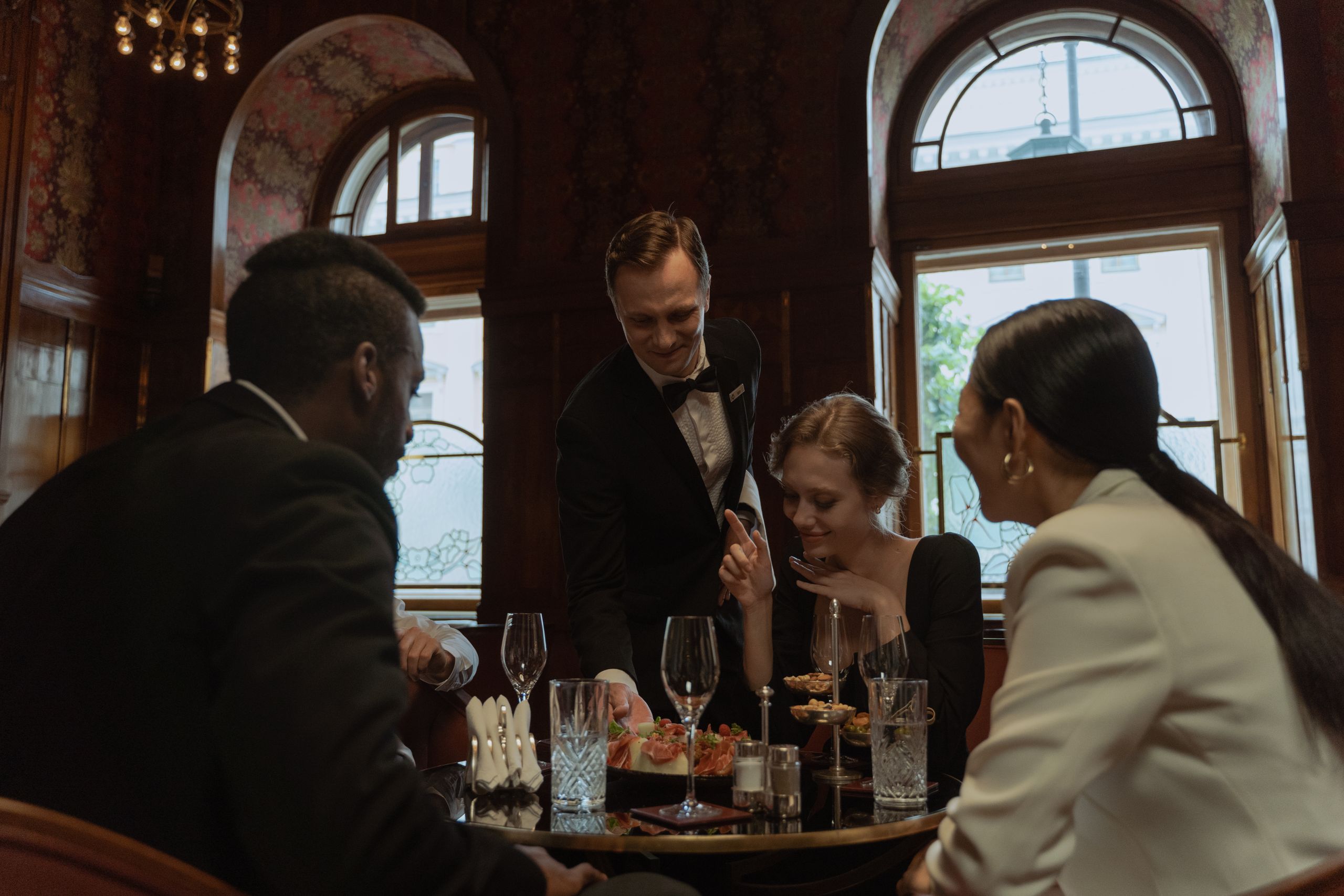
Some people enjoy luxury restaurants, exclusive events, and fashionable destinations because they genuinely appreciate those experiences.
Others seem more interested in being photographed there.
They might insist on visiting the trendiest restaurant even when a quieter, less expensive option would be equally enjoyable. A casual birthday dinner somehow becomes an extravagant event because the pictures need to look impressive.
The experience itself can become secondary to how it appears online.
When spending decisions consistently revolve around demonstrating status rather than personal enjoyment, maintaining that image can become an expensive responsibility.
They Quietly Disappear When the Expensive Plans Stop
One interesting pattern is how someone’s enthusiasm changes depending on the financial expectations attached to an outing.
They might enthusiastically organize a luxury weekend, suggest expensive restaurants, or encourage friends to book exclusive experiences. But when it comes time to pay deposits or confirm reservations, their enthusiasm suddenly disappears.
Unexpected expenses, scheduling conflicts, and changing priorities happen to everyone. A canceled outing proves nothing about someone’s finances.
However, repeatedly promoting expensive plans without following through may indicate that the imagined lifestyle is easier to maintain than the actual cost of participating in it.
Sometimes, talking about an extravagant experience provides the social recognition without requiring the financial commitment.
They Treat Ordinary Purchases Like Status Emergencies

For someone focused on appearing successful, even small buying decisions can become competitions.
A friend upgrades their phone, and suddenly their perfectly functional device feels outdated. A coworker buys designer sunglasses, and they immediately start shopping for something more expensive.
What makes this behavior particularly revealing is the urgency.
Instead of asking whether they need something, they worry about how their possessions compare with others’.
This constant pressure to keep up can turn ordinary purchases into unnecessary financial commitments.
And because someone else will always own something newer, bigger, or more exclusive, the spending rarely brings lasting satisfaction.
They Know the Price of Everything but Avoid Discussing Their Financial Goals
They can tell you the cost of a luxury SUV, the latest designer collection, or a five-star hotel suite without hesitation.
But conversations about emergency savings, financial priorities, or long-term plans rarely receive the same attention.
Expensive brands and premium experiences dominate their definition of success, while practical financial achievements receive little recognition.
Of course, personal finances are private, and nobody owes others information about their savings or income.
The more meaningful distinction is whether someone consistently values the appearance of wealth over the financial decisions that could support their future.
A person can own expensive things and still struggle financially. Likewise, someone who lives modestly may have substantial savings and financial freedom.
Maintaining Their Image Has Become a Full-Time Performance

Perhaps the most revealing pattern is how much effort someone puts into making their lifestyle appear effortless.
Every vacation needs perfect photographs. Every new purchase deserves an announcement. Every social gathering becomes another opportunity to demonstrate how successful life has become.
They may avoid mentioning ordinary struggles because those realities don’t fit the identity they’ve created.
Eventually, maintaining appearances can become exhausting. Instead of enjoying what they already have, they feel pressured to keep producing new evidence of success.
Ironically, the lifestyle meant to communicate freedom can begin to feel like a financial obligation.
The challenge isn’t necessarily a lack of money. It’s the belief that their personal worth depends on how wealthy other people think they are.
The Real Difference Between Looking Rich and Living Comfortably
An expensive lifestyle isn’t automatically a sign of financial trouble. Some people can comfortably afford luxury purchases, while others have different spending priorities.
The deeper concern arises when someone repeatedly sacrifices financial stability to maintain an impressive public image.
Social media makes these comparisons especially tempting. We see beautiful vacations, expensive homes, and luxury purchases without knowing the financial circumstances behind them.
Yet genuine financial comfort often looks surprisingly ordinary. It might mean paying bills without panic, enjoying experiences without needing approval, or turning down an expensive invitation without feeling embarrassed.
The real luxury isn’t convincing everyone that you have money. It’s having enough financial freedom to stop worrying about what everyone thinks.
And sometimes, the person with the least impressive photographs is the one enjoying the most comfortable life.