Every conversation you have may be silently revealing the state of your brain. Casual speech habits that seem harmless can actually signal early cognitive decline and a heightened risk of dementia. These signals often show up long before memory lapses become noticeable, quietly warning that your brain needs attention.
Recognizing them early gives you a chance to act before the effects become irreversible. The following eight speech behaviors are red flags that many Americans ignore every day, and understanding them could be your first step toward protecting your mind.
Overusing Filler Words

Using words like um, uh, like, or you know repeatedly may feel natural, but it reflects hidden strain in your cognitive processing. Your brain struggles to retrieve the right words quickly, leading to these habitual pauses. Over time, excessive use of filler words can indicate early memory weakness.
Practicing deliberate speech and replacing fillers with silence strengthens mental sharpness and improves clarity in daily conversations.
Filler words can also create subtle social strain, leaving listeners frustrated or distracted. Being mindful of your speech helps maintain confidence in communication and reinforces neural connections responsible for memory and language.
Simple exercises like reading aloud or practicing storytelling can train your brain to retrieve words more efficiently. Over time, this small adjustment can have significant long-term cognitive benefits.
Repeating Yourself Frequently
Repeating stories, questions, or phrases is often dismissed as forgetfulness, but it is a major warning sign. The brain’s memory circuits may be faltering, making you recycle information without realizing it. Repetition can frustrate both the speaker and the listener and may reflect deeper cognitive strain.
Tracking when and why you repeat yourself can help identify early issues before they progress into severe memory problems. Being aware of repeated phrases can encourage mental vigilance and improve conversational fluidity.
Challenging yourself to recall details in different ways or to summarize your points fosters memory retrieval. This habit also helps keep social interactions smoother and reduces stress caused by repeated miscommunication. Proactively monitoring repetition is a practical way to strengthen brain health in everyday life.
Losing Track Mid-Sentence

Tripping off or forgetting what you were saying mid-sentence is more than a distraction; it signals weakened coordination between memory and speech. Losing focus in the middle of a sentence shows the brain is struggling to keep ideas organized.
This can reduce confidence in conversations and affect social interactions. Practicing slow, deliberate speaking and mentally mapping your thoughts can improve focus and memory retention. Breaking longer thoughts into smaller, manageable chunks helps the brain stay organized.
Repetition of key points while speaking reinforces memory pathways and supports clearer communication. Being aware of this habit early allows you to take control of your cognitive function. Simple exercises like storytelling or daily journaling can strengthen this essential skill.
Difficulty Finding Words
Struggling to recall everyday words, names, or common objects is alarming because it signals slower neural retrieval processes. Hesitation indicates the brain is working harder to access stored information. Frequent difficulty naming things affects personal and professional communication.
Regularly challenging your vocabulary through reading, discussions, or memory games strengthens neural pathways and reduces your risk of dementia. Word-finding challenges are often overlooked but can escalate if ignored.
Introducing word games, crosswords, or conversation exercises adds mental stimulation and reinforces recall. Practicing precise articulation strengthens the brain’s ability to quickly retrieve information. Awareness and proactive engagement can slow memory decline and boost confidence.
Using Vague or Non-Specific Language
Relying on general terms like thing, stuff, or that instead of precise language reflects subtle mental fatigue. The ability to articulate specifics declines as memory and attention circuits weaken. Frequent vagueness is an early sign of cognitive strain and should not be ignored.
Consciously choosing precise words and mapping thoughts before speaking reinforces mental pathways and helps preserve memory. Vague speech also makes communication less effective, leading to misunderstandings in both work and social settings.
Practicing descriptive language or summarizing experiences in detail exercises the brain’s memory and reasoning skills. Daily attention to speech clarity can significantly strengthen cognitive function. Maintaining precise language ensures mental agility and smoother interactions.
Slurring or Mumbled Speech
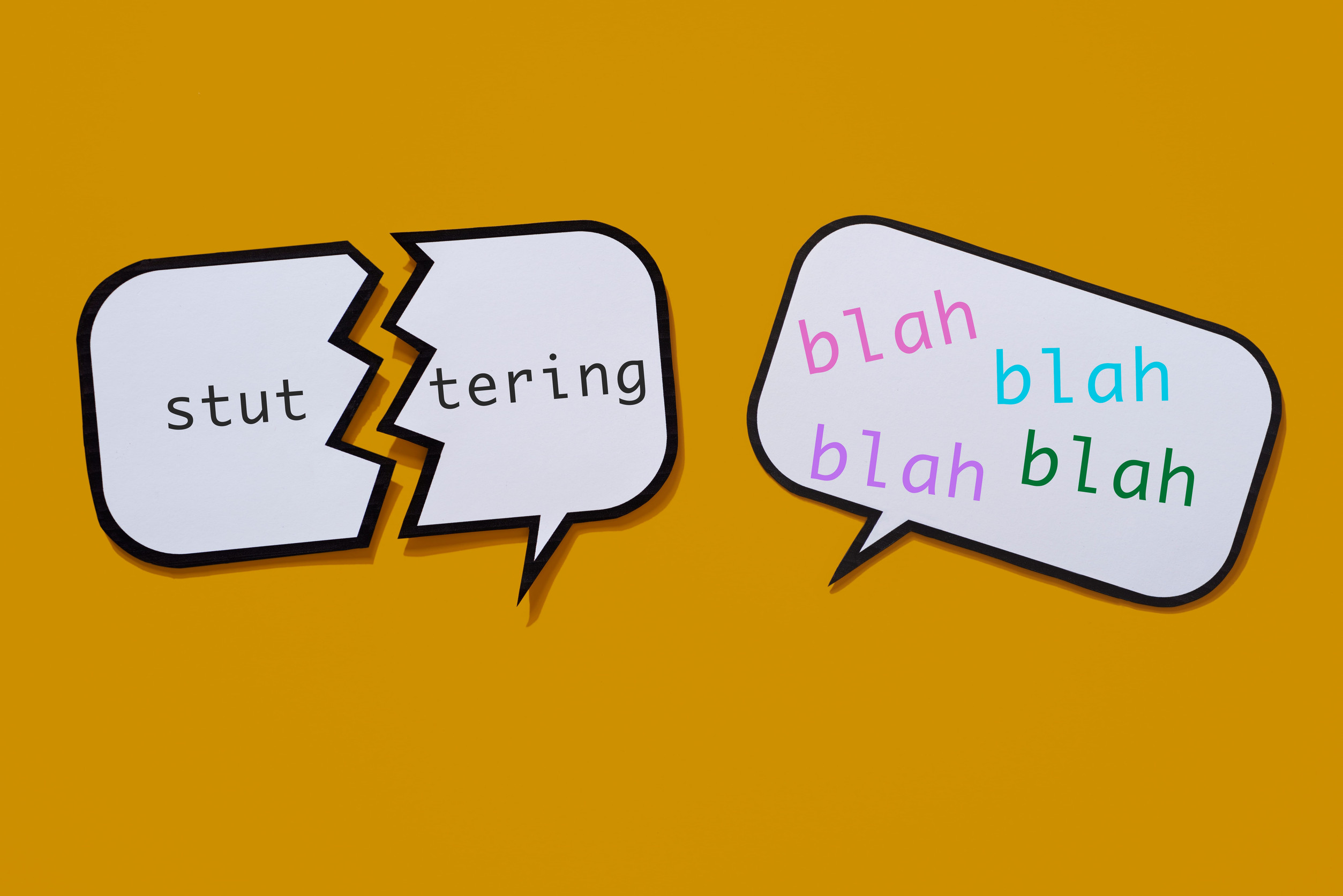
Mumbling or slurring words is often dismissed as fatigue, yet it can indicate neurological stress that affects coordination between the brain and vocal muscles. Speech clarity relies on precise neural signals and muscular control, and deterioration may reflect early cognitive decline.
Slurred speech can also create social tension or self-consciousness in conversations. Practicing slow, deliberate articulation exercises mental coordination and memory associations. Focusing on proper pronunciation and pacing enhances both confidence and cognitive engagement.
Vocal exercises, reading aloud, or speech training can help reinforce brain-muscle connections. Addressing this habit early strengthens neural coordination and supports long-term brain health. Awareness of clarity in everyday speech is a simple yet powerful tool to protect cognitive function.
Losing Thread in StorytellinG
Struggling to complete a story, skipping key details, or jumping confusingly between points shows weaknesses in sequencing and memory retention. Storytelling requires the brain to organize multiple ideas, and difficulty doing so highlights cognitive strain.
Repeated trouble with narratives can impact social relationships and personal confidence. Structuring conversations, summarizing key points, and revisiting earlier ideas strengthen memory recall and sequencing skills.
Breaking stories into smaller segments or rehearsing narratives improves mental clarity. Daily storytelling or journaling exercises memory and attention networks. Clear narratives also enhance social engagement and reduce frustration in communication. This practice supports both cognitive health and effective expression.
Avoiding Complex Conversations
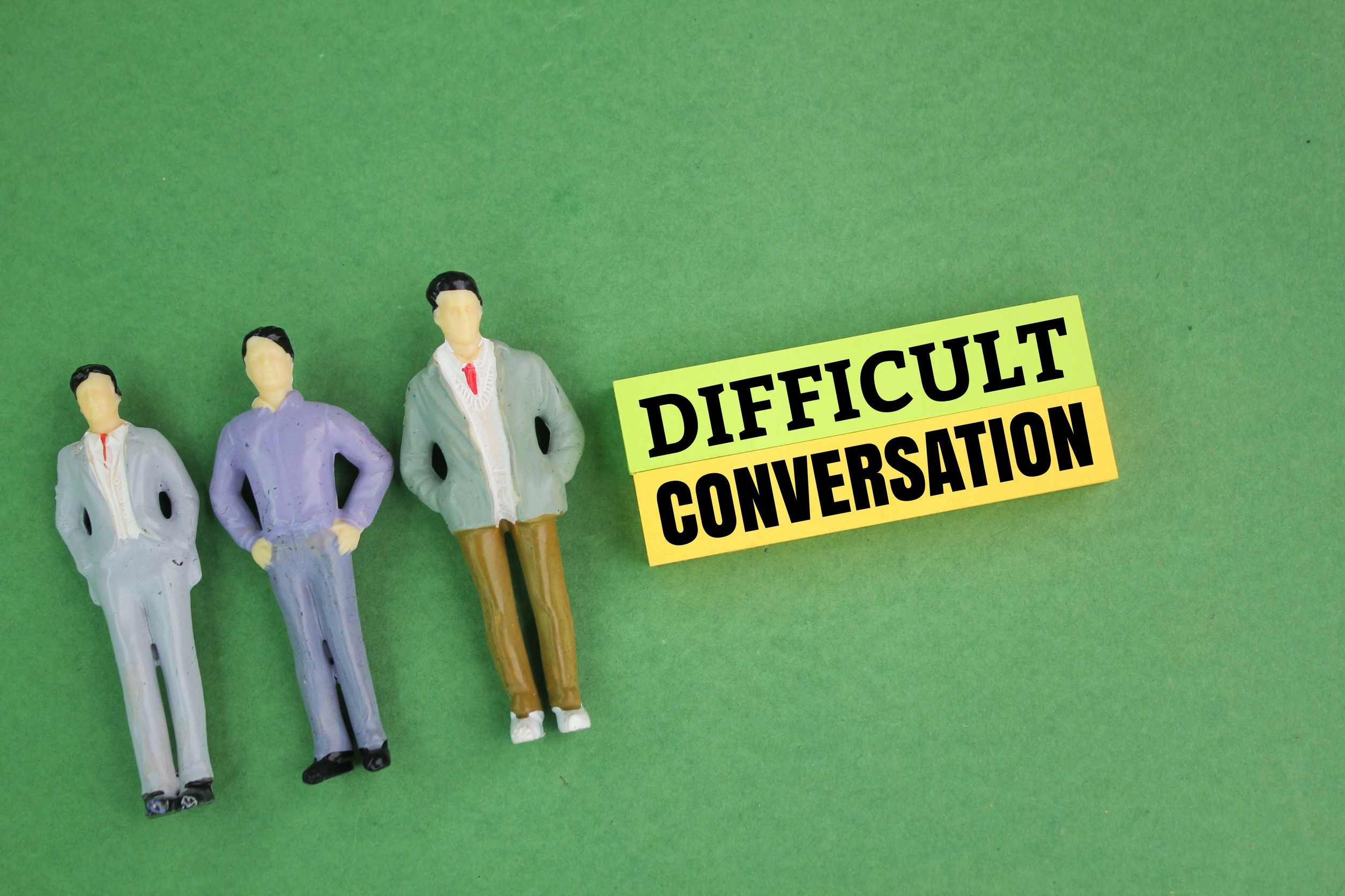
Avoiding debates, planning sessions, or intellectually challenging discussions may seem like a preference, but can accelerate cognitive decline. Mental exercise is essential for keeping neural pathways strong, and avoiding challenge leaves circuits underused. This lack of stimulation increases vulnerability to dementia.
Engaging in thought-provoking dialogue exercises memory, attention, and reasoning. Engaging in meaningful conversations strengthens cognitive resilience. Problem-solving discussions or planning activities create mental demand that maintains neural activity.
Over time, engaging in challenging conversations reinforces brain connections and slows cognitive decline. Active engagement is a key step in preserving mental sharpness.
Conclusion
Your speech patterns reveal more about your brain than you might think. Ignoring repeated lapses, vague language, or unclear articulation allows cognitive decline to progress unnoticed. By becoming aware of these subtle red flags, practicing precise language, exercising memory through storytelling, and engaging in challenging conversations, you can protect your brain.
Words are mirrors to your mental health, and careful attention to how you speak is one of the most powerful tools for safeguarding memory and cognitive longevity. Paying attention today could make the difference in preventing a severe decline tomorrow.