A house rarely falls apart in one dramatic scene. Most damage starts quietly, behind a wall, under a floorboard, inside a drain, around a window, or beneath the soil beside the foundation. The real danger is that many home maintenance mistakes look harmless at first, so we keep repeating them until a small habit becomes a repair bill with teeth.
Smart home care is less about panic and more about rhythm. We do not need to treat every squeak, drip, or smudge like a disaster, but we do need to know which everyday habits slowly weaken a home. When we control moisture, protect surfaces, manage drainage, clean appliances correctly, and respond quickly to warning signs, we keep the house safer, healthier, and more valuable.
Skipping the Bathroom Exhaust Fan

A bathroom fan is not a decoration on the ceiling. It is one of the cheapest defenses against mold, peeling paint, swollen trim, soft drywall, and mildew around grout lines. Hot showers fill the room with steam, and that moisture clings to mirrors, walls, ceilings, towels, and window frames long after the water stops running.
The mistake many homeowners make is turning the fan off as soon as they step out. That leaves trapped moisture behind, especially in bathrooms with poor airflow or no windows. Moist air plus darkness creates the kind of hidden dampness that can turn a clean-looking bathroom into a mold-prone room.
We should run the fan during the shower and keep it running afterward until the mirror clears and the room feels dry. A timer switch helps because it removes the need to remember. If the fan sounds weak, never clears steam, or has a dusty grille, it may need cleaning or replacement.
Using Too Much Carpet Shampoo
Clean carpets should smell fresh, feel dry, and look revived. They should not stay damp for hours or feel sticky after cleaning. Overusing carpet shampoo creates a hidden problem because leftover detergent can trap dirt, leave residue, and hold moisture deep in the fibers or padding.
The bigger risk is mold. Carpet padding dries much more slowly than the surface, so a carpet can look fine from above while staying damp underneath. That moisture can feed odors and mildew, especially in humid rooms, basements, or poorly ventilated areas.
The safer approach is to use the correct amount of cleaner, make extra extraction passes with clean water, and increase airflow immediately after cleaning. Open windows when the weather allows, turn on fans, and avoid walking on damp carpet. If the carpet still smells sour after cleaning, too much moisture or residue may be trapped below the surface.
Cleaning the Dishwasher With Vinegar Too Often
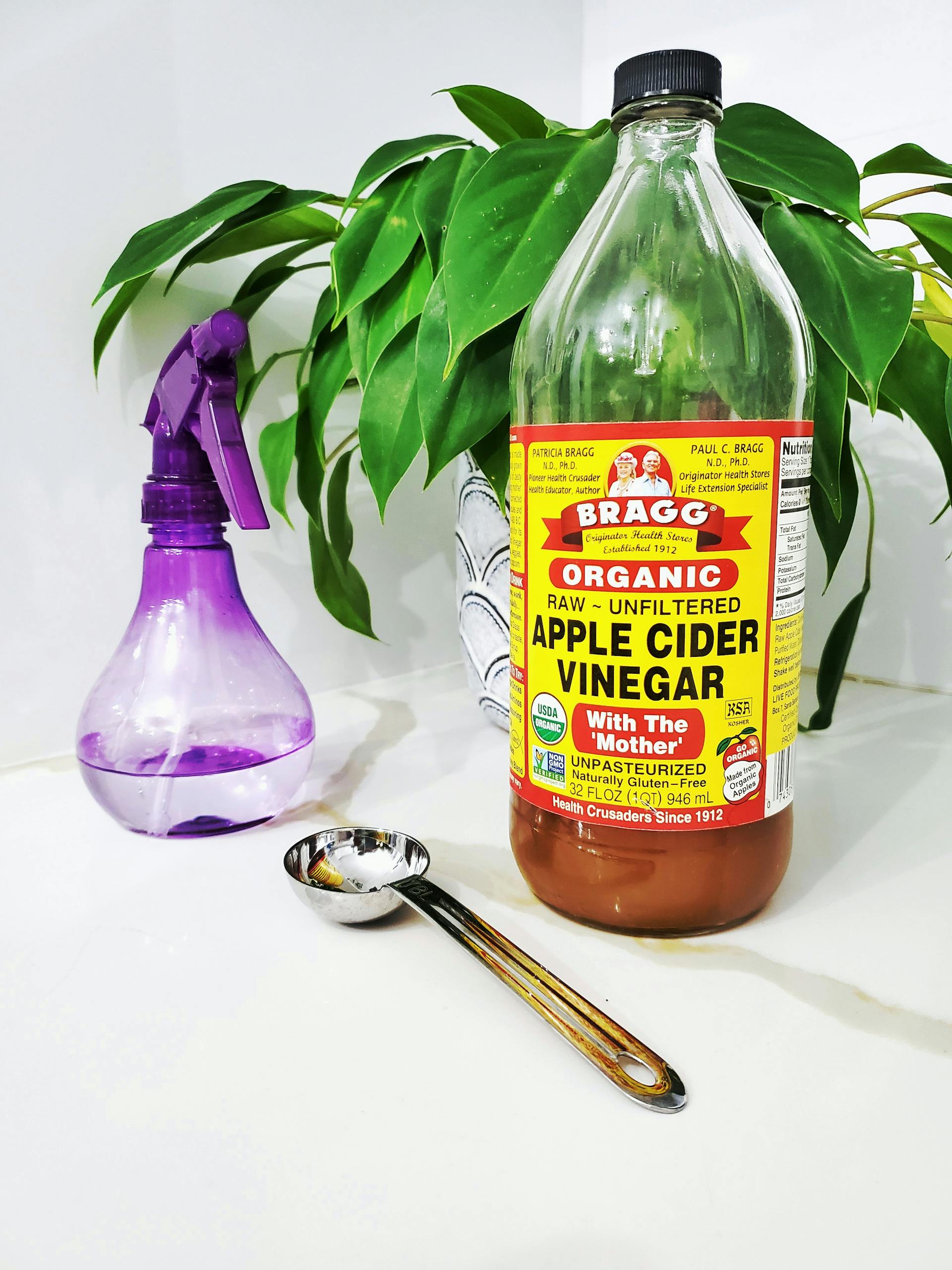
Vinegar has a reputation as the miracle cleaner hiding in the pantry, but it does not belong everywhere. In dishwashers, frequent vinegar use can become risky because acidic cleaners may wear down rubber seals, hoses, and internal components over time. Consumer Reports has warned that regular vinegar use can damage rubber seals and hoses in some appliances, which may lead to leaks.
That does not mean the dishwasher should be ignored. It means we should clean it the way the manufacturer recommends. Dishwasher-safe cleaners, filter cleaning, wiping the gasket, and removing trapped food debris usually do more good than pouring acid into a machine full of rubber parts.
A cleaner dishwasher also performs better. When grime builds up around the filter, spray arm, gasket, and detergent cup, dishes come out cloudy, smells get worse, and the machine works harder. The goal is not aggressive cleaning. The goal is steady, appliance-safe maintenance.
Forgetting the Dishwasher Filter and Trap
Many homeowners treat the dishwasher like a self-cleaning appliance, but it collects food particles, grease, detergent residue, and mineral buildup. The filter or trap at the bottom catches debris that would otherwise circulate back onto dishes or clog the machine. When we ignore it, the dishwasher can smell bad, drain slowly, clean poorly, and strain its pump.
A dirty gasket creates another problem. The rubber seal around the door can hold grime, moisture, and food residue. Over time, that buildup can cause odors and weaken the seal. Once water starts leaking from the door, a small cleaning task turns into a floor and cabinet problem.
Pouring Grease Down the Drain
Hot grease looks harmless when it slides out of a pan, but it does not stay liquid for long. As fats, oils, and grease cool, they can cling to pipes, collect food particles, and create stubborn blockages. Clemson’s Home and Garden Information Center warns that fats, oils, and grease can solidify in septic tanks and lines, leading to blockages, backups, and overflows. Home & Garden Information Center
The damage is not limited to the kitchen sink. Grease buildup can affect plumbing lines, septic systems, municipal sewers, and indoor drains. A slow drain may look like a minor annoyance, but it can signal a thickening blockage that eventually sends dirty water back where it should never go.
The better routine is to let the grease cool, scrape it into a container, and throw it in the trash. Wipe greasy pans with a paper towel before washing. A few extra seconds after cooking can prevent one of the most common and frustrating plumbing problems in the home.
Placing Heat Sources Near the Thermostat
A thermostat makes decisions based on the air around it. If it sits near a lamp, television, oven, sunny window, doorway, or appliance that gives off heat, it may read the room incorrectly. The Department of Energy says thermostats should be placed on an interior wall away from direct sunlight, drafts, doorways, skylights, and windows to avoid inaccurate readings and unnecessary cycling.
Bad placement can make the home uncomfortable and expensive to run. In summer, a thermostat near a heat source may tell the air conditioner to work harder than needed. In winter, the same false reading may shut the heat off too soon, leaving other rooms chilly.
We should treat thermostat placement as part of home maintenance, especially after remodeling or rearranging furniture. If one room feels comfortable but the rest of the house feels wrong, the thermostat may be reacting to the wrong signal.
Leaving Blinds Open During Harsh Sunlight
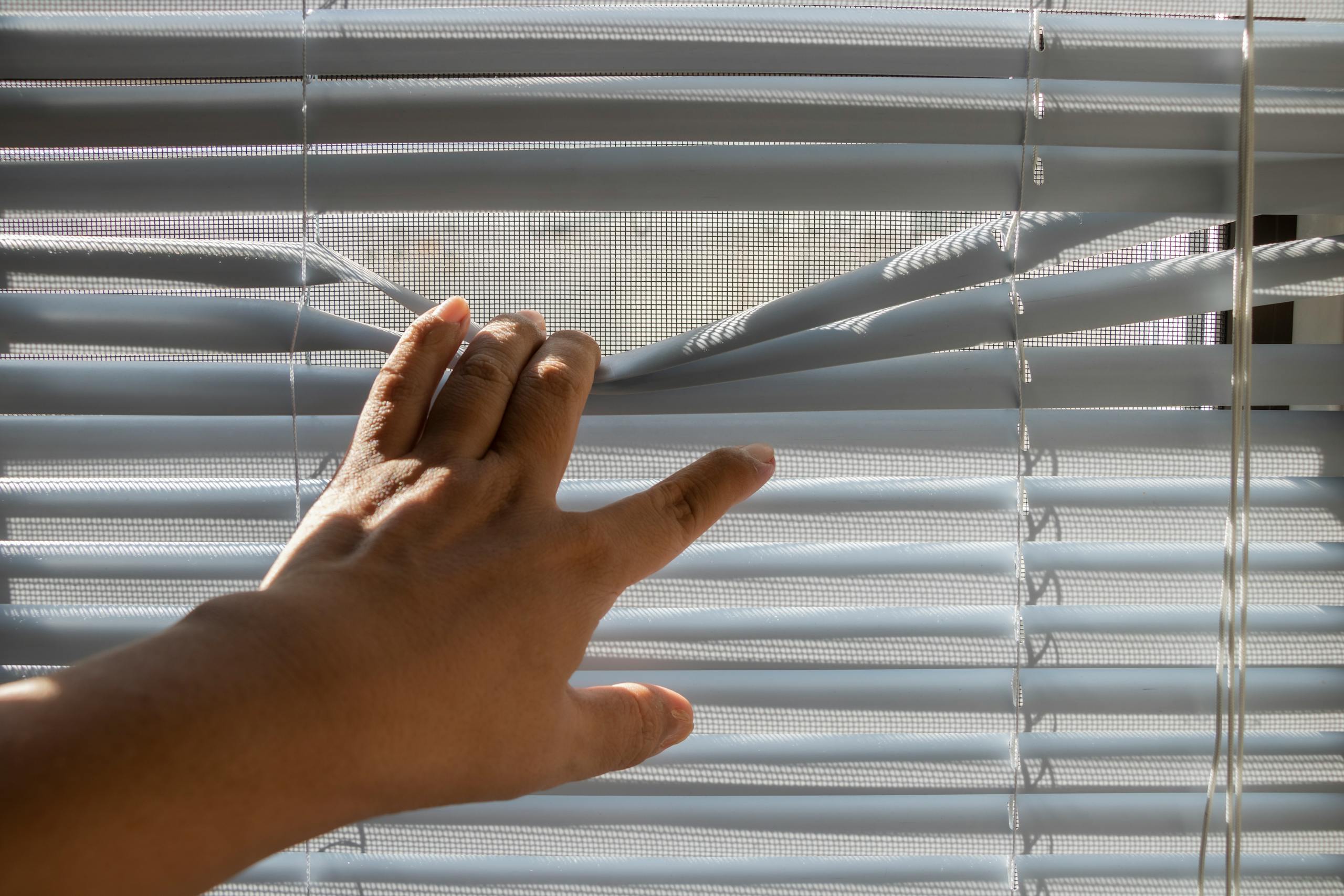
Natural light makes a home feel alive, but constant direct sunlight can punish floors, furniture, rugs, artwork, and painted surfaces. UV exposure can fade hardwood, bleach fabrics, discolor rugs, and create uneven patches where sunlight hits the same area every day.
This damage often appears slowly. At first, the floor just looks warmer in one spot. Later, moving a rug or sofa reveals a sharp color difference between protected and exposed areas. By then, refinishing or replacement may be the only way to make the surface look even again.
We do not need to live in darkness to protect the home. We can close blinds during peak sun hours, use UV-filtering window film, rotate rugs, and move furniture slightly from time to time. In sunny rooms, light control is surface protection.
Sweeping Hardwood Floors Without Vacuuming First
Sweeping feels gentle, but grit can behave like sandpaper on hardwood floors. Tiny particles of dirt, sand, and debris can scrape the finish as they move across the surface. A broom can push those particles around instead of lifting them away.
Vacuuming first is often safer, as long as we use a floor-safe attachment and avoid a spinning beater bar that can scratch delicate finishes. After removing grit, a microfiber mop can pick up remaining dust without dragging abrasive material across the floor.
This habit matters most near doors, kitchens, mudrooms, and hallways. These areas collect outdoor grit quickly. The floor does not need abuse to age badly. It only needs a small amount of sand moved around every day.
Ignoring Flickering Lights
A flickering light may be a loose bulb, but it should not be dismissed every time. Persistent flickering, dimming when appliances start, buzzing switches, warm outlets, or burning smells can point to electrical problems that need attention. The U.S. Consumer Product Safety Commission’s home wiring guidance focuses on identifying wiring hazards before they lead to fire or shock risks.
The smart first step is simple. Tighten or replace the bulb and see if the problem stops. If flickering continues, affects several fixtures, or happens when large appliances run, the issue may involve the circuit, switch, fixture, or wiring.
Electrical problems are not good DIY guessing games. We should call a licensed electrician when warning signs repeat. A professional inspection costs far less than fire damage, ruined wiring, or a dangerous shock.
Using Harsh Cleaners on Painted Cabinets
Painted cabinets make kitchens feel polished, but their finish can be more delicate than tile, glass, or metal. Bleach, ammonia, abrasive powders, rough sponges, and strong degreasers can dull the surface, soften paint, strip sheen, or leave cloudy patches. Wax-based products can also leave a sticky film that attracts dust and fingerprints.
Kitchen cabinets deal with grease, steam, fingerprints, and food splatter every day, so cleaning is necessary. The problem comes from treating painted wood like a bathroom sink. Too much chemical strength can shorten the life of the finish and make cabinets look older than they are.
A better method is warm water, mild dish soap, a soft cloth, and quick drying. For greasy spots, we can use a cleaner approved for painted cabinetry and test it in a hidden area first. Gentle cleaning done often beats harsh cleaning done in frustration.
Forgetting to Flush the Water Heater
A tank water heater collects sediment over time, especially in areas with hard water. That sediment can settle at the bottom, reduce efficiency, create popping or rumbling sounds, and make the heater work harder. The Department of Energy notes that flushing storage tanks periodically helps remove sediment in water heating systems.
When sediment builds up, it can act like a barrier between the burner or heating element and the water. The system needs more energy to do the same job, and the tank may age faster. In severe cases, sediment can contribute to overheating, pressure problems, or reduced hot water supply.
We should follow the manufacturer’s maintenance instructions and consider professional help if the unit is old, leaking, noisy, or unfamiliar. Water heaters involve hot water, pressure, gas, electricity, and valves, so safety matters. Regular maintenance protects both comfort and equipment life.
The Real Cost of Small Home Maintenance Mistakes
The most expensive home problems rarely begin as expensive problems. A little steam becomes mold. A little grease becomes a clog. A little sunlight becomes faded flooring. A little flicker becomes an electrical inspection. A little water near the foundation becomes a crack that makes every future storm more stressful.
Good home maintenance is not about perfection. It is about catching the quiet problems before they grow teeth. We protect the home by controlling moisture, respecting appliances, cleaning with the right products, directing water away from the foundation, and treating warning signs like useful information instead of background noise.