Aging is hard enough in a normal home, with doctor visits, aching joints, family worries, and the quiet fear of becoming dependent. Now imagine facing that same stage of life in a prison cell, where every step, meal, appointment, and phone call is controlled by someone else.
There is no soft retirement, no familiar couch, and no simple trip to see a grandchild. Growing old in prison turns ordinary aging into something much colder.
For many Americans, prison is often imagined through the lens of youth, violence, punishment, and bad choices. Yet a large share of incarcerated people are now older adults dealing with chronic illness, dementia, disability, grief, and fear.
The older prison population has become a serious issue across the country. It has forced states to confront a painful question about punishment, public safety, and human dignity.
This topic can stir strong emotions because people see it from different sides. Some think long sentences should remain long because victims and families deserve justice. Others ask what justice means when a prisoner is elderly, sick, wheelchair bound, or unable to remember the crime that put them there. That tension makes the issue difficult, human, and deeply American.
The dark realities of growing old in prison are not only about the people behind bars. They also touch taxpayers, correctional officers, families, prison nurses, parole boards, and communities. Aging prisoners reveal what happens when a system built for control has to become a nursing home, hospital, and end-of-life facility at the same time.
Health Problems Become Harder to Hide
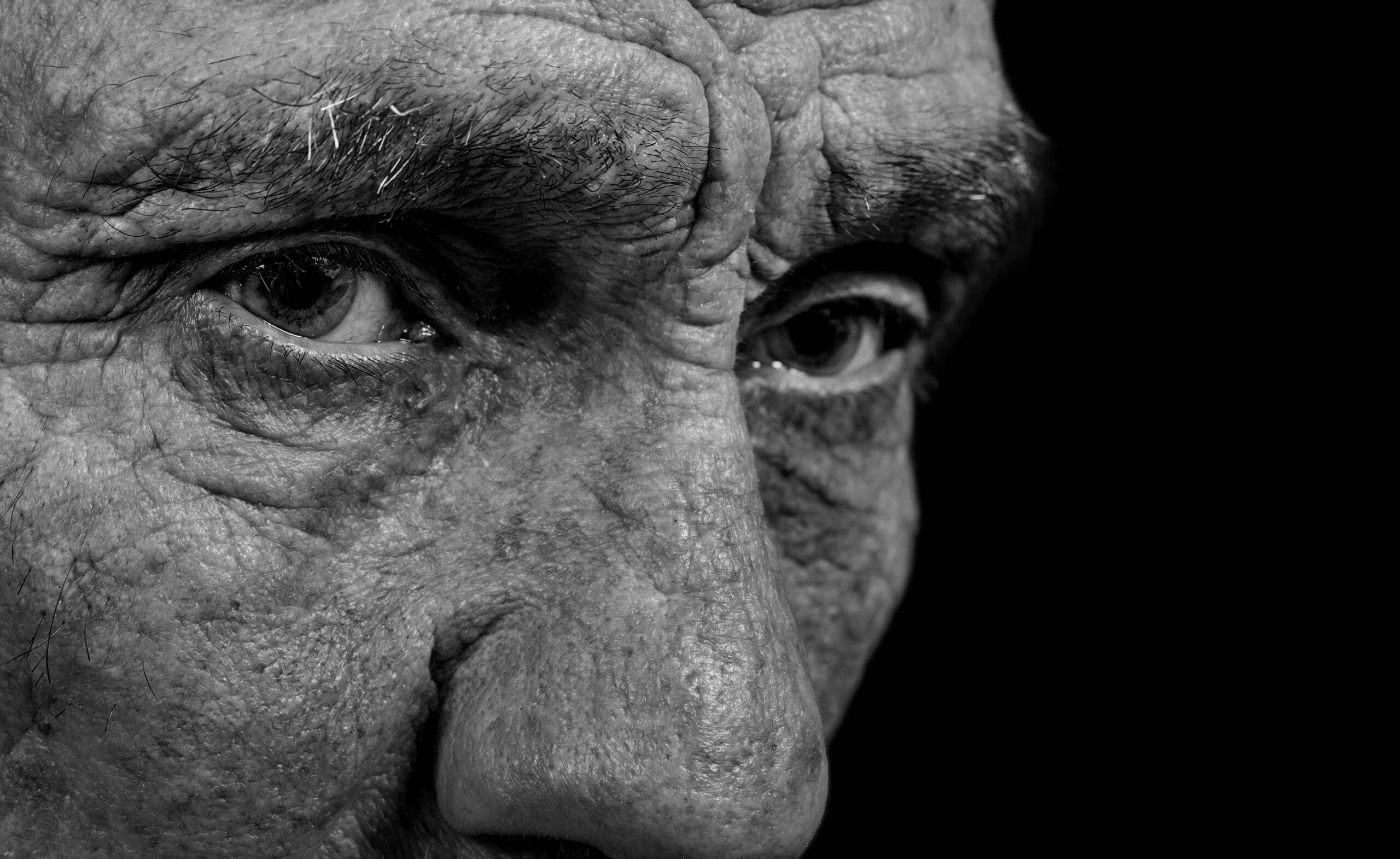
Growing old in prison often means dealing with illness in a place that was never designed for aging bodies. High blood pressure, diabetes, arthritis, heart disease, vision loss, and mobility problems can turn basic prison routines into daily struggles. A long walk to the cafeteria can feel impossible when knees are failing or breathing is difficult. Even standing in line for medication can become another test of pain and patience.
The problem is bigger than personal discomfort. Prisons must provide medical care, but many systems struggle with staffing, delays, transportation, and the rising needs of older inmates. The year-end prison population still includes a large number of people who will age behind bars. As that population gets older, routine incarceration becomes much more like long-term medical management.
Prison Cells Turn Into Poor Nursing Homes
A prison cell is not a nursing home room, no matter how many older people live there. Many cells have narrow bunks, hard floors, metal fixtures, poor lighting, and layouts that increase the risk of falls and other injuries. A person with balance problems can fall while climbing down from a bunk or trying to reach a toilet at night. Small design problems become major threats when the body is fragile.
This is one of the harshest aspects of aging in prison. The environment still works like a punishment space, even when the prisoner’s needs look more like elder care. Guards may become unofficial caregivers, and younger prisoners may help older men shower, walk, read forms, or remember instructions. That can create a strange dependence in a place built around suspicion and control.
The Cost Becomes a Taxpayer Problem

Older prisoners usually cost more because they need more medical care, more medication, more appointments, and more staff attention. The issue is not sentimental only. It is financial, and taxpayers help carry the bill whether they think about prisons or not. Aging behind bars can turn a criminal justice sentence into a long-term public health expense. That makes the debate about older inmates both moral and practical.
Reports on aging prison costs have warned that older incarcerated people put real pressure on corrections budgets. States must decide how much money to spend keeping sick and elderly prisoners locked up, especially when some pose little physical threat. Supporters of release programs argue that the money could be used more effectively elsewhere. Opponents worry that age alone should not erase the seriousness of past crimes.
Loneliness Hits Differently Behind Bars
Loneliness in old age is painful anywhere, but in prison it is sharper. Friends die, family members move on, children grow up, and grandchildren may grow up knowing a person only through brief calls or old stories. Visits often become rare because travel is expensive, relatives are tired, and time changes relationships. An older prisoner can slowly fade from memory for those they once knew well.
The emotional damage can be quiet, but it is real. Birthdays pass inside the same walls, holidays come with institutional meals, and family news arrives late or not at all. A prisoner may learn about a sibling’s death, a child’s divorce, or a parent’s funeral through a phone call they cannot afford to keep making. Old age already shrinks the world, but prison can shrink it until only the cell remains.
Dementia Creates a Cruel Kind of Confusion

Dementia and cognitive decline make prison especially cruel. A person who forgets rules, names, locations, or instructions may be seen as disobedient rather than sick. They may miss medication, misunderstand orders, wander into the wrong area, or become frightened by daily prison noise. In that state, punishment can become confusion layered atop punishment.
This creates a serious challenge for prison staff as well. Many officers are trained for security, not dementia care, memory loss, or end-of-life support. The elderly incarceration crisis has raised hard questions about whether prisons can handle people who need medical supervision more than discipline. When a person no longer fully understands the world around them, the meaning of punishment becomes much harder to defend.
Disability Makes Every Rule Feel Heavier
Disability in prison can turn ordinary rules into daily obstacles. A person using a cane, walker, wheelchair, hearing aid, or oxygen support does not experience prison the same way a younger, healthier person does. Count times, showers, meals, searches, transport, and emergency movement can all become more complicated. The prison schedule does not slow down just because an aging body does.
Research on disability behind bars shows why this issue deserves more attention. Disability is not only a medical condition inside prison, but a daily barrier to dignity, safety, and basic independence. An older prisoner may depend on staff or other inmates for things most adults take for granted. That kind of dependence can feel humiliating in a place where weakness can be dangerous.
Hope Can Fade Before the Sentence Ends

One of the darkest realities of growing old in prison is the slow loss of hope. Younger prisoners may dream about release, rebuilding, work, marriage, children, or starting over. Older prisoners often do the math differently. They count years against failing health, missed family time, and the possibility that freedom may arrive too late to mean much.
This does not erase accountability or the pain of victims. It simply shows how punishment changes over the decades. A sentence that once meant years behind bars can become a sentence to die far from home. For older prisoners, the hardest question may not be whether they will be released, but whether they will still have a life waiting if they are.
Conclusion
The dark realities of growing old in prison force America to look at punishment in a different way. A prison system built for control now has to manage walkers, cancer treatments, dementia, disability, grief, and death. That reality does not make past crimes disappear, and it does not erase the pain of victims. It does reveal how complicated justice becomes when people age behind bars.
Growing old in prison is not only a story about inmates. It is also a story about public money, prison workers, families, health care, and the limits of a system that was never built to be an elder care facility. As more prisoners age, states will face harder choices about long sentences, compassionate release, medical care, and public safety. Those choices will not be easy, because every side carries a real human cost.
The question is no longer just how long someone should be punished. It is also what punishment should look like when a person is old, sick, disabled, or nearing death. Should prison remain the answer until the final breath, or should justice leave room for age, illness, and mercy?