Saving leftovers is one of the easiest ways to reduce food waste and stretch a grocery budget. After all, why throw away perfectly good food when you can refrigerate it and enjoy another meal the next day?
But many households overlook a problem: not every leftover stays safe simply because it has been cooked once.
Certain foods can become breeding grounds for bacteria when they are left sitting at room temperature for too long, cooled improperly, or stored incorrectly. And even reheating them may not always eliminate the danger.
Gastroenterologists and food safety experts have repeatedly warned about foodborne illnesses linked to improperly stored meals, particularly rice and other starchy foods.
According to the American Medical Association, gastroenterologist Dr. Maria Ortega-Fonte has highlighted a condition commonly called fried rice syndrome. It occurs when Bacillus cereus bacteria multiply in improperly stored food and produce toxins that can cause sudden illness. Symptoms can begin as early as 30 minutes after eating contaminated food.
The good news is that you don’t necessarily have to stop eating leftovers. Knowing which foods need extra attention and how to store them properly can make a big difference.
Here are four common leftovers that deserve particular care.
Leftover Rice
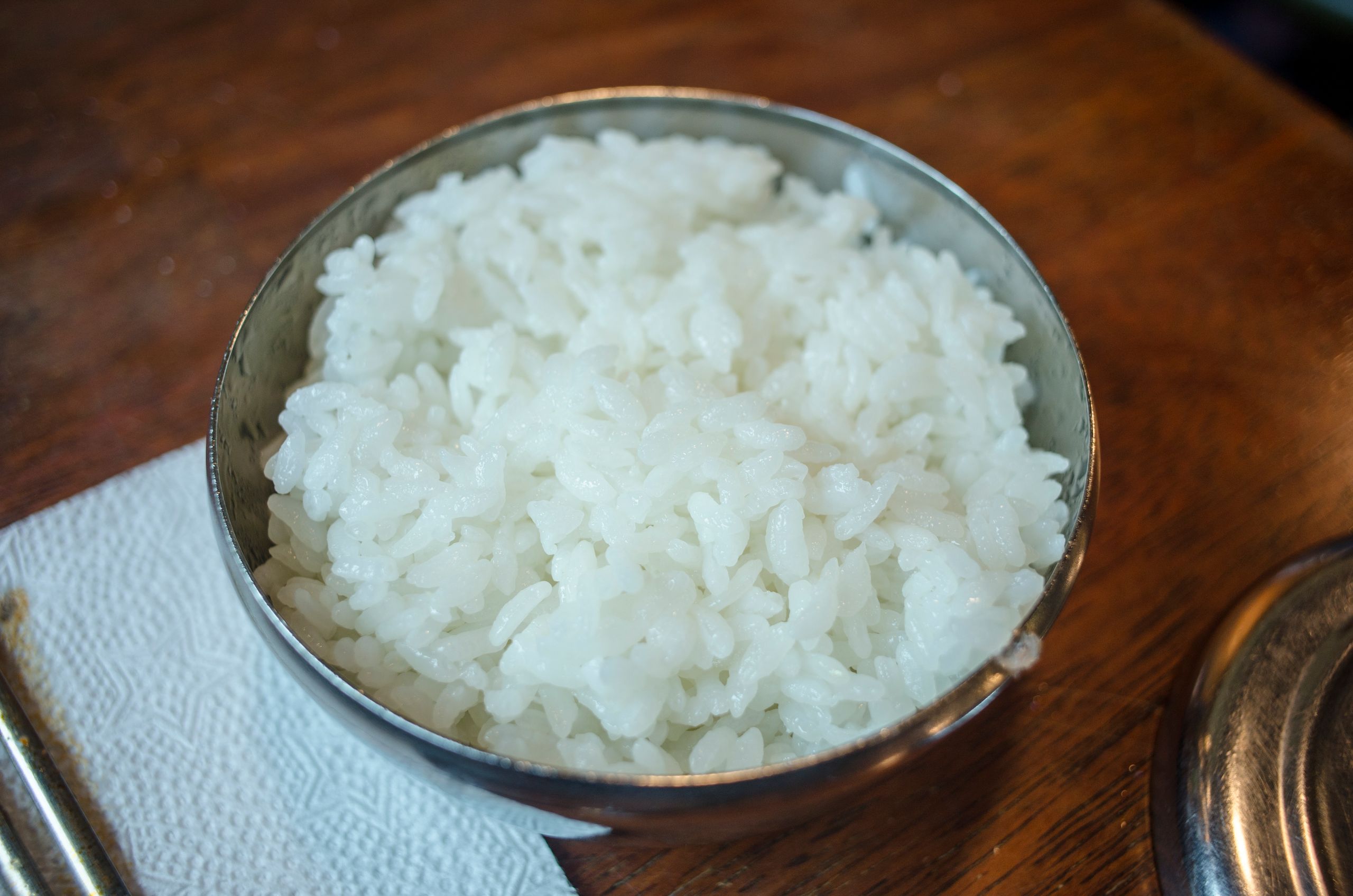
Rice is one of the most commonly discussed foods when it comes to leftover-related food poisoning.
Whether it’s plain white rice, fried rice, rice pilaf, or a homemade rice casserole, the problem often starts after cooking.
Uncooked rice can contain spores of a bacterium called Bacillus cereus. These spores can survive normal cooking temperatures.
If cooked rice is left at room temperature for an extended period, the spores can germinate, multiply, and produce toxins.
Eating contaminated rice can cause nausea, vomiting, abdominal cramps, and diarrhea.
According to Food Standards Australia New Zealand, Bacillus cereus symptoms can begin between one and 16 hours after eating contaminated food. The vomiting-related form can develop particularly quickly.
This is why leftover rice deserves special attention.
One common mistake is leaving a pot of rice on the kitchen counter overnight and assuming that reheating it the following morning will make it safe.
Unfortunately, some toxins produced by Bacillus cereus are heat-resistant. Reheating contaminated rice may kill bacteria, but it cannot reliably destroy toxins that have already formed.
How to store it safely:
- Refrigerate cooked rice promptly rather than leaving it on the counter.
- Divide large quantities into smaller, shallow containers so they cool faster.
- Keep the refrigerator at 40°F (4°C) or below.
- Follow your local food safety authority’s recommended storage period.
- Discard rice that has been left at room temperature for too long.
Some food safety authorities recommend particularly short storage periods for cooked rice. New Zealand’s Ministry for Primary Industries, for example, recommends consuming refrigerated rice leftovers within two days.
Leftover Pasta
Pasta is another everyday food that people frequently prepare in large quantities.
From spaghetti and macaroni to creamy Alfredo and baked pasta dishes, leftovers are often saved for quick lunches and dinners.
However, pasta can also be associated with Bacillus cereus food poisoning.
Like rice, pasta is a starchy food that can support bacterial growth when it is improperly cooled and stored.
The problem becomes more concerning when cooked pasta sits out for several hours before being refrigerated.
Under these conditions, bacteria can multiply and produce toxins that may survive reheating.
The American Medical Association specifically identifies pasta and casseroles as foods associated with fried rice syndrome when they are left at room temperature for too long.
Another mistake involves leaving a large pot of pasta to cool slowly before putting it away.
A large container can retain heat for a long time, allowing parts of the food to stay at temperatures where bacteria multiply.
How to store it safely:
- Transfer cooked pasta into shallow containers.
- Refrigerate it within two hours of cooking.
- Store pasta with meat, seafood, or cream-based sauces with the same care.
- Reheat leftovers thoroughly to 165°F (74°C).
- Avoid repeatedly reheating the same container.
You don’t need to throw away every serving of leftover spaghetti. Proper cooling and refrigeration are what matter most.
Leftover Potatoes
Potatoes are another food people rarely think twice about saving.
Whether mashed, roasted, boiled, or baked, leftover potatoes can be a convenient way to make another meal.
However, improperly stored potatoes can create food safety problems.
Like rice and pasta, potatoes are among the starchy foods that can support Bacillus cereus growth.
Potato salads deserve particular attention because they often contain additional ingredients such as mayonnaise, eggs, and other prepared foods.
When these dishes are left outside refrigeration for too long, bacteria can multiply and increase the risk of foodborne illness.
A separate concern involves baked potatoes wrapped in aluminum foil.
If cooked potatoes are wrapped in foil and left at room temperature, they can create conditions that allow Clostridium botulinum to grow and produce a dangerous toxin.
Botulism is rare but potentially life-threatening.
The CDC and food safety authorities warn that improperly stored baked potatoes can be a possible source of botulism.
This doesn’t mean potatoes are dangerous or that you should stop saving them.
It means storage matters.
How to store them safely:
- Refrigerate cooked potatoes within two hours.
- Remove aluminum foil from baked potatoes before refrigerating them.
- Store leftovers in clean, covered containers.
- Keep potato salads refrigerated until serving.
- Avoid leaving potato dishes sitting on a buffet or kitchen counter for extended periods.
If you’re preparing potato salad for a family gathering, keep it chilled and return it to the refrigerator promptly after serving.
For dishes containing mayonnaise, eggs, or other perishable ingredients, don’t assume that their appearance tells you whether they’re safe.
Leftover Chicken
Chicken is a popular choice for meal preparation because it can be used in sandwiches, salads, wraps, soups, and quick dinners.
But it also deserves careful handling.
Raw chicken can contain harmful bacteria, including Salmonella and Campylobacter. These organisms can cause food poisoning if chicken isn’t cooked properly or if its juices contaminate other foods.
According to the CDC, chicken should reach an internal temperature of 165°F (74°C) to kill harmful germs.
However, cooking the chicken correctly is only part of the process.
After preparation, cooked chicken can become contaminated through dirty hands, utensils, cutting boards, or contact with raw meat.
Leaving cooked chicken at room temperature for several hours can also allow bacteria to multiply.
One concern is Clostridium perfringens, which is associated with meat and poultry dishes cooked in large quantities and held at unsafe temperatures.
The CDC reports that symptoms from this type of food poisoning commonly begin six to 24 hours after eating contaminated food.
This is particularly relevant when preparing large family meals, where chicken may remain on the dining table long after everyone has finished eating.
How to store it safely:
- Refrigerate cooked chicken within two hours.
- Divide large portions into smaller containers.
- Keep it refrigerated at 40°F (4°C) or below.
- Eat refrigerated leftovers within three to four days.
- Reheat chicken until it reaches an internal temperature of 165°F (74°C).
If chicken has been sitting out overnight, don’t try to rescue it by microwaving it.
Throwing it away is the safer decision.
Why Reheating Leftovers Doesn’t Always Make Them Safe
Many people believe that heating leftovers until they’re steaming hot will eliminate every possible food safety problem.
Unfortunately, that’s not always true.
Reheating can kill many harmful bacteria, but certain bacteria produce toxins that can survive high temperatures.
For example, Bacillus cereus can produce a heat-resistant toxin in improperly stored rice and other starchy foods.
Similarly, Staphylococcus aureus can produce toxins that aren’t destroyed through ordinary reheating.
The USDA specifically warns that food left at room temperature for too long may remain unsafe even after proper reheating.
This is why the way food is stored after cooking is just as important as how thoroughly it is reheated.
A microwave cannot reverse every mistake made earlier in the kitchen.
How Long Can You Safely Keep Leftovers?
For most cooked leftovers, the USDA recommends refrigerating food promptly and using refrigerated leftovers within three to four days.
The Mayo Clinic also recommends eating refrigerated leftovers within three to four days or freezing them if they won’t be consumed within that period.
These are general U.S. food safety recommendations. Some foods, particularly rice, may require more cautious handling and shorter storage periods.
Another important point is that you cannot always identify contaminated food by looking at it.
Food may contain harmful bacteria without developing an unusual smell, taste, or appearance.
When in doubt, throwing it away is safer than taking a chance.
Symptoms of Food Poisoning You Shouldn’t Ignore
Food poisoning doesn’t affect everyone in the same way.
Some people experience mild stomach discomfort, while others develop more serious symptoms.
According to the CDC, common symptoms include:
- Nausea.
- Vomiting.
- Diarrhea.
- Stomach cramps.
- Fever.
The time it takes for symptoms to appear depends on the organism responsible.
Some foodborne illnesses can begin within 30 minutes, while others take several days.
The CDC advises seeking medical attention for bloody diarrhea, diarrhea lasting more than three days, a fever above 102°F, frequent vomiting that prevents someone from keeping liquids down, or signs of dehydration.
Young children, adults aged 65 and older, pregnant women, and people with weakened immune systems may face a greater risk of serious complications.
If symptoms are severe, don’t assume they’ll disappear without medical attention.
Simple Habits That Can Make Your Leftovers Safer
You don’t have to stop preparing meals in advance or enjoying food the following day.
A few simple habits can significantly reduce the risk of foodborne illness.
Use shallow containers: Large pots of food cool slowly. Dividing meals into smaller portions helps them cool faster.
Refrigerate promptly: Don’t leave cooked food sitting on the kitchen counter while you finish other chores.
Keep raw and cooked foods separate: Use clean utensils and cutting boards to prevent cross-contamination.
Check your refrigerator temperature: If your refrigerator isn’t cold enough, bacteria may multiply.
Label your containers: Writing the preparation date on leftovers makes it easier to know how long they’ve been stored.
Don’t rely on smell: Food can contain harmful bacteria without looking or smelling spoiled.
Avoid repeated reheating: Reheat only the portion you intend to eat rather than repeatedly warming the entire container.
The USDA recommends reheating leftovers to an internal temperature of 165°F (74°C), using a food thermometer to check that the food is heated throughout.