Control rarely introduces itself honestly. It does not always arrive shouting, threatening, or making obvious demands. Sometimes it arrives with a soft voice and says, “I only act this way because I care.”
That is why so many people miss it. A partner checks your phone and calls it honesty. They criticize your outfit and call it protection. They isolate you from friends and call it loyalty. The language sounds emotional, but the effect feels smaller and smaller.
These are toxic things people call love, and they can be dangerous because they often look intense before they look frightening. American culture sometimes romanticizes jealousy, possessiveness, and dramatic attachment as proof of deep investment.
Real love does not shrink your world. It gives you room to breathe, choose, grow, and still feel safe.
Constant Jealousy Disguised as Passion

A little insecurity can happen in relationships, especially when someone has been hurt before. Constant jealousy is different. It turns every coworker, friend, text message, outfit, social media like, or delayed reply into a possible threat. The relationship becomes a courtroom where one person is always expected to prove they did nothing wrong.
Some people mistake jealousy for passion because it feels intense. But intensity is not the same as safety. Jealousy becomes control when it demands explanations, restricts friendships, or makes one partner feel guilty for being seen by the world. Real trust cannot grow when someone is treated like a suspect every day.
Checking Your Phone in the Name of Honesty
A controlling partner may say phone checks are normal if there is nothing to hide. That line sounds logical on the surface, but it twists privacy into guilt. A person can be loyal and still deserve private conversations, personal space, and the dignity of not being searched like a drawer. Love does not require constant inspection.
Digital control can become serious because phones play almost every role in modern life. Messages, photos, locations, bank apps, work emails, and family conversations can all be used to monitor. Guidance on digital abuse signs shows how technology can be used to pressure, track, and control a partner. Trust should not need a password test every night.
Telling You What to Wear
Clothing control often begins with comments that sound protective. “I just do not want people looking at you.” “That outfit sends the wrong message.” “You look better when you dress the way I like.” At first, someone may brush it off as insecurity or preference. Over time, the message becomes clear: your body is being managed.
A loving partner can have opinions, but control demands obedience. If someone’s mood changes based on whether your clothes meet their approval, that is not romance. It is ownership wearing a mask. A person should not have to dress smaller, quieter, or less like themselves to keep peace at home.
Calling Isolation Loyalty

A controlling partner may slowly make your friends, relatives, coworkers, hobbies, or outside interests seem like problems. They complain when you go out, punish you with silence afterward, or suggest that anyone who supports your independence is against the relationship. The goal is rarely announced. It happens through guilt, conflict, and exhaustion.
Isolation is dangerous because it leaves a person with fewer witnesses and fewer places to feel grounded. Healthy love should support outside connections because no romantic relationship can be someone’s entire emotional world. Strong, healthy support systems help people stay balanced. A partner who needs you to cut off is not protecting love. They are in control.
Turning Guilt Into a Leash
Some controlling people do not yell often. They guilt. They act wounded whenever you say no, set a boundary, ask for space, or choose something for yourself. Their disappointment becomes so heavy that you begin choosing peace over honesty. That is how guilt turns into a leash.
The relationship may look calm from the outside because you keep giving in. Inside, you may feel trapped by the emotional cost of having your own needs. Love should allow both people to have limits without turning every boundary into a betrayal. If saying no always leads to punishment, guilt is no longer an emotion. It is a control strategy.
Using Money to Control Choices
Financial control can hide behind practical language. One partner may say they are better with money, more responsible, or simply trying to protect the household. Then they start questioning every purchase, limiting access to accounts, hiding financial information, or making the other person feel childish for needing money. The control may feel subtle until the trapped person realizes they cannot move freely.
Money affects housing, transportation, legal options, childcare, healthcare, and the ability to leave unsafe situations. Information on financial abuse patterns shows how control over resources can limit freedom. A shared life still needs transparency and respect. Managing money together should not mean that one person holds the keys to the other’s choices.
Demanding Immediate Replies

A partner who expects instant replies may frame it as love. They say they worry, miss you, or just want to know you are safe. But if a delayed text leads to suspicion, anger, accusations, or punishment, the issue is no longer cared for. It is controlled through constant access.
Nobody should feel haunted by their own phone. Adults have work, errands, friends, children, sleep, and moments when they are simply unavailable. A healthy partner can miss you without turning absence into betrayal. Care asks, “Are you okay?” Control says, “Answer me now or suffer later.”
Making Every Boundary Feel Like Rejection
Boundaries are normal in healthy relationships. People need sleep, friendships, quiet time, privacy, financial limits, family space, and emotional breathing room. A controlling partner may treat every boundary as proof you are selfish, cold, disloyal, or pulling away. That reaction can make the other person afraid to have needs at all.
This kind of pressure slowly erases individuality. You may stop asking for space because the fight afterward feels too expensive. Healthy personal boundary-setting protects closeness by preventing resentment before it grows. A relationship without boundaries may look close, but it often feels suffocating.
Calling Possessiveness Protection
Protection respects real danger. Possessiveness invents danger to justify ownership. The difference matters because one keeps someone safe, while the other keeps someone controlled. A partner may say they are protecting you from bad friends, unsafe places, or people with bad intentions, but the pattern may always end with you having fewer choices.
A loving partner wants you to be safe and free. A possessive partner wants you available, monitored, and easier to manage. If protection always reduces your world, it may no longer be protection. It may be fear disguised as devotion.
Apologizing With Conditions
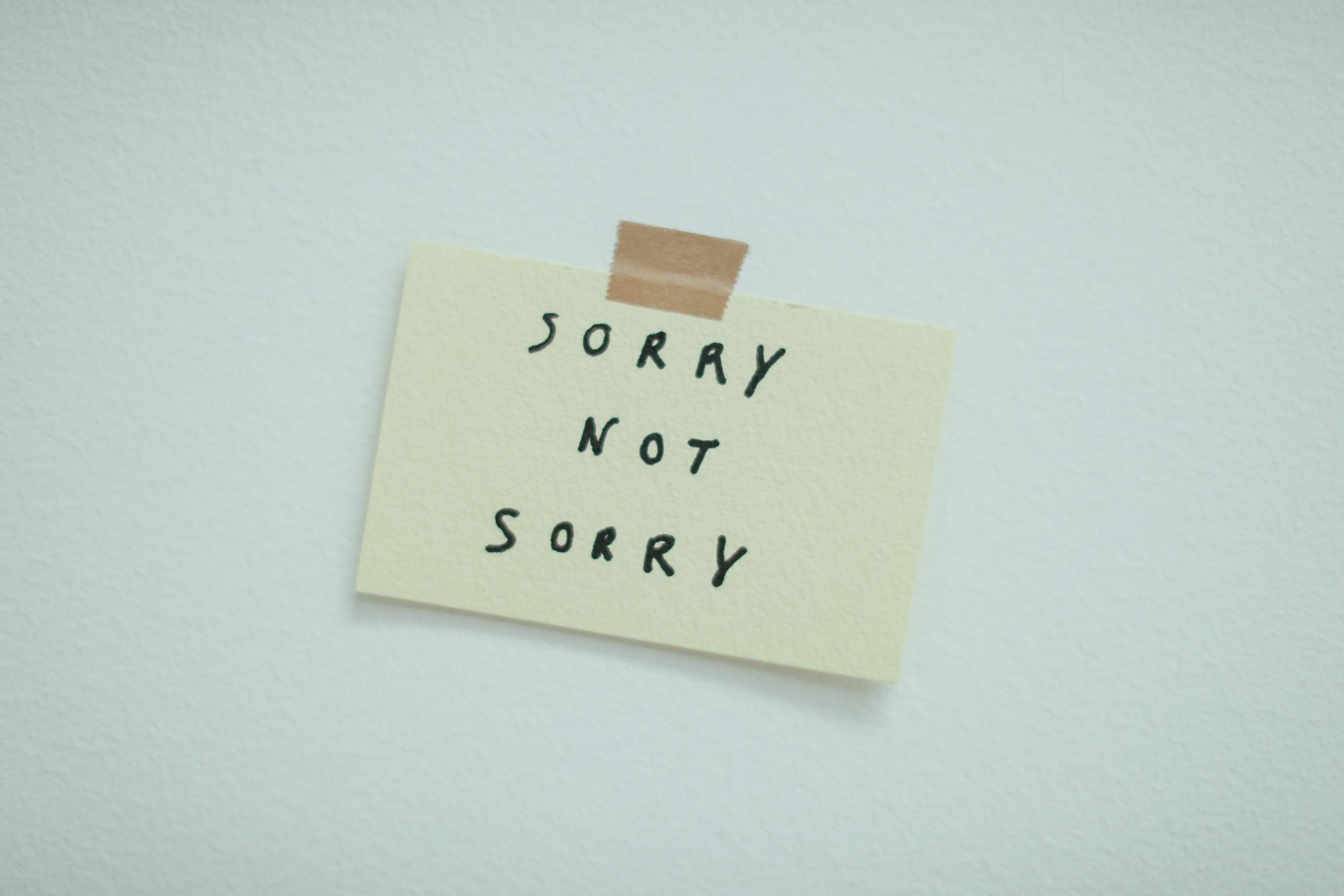
A controlling person may apologize in a way that still blames you. They say, “I am sorry, but you made me react that way,” or “I would not act like this if you respected me.” The words sound like an apology, but the responsibility gets quietly moved back onto the person who was hurt. That keeps the cycle alive.
Real accountability does not need a trapdoor. It does not require the hurt person to take blame before repair can begin. Healthy relationship abuse warning signs often include blame-shifting, minimizing, and making someone feel responsible for another person’s harmful actions. An apology should open the door to change, not excuse the behavior that caused pain.
Making You Afraid to Leave
The most dangerous control often appears when someone tries to leave or pull back. Threats, stalking, self-harm threats, financial pressure, public humiliation, custody fears, or family manipulation may suddenly appear. The relationship that was described as love becomes a place where freedom feels risky.
Fear is not love. A partner who must keep someone through threats, pressure, or emotional terror has crossed a serious line. Resources offering domestic violence support can help people think through safety and next steps. Leaving a controlling situation can be complicated, so nobody should be shamed for needing time, help, or a careful plan.
Key Takeaway
The most painful toxic things people call love often begin with intensity. They feel flattering before they feel frightening. Jealousy becomes passion. Monitoring becomes honesty. Isolation becomes loyalty. Possessiveness becomes protection.
Real love does not monitor, isolate, guilt, threaten, or shrink a person. It may have needs and boundaries, but it does not demand ownership. If someone’s love makes you feel smaller, quieter, and less free, it may not be love at all.