Sunday used to be a day for rest, family, or preparing for the week ahead. Now, social media has rebranded household chores as the ‘Sunday reset.’
On TikTok and Instagram, creators showcase quick cleaning transformations: messy kitchens spotless, laundry baskets emptied, bedrooms tidied. What seemed like a cleaning marathon is now a simple way to prep for Monday.
Major publications have noticed the trend. In August 2026, Which? described how decluttering, cleaning, and meal prep fit into a weekly routine.
You don’t need expensive organizers, matching containers, or hours of cleaning to benefit.
These 11 habits show how small changes can make household chores easier.
Related: The “September Reset” Habit Americans Are Using to Get Back on Track Before the Year Runs Out
Start With a 10-Minute Clutter Sweep.
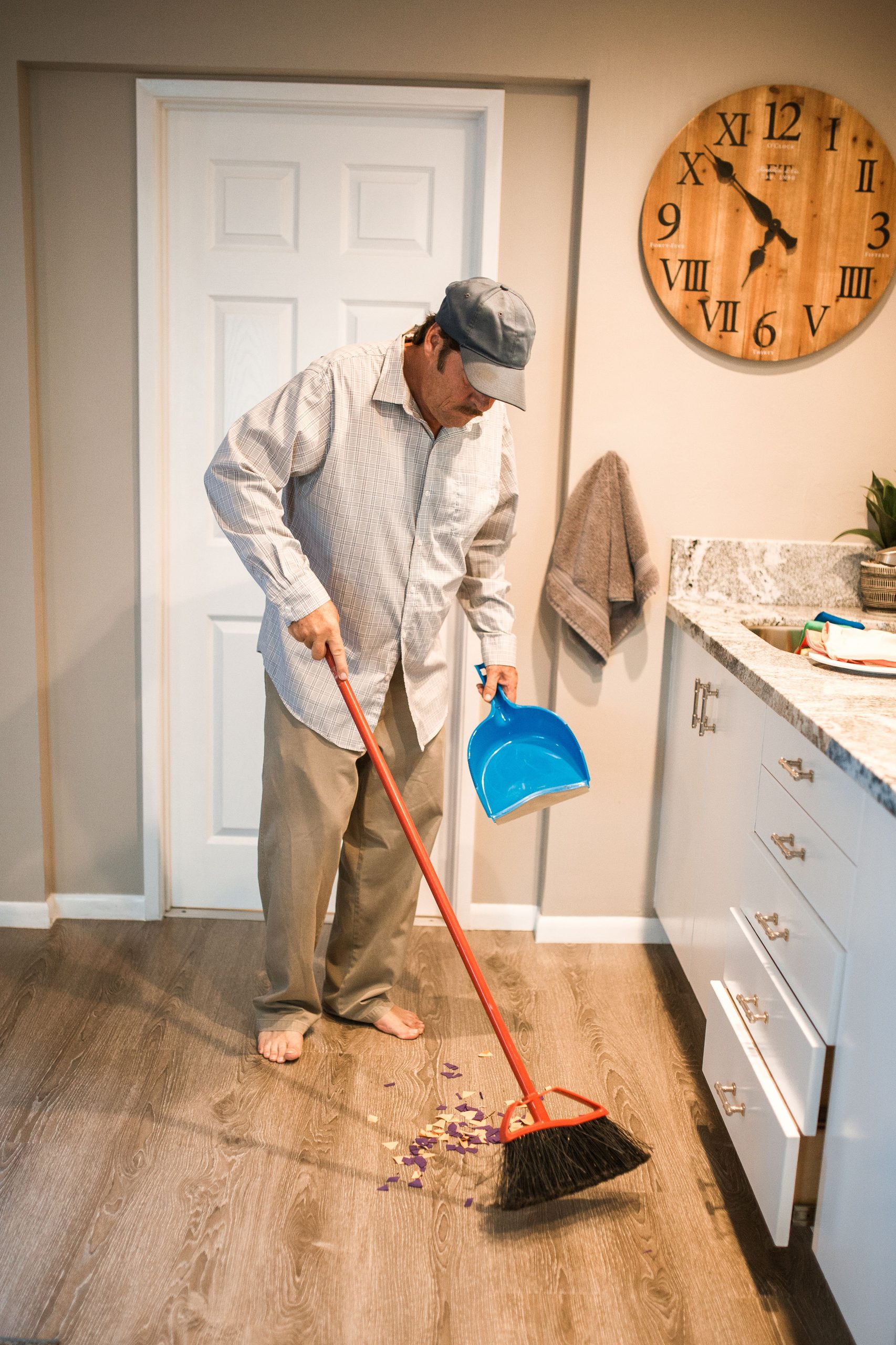
Before reaching for cleaning sprays, take a quick walk through your home and collect everything that’s out of place.
Shoes near the couch, unopened mail on the kitchen counter, children’s toys on the floor, and clothes draped over chairs can make a room feel messy even when the surfaces are relatively clean.
Grab an empty laundry basket and collect items that belong somewhere else.
Then put them back in their proper places.
The idea is to deal with visible clutter before starting more demanding cleaning tasks.
A Washington Post guide to a 10-minute bedroom reset recommends starting with simple actions such as making the bed, removing misplaced belongings, and organizing surfaces.
The best part? You don’t need to buy anything. A basket you already own works perfectly well.
Give Your Kitchen Sink and Counters a Fresh Start
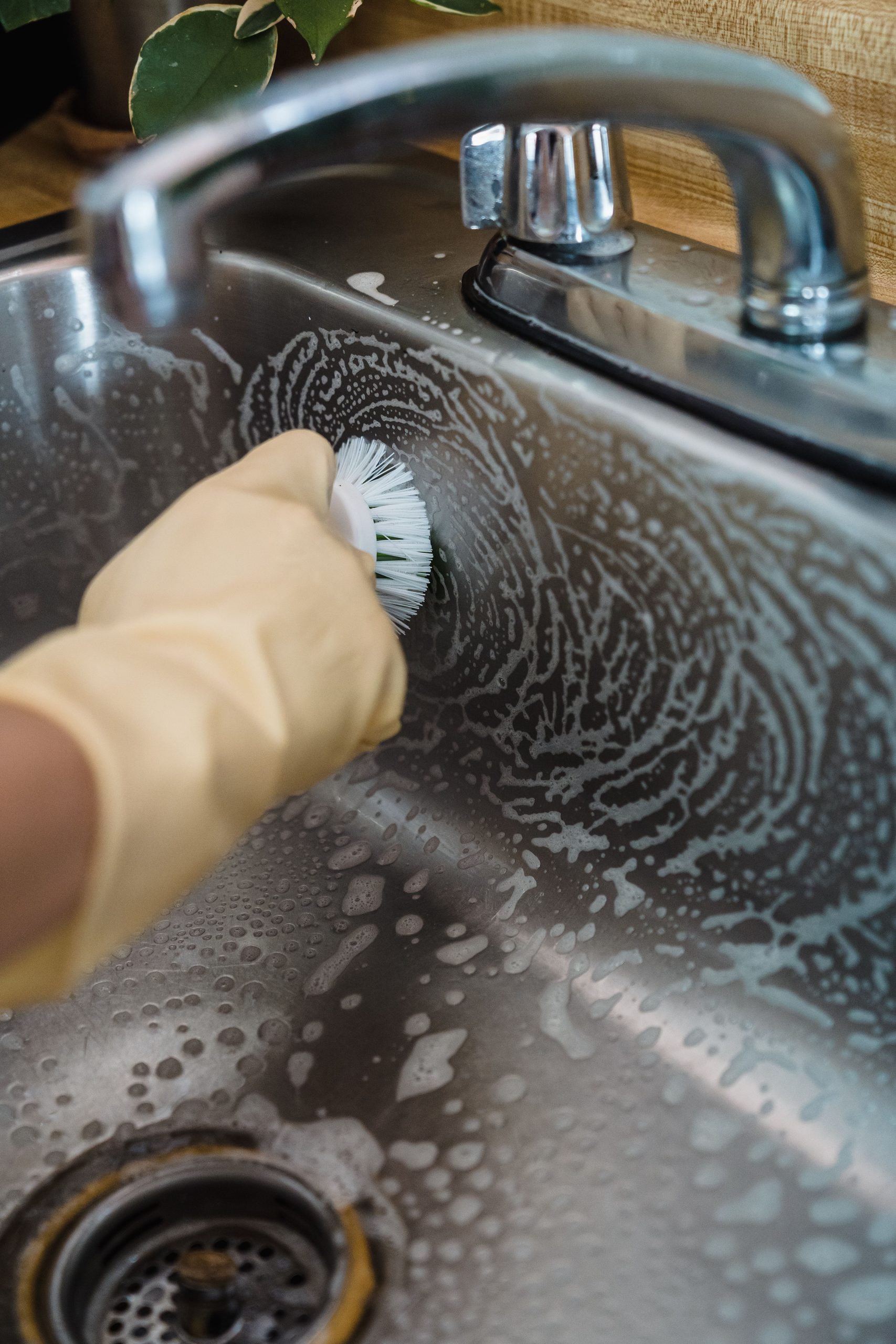
If there’s one room that can make an entire house feel chaotic, it’s the kitchen.
Dirty dishes, food packaging, cooking utensils, and crumbs have a way of piling up over the weekend.
Start by loading the dishwasher or washing the dishes. Clear unnecessary items from the countertops, then wipe down the sink and food preparation areas.
A little mild dish soap, warm water, and a reusable cloth may be enough for routine cleaning.
The CDC explains that regular cleaning with soap and water removes dirt and most germs from household surfaces.
There is no need to disinfect every countertop during an ordinary Sunday reset, although surfaces exposed to raw meat, poultry, or their juices require appropriate cleaning and sanitizing.
The goal is a kitchen ready for the next meal, not a showroom.
Related:12 Things You Should Never Store Under Your Kitchen Sink, According to Experts
Refresh Your Bedroom and Change the Sheets
There’s something comforting about climbing into a freshly made bed after a productive Sunday.
A bedroom reset doesn’t require rearranging furniture or reorganizing the entire closet.
Start by putting away clothes, clearing the nightstand, and removing unnecessary items from the floor.
Change the sheets when they need laundering, wipe dusty surfaces, and make the bed.
If time allows, vacuum or sweep the floor.
The Washington Post’s Sunday bedroom reset guide highlights many of these ordinary tasks, showing how a short cleaning session can make a room feel more organized.
Follow the bedding manufacturer’s instructions when washing sheets and pillowcases.
The bedroom needs to be comfortable and functional.
Related:10 Budget-Friendly DIY Wall Mural Ideas for Any Room
Finish One Complete Load of Laundry
Anyone who has ever washed five loads of clothes only to leave them piled on the couch knows that laundry isn’t finished when the washing machine stops.
That’s why one practical Sunday reset habit is to complete a single priority load from beginning to end.
Wash it, dry it, fold it, and put everything away.
It might be school uniforms, work clothes, towels, or bedding needed for the week ahead.
The CDC’s household cleaning guidance recommends washing laundry according to fabric care instructions and drying items completely.
Completing one load is more manageable than doing all the laundry at once.
And there’s a certain satisfaction in seeing an empty laundry basket rather than another pile waiting for attention.
Check the Refrigerator Before Buying More Groceries
How many times have you returned from the grocery store only to discover that you already had the ingredients you purchased?
A quick Sunday refrigerator check can help reduce that frustration.
Look through the shelves, identify food that needs to be used soon, and check leftover containers.
Group ingredients you plan to use for upcoming meals, and make a shopping list based on what you actually need.
It’s also an opportunity to remove food that is no longer safe to eat.
According to the USDA’s leftover storage guidance, use refrigerated leftovers within three to four days, or freeze them for longer storage.
This is especially important when planning meals for the week. Food cooked on Sunday shouldn’t automatically be kept in the refrigerator until Friday.
A refrigerator reset doesn’t require expensive transparent containers or perfectly matching labels. The real advantage is knowing what food you have.
Prepare a Few Ingredients for Busy Weeknights
Sunday meal preparation has become a familiar part of the reset trend, but it doesn’t need to mean cooking seven complete dinners.
Instead, prepare a few ingredients that make weekday cooking easier.
Wash produce that can be washed ahead, portion ingredients, organize pantry staples, or prepare a meal component that can be safely stored.
For example, chopped vegetables might be useful for a quick stir-fry, while properly stored cooked rice or roasted vegetables can become part of meals early in the week.
Food safety matters, though.
The USDA recommends refrigerating perishable leftovers promptly in shallow containers and using refrigerated leftovers within three to four days.
If you’re preparing meals for later in the week, freezing suitable portions may be a better option.
Sunday prep isn’t about mass production. It’s about making weekday dinners easier.
Give the Bathroom a Quick Refresh
Bathrooms don’t always need a full deep cleaning to look noticeably better.
A quick Sunday routine can focus on the sink, faucet, mirror, countertop, and other frequently touched surfaces.
Remove empty packaging, organize toiletries, and replace towels when needed.
Use cleaning products appropriate for each surface rather than assuming one strong chemical works for everything.
The CDC recommends cleaning frequently touched surfaces regularly and using disinfectants when circumstances call for them, such as when someone is sick.
Always follow product labels, and never mix bleach with ammonia, acids, or other household cleaners.
Consistency matters most.
A few minutes of routine attention may make the bathroom feel easier to maintain than waiting until every surface requires extensive scrubbing.
Focus on the Floors That Get the Most Traffic
Not every floor in the house needs the same attention every Sunday.
Entryways, kitchens, and living rooms often collect the most visible dirt because people use them throughout the day.
Instead of vacuuming or mopping every room, focus on the areas that need cleaning most.
Vacuum rugs and carpets, sweep hard floors, and use an appropriate mop where necessary.
The CDC recommends vacuuming soft surfaces and cleaning hard surfaces with products suitable for their materials.
That detail is important.
A cleaner designed for tile isn’t automatically suitable for hardwood, laminate, or other flooring finishes.
You also don’t need to buy a new spray mop just because it appears in a viral cleaning video.
If your existing vacuum and mop work well, there’s no reason they can’t be part of your Sunday routine.
Organize One Drawer or Shelf Instead of the Entire House
Social media makes organization look incredibly satisfying.
A creator opens a messy cabinet, removes everything, and somehow returns with rows of perfectly matching containers.
But real homes have limited time, budgets, and storage space.
Instead of reorganizing every cupboard, choose one small area that regularly causes frustration.
It might be the kitchen junk drawer, a bathroom shelf, a pantry corner, or the space where everyone drops their keys.
Remove unnecessary items, group similar belongings, and make sure frequently used objects are easy to reach.
Simple containers can help when needed. For example, small Brightroom storage boxes have been advertised at Target for around $1.25, although prices vary by location and availability.
But buying organizers before deciding what you actually need to store can create more clutter.
Often, the best way to organize is to remove what you don’t need.
Give Your Cleaning Supplies a Permanent Home
There’s nothing quite like deciding to clean a room and then spending ten minutes searching for the cleaning spray.
One simple Sunday reset habit is to organize the supplies you already own.
Keep frequently used cloths, brushes, and appropriate cleaning products in a practical storage area.
You can store brooms and mops in a closet or mount them with compatible holders.
For example, the Command Broom Gripper is listed at about $8.29 at Target and is designed to hold compatible handles within its stated weight and size limits.
However, specialized holders aren’t essential.
A small shelf, basket, or existing cupboard may be enough.
Store household chemicals securely, especially in homes with children or pets, and follow each product’s storage instructions.
The goal is to make cleaning easy to begin, not to create another costly project.
Related: How to Create a Capsule Wardrobe: Decluttering Your Closet
End the Reset by Planning for Monday
The final habit doesn’t involve scrubbing, vacuuming, or washing anything.
It involves looking ahead.
Check your calendar, review appointments, identify important errands, and think about what the household will need the following morning.
Perhaps the children need school supplies, someone has an early appointment, or dinner ingredients need to be taken out of the freezer at the appropriate time.
Writing down a few priorities can help make these responsibilities easier to remember.
The Sunday reset trend often combines household cleaning with planning, as highlighted in the 2026 Which? guide.
But there’s no requirement to create an elaborate planner or schedule every minute of the week.
A quick note on paper or your phone is often enough.
Once the essentials are organized, the best final step might be surprisingly simple: stop cleaning and enjoy the rest of Sunday.
Does Sunday need to be a cleaning day?
The Sunday reset trend is appealing because it turns ordinary household chores into a routine with a clear beginning and end.
But there’s an important difference between maintaining a home and feeling pressured to make every room look perfect.
Social media often shows the satisfying transformation without showing everything else happening in a household.
Some people have children to care for, demanding jobs, health limitations, or other responsibilities that make a long Sunday cleaning session unrealistic.
Others prefer to distribute chores throughout the week instead of saving everything for one day.
Neither approach is automatically better.
A reset should help make a home easier to manage, not create another obligation that leaves people exhausted before Monday arrives.
And perhaps that’s the most useful lesson behind the trend. A clean home doesn’t require expensive products, matching storage bins, or hours of nonstop work. Sometimes, a few manageable habits and a realistic routine are enough.
So, here’s a question worth discussing: Should Sunday be the day we catch up on household chores, or should we protect weekends for rest, family time, and doing absolutely nothing?
Maybe the best Sunday reset is the one that leaves both your home and your schedule with a little more breathing room.