A freezer packed with meat, vegetables, and homemade meals represents more than groceries. It holds money, planning, and dinners you were counting on when cooking felt like too much work. When the power goes out, protecting that food quickly becomes a priority.
Fortunately, an outage does not automatically mean everything belongs in the trash. A full freezer can keep food safe for approximately 48 hours if its door stays closed, according to the CDC. However, a few understandable mistakes can shorten that window or make it harder to know what is safe afterward. www.cdc.gov
Here are five ways you could accidentally turn a temporary outage into a major grocery loss.
Opening the Door Every Time You Get Worried
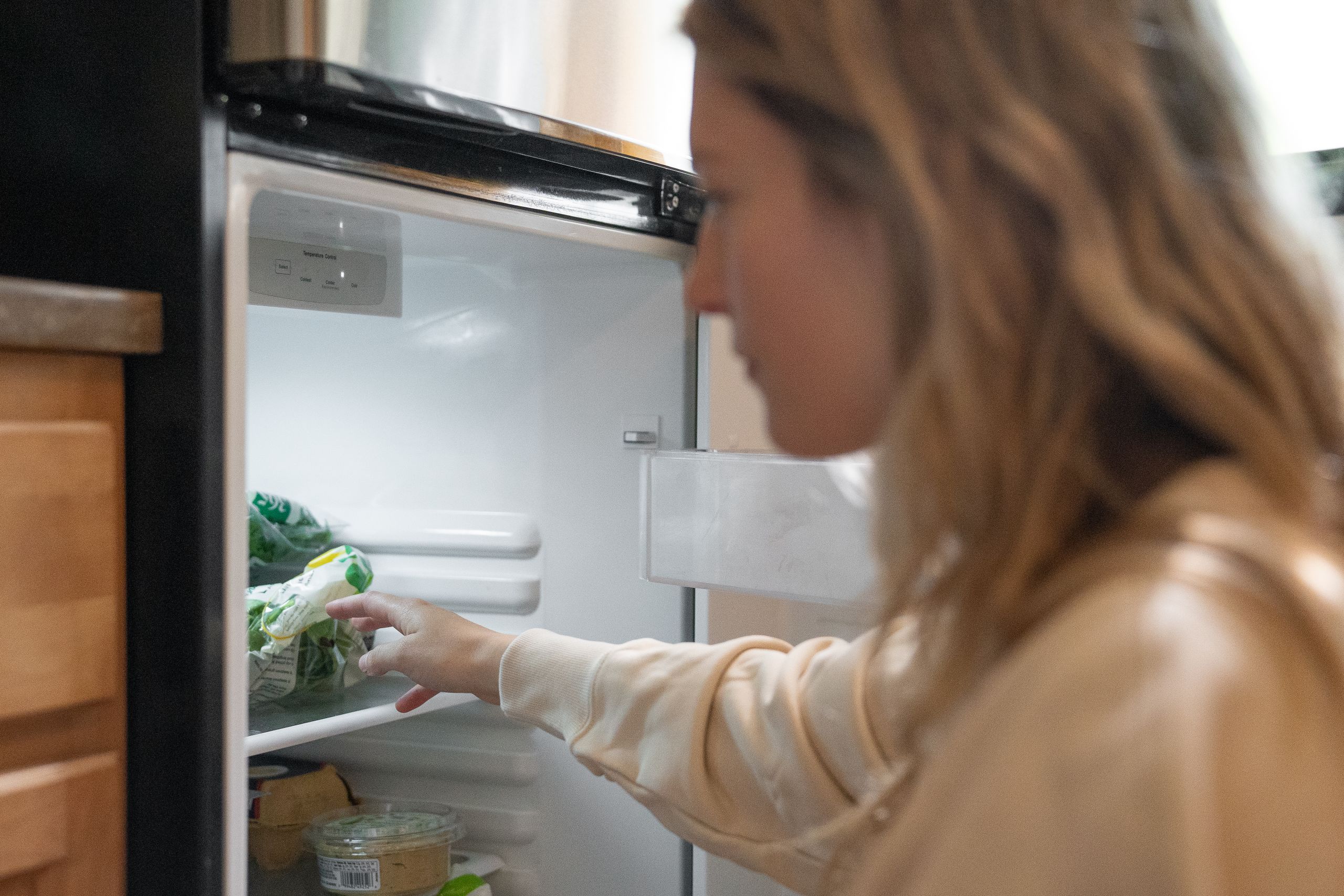
It starts with a quick peek. Then someone checks the ice cream. Later, you open the door again to see whether the chicken still feels solid.
Each opening allows cold air to escape. The FDA recommends keeping freezer doors closed as much as possible during an outage to maintain the temperature. Its estimate of approximately 48 hours for a full freezer depends on the door remaining closed. www.fda.gov
Give everyone in the household the same instruction: leave the freezer alone unless there is a specific reason to open it. Plan meals around foods that do not need refrigeration, and avoid browsing the shelves for inspiration.
If you must retrieve something, decide what you need before opening the door. A little planning helps prevent several unnecessary visits.
Related: Freezer Myths Food Experts Wish You Would Stop Believing
Waiting Until Food Warms Up to Arrange Backup Cooling
During a prolonged outage, it’s understandable to hope electricity returns soon. But hope alone does not provide a backup cooling plan.
The FDA advises identifying places that sell dry ice or block ice before an emergency. It also recommends preparing frozen water containers, gel packs, and coolers. These supplies give you options when an outage lasts longer than expected. www.fda.gov
Check the utility company’s restoration updates and plan where you can get ice. If you plan to transfer food, prepare the receiving cooler or working freezer first so packages spend less time waiting around.
Handle dry ice with insulated gloves and follow ventilation precautions. It can injure bare skin and release carbon dioxide gas, which can accumulate in poorly ventilated spaces. www.health.ny.gov
Treating the Backyard Like a Spare Freezer
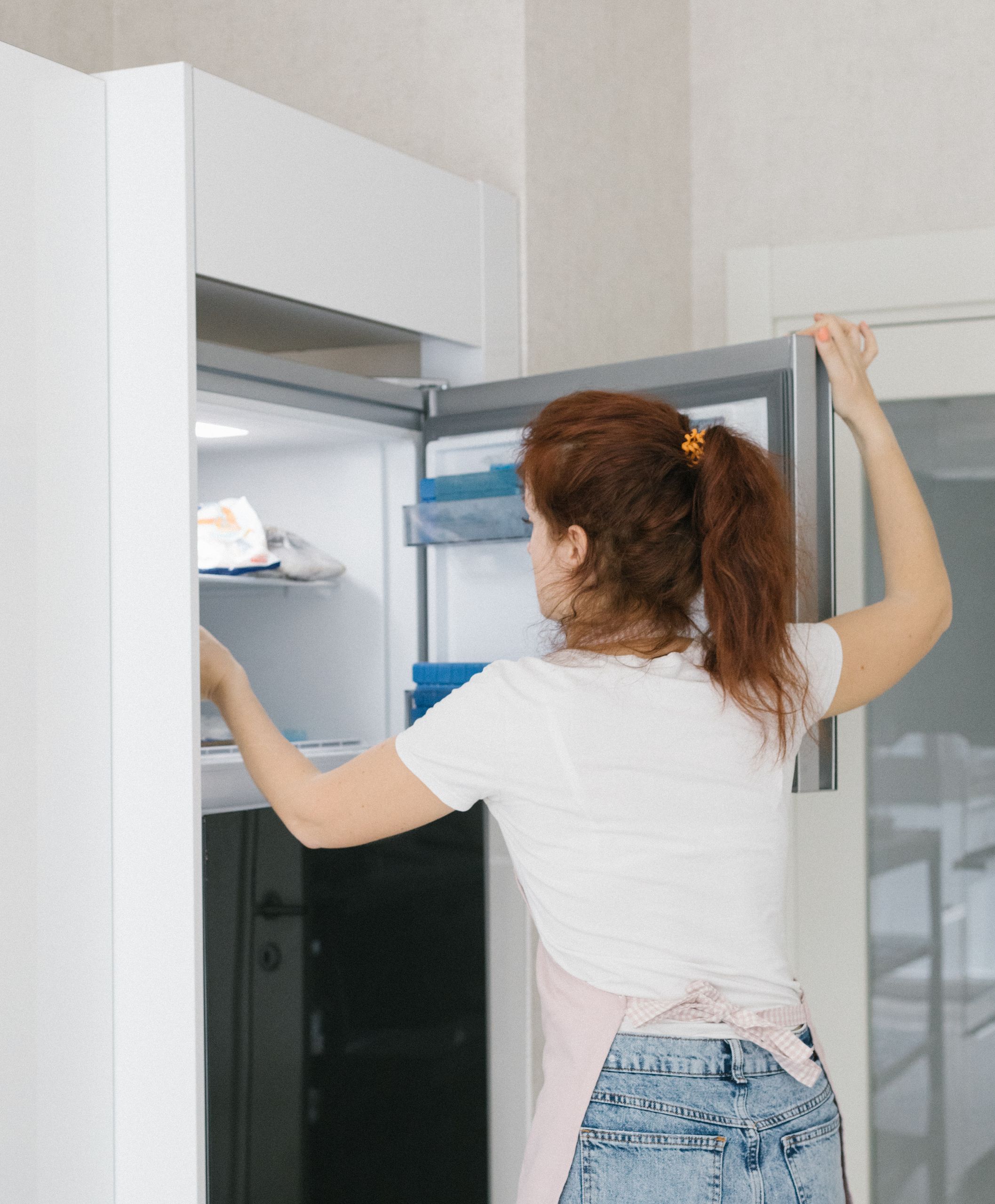
When the weather is freezing, putting groceries on the porch can seem like an obvious solution. Unfortunately, outdoor conditions do not offer dependable temperature control.
New York State’s health department warns against storing food outside during an outage. Sunlight can warm it even when the air feels cold, and animals can contaminate packages. Weather cold enough for refrigerated food may still be too warm for frozen food. www.health.ny.gov
A snowbank also gives you little reliable information about the temperature of every package inside it.
Instead, arrange controlled storage with adequate ice and a thermometer. Before moving anything, know where it is going, how it will stay cold, and how you will check it.
Guessing About Safety Instead of Checking Temperatures
A package can feel cool without giving you enough information to decide whether it is safe. Smelling it or tasting a small piece does not solve the problem.
The FDA says appearance and odor cannot reliably establish safety. FoodSafety.gov also warns against tasting food to make that decision. www.fda.gov
Keep an appliance thermometer in the freezer and note when the outage begins. Once power returns, check promptly rather than waiting for everything to become frozen again.
For future outages, add a thermometer to your preparation list alongside flashlights and batteries. Having useful temperature information can help you avoid both keeping unsafe food and throwing away groceries unnecessarily.
Throwing Everything Away Without Checking Individual Foods
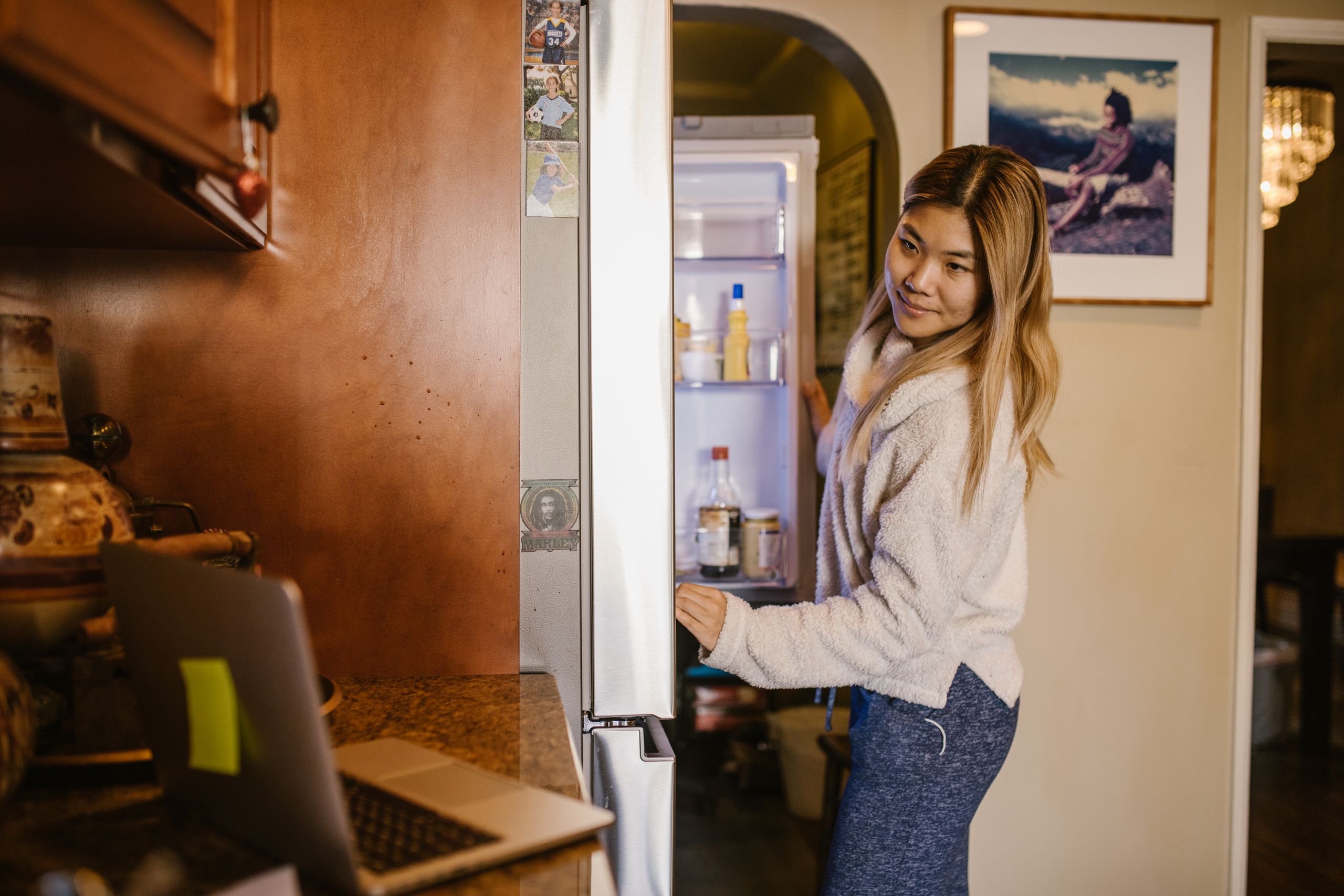
Panic can waste food just as easily as poor storage.
Many frozen foods can be safely refrozen if they still contain ice crystals or remain at 40°F or below. Quality may decline, but thawing does not automatically mean every item must be discarded. www.foodsafety.gov
Check packages individually using FoodSafety.gov’s frozen-food chart. Follow its exceptions, including its recommendation to discard ice cream and frozen yogurt. Keep what meets the guidance, discard what does not, and avoid making one rushed decision for the entire freezer. www.foodsafety.gov