Hawaii’s plate lunches, snacks and desserts blend Native Hawaiian, Japanese, Chinese and Portuguese influences, shaped by plantation workers who shared what they carried. Some began as lunch wagon fixtures, others as bakery traditions or fundraiser staples. Here are ten Hawaiian foods, from loco moco to lomi-lomi salmon, with the story behind each.
1. Loco moco: A 30-cent teenage special from Hilo
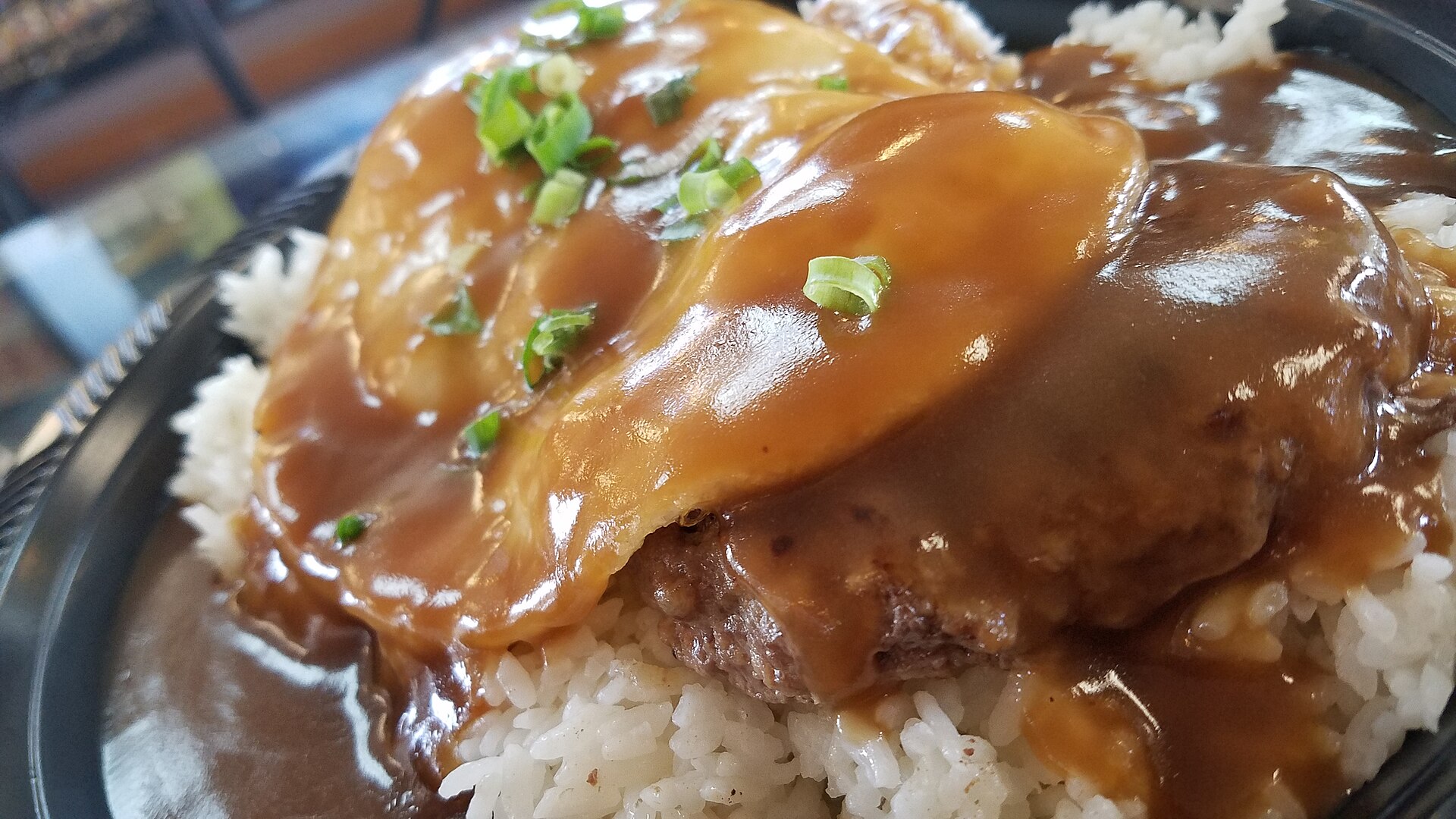
National Geographic reports that loco moco was created in Hilo as an after-school special for hungry teenagers, and consists of white rice, a beef patty, brown gravy spiked with soy sauce and a sunny-side-up egg. The ingredients came together in 1949 at the Lincoln Grill, run by Richard and Nancy Inouye.
The 30-cent meal got its name from a teenager nicknamed George Crazy Okimoto, since loco means crazy in Spanish, and moco because it rhymed. Hilo’s Cafe 100, opened by World War II veteran Richard Miyashiro, did the most to popularize it, and today serves more than 30 patty options.
2. Plate lunch: From plantation lunch pails to lunch wagons
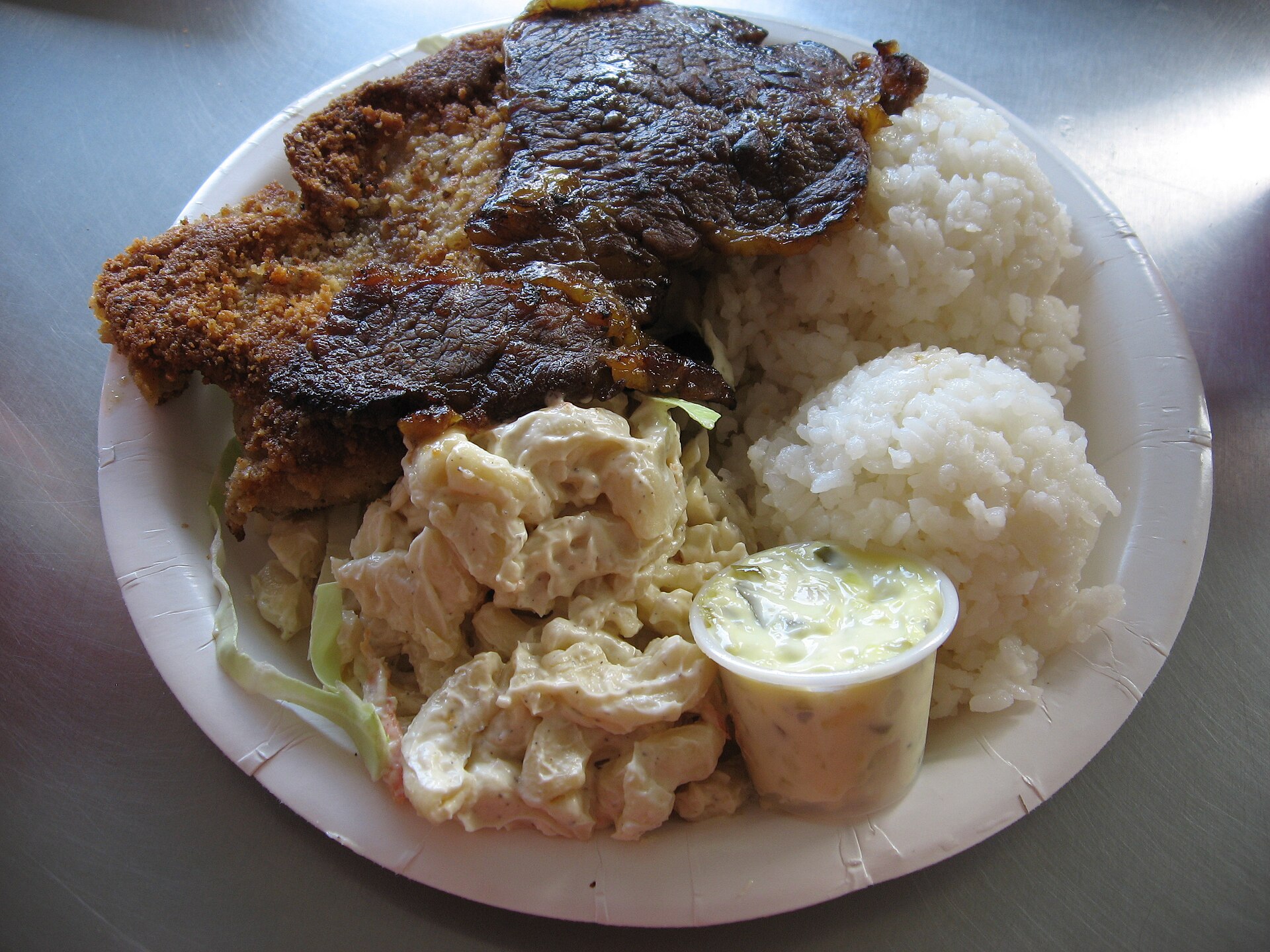
The plate lunch is a Hawaiian meal, roughly analogous to the Southern meat-and-three or the Japanese bento box, according to Wikipedia. Standard plates hold one or two scoops of white rice, American-style macaroni salad and an entree such as chicken katsu or teriyaki beef.
A University of Hawaii professor quoted there says the plate lunch likely grew out of the Japanese bento. Its recognizable form goes back to the 1880s, when plantation workers from China, Japan, Portugal and the Philippines ate leftover rice with canned or cold meat. Macaroni salad was added later because it bridged national tastes.
3. Spam musubi: Grilled Spam on a block of rice
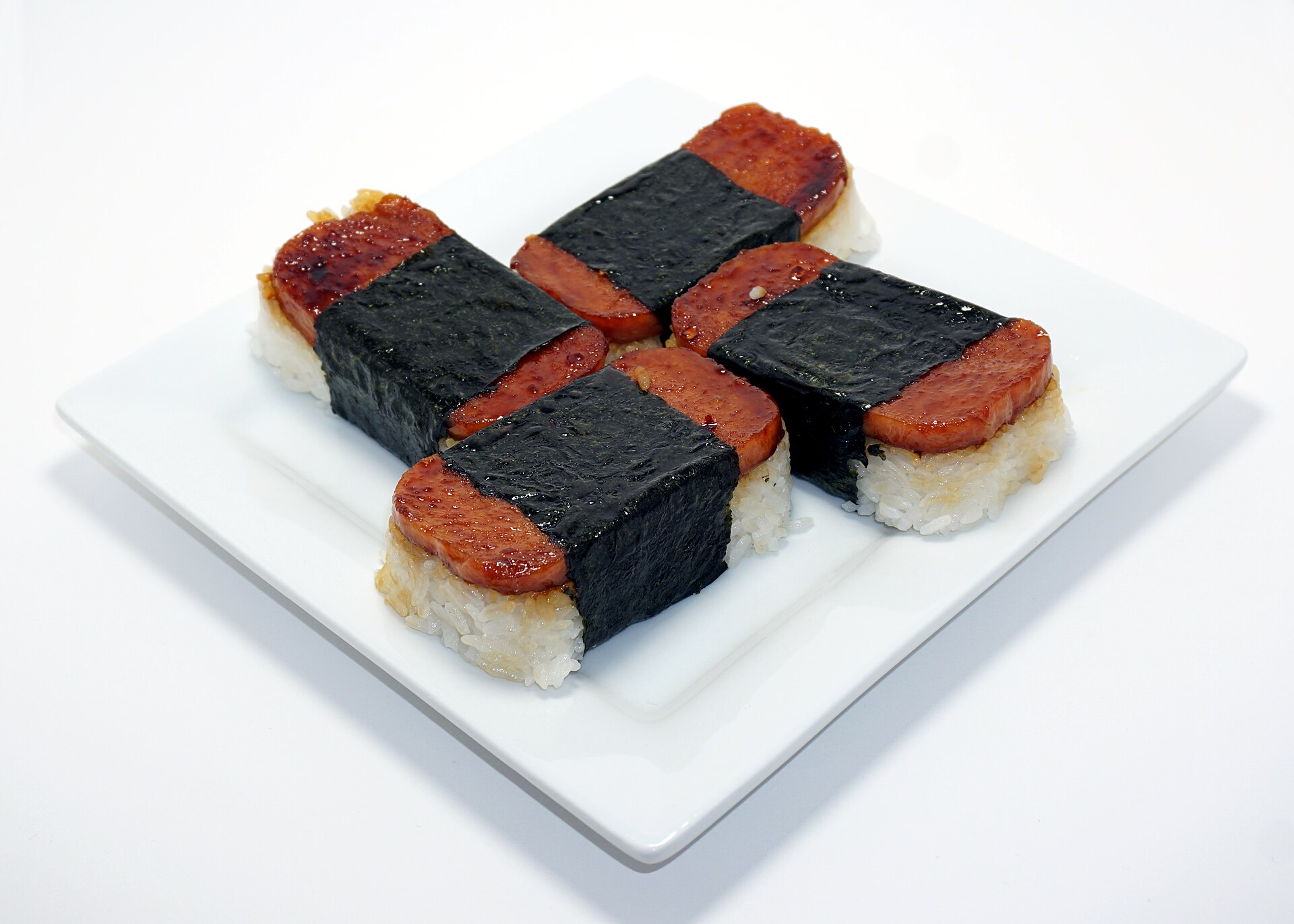
Spam musubi is a snack of grilled Spam sandwiched with a block of rice and wrapped in nori, in the tradition of Japanese onigiri, Wikipedia explains. It is inexpensive and portable, and commonly sits near the cash registers of convenience stores across Hawaii.
Its origin is disputed. One 2001 cookbook credits Mitsuko Kaneshiro, who sold them from a Honolulu pharmacy and by the early 1980s was selling 500 a day. Another account credits Barbara Funamura of Kauai. Most origin stories point to how common Spam became in Hawaii during and after the Second World War.
4. Hawaiian shave ice: Japanese kakigori, island style
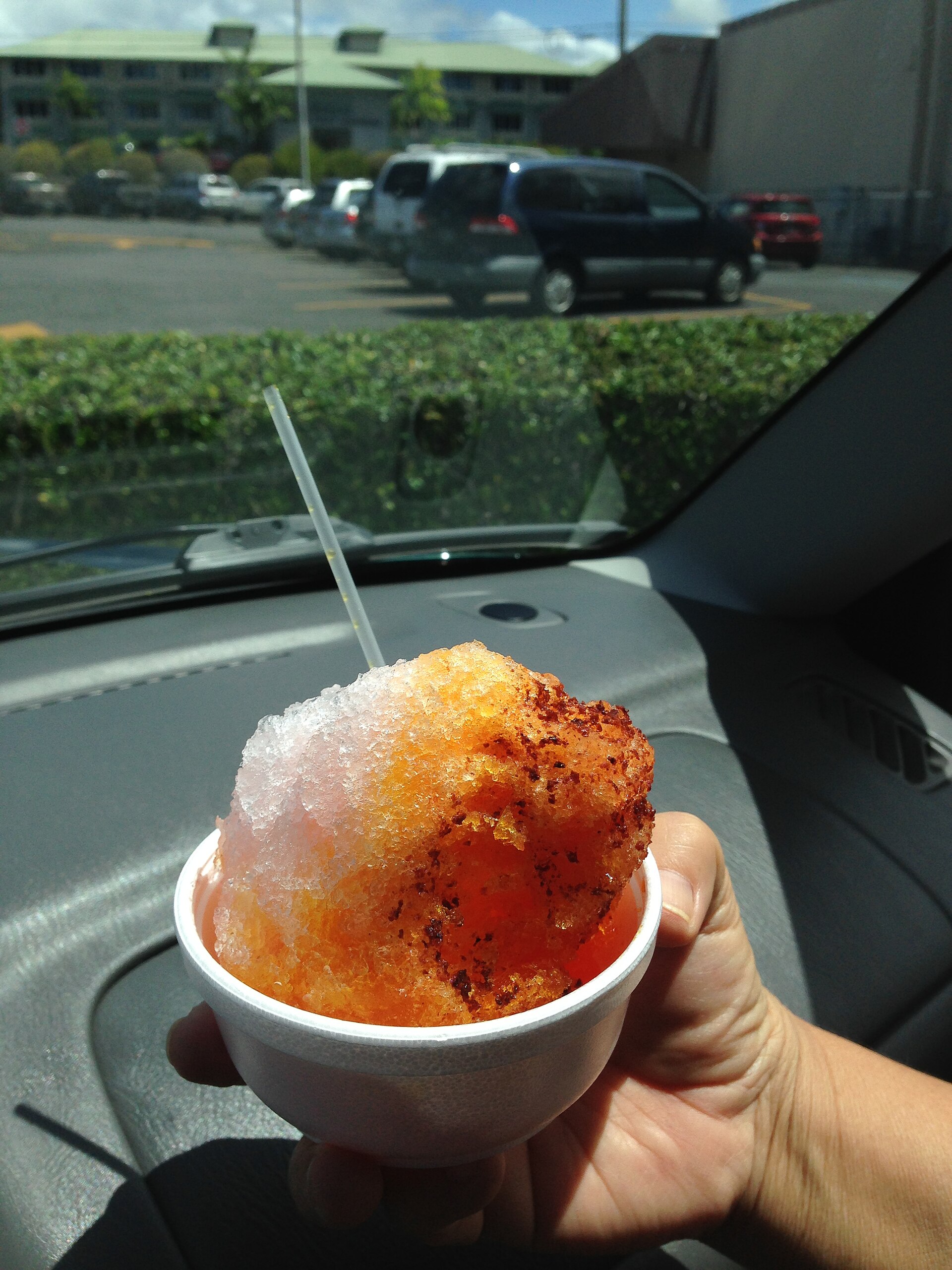
HAWAII Magazine traces shave ice to Japanese laborers, who brought the dessert, known as kakigori, to Hawaii. Plantation workers shaved fine flakes from large ice blocks with their machetes and poured fruit juice over them.
In 1956 the Matsumoto family of Haleiwa, on Oahu’s North Shore, bought a hand-crank machine from Japan and began selling cones for 5 cents small and 10 cents large, with 10 syrup flavors. Azuki beans were one of the first extras. The store now sells nearly 1,200 servings a day.
5. Malasada: A Portuguese Shrove Tuesday tradition
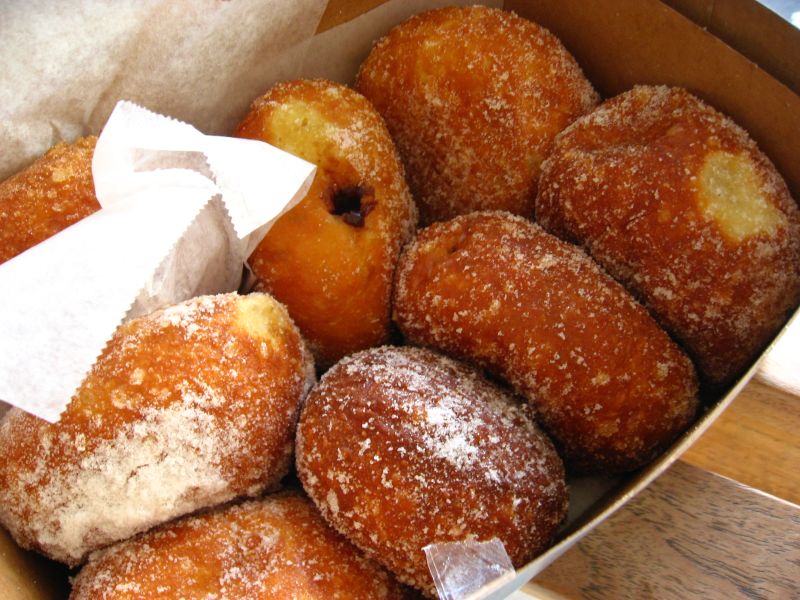
Leonard’s Bakery tells its own story at its history page. In 1882 Arsenio and Amelia DoRego sailed from San Miguel Island, Portugal, to Maui under contract to work the sugar cane fields, and their grandson Leonard founded the Honolulu bakery in 1952.
Not long after opening, Leonard’s mother suggested making malasadas for Shrove Tuesday, a Portuguese tradition. The bakers worried it might be too ethnic, but the donuts were a huge hit. The bakery says that is how the appetite for malasadas in Hawaii was born.
6. Saimin: A noodle soup born on the plantations
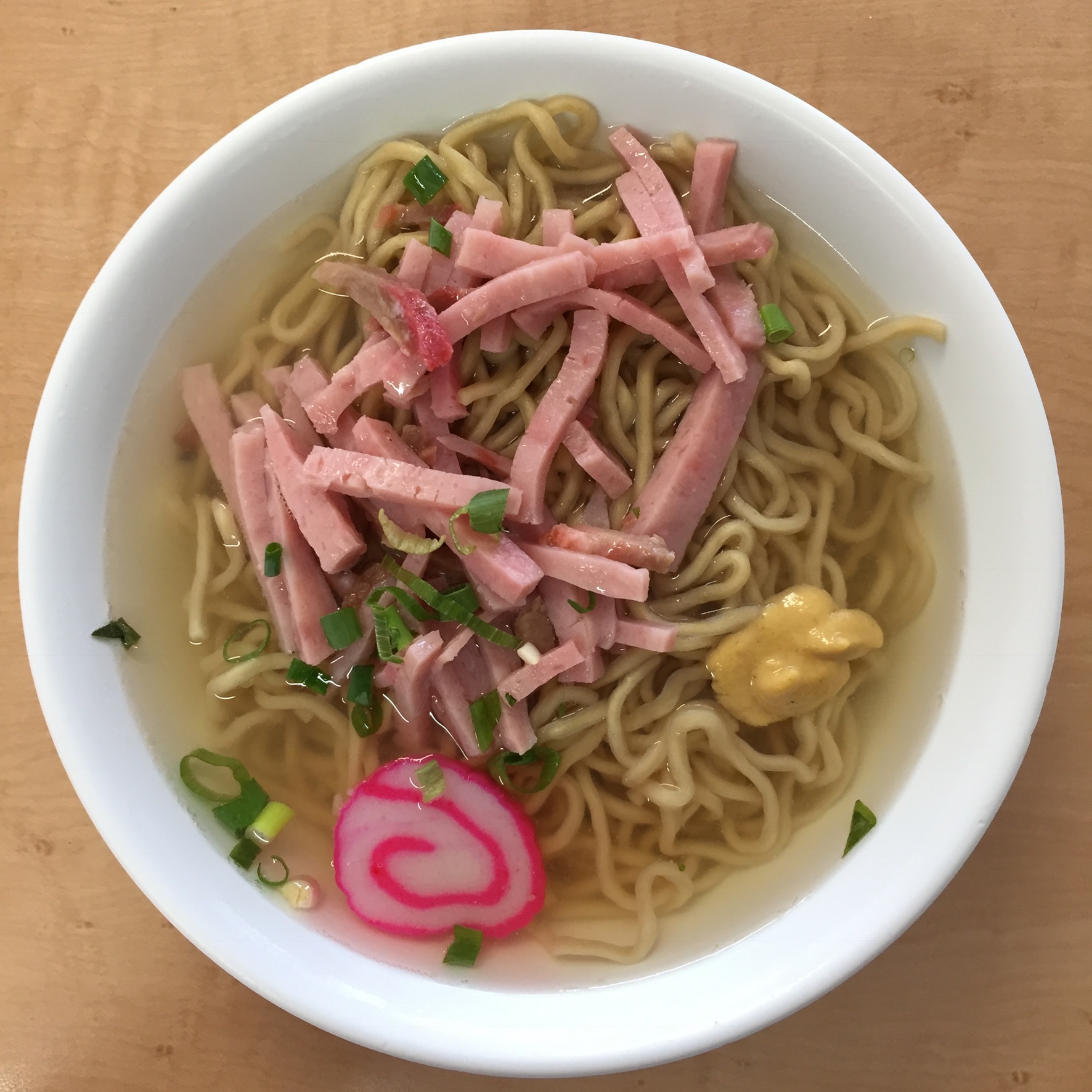
Saimin is a noodle soup developed in Hawaii, according to Wikipedia. Traditionally it is soft wheat egg noodles in hot dashi, garnished with diced green onions and a thin slice of kamaboko, and modern bowls add toppings such as char siu, sliced Spam or egg.
The name comes from Cantonese words meaning thin noodles, and the first recorded use of the word in Hawaii dates to 1908. Saimin was developed during the plantation era, and it began as food for the working class. Today it appears on menus from fast food chains to hotel restaurants.
7. Kalua pig: Cooked in an underground oven
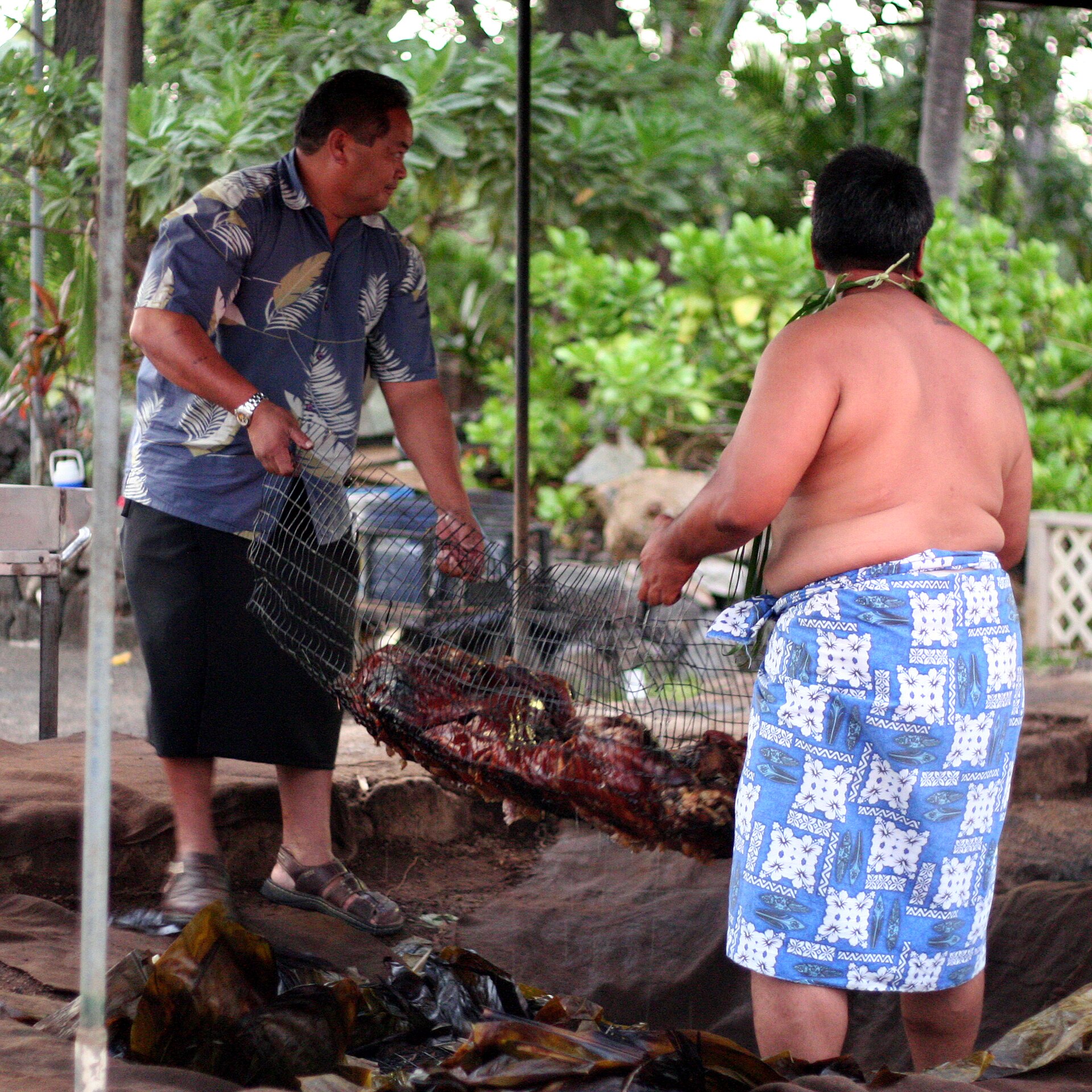
Kalua is a traditional Hawaiian cooking method that uses an imu, an underground oven. PBS’s Spirit Plate series follows chef Kealoha Domingo and his family on Oahu as they prepare a 400-pound roasted pig for a coming-of-age feast, alongside taro and a spirit plate offering.
Traditionally, a hardwood fire heats stones in a pit, which is lined with pounded banana trees and ti leaves. The salted pig goes in on top, is covered with more leaves and soil several inches deep, and cooks for several hours. The meat is then removed from the imu and shredded.
8. Manapua: A Chinese bun, Hawaiian size
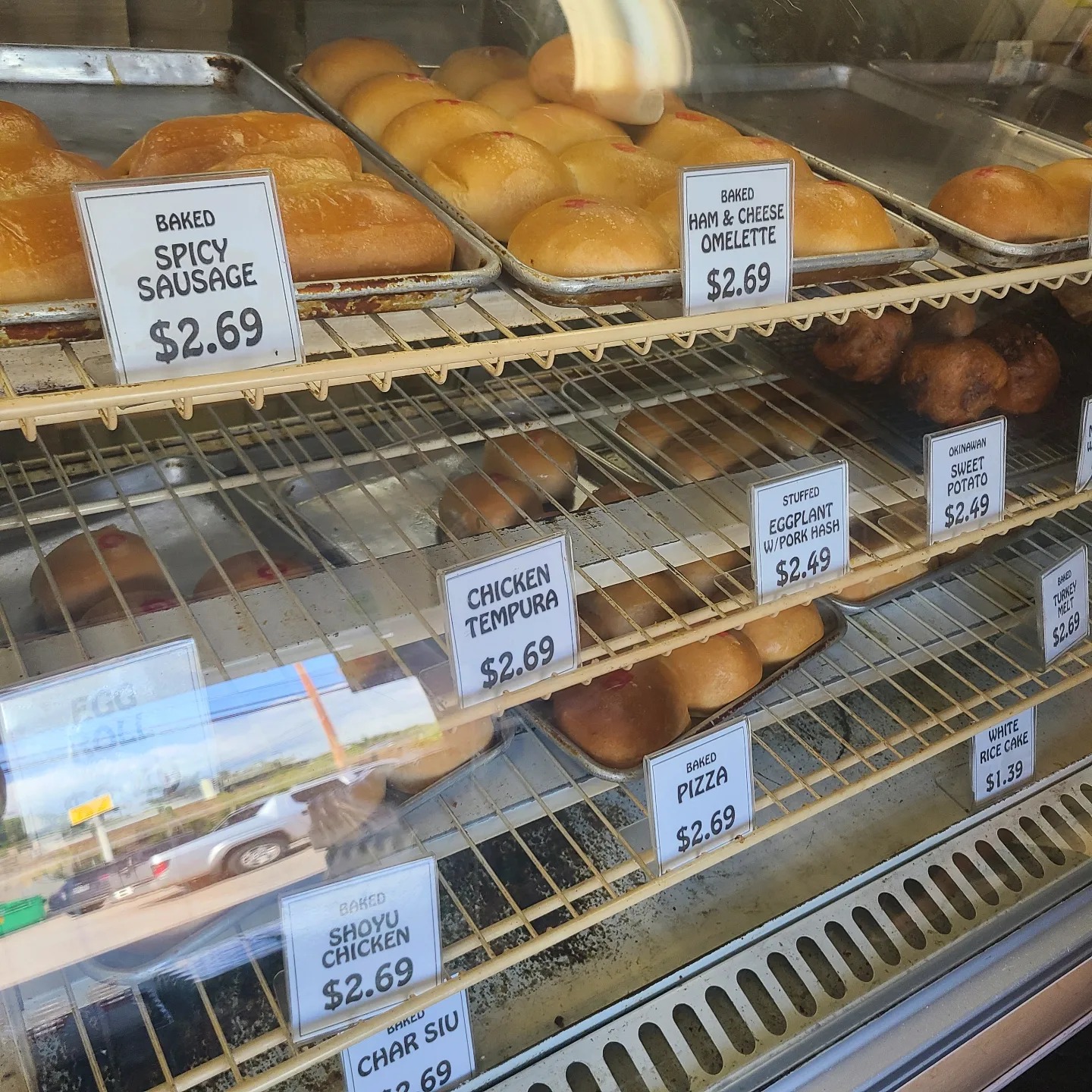
Manapua is the Hawaiian adaptation of the Chinese bun, derived from char siu bao, and its name is said to come from a Hawaiian phrase roughly meaning pork cake. Chinese laborers brought baozi to the sugar plantations, and manapua men peddled them to the camps by foot and later by vehicle.
The buns grew larger over time. Wikipedia credits Bat Moi Kam Mau with selling the first large char siu bao in the 1940s at her shop, Char Hung Sut, and says Honolulu’s Royal Kitchen claimed to be among the first to sell baked manapua, in 1974. Many are now about 4 to 5 inches across.
9. Huli-huli chicken: Turned over mesquite since 1955
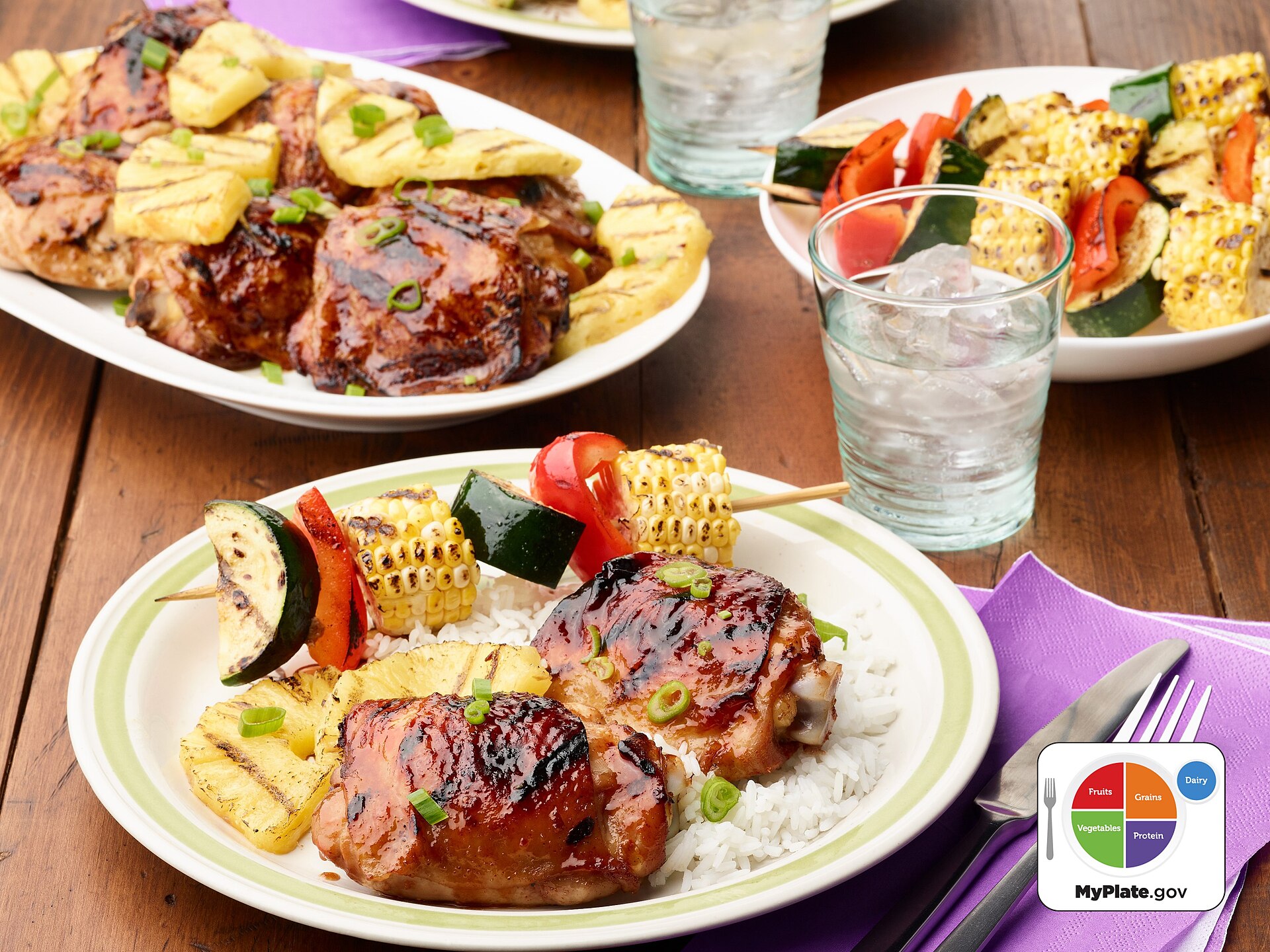
Huli-huli chicken is a grilled chicken dish prepared on a revolving spit over mesquite wood and basted with a sweet sauce of soy sauce, pineapple, ginger and ketchup, Wikipedia says. In 1954, Ernest Morgado and chicken farmer Mike Asagi founded the Pacific Poultry Company in Ewa.
The next year they first barbecued chicken in a teriyaki-like sauce from Morgado’s mother’s recipe. Onlookers shouted huli, Hawaiian for turn, when the birds needed to be rotated. Church and school fundraisers sold it for years, and Morgado trademarked the name in 1967.
10. Lomi-lomi salmon: A salted-salmon side for luau plates
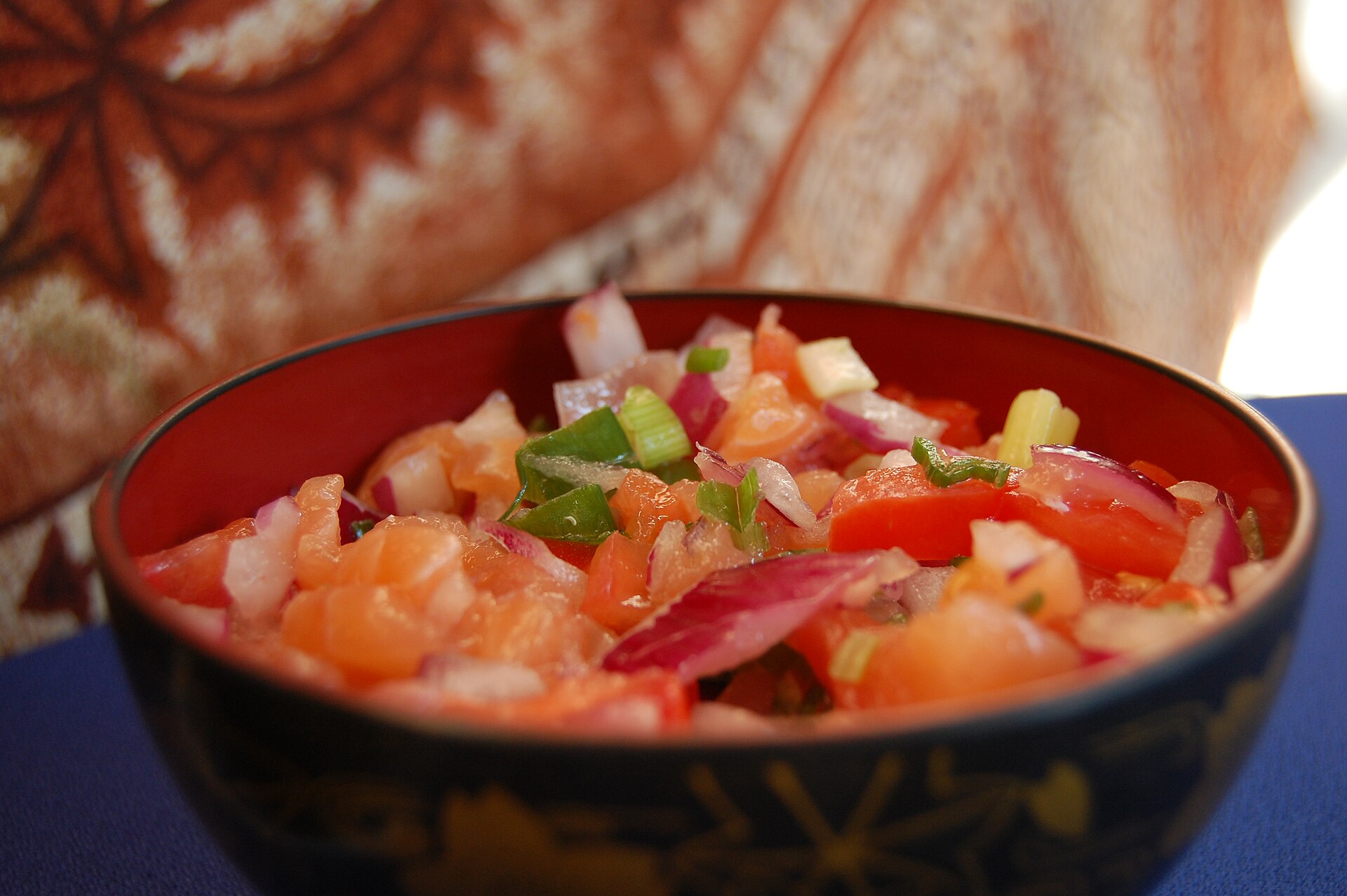
Lomi-lomi salmon is a side dish of salted salmon, onions and tomatoes, according to Wikipedia. It is served chilled, often with poi or kalua pork, and is seen as a quintessential side at traditional luau.
Salmon is not found in Hawaiian waters, and onions and tomatoes were not eaten before contact, yet the dish is embraced as Hawaiian. Hawaiians were first introduced to salmon in the early 1800s. The name comes from the Hawaiian word for massage, because the fish is rubbed with salt, and the salt salmon is then massaged into chopped tomatoes and onions.
This article was produced with AI assistance and edited for accuracy against the sources linked above.