Ever stared at a dusty jar in your pantry and wondered, “Is this still good, or am I about to make a terrible life decision?”
The answer is surprisingly complicated.
For most shelf-stable foods, a “Best if Used By” date is mainly about quality, not a magical deadline when the food suddenly becomes unsafe. Shelf-stable also does not mean indestructible. Moisture, heat, insects, damaged packaging, contamination, and oxygen can still ruin even remarkably durable foods.
Still, a handful of foods come impressively close to “forever” when stored correctly. Here are some of the strongest contenders and what actually makes them last.
Pure Salt
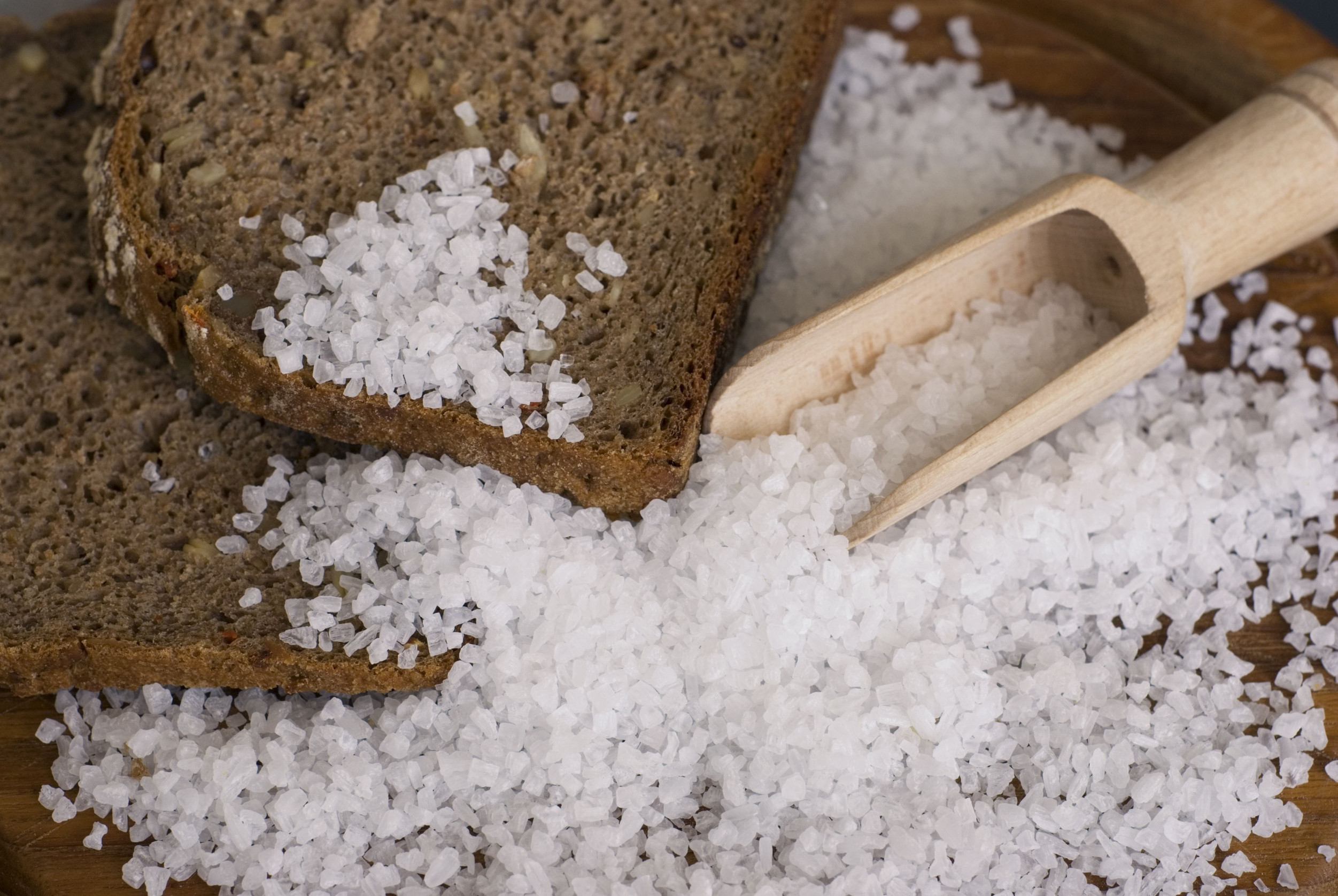
If pantry foods were competing in an immortality contest, plain salt would be hard to beat.
Pure sodium chloride is a mineral, not a moist organic food, so bacteria, yeast, and mold have essentially no available water to use. Kept dry and uncontaminated, it can have an indefinite shelf life.
The catch is that not every salt is just salt. Iodized salt can gradually lose iodine potency, while smoked salts, herb blends, and seasoned salts contain ingredients that may deteriorate.
If your salt has simply clumped, do not panic. Moisture may have turned it into a small brick, but that doesn’t automatically mean it’s spoiled.
Granulated Sugar
Plain white sugar is another pantry champion.
Dry crystalline sugar contains almost no biologically available water, making it extremely unfriendly to microbial growth. Stored in an airtight, pest-resistant container, granulated sugar can remain safe indefinitely.
Its biggest enemies are humidity, insects, strange odors, and contamination.
Hard lumps? Usually fine. Beetles crawling through the bag? Different story.
You also do not need oxygen absorbers for sugar. They can actually compress loose sugar into a solid block.
Distilled White Vinegar
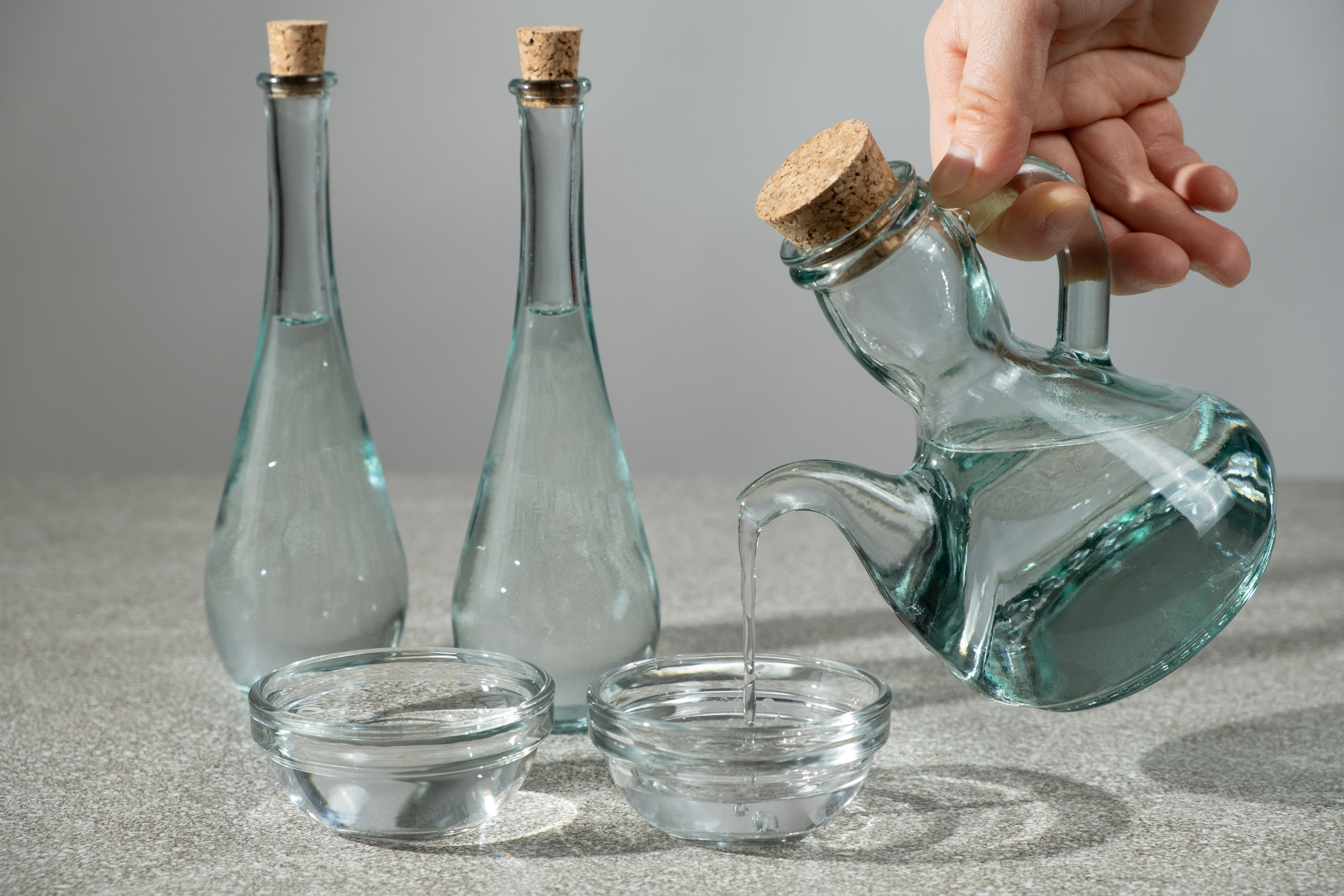
That bottle of white vinegar hiding behind your cooking oils may outlive half the kitchen.
Its secret weapon is acetic acid, which creates a highly acidic environment that most dangerous microorganisms dislike. Uncontaminated distilled white vinegar can remain virtually unchanged for an almost indefinite period.
Other vinegars may darken, develop sediment, or form a harmless “mother,” but that does not automatically mean they have spoiled.
One important distinction is homemade or diluted vinegar. Don’t assume an old homemade batch has enough acidity for safe canning.
Honey
Honey probably has the strongest reputation for lasting forever, and the science behind it is real.
Honey combines high sugar concentration, low water activity, acidity, osmotic pressure, and antimicrobial compounds. Properly sealed honey can remain stable for decades or even longer.
But it does change.
It may darken. Its aroma can fade. Most famously, it can crystallize.
Crystallized honey is not spoiled honey. That grainy texture simply means glucose has separated from the supersaturated solution.
What actually deserves concern is a fermented or alcoholic smell, persistent bubbling, foam, visible contamination, or mold.
One major safety exception also applies. Never feed honey to babies under 12 months because it can contain Clostridium botulinum spores.
Pure Vanilla Extract
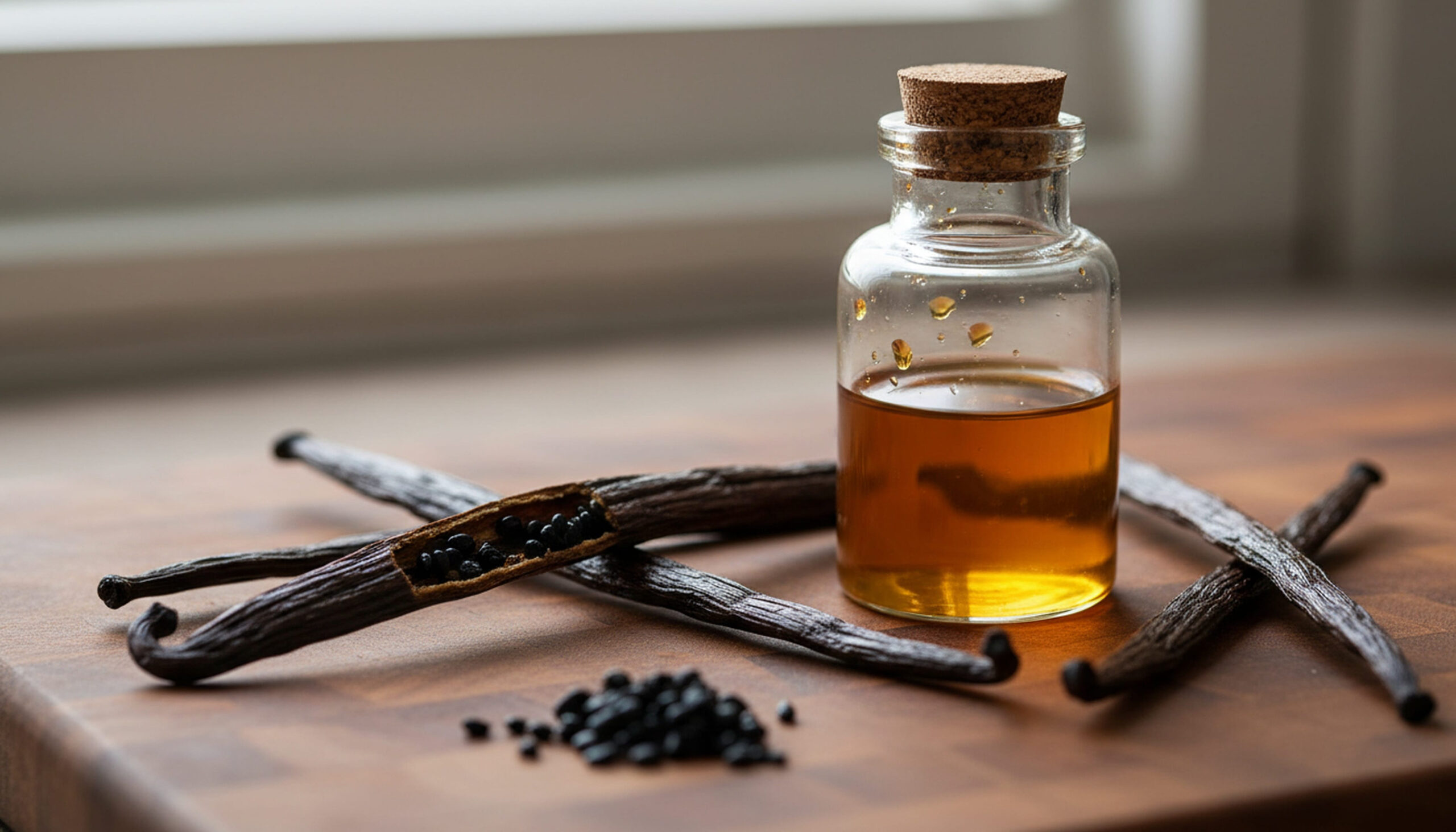
That little bottle of pure vanilla is tougher than it looks.
Commercial pure vanilla extract in the United States contains at least 35 percent alcohol by volume, creating an environment where ordinary microbes struggle to grow. Properly sealed pure extract can therefore remain safe essentially indefinitely.
Flavor is another matter.
Heat, sunlight, and a loose cap can slowly destroy the aromatic compounds that make vanilla smell wonderful. Keep it tightly closed in a dark cupboard.
Also check the label. Imitation vanilla, alcohol-free flavoring, vanilla paste, and homemade extracts do not necessarily share the same shelf life.
Straight Distilled Spirits
Vodka, whiskey, rum, gin, brandy, and tequila are exceptionally stable when unopened.
The reason is ethanol.
At the alcohol levels found in straight spirits, often around 40 percent alcohol by volume, ordinary bacteria, yeasts, and molds cannot readily grow.
An unopened bottle can therefore remain safe essentially indefinitely if the seal stays intact.
Opened bottles are different. They usually remain safe far longer than they remain delicious. Oxygen and evaporation gradually rob the drink of aroma, especially when only a little liquor remains in the bottle.
Contrary to a popular myth, whiskey does not keep aging once bottled. The important maturation happens in the barrel.
Corn Syrup
Commercial corn syrup is surprisingly durable.
Its extremely high dissolved sugar concentration reduces available water and creates osmotic pressure that discourages microbial growth. Manufacturer guidance for products such as Karo says properly stored syrup can remain safe indefinitely, even after opening.
That does not mean it stays identical forever. Light corn syrup may yellow, crystals may form, and the flavor may become flatter.
This also does not apply to every syrup. Maple syrup, fruit syrup, simple syrup, and homemade mixtures are much more vulnerable to spoilage.
Cornstarch
Cornstarch is basically purified, extremely dry starch with very little fat or protein.
That makes it remarkably stable as long as it stays dry.
Humidity is the troublemaker here. Moisture can cause clumping, introduce mold risk, and interfere with cornstarch’s ability to thicken sauces properly.
An open cardboard box sitting beside a steaming stove is therefore not ideal for long-term storage. Transfer it to a tightly sealed container.
White Rice
White rice can last an astonishingly long time, but only under the right conditions.
Properly packaged white rice has remained acceptable for 30 years or more in hermetic, low-oxygen storage.
The keyword is properly.
Those results involve high-barrier packaging, low oxygen, low moisture, and cool storage, not an opened supermarket bag sitting in the cupboard for three decades.
White rice lasts much longer than brown rice because milling removes the bran and germ, along with most of the oils that eventually become rancid.
Freeze-Dried Food
Freeze-dried foods are among the longest-lasting prepared foods, with properly packaged products commonly lasting around 10 to 15 years and sometimes up to 25 years.
Freeze-drying removes so much water that bacteria and molds cannot actively grow.
But here is the surprising part. Freeze-drying does not sterilize food.
Microorganisms can survive in a dormant state and become active again after you rehydrate the food. That is why storage conditions and proper preparation still matter.
The Real Secret to “Forever Food”
The most important lesson is not that certain foods are immortal. It is that microbial safety and food quality are two different things.
A food can remain safe while becoming stale, rancid, weak, discolored, flavorless, or functionally useless. Old baking soda may stop leavening. Gelatin may stop setting. Beans may refuse to soften. Coffee may remain dry and technically safe while tasting like warm cardboard.
Packaging can also make an enormous difference. Low moisture, low oxygen, darkness, cool temperatures, airtight containers, and protection from pests can add years or even decades to a food’s useful life.
So instead of asking, “Does this food ever expire?” ask a better question:
Has it been stored in a way that keeps it safe, clean, dry, and useful?
That is the real recipe for a pantry that can stand the test of time.
Other Posts You May Like
if you like what you just read, then subscribe to our newsletter and follow us on social media.