The American cookie jar holds recipes that came out of inn kitchens, factory bakeries and church cook-offs, along with a few imports that earned a permanent spot. Some have well-documented origins and others rest on competing stories. Here are ten classic cookies from American bakeries and home kitchens, along with what the record says.
1. Chocolate chip cookie: Born at a Massachusetts inn
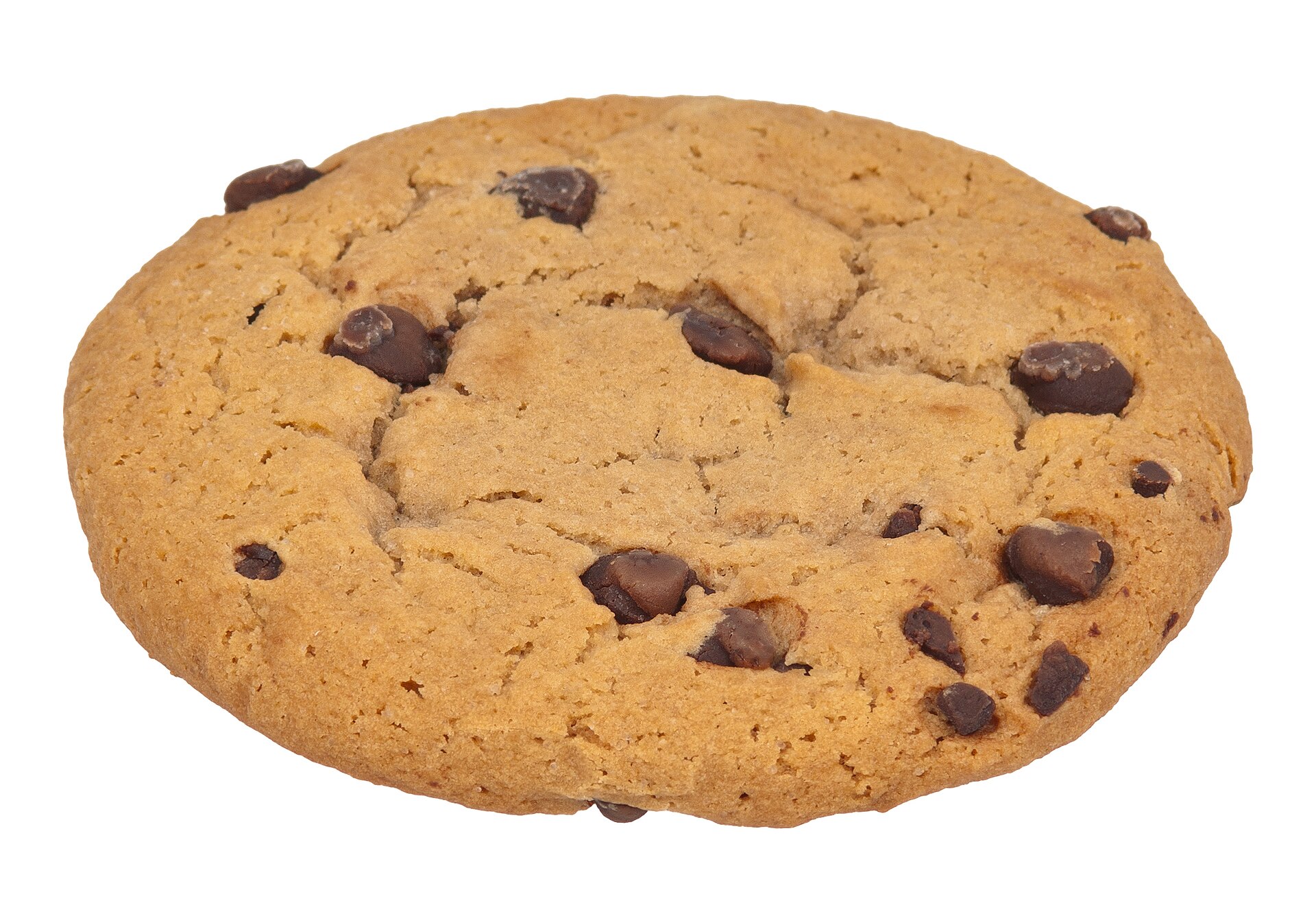
Ruth Wakefield and her husband Kenneth opened the Toll House Inn in Whitman, Massachusetts, in 1930, on the route between Boston and Cape Cod. According to The Henry Ford museum, Ruth had been a dietitian and food lecturer before the couple opened the restaurant, and its desserts became well known.
In the late 1930s she chopped up a Nestle semisweet chocolate bar with an ice pick and stirred the bits into her sweet butter cookie dough. The chocolate did not melt but stayed in chunks. The 1938 edition of her cookbook was the first to print the recipe, under the name Toll House Chocolate Crunch Cookie. Nestle later put the recipe on its chocolate packaging.
2. Oatmeal raisin cookie: A health-food favorite from the 1890s
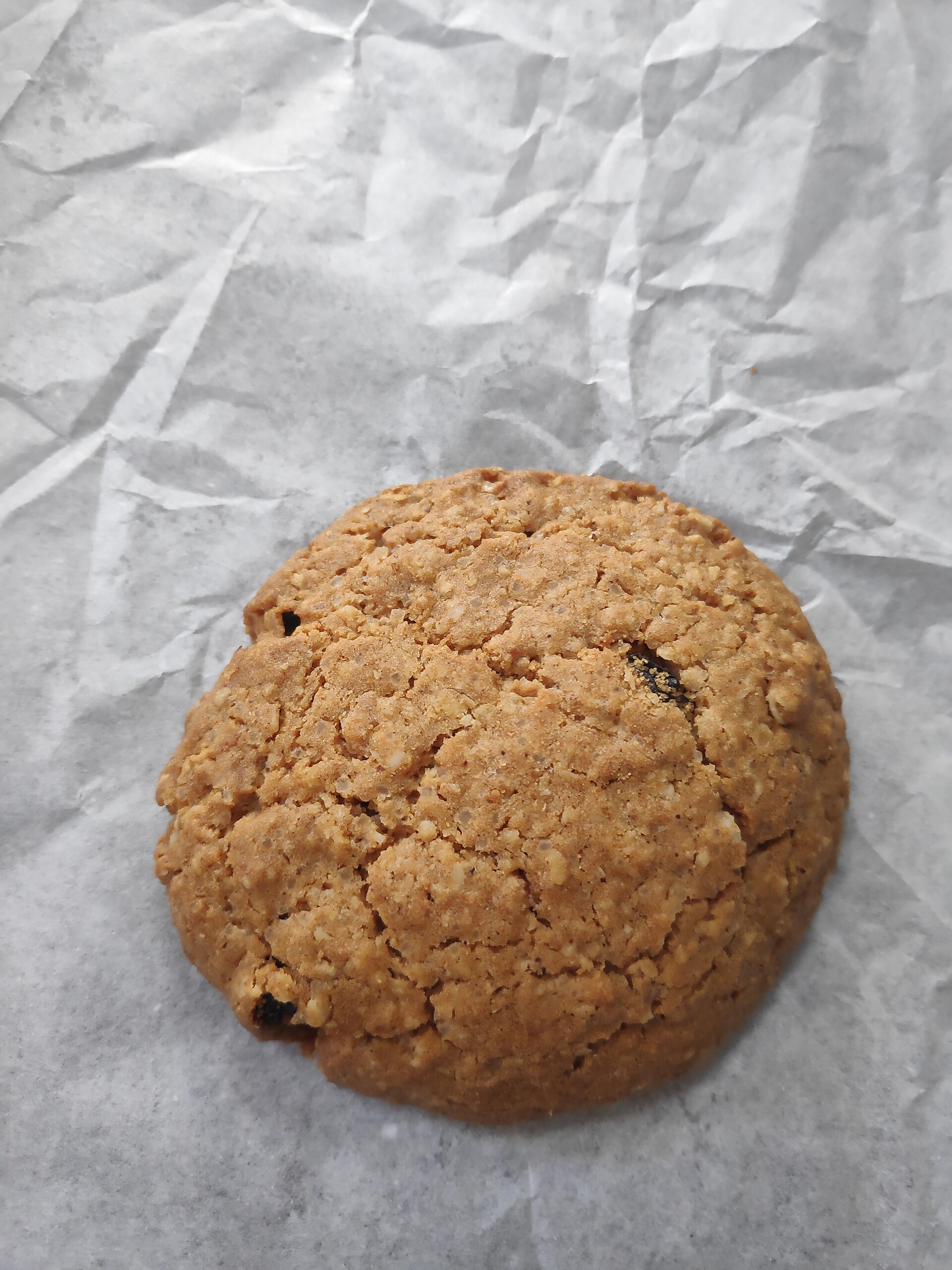
The first recorded recipes for oatmeal cookies appeared in America in the 1890s, when industry was heavily promoting the recently invented rolled oats, according to Wikipedia. Those early versions did not contain raisins. Cookbook author Jean Anderson traces the earliest recipe to Fannie Farmer’s 1896 Boston Cooking-School Cook Book.
By the 1910s raisins were being heavily marketed. Food writer Stella Parks identifies a 1915 cookbook from California raisin producers Sun-Maid as containing the first oatmeal raisin recipe. Raisins became more common over time, in part because of the oatmeal raisin cookie recipes printed on every Quaker Oats container beginning in the early 1900s.
3. Snickerdoodle: A New England name with an uncertain past
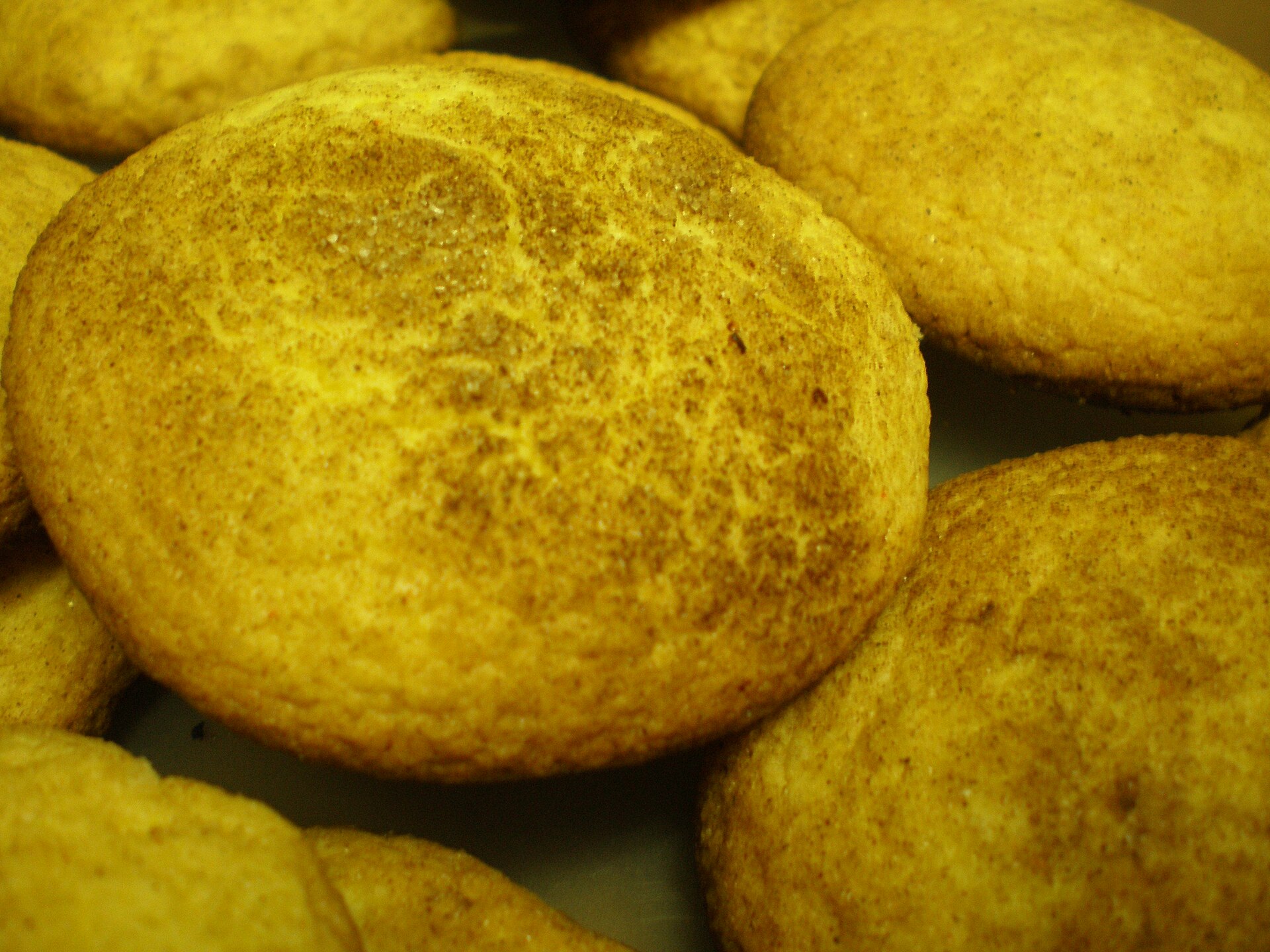
A snickerdoodle is a cookie made with flour, fat, sugar and salt and rolled in cinnamon sugar, according to Wikipedia, which lists New England as its region of origin. The surface cracks as it bakes, and the cookie can be crisp or soft.
Cream of tartar gives the dough its signature taste and texture and sets it apart from a sugar cookie, which is usually rolled in plain white sugar. The name is a puzzle. Joy of Cooking suggests a German origin, while the Oxford English Dictionary calls the word’s origin uncertain and records its earliest use in 1889. It may simply be a whimsical New England cookie name.
4. Sugar cookie: From jumbles to refrigerated dough
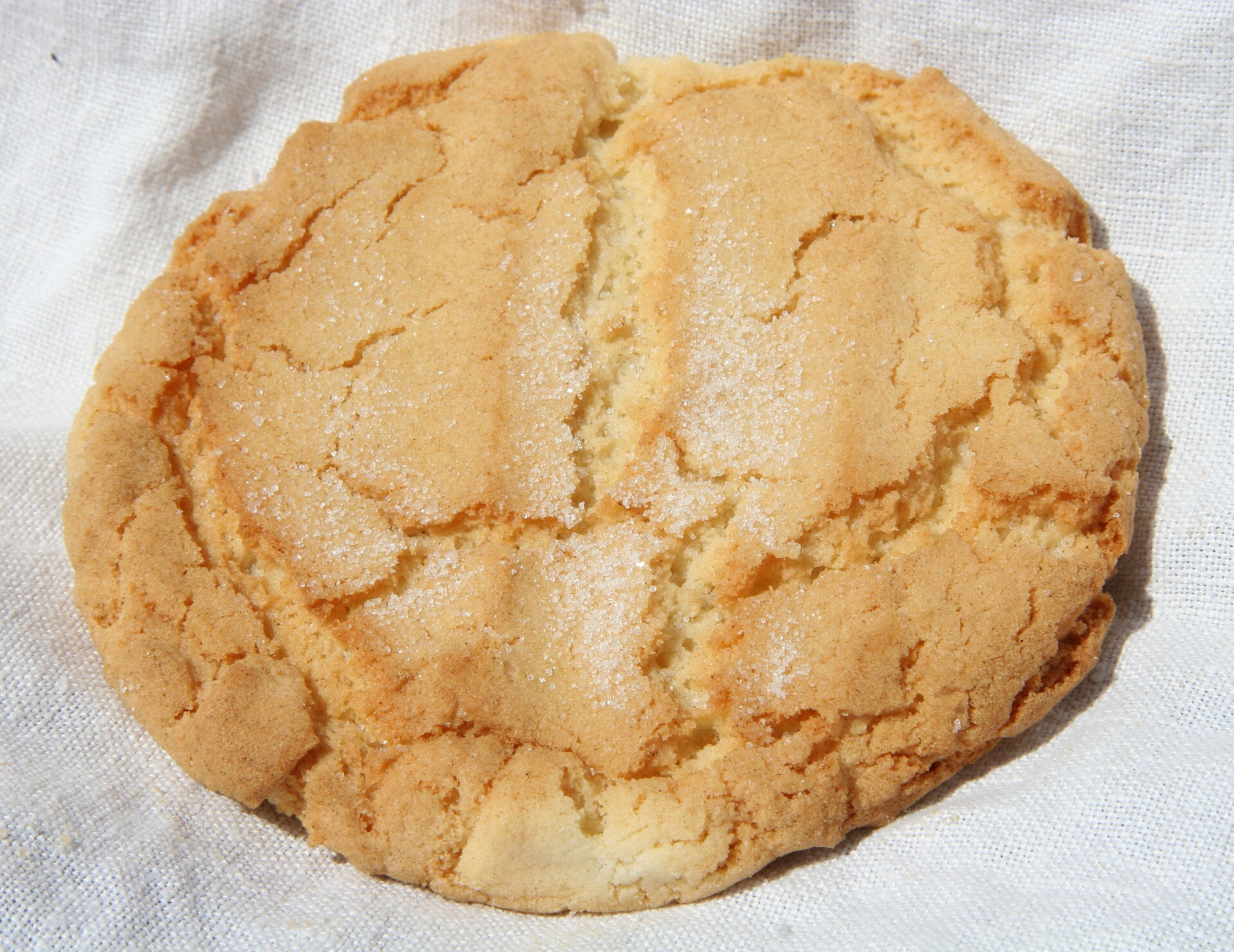
Wikipedia says jumbles are the earliest form of the sugar cookie, flavored with spices such as aniseed, coriander, fennel and nutmeg. The name Nazareth cookie came from the German-descended people of Nazareth, Pennsylvania, while in England the cookies were called sugar biscuits or jumbles.
Published recipes for sugar cookies began to appear in the 1800s, and some early versions used sour cream or large amounts of milk. In 1885 The Boston Globe printed a recipe that left out liquid dairy, added baking powder and used one cup of sugar to one half cup of butter. In the late 1950s Pillsbury began selling pre-mixed refrigerated sugar cookie dough in grocery stores.
5. Peanut butter cookie: The fork marks came in 1932
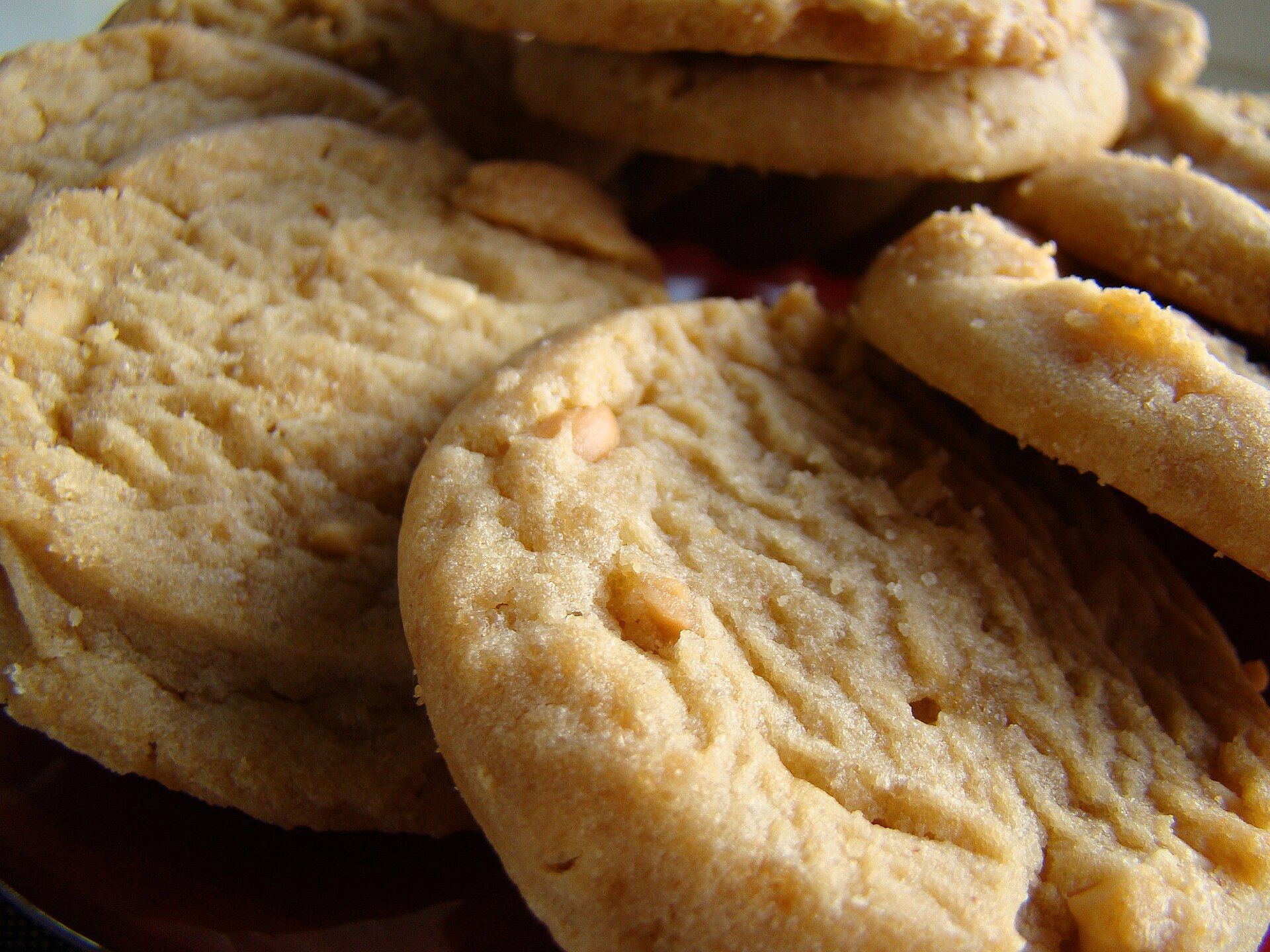
The peanut butter cookie originated in the United States, with its development dating to the 1920s, according to Wikipedia. George Washington Carver of the Tuskegee Institute promoted the peanut as a replacement for cotton and compiled 105 peanut recipes, including three for peanut cookies in a 1925 bulletin.
Carver’s cookies used crushed or chopped peanuts, and it was not until the early 1930s that peanut butter was listed as an ingredient. The earliest known reference to the criss-cross fork marks came in June 1932, in a syndicated household hints column. Pillsbury popularized the fork in the 1930s, since the dense dough bakes unevenly if it is not pressed.
6. Oreo: A New York bakery cookie from 1912
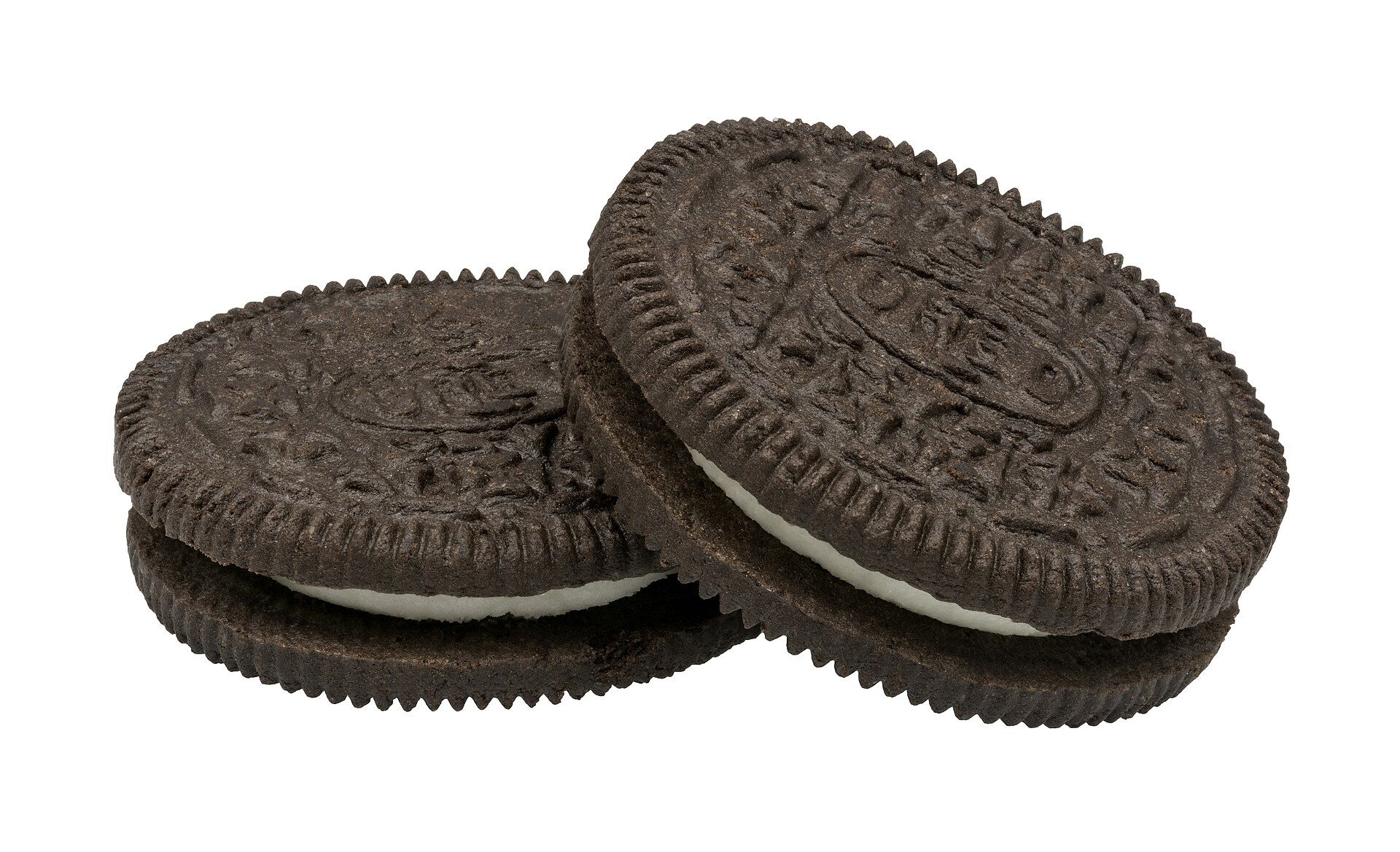
The Oreo traces its origins to New York City, according to New York Almanack. Nabisco was formed there in 1890 when local bakeries merged, in a complex that is now Chelsea Market, and the first Oreos shipped from the bakery to Hoboken, New Jersey, on April 6, 1912.
Nabisco filed for the Oreo trademark in 1913. The cookies were first called Oreo Biscuits and were believed to be sold by a grocer for 30 cents a pound. The name changed to Oreo Sandwich in 1921, according to the website of Mondelez International. William A. Turnier is credited with the modern design in 1952, which earned him the name Mr. Oreo.
7. Girl Scout cookies: A home-baking tradition that went commercial
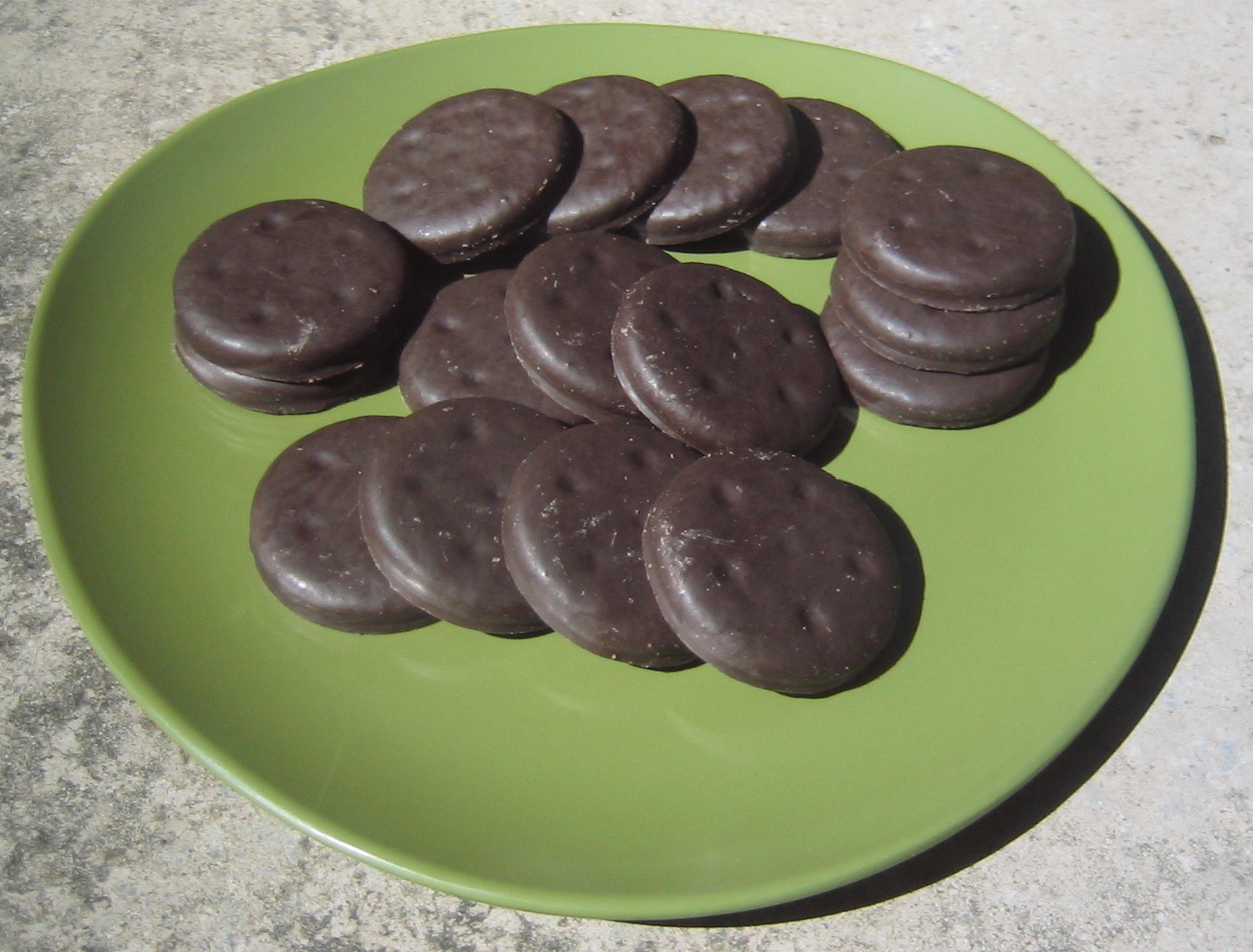
Girl Scout cookies were originally home baked by girl members, with mothers volunteering as advisers, according to Girl Scouts of the USA. Selling cookies to finance troop activities began as early as 1917, when the Mistletoe Troop in Muskogee, Oklahoma, baked cookies and sold them in its high school cafeteria.
In July 1922 The American Girl magazine printed a cookie recipe from Florence E. Neil, a Chicago director, estimating ingredients at 26 to 36 cents for six to seven dozen cookies. In 1934 the Greater Philadelphia council became the first to sell commercially baked cookies, and in 1936 the national organization began licensing the first commercial bakers.
8. Biscotti: Prato’s twice-baked almond cookie
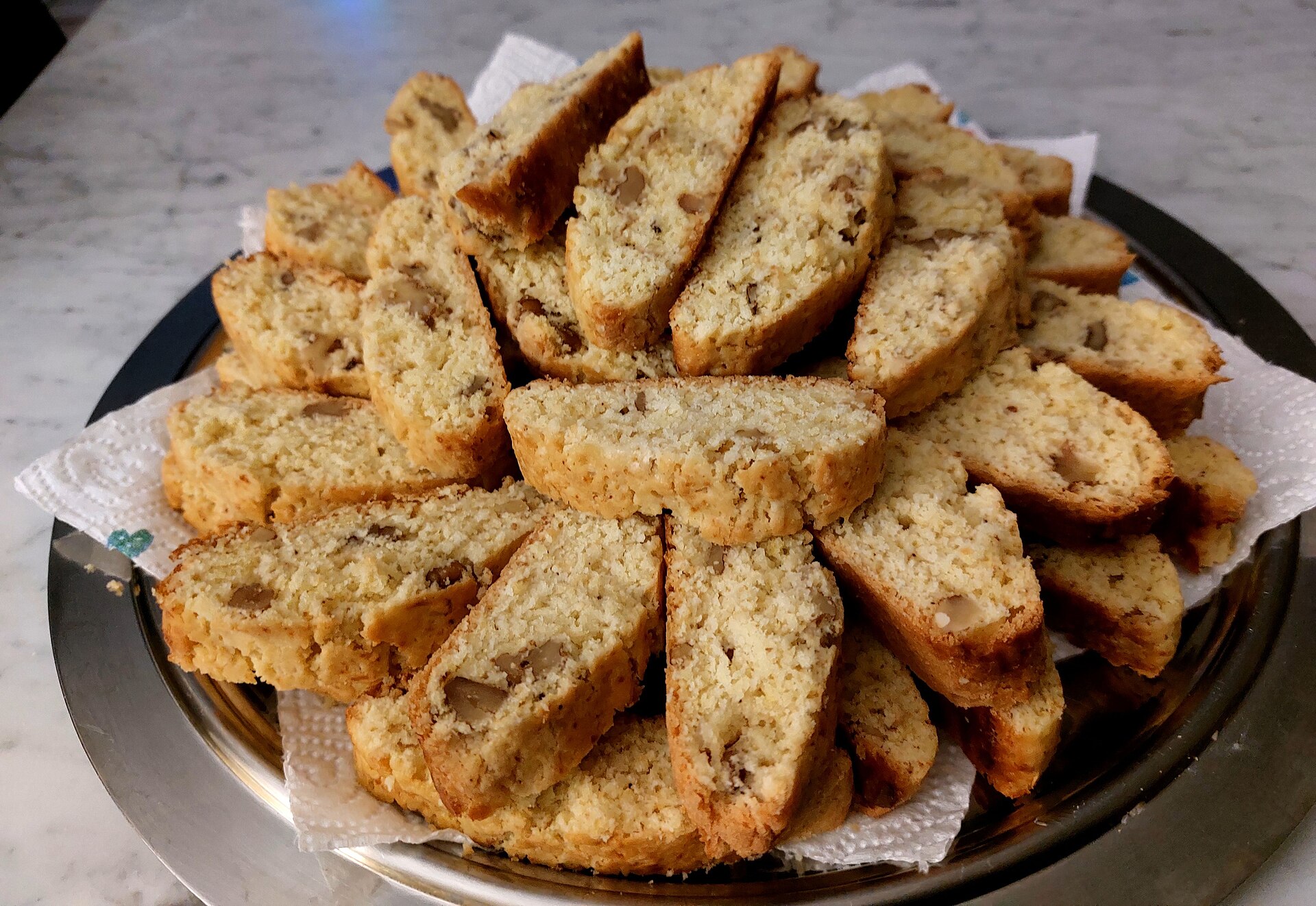
The Tuscany travel guide Toscana.info says the version of cantuccini people know today is linked to Antonio Mattei, a pastry chef of Prato who perfected the definitive recipe in 1858. His cookies earned prestigious awards at the Paris Universal Exposition in 1867.
The word biscuit literally means baked twice. The dough is shaped into long loaves and baked whole, then sliced diagonally while still warm and returned to the oven for the final bake, which gives the crumbly texture and long shelf life. The guide says the original recipe is simple and includes no added fats such as butter or oil.
9. Pizzelle: An Italian waffle cookie
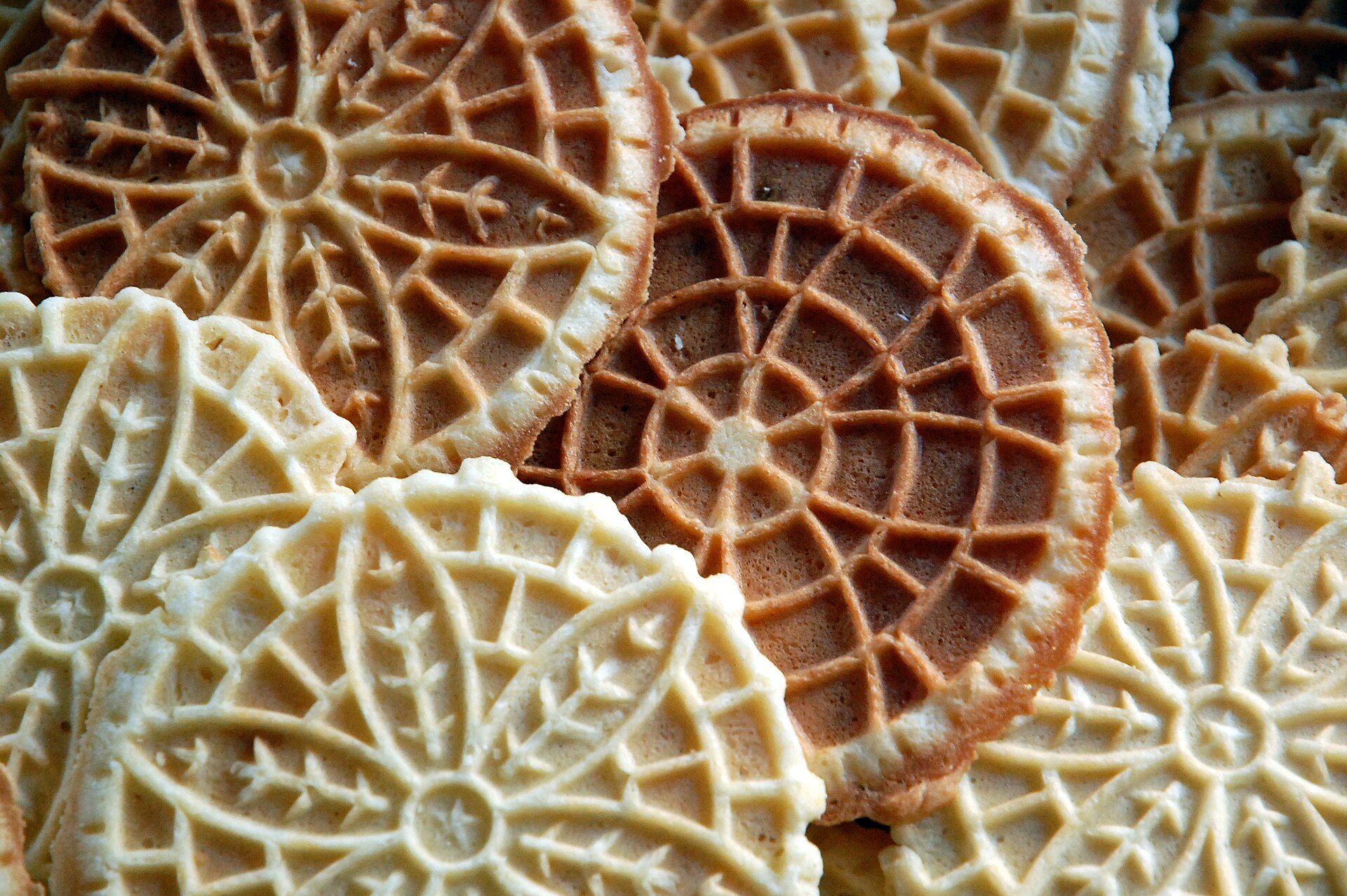
Pizzelle are Italian waffle cookies made with flour, eggs, sugar, butter or vegetable oil, and flavoring, usually anise or vanilla or lemon zest, according to Wikipedia. The Italian ministry of agriculture lists them as a traditional agri-food product of Abruzzo.
They were originally made in the municipality of Ortona in Abruzzo and are thought to descend from the ancient Roman crustulum. The batter goes into a pizzelle iron, a small cousin of the waffle iron, which stamps a snowflake pattern onto both sides of the thin, crisp cookie. The long-handled iron was originally held by hand over a stovetop burner.
10. Shortbread: Scotland’s butter cookie
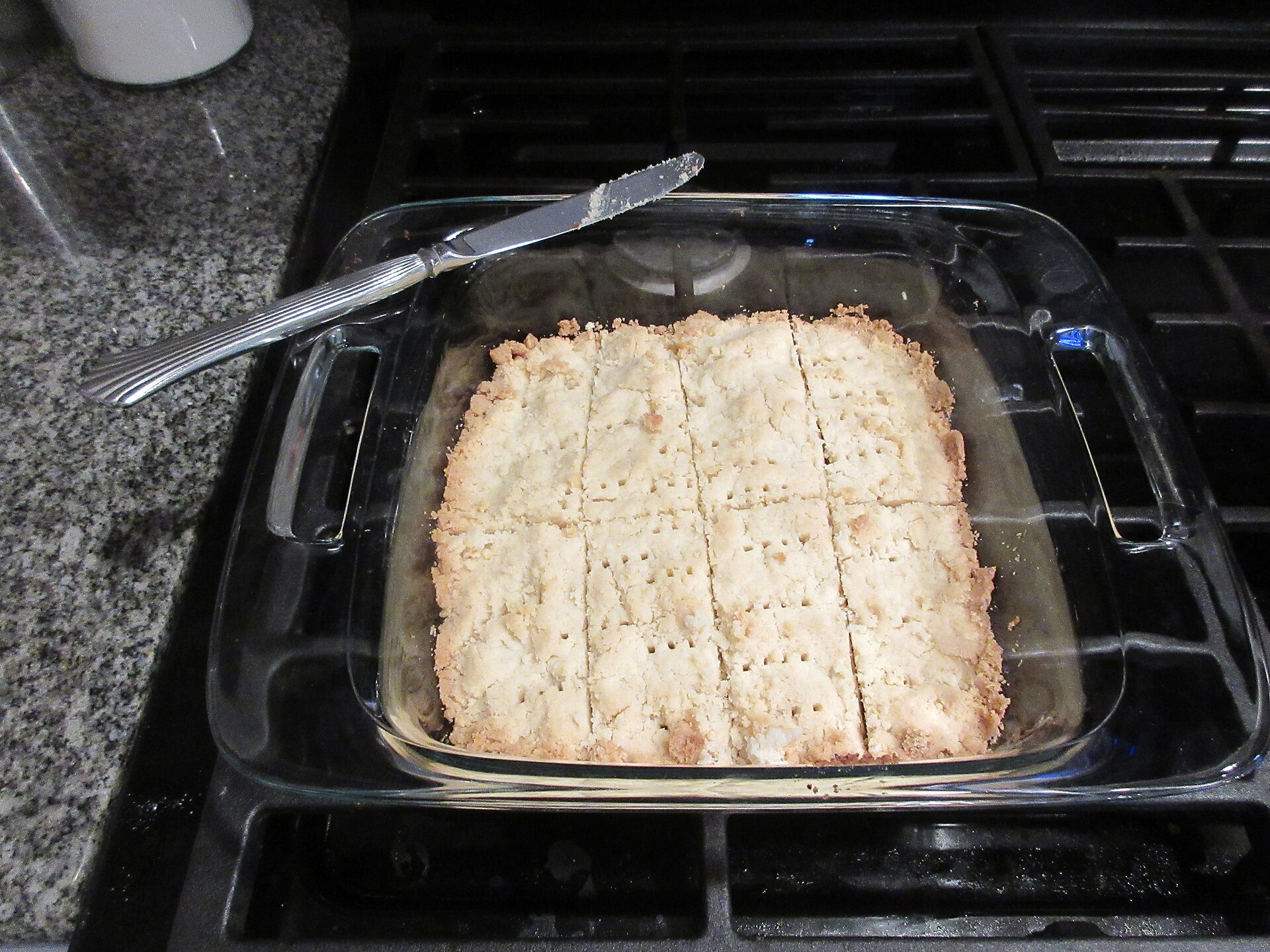
Shortbread is a traditional Scottish biscuit, usually made from one part white sugar, two parts butter and three to four parts plain wheat flour, according to Wikipedia. It contains no leavening, such as baking powder or baking soda, and is widely associated with Christmas and Hogmanay in Scotland.
The first printed recipe, in 1736, came from a Scotswoman named Mrs McLintock. Triangular wedges became known as petticoat tails. The name comes from the cookie’s crumbly texture, since the old meaning of the word short describes dough with a high fat content, and the butter keeps long gluten strands from forming.
This article was produced with AI assistance and edited for accuracy against the sources linked above.