Home bakers rely on a core set of breads whose roots reach from French bakeries to Jewish communities in Poland. Some are leavened with wild starters, others with baking soda, and a few began as answers to other loaves. Here are ten breads baked in American kitchens, with a source page for each.
1. Sourdough: Leavened with a wild starter
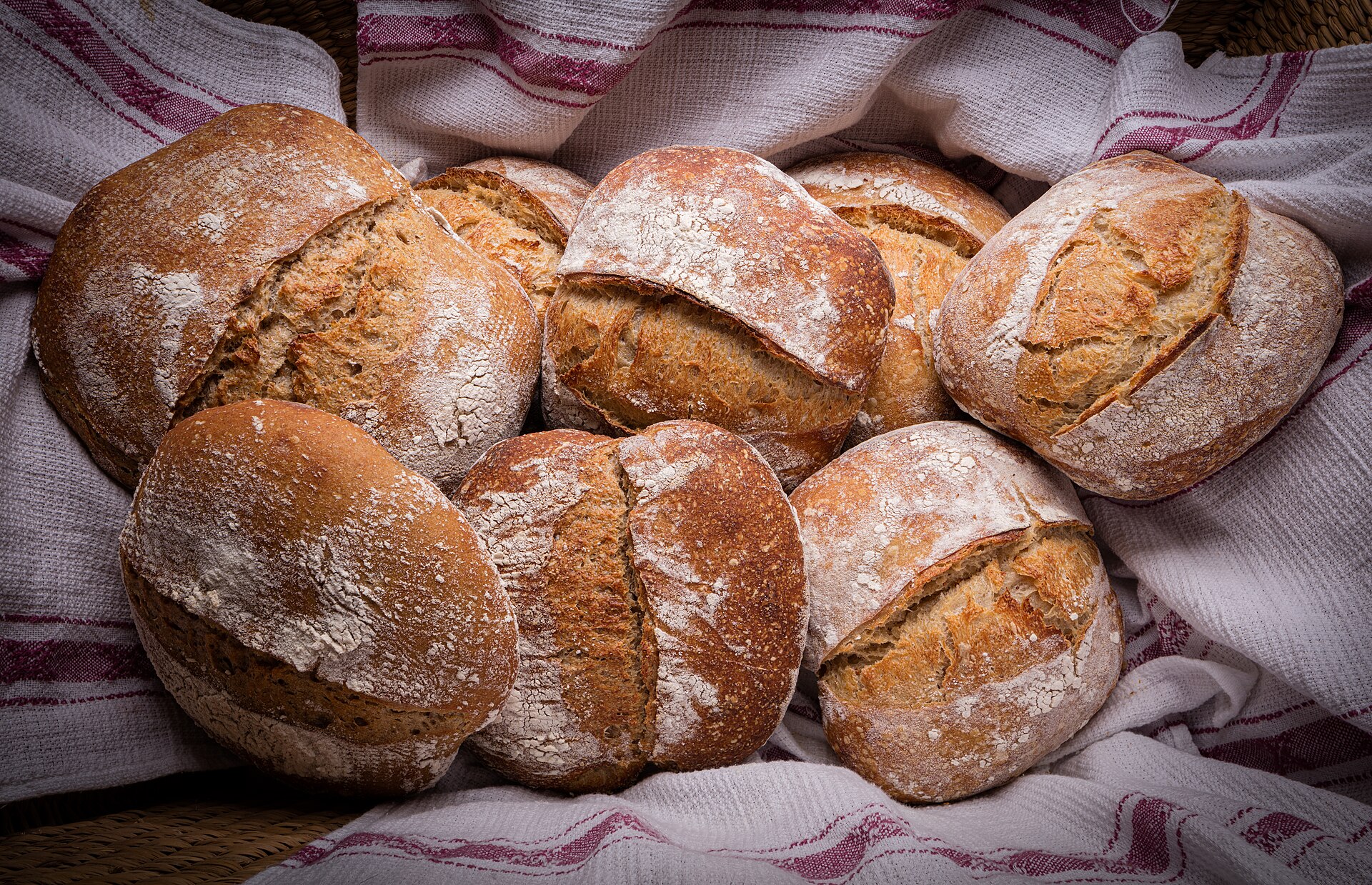
According to Wikipedia, sourdough is a leavening agent containing naturally occurring yeast and lactobacillus bacteria, and the dough that carries it is called a starter. The fermentation produces lactic acid, which gives the bread its distinctive sour taste and helps it keep.
French bakers brought sourdough techniques to Northern California during the Gold Rush, and the bread remains part of the culture of San Francisco today. The same source says the city’s celebrated loaf is a white bread with a pronounced sourness, and that the bacterium in its starters is named for San Francisco.
2. Focaccia: An Italian flatbread finished with olive oil
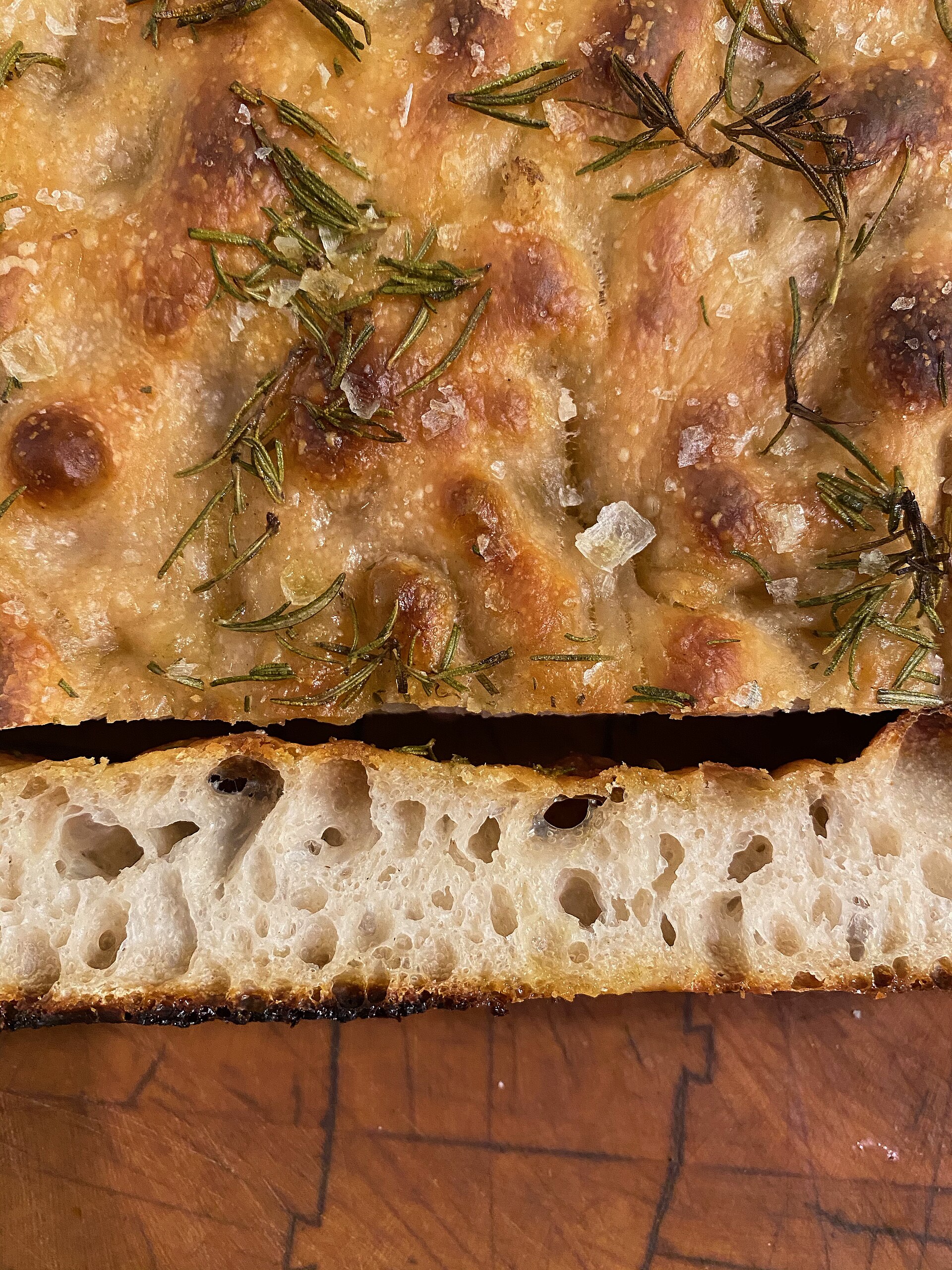
King Arthur Baking describes focaccia as a simple Italian flatbread that can be patted thin for a chewy bread or thicker for a softer one. Its recipe makes one 14-inch round and takes just under three hours from start to finish, most of it spent letting the dough rise.
The finishing touches matter most. Bakers dimple the risen dough with their fingers before it goes into a 425-degree oven, then drizzle the baked bread with olive oil and scatter it with rosemary or oregano. A half cup of whole wheat flour adds an earthy note, though all-purpose flour works too.
3. Brioche: Rich with eggs and butter
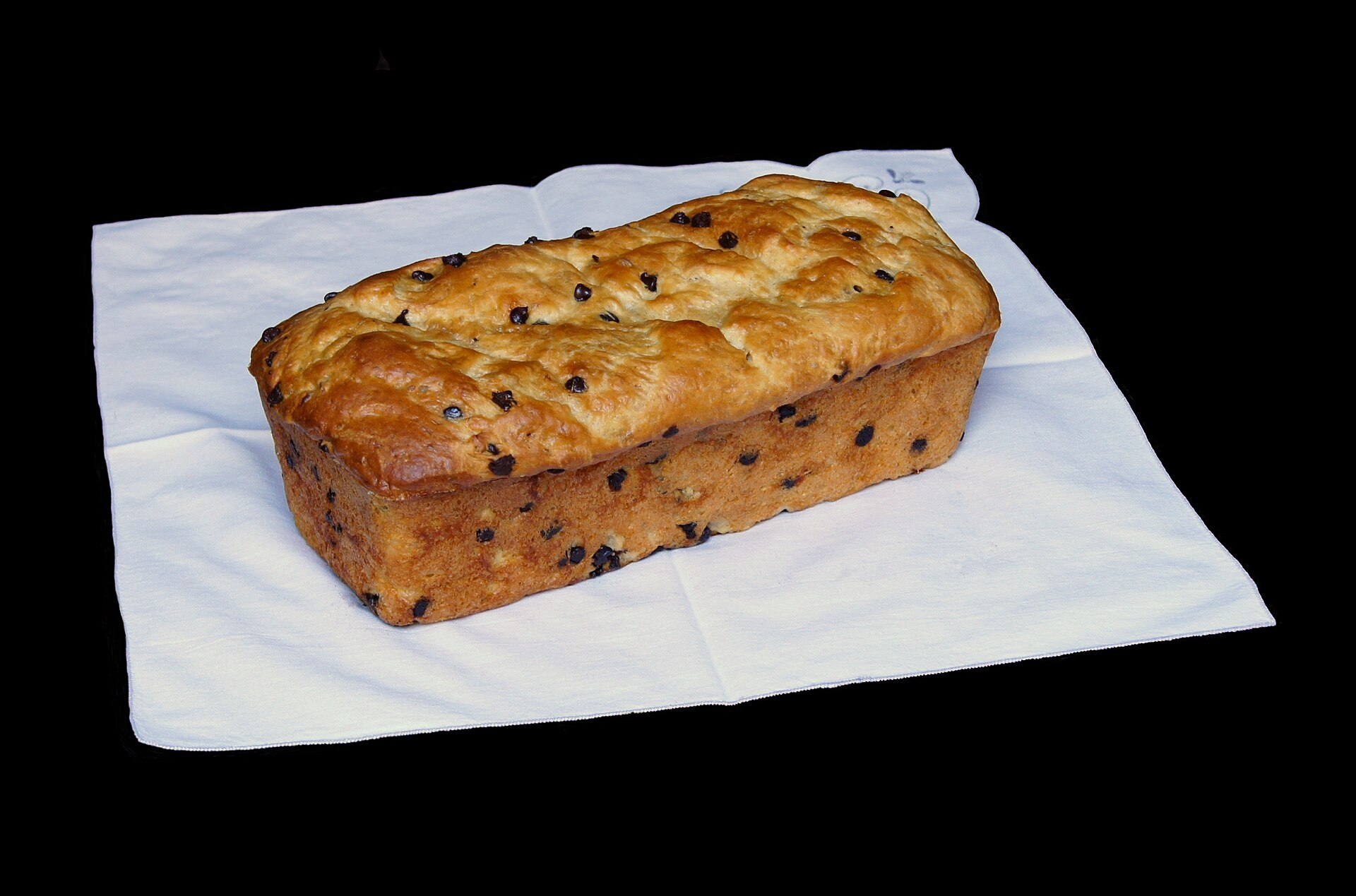
King Arthur Baking calls brioche a classic egg- and butter-rich bread that is tender enough for shaped and filled sweet breads. It notes that French brioche is generally presented in topknot form, with one small round nestled on top of a larger one.
Its recipe calls for 3 eggs and 10 tablespoons of butter, added a piece at a time while the dough kneads. The dough then rises, chills for several hours or overnight, and is shaped into mini rolls, a large round or loaves. Brioche browns quickly, so the instructions warn that it is easy to underbake.
4. Challah: A braided loaf for the Sabbath
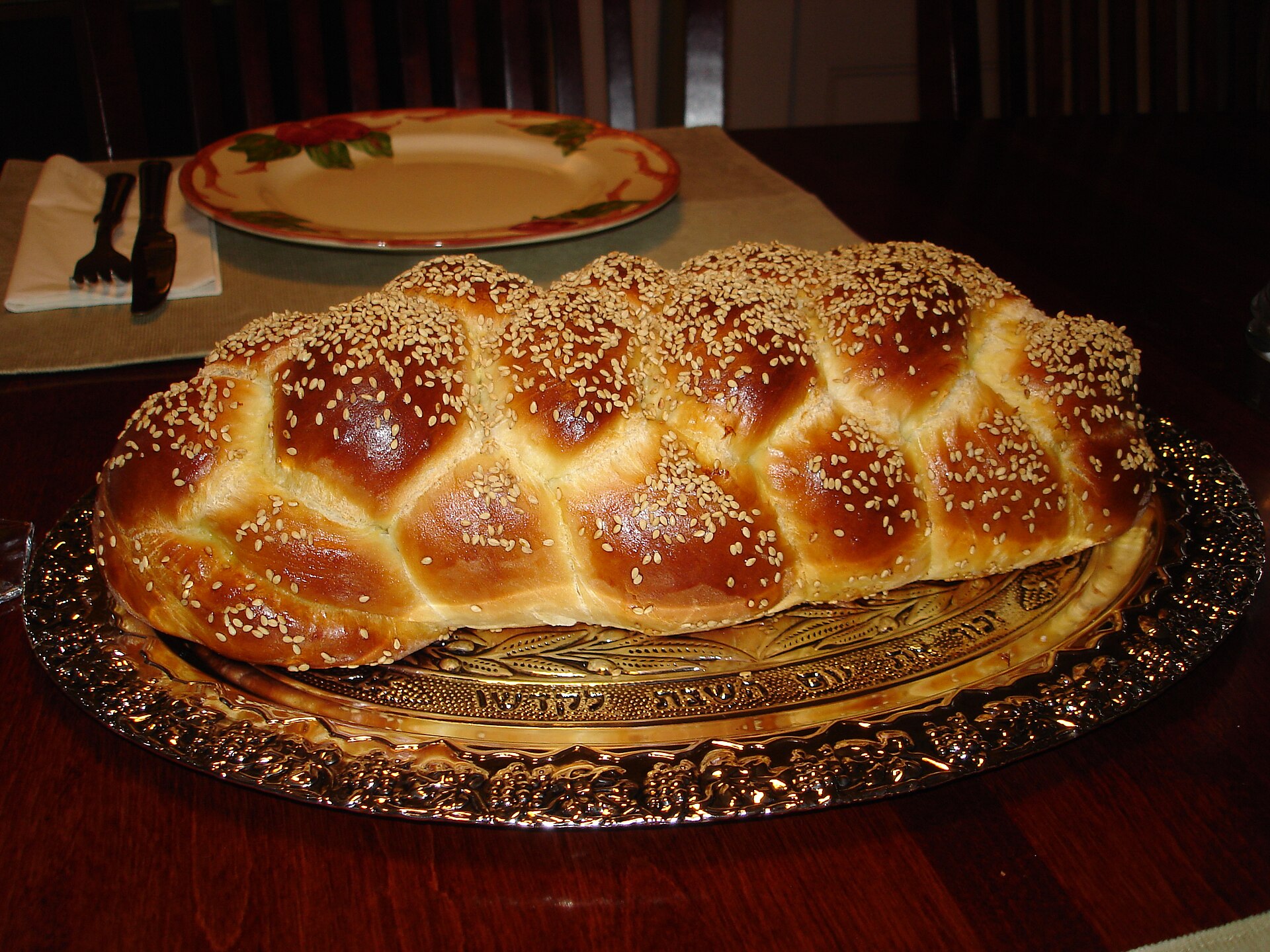
King Arthur Baking describes challah as a deep-gold, light-textured bread traditionally served on the Jewish Sabbath and other holidays. The dough is smooth and supple, which makes it a good candidate for braiding.
The simplest shape is a three-strand braid, and bakers can move up to four strands or even six for a showier loaf. The recipe brushes the risen dough with egg white, adds poppy or sesame seeds if desired, and bakes the 16-inch loaf until it is a deep golden brown.
5. Baguette: France’s long, crisp loaf
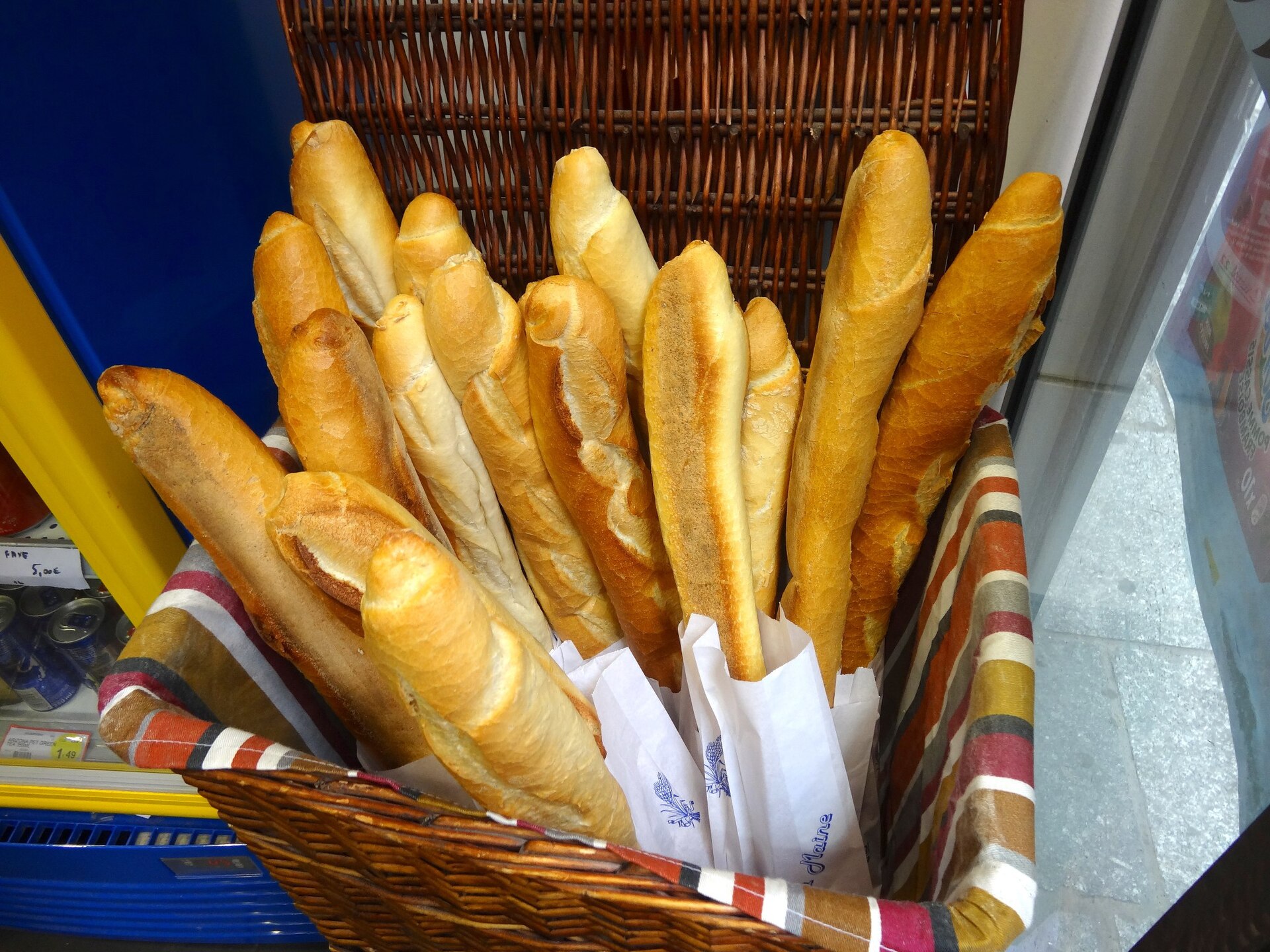
Wikipedia says a baguette is a long, thin type of bread commonly made from basic lean dough, with a crisp crust and a usual length of about 65 centimeters. The dough of the traditional baguette is defined by French law.
The name is newer than the bread’s reputation. The word appears to have been used for a particular type of loaf in a regulation of the department of the Seine in August 1920. In 2022, the artisanal know-how and culture of baguette bread was inscribed on the UNESCO Intangible Cultural Heritage lists.
6. Bagel: Boiled first, then baked
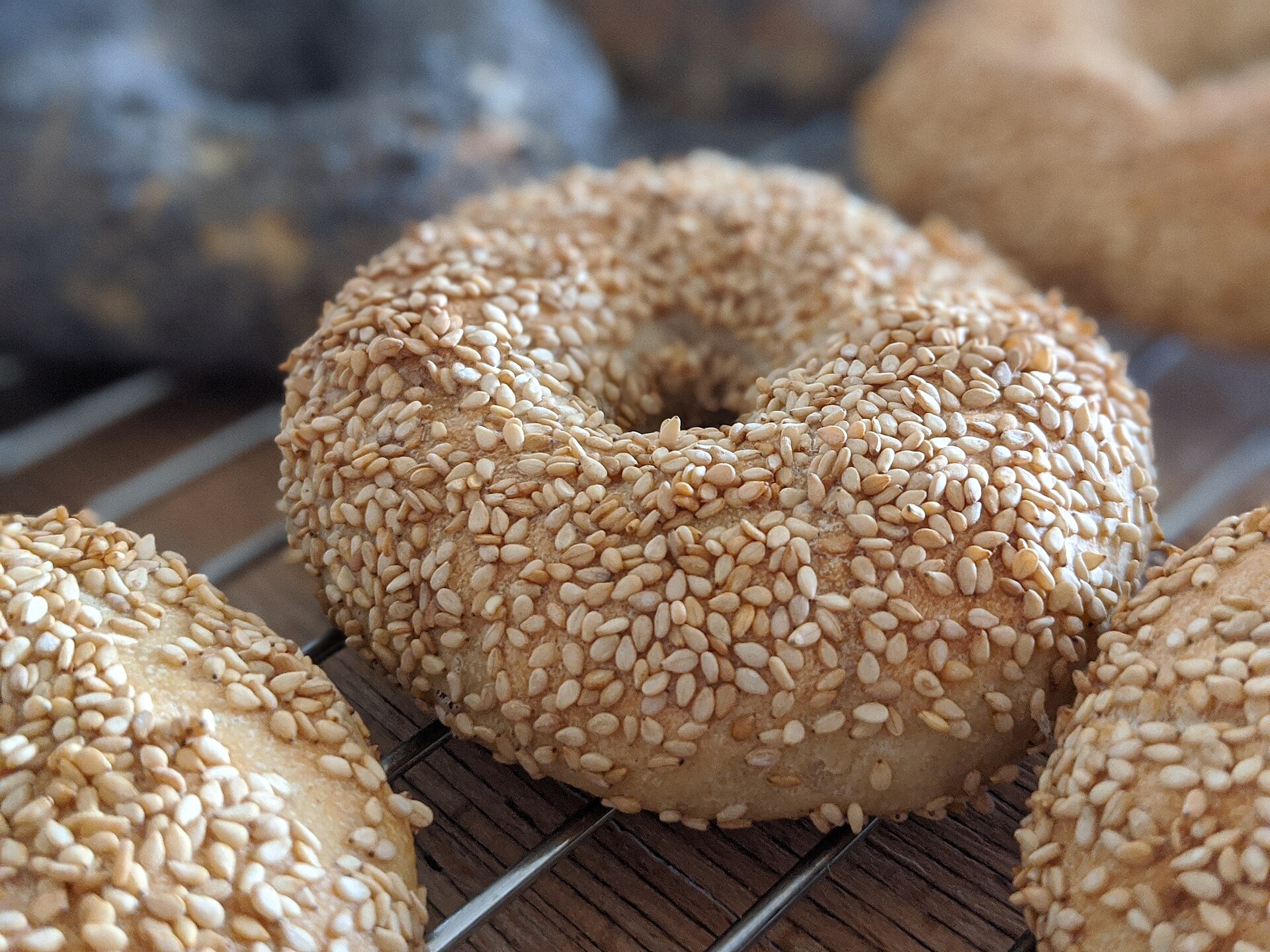
A bagel is a bread roll originating in the Jewish communities of Poland, according to Wikipedia, and it was first mentioned in 1610 in Jewish community ordinances in Krakow. Bagels are traditionally made from yeasted wheat dough that is shaped into a ring, briefly boiled in water and then baked.
Bagels came to the United States with immigrant Polish Jews, and a thriving trade developed in New York City. Around 1900, the bagel brunch became popular there, topped with lox, cream cheese, capers, tomato and red onion. Machine production in the 1960s, led by the Lender family, helped spread frozen bagels across North America.
7. English muffin: Cooked in a skillet
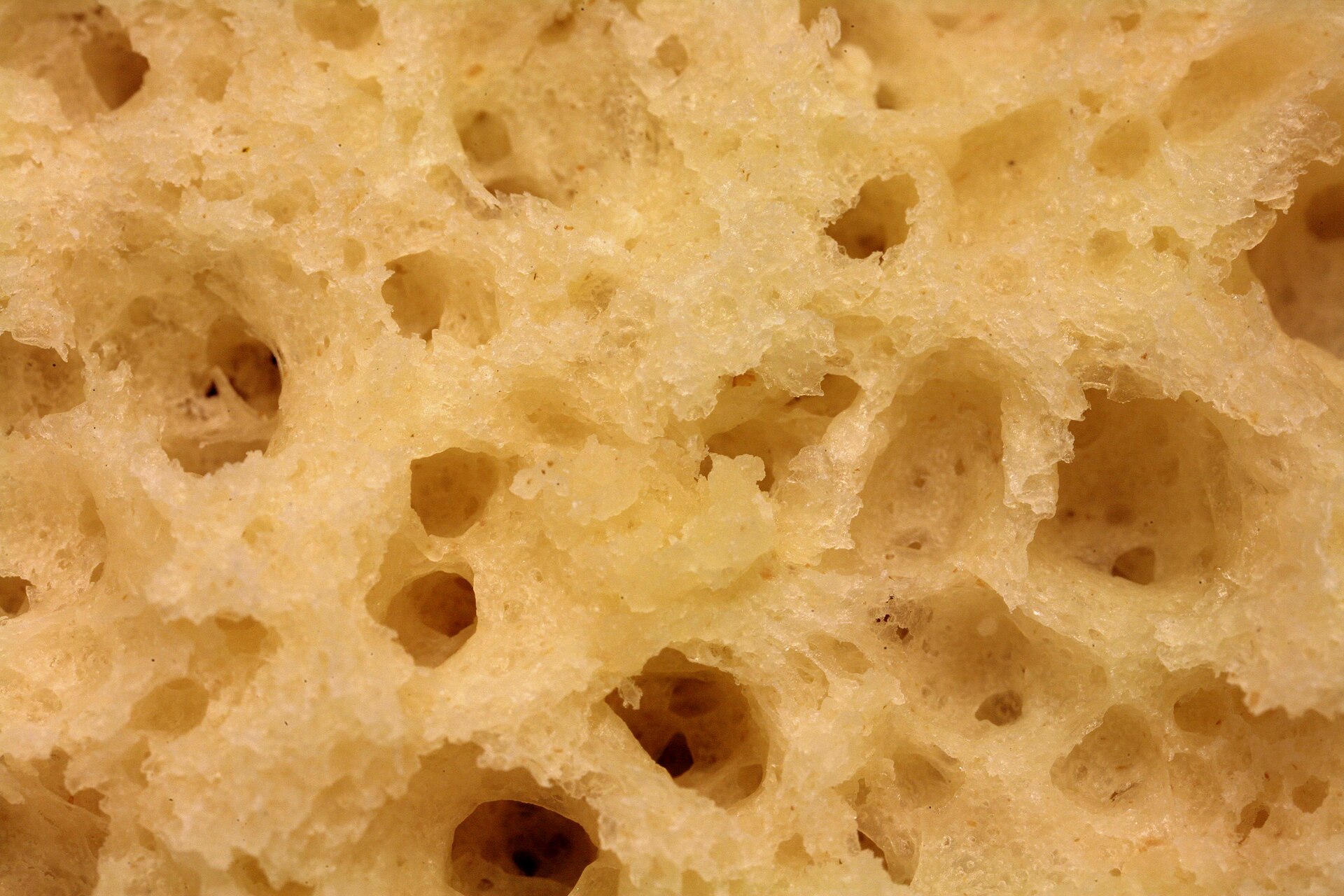
King Arthur Baking describes homemade English muffins as slightly tangy and loaded with nooks and crannies. Because they are cooked in a skillet on the stovetop, the recipe notes that the oven never needs to be turned on.
The recipe starts with a preferment of flour, yeast, milk and water that rests for 1 to 4 hours, and the longer it ferments, the more flavor the muffins have. The dough is dusted with cornmeal, patted to half an inch thick and cut with a 3 1/2-inch cutter into six round muffins.
8. Soda bread: Quick bread without yeast
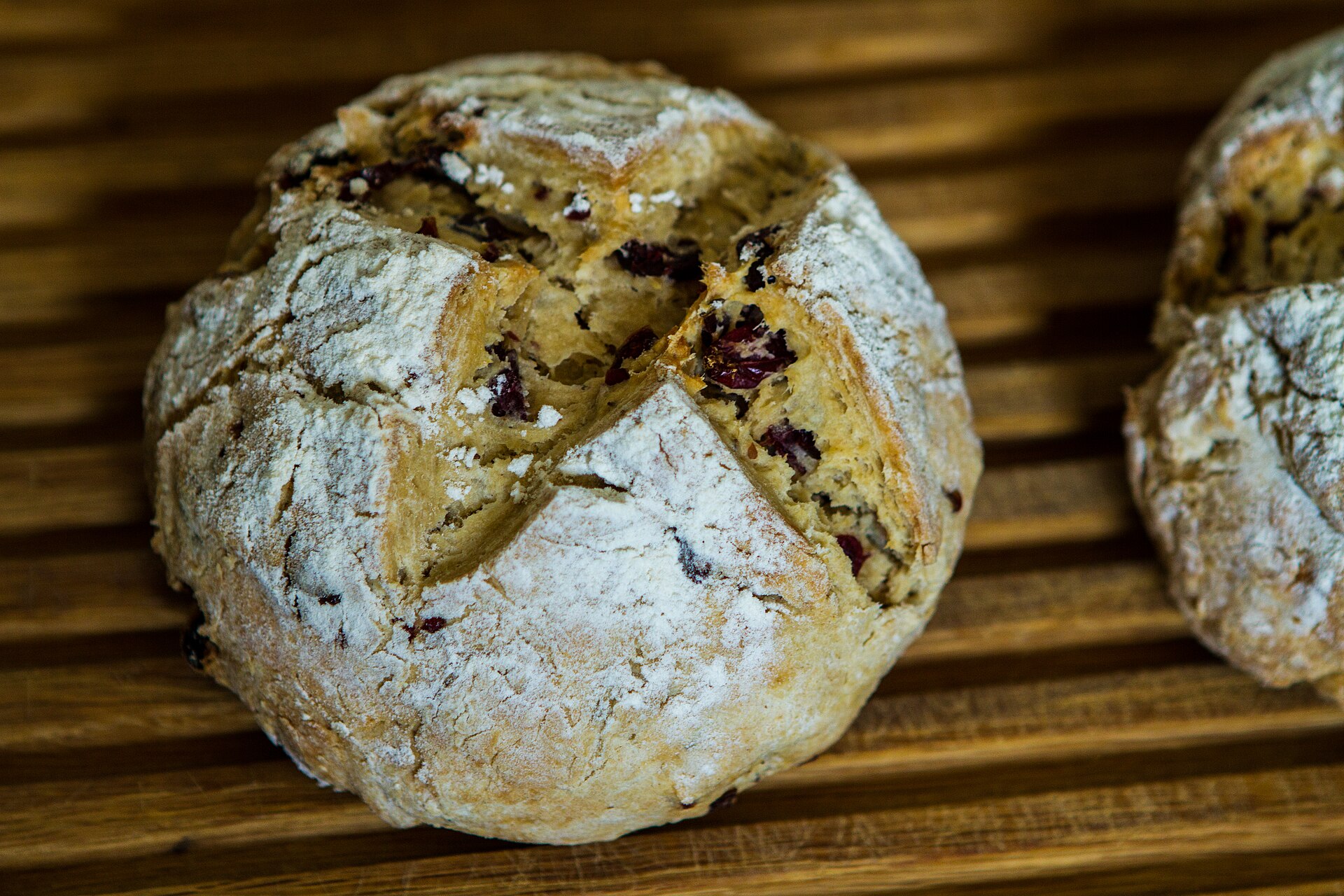
Soda bread is a variety of quick bread that uses baking soda instead of yeast, Wikipedia explains. The basic ingredients are flour, baking soda, salt and buttermilk, and the lactic acid in the buttermilk reacts with the soda to form bubbles of carbon dioxide.
Because the leavening starts right away, bakers recommend mixing as little as possible, and the dough is generally not kneaded. In Ireland it takes several forms, including wholemeal brown bread, Ulster wheaten bread and the flat soda farl cut into four sections. Soda bread made with raisins is colloquially called spotted dog.
9. Pretzel: Philadelphia’s figure-8 favorite
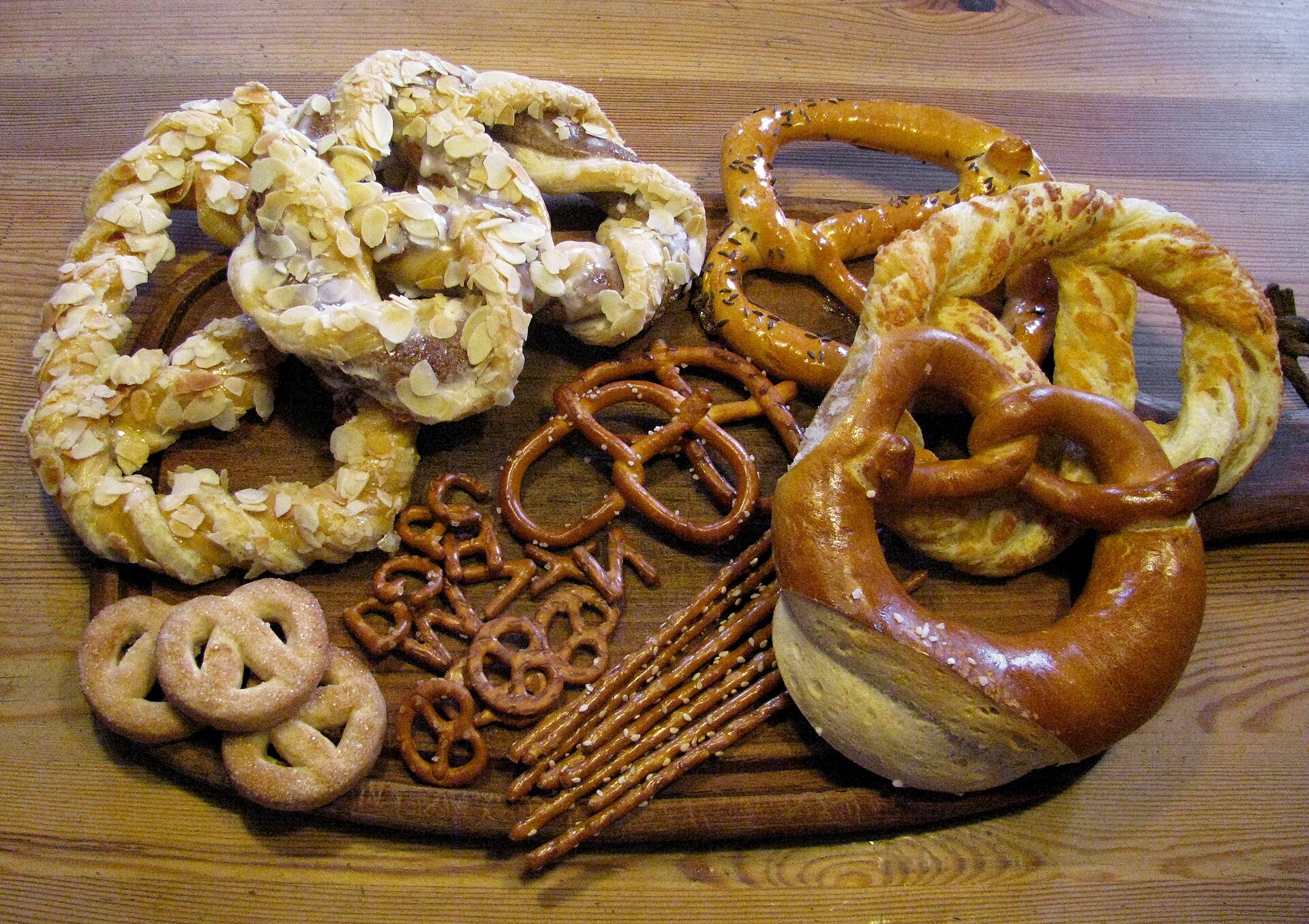
The Encyclopedia of Greater Philadelphia says the soft pretzel in that city is a legacy of the Pennsylvania Dutch, Palatine Germans who emigrated in the 1700s. Philadelphia pretzels are distinguished by a figure-8 shape, a chewy texture and street-corner sales.
The Sturgis family of Lititz, in Lancaster County, started the first commercial pretzel bakery in 1861. Automation began in 1933 at the Reading Pretzel Machinery Company, and the figure-8 shape evolved then to fit the conveyor belt. Pretzel making stayed concentrated in Pennsylvania even after the pretzel emerged as a national snack in the 1960s.
10. Ciabatta: A 1982 answer to the baguette
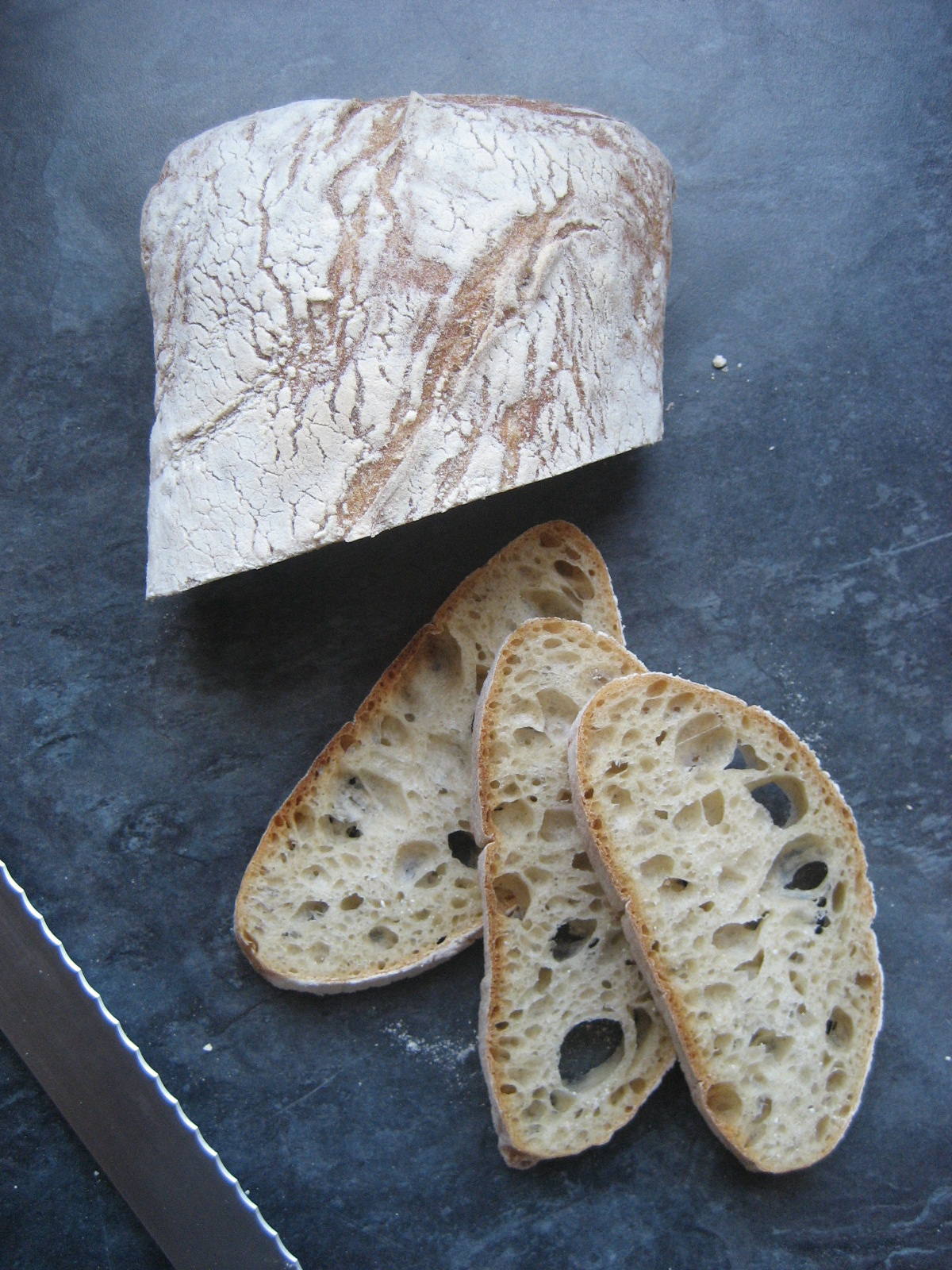
Ciabatta is an Italian white bread created in 1982 by a baker in Adria, in the region of Veneto, according to Wikipedia. It was a response to the popularity of French baguettes, and the name means carpet slipper, after its flat, oval shape.
The baker, Arnaldo Cavallari, was worried that sandwiches made with imported French baguettes were endangering Italian bakeries. The bread he developed is made from a soft, wet dough with high-gluten flour and is known for its large holes. His company later licensed the recipe to bakers in 11 countries by 1999.
This article was produced with AI assistance and edited for accuracy against the sources linked above.