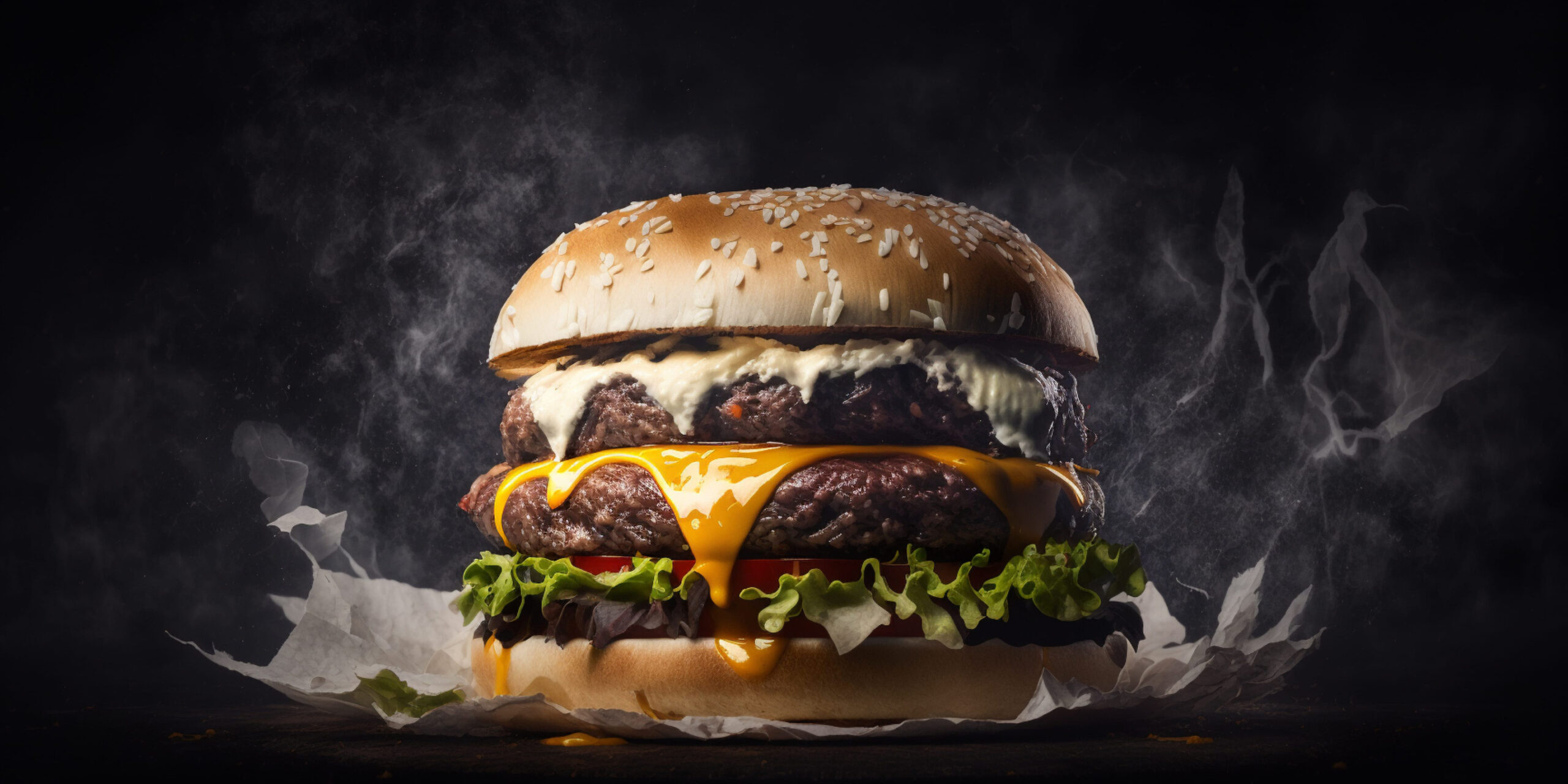
A good burger should be juicy enough that you need a few extra napkins, not so dry that you start reaching for a glass of water halfway through eating it. While choosing good ground beef and getting the cooking temperature right both matter, there is another little trick that can make homemade burgers noticeably more tender. Try adding ¼ cup of cold water to your ground meat mixture before shaping the patties.
It might sound strange to pour water into meat that already contains some natural moisture, but there is a reason this trick works. The added liquid can help keep the mixture moist during cooking, particularly when you are working with leaner ground beef. The secret is getting the amount right and handling the meat gently so your burgers stay tender rather than turning dense.
Cold Water Helps Keep Burger Patties Moist
Ground beef naturally contains water, but some of that moisture escapes as the meat cooks. Adding a little cold water to the mixture gives the meat additional liquid before it hits the heat. When distributed gently, the water can help the patties retain moisture during cooking.
Start with approximately ¼ cup of cold water for every pound of ground beef. Add it gradually while mixing so it spreads through the meat instead of collecting at the bottom of the bowl. The mixture may feel slightly softer than usual, but that is perfectly normal.
One important detail is to avoid adding too much water. Excess liquid can make the patties difficult to shape and may cause them to fall apart on the grill or in the pan.
Choose Ground Beef With Enough Fat
Water can help with moisture, but it cannot completely replace the fat that gives burgers their rich flavor and satisfying texture. If you want a juicy burger, the type of ground beef you buy matters just as much as what you add to it. Ground beef labeled 80% lean and 20% fat is a popular choice for homemade burgers.
The fat melts as the patties cook, helping create a flavorful and tender result. Leaner options, such as 90% lean ground beef, contain less fat and can become dry more easily when exposed to high heat for too long. You can still use lean beef with the water trick, but you will need to pay closer attention to cooking time.
If you are making burgers for a family cookout, 80/20 ground beef is a reliable starting point. It provides a good balance of beef flavor, moisture, and texture without requiring a complicated list of ingredients.
Mix the Meat Gently to Avoid Tough Burgers
Once you add the water, resist the temptation to knead the ground beef like bread dough. Overworking the meat can cause proteins to bind together more tightly, giving the cooked patties a firm, dense texture. Nobody wants a burger that feels more like a meatball.
Use clean hands or a fork to distribute the water gently throughout the mixture. If you want to add salt, pepper, garlic powder, or onion powder, keep the seasoning simple and avoid excessive mixing. Shape the patties once everything is combined, then let them rest briefly in the refrigerator if they feel too soft to handle.
A gentle touch makes a difference here. You want the meat to hold together without compressing it into a tightly packed ball.
Make a Small Indentation Before Cooking
Ever noticed how homemade burgers sometimes puff up in the middle while cooking? That happens because the meat contracts as it heats, often pushing the center upward and leaving you with a rounded patty that does not sit nicely on a bun.
There is an easy way to reduce this problem. Press a shallow indentation into the center of each raw patty using your thumb. The small dip helps the burger maintain a more even shape as it cooks.
Do not press too deeply or flatten the patty completely. A gentle indentation is enough, and it can save you from ending up with burgers that are thick in the middle and awkward to stack with lettuce, tomatoes, and cheese.
Get the Cooking Temperature Right
Even a well-prepared burger can turn dry if it stays on the heat too long. High heat helps create a flavorful browned exterior, but cooking the patties for too long can squeeze out moisture and leave the inside overdone. A hot grill or skillet is useful, provided you keep an eye on the temperature.
For food safety, the USDA recommends cooking ground beef to an internal temperature of 160°F. Use an instant-read food thermometer to check the thickest part of each patty rather than relying entirely on its color. Ground beef can contain harmful bacteria throughout the meat, so checking the temperature is especially important.
Once the burgers reach the recommended temperature, remove them from the heat and allow them to rest for a few minutes. This gives the juices time to settle before you take that first bite.
Give Your Burgers a Little Time to Rest
It can be tempting to place freshly cooked patties straight onto the buns, especially when everyone is waiting around the grill. However, allowing the burgers to rest briefly can help keep their juices from spilling out immediately when you cut or bite into them.
A few minutes is usually enough for a homemade burger. Use that time to toast your buns, prepare your toppings, or melt a slice of cheese over the patties during the final moments of cooking.
The result should be a burger that is moist, flavorful, and easier to enjoy without having to cover it in sauce just to make every bite less dry.
Try the Water Trick at Your Next Cookout
Adding ¼ cup of cold water to a pound of ground beef is an inexpensive trick worth experimenting with if your homemade burgers tend to turn out dry. It adds moisture without requiring special ingredients or expensive equipment. Just remember that the fat content of your beef, gentle mixing, and proper cooking temperature all play important roles in the final result.
You can season the mixture with black pepper, garlic powder, onion powder, or your favorite burger seasoning. Keep the ingredients simple enough that the beef flavor still comes through.
And if you are planning a backyard cookout, prepare the patties shortly before cooking and keep raw ground beef refrigerated until it is time to grill. A little preparation can make the difference between an ordinary burger and one everyone wants another helping of.