Your next forgotten dinner ingredient might not arrive in a van, a drone could gently lower it into your backyard.
Walmart is taking another major step into drone delivery, announcing plans with Wing to bring the service to the Seattle and Denver metropolitan areas in 2027. The expansion is part of a much larger push that could eventually connect more than 270 Walmart locations to aerial delivery and reach over 40 million customers.
Walmart Wants Your Next Order to Fly
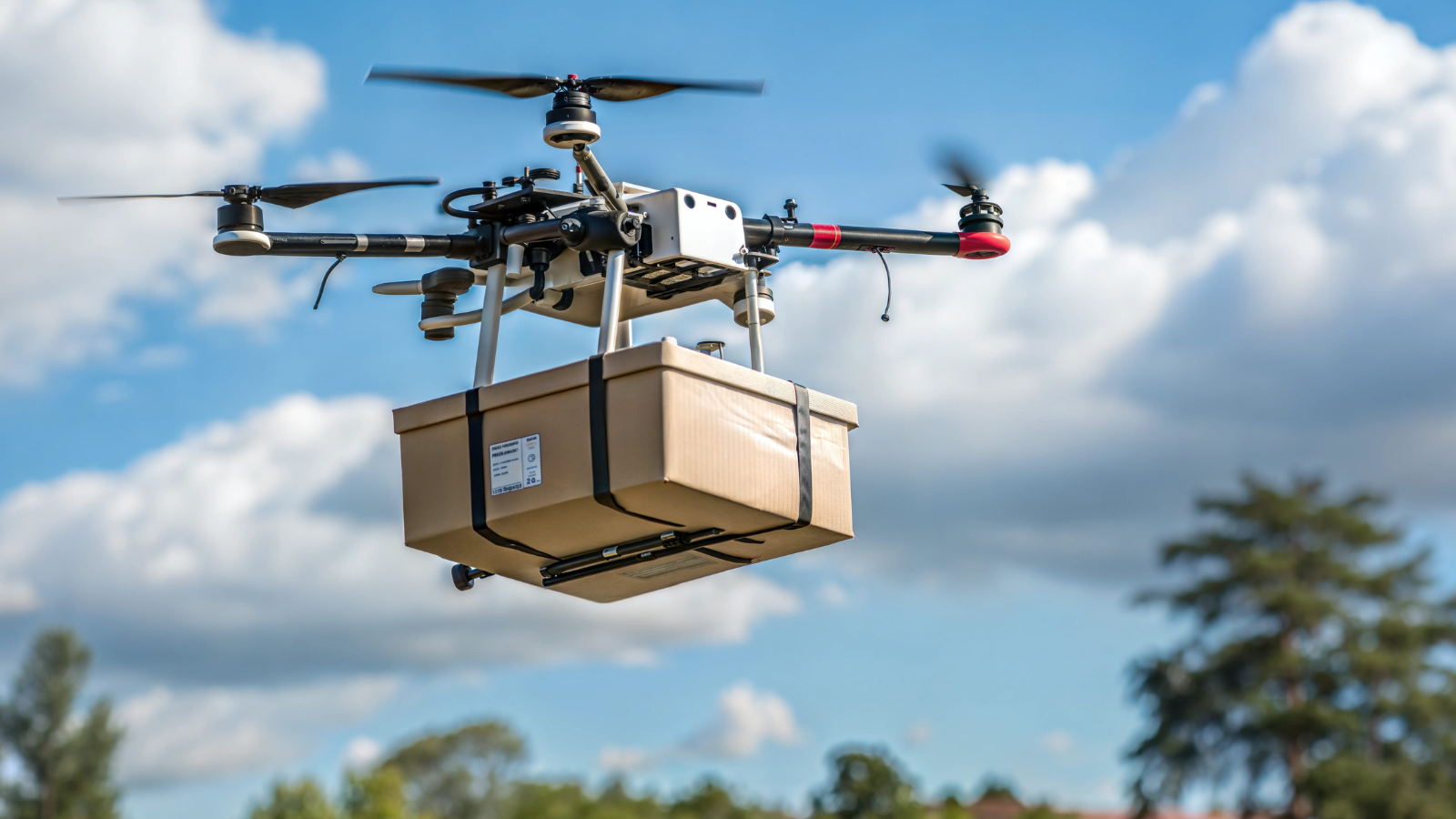
The idea sounds futuristic, but Walmart is already treating drone delivery as an everyday shopping option, not a novelty.
The partnership with Wing, an Alphabet company, is expanding into nearly 20 U.S. metropolitan areas. More than three million customers already have access to Walmart drone delivery, with existing markets including Dallas-Fort Worth, Atlanta, Houston, and Orlando.
The latest expansion means Seattle and Denver will join the network in 2027. The broader plan is ambitious: more than 270 Walmart stores could eventually support the service, creating a nationwide delivery network.
Seattle Makes the Story Much More Interesting
Walmart isn’t simply adding another city, it is preparing to fly into the home territory of one of its biggest competitors.
Seattle is Amazon’s backyard, making Walmart’s planned arrival particularly intriguing. The company could launch its aerial delivery service in the region before Amazon establishes a comparable commercial network there. Walmart’s planned Seattle expansion is therefore about more than convenience; it adds another chapter to the long-running Walmart-versus-Amazon retail battle.
Details about the exact Seattle stores have not yet been made public, although reports point to groundwork in Federal Way and Tacoma.
What Can a Drone Actually Deliver?
Don’t expect your entire weekly grocery haul to take flight, the service is designed for smaller orders and quick needs.
Wing says its aircraft can carry lightweight packages and travel up to 60 miles per hour. The service is designed to deliver thousands of Walmart items, including groceries and other everyday essentials, with eligible orders potentially arriving in about 30 minutes.
That makes the concept particularly interesting for those little home emergencies. Forgot the eggs? Ran out of coffee? Need snacks before everyone arrives for movie night? Instead of making a trip to the store, a qualifying order could potentially travel directly from Walmart to your home.
The Network Is Growing Fast
This isn’t one experimental drone flying around a parking lot anymore.
Walmart and Wing are expanding their network as part of a plan that was already targeting more than 270 Walmart locations by 2027. The expanding drone delivery network is intended to make fast aerial delivery available across a much larger portion of the country.
Wing says its aircraft already complete thousands of residential deliveries each day, suggesting companies increasingly see drones as part of normal retail infrastructure rather than a futuristic demonstration.
But Seattle Will Put the Drones to the Test
One obvious challenge to bringing flying deliveries to the Pacific Northwest is Seattle’s weather.
Wing specifically points to Seattle’s rain and Denver’s winter conditions as examples of the different climates its growing network will need to handle. That matters because a delivery service cannot become genuinely useful if it works only on perfect-weather days.
The expansion will therefore test whether residential drone delivery can operate reliably across different environments, not just sunny suburban neighborhoods.
Five Pounds Can Still Be Plenty
A small payload might sound limiting, but it covers many of the things people suddenly realize they need.
Wing’s larger delivery aircraft can carry up to about five pounds. That is not enough for a giant family grocery order, but it is more than enough for many individual purchases.
The real appeal is speed, not volume. Traditional delivery makes sense for a large order, while a drone becomes more interesting when you need one or two things quickly.
The Neighborhood Will Have a Say
Convenience is exciting, but people still have to live underneath the delivery routes.
As Walmart and Wing expand, questions about noise, privacy, safety, and where drone hubs should be located are likely to become increasingly important. The technology may be advancing quickly, but communities still have to decide how comfortable they are with commercial aircraft moving through residential areas.
That could become one of the biggest challenges to widespread adoption. People may love getting groceries in 30 minutes while feeling very differently about hearing drones overhead several times a day.
Is This Really the Future of Shopping?
The strangest part of Walmart’s plan may be how ordinary it could become.
Today, seeing a drone lower a Walmart package into someone’s yard sounds like something from a science-fiction movie. But if customers start using the service repeatedly for forgotten ingredients, household essentials, and last-minute purchases, the novelty could disappear surprisingly quickly.
The company is betting that people will value convenience enough to make aerial delivery part of their normal routines. As technology continues to change how we shop, even simple everyday habits may eventually include deciding whether your next order should arrive by road, or through the sky.
For Walmart, the bigger goal is clear: make the distance between a store and a customer’s front door feel almost irrelevant.
If Walmart offered 30-minute drone delivery to your home, would you use it for last-minute groceries, or would you still prefer the familiar delivery van?