The next development in America’s beef supply chain is set to happen at a border crossing in southwestern New Mexico. Its effect on the grocery meat case will take longer to judge.
The U.S. Department of Agriculture plans to reopen the Columbus, New Mexico, port to Mexican cattle imports on October 26. Nogales, Arizona, could follow on November 30, provided the required conditions and inspection arrangements are in place.
For ranchers and livestock businesses, those dates represent additional routes into a supply chain that has been operating with fewer imported cattle. For shoppers, they raise a different question: Could restoring the trade eventually make beef more affordable?
The distinction matters. Reopening a crossing allows cattle to enter the country. It does not put additional packages of ground beef on supermarket shelves that same week.
Two More Crossings, With Conditions Attached
In its latest reopening update, USDA’s Animal and Plant Health Inspection Service identifies October 26 as the reopening date for cattle imports at Columbus.
The agency describes November 30 as the next scheduled date for Nogales, contingent on conditions supporting trade and the necessary infrastructure and inspection arrangements being ready. It also says further reopening decisions will depend on continuing evaluations.
These are not identical commitments. Columbus has an announced reopening date, while Nogales has an explicitly conditional timetable.
The restrictions followed concerns about New World screwworm, an animal pest. USDA is restoring access in stages rather than reopening every livestock crossing simultaneously.
That approach makes the announcement significant for trade without fully returning to previous operations.
Why Mexican Cattle Matter to American Beef
The trade involves live animals entering the United States for further production, not simply finished beef arriving ready for a grocery counter.
American livestock businesses have historically used Mexican cattle to supplement domestic supplies. Once imported, those animals still need time in the production system before they contribute to the beef available for sale.
That helps explain why the reopening matters first to cattle-handling businesses.
Feedlots, where cattle are fed and prepared for eventual processing, need animals to keep operating. Additional eligible cattle can help replenish that flow, even when the retail effect remains distant.
In September, New Mexico Agriculture Secretary Jeff Witte told Reuters that renewed imports could help feedlots operating below capacity. That is a business benefit distinct from an immediate reduction in a shopper’s receipt.
The border is therefore an entry point into production, not the final step between a ranch and dinner.
A Gradual Restart, Not a Single Switch
The October announcement builds on a reopening process outlined months earlier.
USDA’s July 24 phased-reopening announcement set the Douglas, Arizona, crossing for August 24 and described preparations for later openings at Santa Teresa and Columbus in New Mexico.
The department said the timetable could change and that openings could be paused if its assessments identified increased risk.
Reuters subsequently reported that Douglas had resumed imports and that Santa Teresa was reopening September 24.
Columbus would extend that restart. Nogales would add another route if its conditions are met.
For businesses planning purchases and deliveries, the difference between an announced date and functioning daily trade is important. Access must translate into cattle actually moving through the crossing before it changes the available supply.
The People Between the Border and the Meat Case
A cattle crossing is one link in a longer commercial chain.
The imported animals connect Mexican sellers with American livestock buyers and feedlots. Transportation and handling move them from the border into production.
The practical question for those businesses is not only whether a port is open. It is how much livestock can move through it and how consistently that movement can continue.
Santa Teresa illustrates the difference.
In Reuters’ September 24 report on the trade restart, Witte estimated that 750 to 1,600 cattle a day would enter there, compared with a previous high of around 3,000.
Those were expectations reported at the time, not confirmed October throughput figures. But they show why reopening a major crossing does not necessarily restore its former volume immediately.
For the supply chain, the number of cattle moving matters as much as the number of open gates.
Related: Trump Moves to Contain Food Crisis, Forced to Drop Tariffs on Critical Fertilizer Imports
Why Beef Prices May Take Longer to Respond
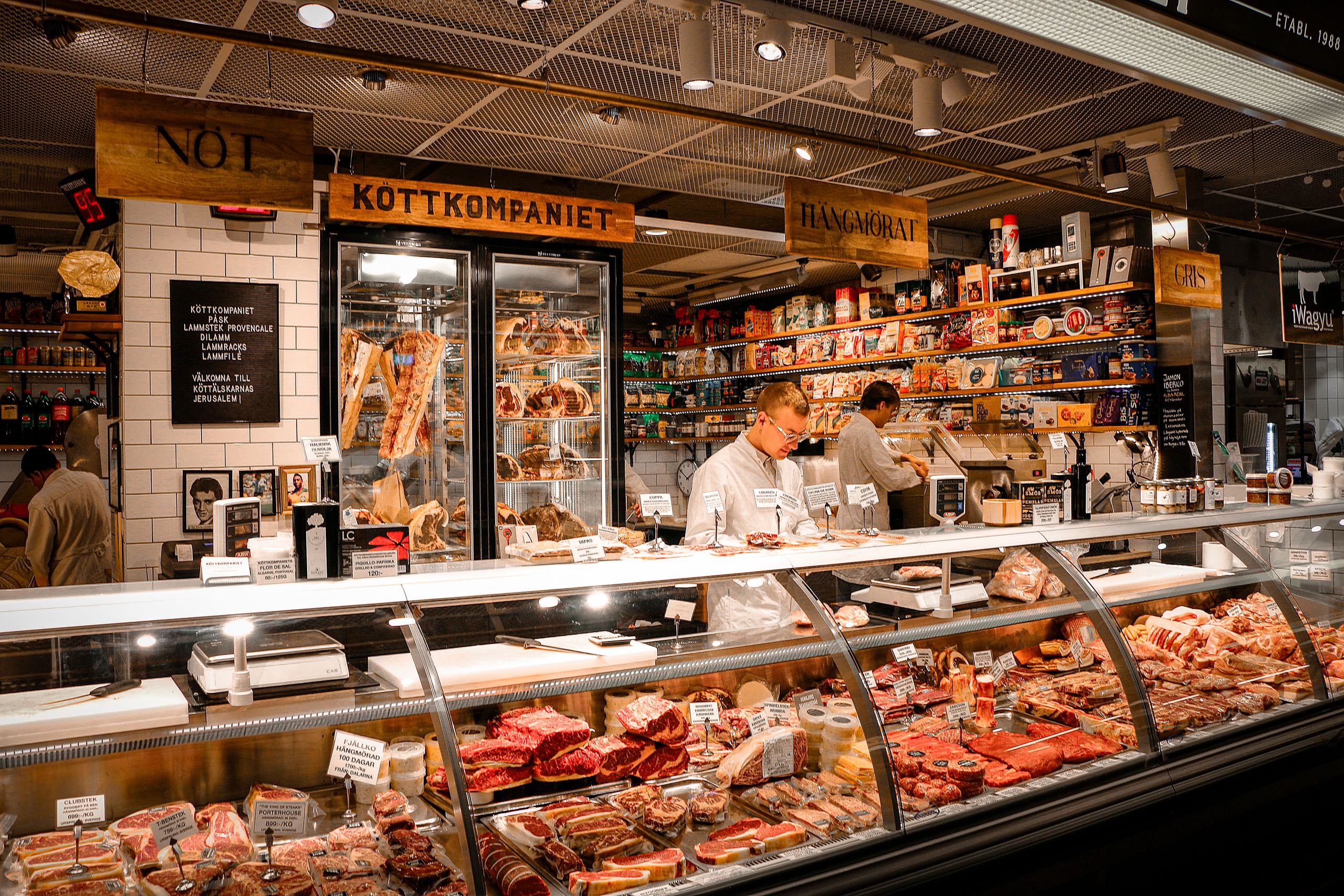
The timing of cattle production is the central limitation for consumers.
Experts interviewed by Reuters said imported Mexican cattle generally need about five to eight months before they are ready for slaughter. That estimate explains why reopening does not immediately increase finished beef.
It is not a forecast that grocery prices will fall five to eight months later. It describes the production interval for the animals.
Reuters also reported that U.S. cattle supplies remained tight after persistent dryness encouraged ranchers to maintain smaller herds.
Restored imports can supplement that supply. They do not, by themselves, reverse years of constrained domestic cattle numbers.
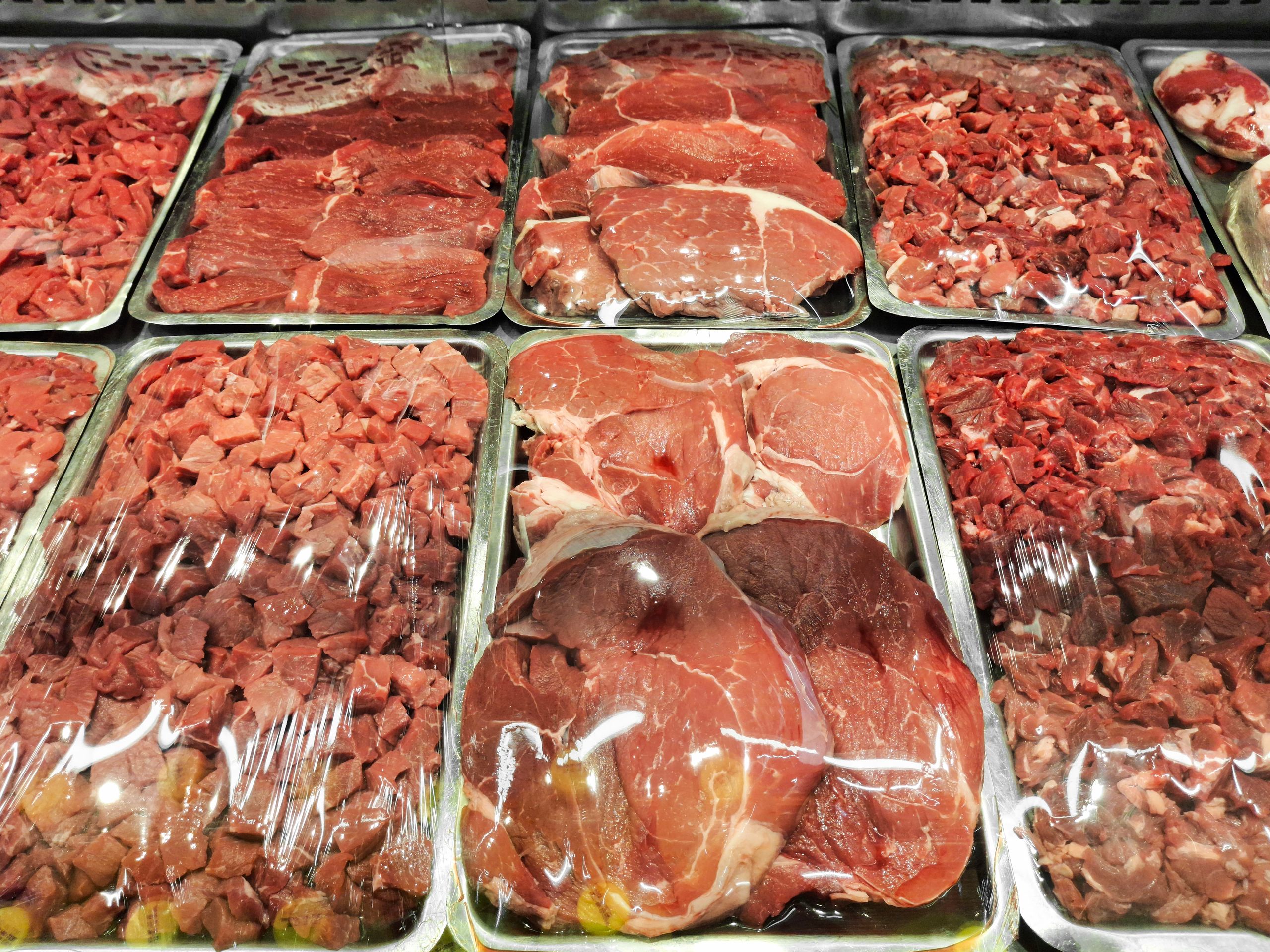
The consumer takeaway is narrower than a promise of cheaper burgers: additional cattle could support future production, but the reopening dates do not establish when retail prices might change or by how much.
What Grocery Shoppers Can Realistically Expect
For households comparing beef prices, the announcement is better understood as a supply development than a shopping forecast.
The latest federal notice supplies dates and operating conditions. It does not provide a projected reduction in supermarket prices.
Nor does it specify how many cattle Columbus or Nogales will admit each day once operating.
Without that information, attaching a dollar saving to the reopening would go beyond what the announcement says.
The same caution applies to restaurant menus. The notice does not indicate when restaurants might pay less for beef or whether menu prices would change.
A border decision can be consequential without producing an immediate, measurable discount. For consumers, the useful distinction is between improving access to cattle and demonstrating lower prices for finished beef.
What Happens Next
The first milestone is October 26, when Columbus is scheduled to resume cattle imports.
The next is the conditional November 30 reopening at Nogales. USDA says future decisions will reflect operating readiness and its continuing assessments.
After that, actual livestock movement will more clearly show what the expanded access means for production.
For now, the reopening plan restores another potential source of cattle to American businesses, not a guaranteed price cut at checkout. As that supply moves toward the dinner table, could steadier cattle availability eventually make it easier for American households to plan their beef spending?