The tablet turns around at the register, and suddenly a simple smoothie order comes with a row of tip buttons. Most customers have felt that small pause, and one TikToker says hers has turned into a set of firm personal rules.
According to The Daily Dot, which reported on Oct. 30, 2026, a creator who posts as @alitzahs, identified as Alitzah, shared those rules in a video with close to 62,000 views and about 257 comments. She says she will not tip before service happens, will not tip at smoothie bars, coffee shops or ice cream shops, and will tip at restaurants and nail salons. Viewers, as the outlet put it, were drawn into a debate.
The smoothie that started it
Her first rule came from a smoothie bar. Alitzah says she was asked about a tip before her drink had even been made. In her words, the answer was no, because the smoothie had not been made and she had not tasted it. She also noted that a smoothie bar is not a sit-down restaurant where a customer can judge the service.
That rule applies broadly, she says: no tip before the service is delivered, whether or not the work has started. The Mary Sue, which picked up the story, tied the moment to a wider habit of checkout screens asking for a tip ahead of the work. She says she will still tip at nail salons, but only after the work is done.
Tip prompts that show up before the drink is made are part of what some customers find confusing, a topic that also appears in a guide to common dining etiquette mistakes, and the habit sits among the dining customs explored in a roundup of odd American traditions that confuse the rest of the world.
Where she does and does not tip
At restaurants, Alitzah says, tipping makes sense, because diners get the food, the service and the atmosphere, and the tip should reflect how the visit went, good or bad. She puts nail salons in the same category, because customers receive an experience there. Expectations around tipping have shifted over the years, much as they have for the old-school etiquette rules that have disappeared.
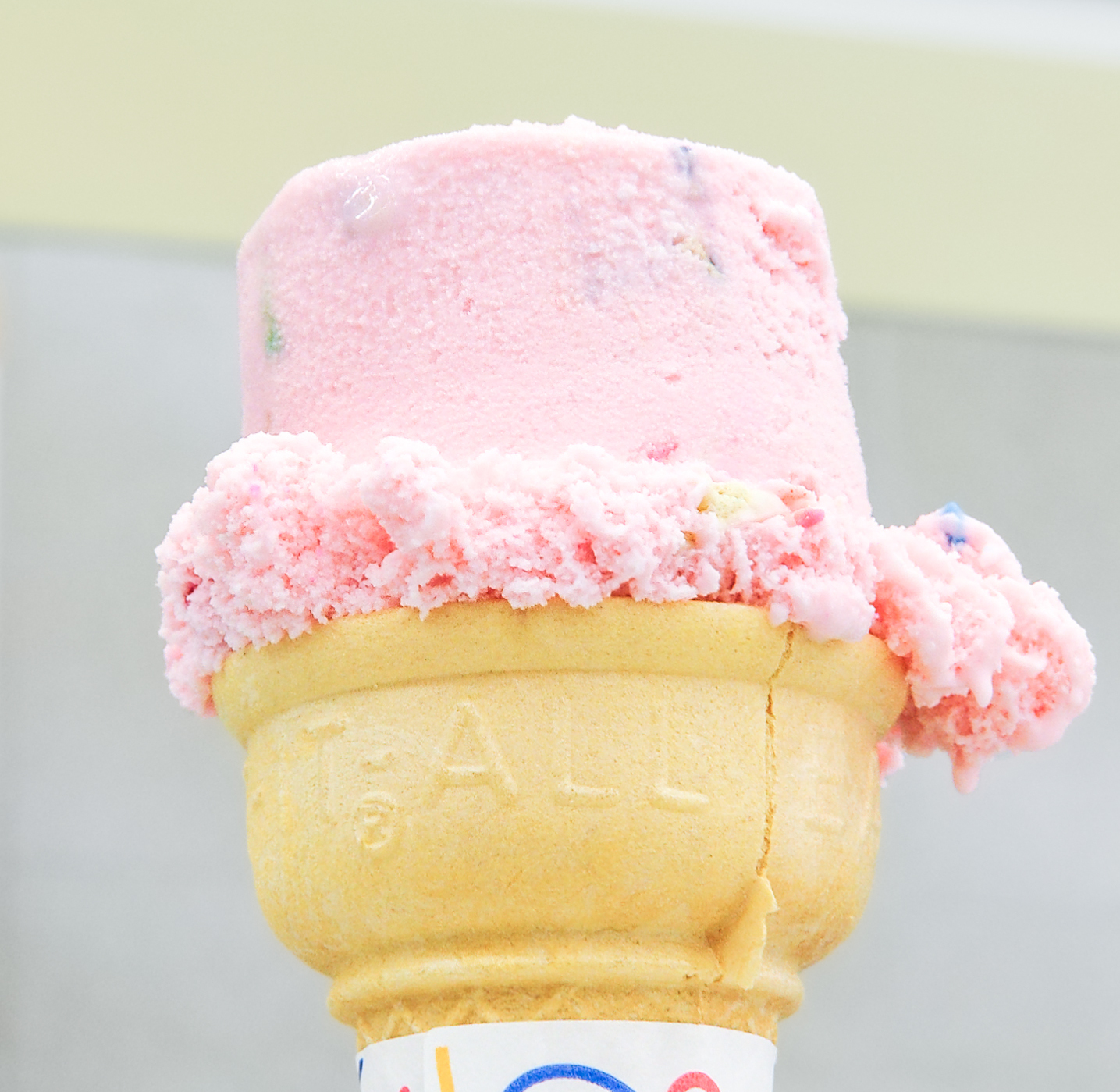
Coffee shops and ice cream shops are where she draws the line. She says ice cream shops are “just a no” for her, and she describes the work of scooping as lasting only about 15 seconds. Employees at both kinds of shop are paid by the hour, she argues, so if those wages fall short, workers should raise it with their employer, not with customers.
She applies the same logic to her own business. Alitzah sells handmade planners through her website and does not offer buyers a tip option, asking aloud what a tip would be for. The Daily Dot said it could not independently verify her claims. Counter culture is a regular news topic, from a free coffee giveaway to a candy bar sold at its 1900 price.

What the numbers say about tipping
The Mary Sue added some context. It cites the U.S. Department of Labor as listing a federal minimum wage of $7.25 an hour and a minimum cash wage of $2.13 an hour for tipped employees, with a tip credit of up to $5.12 an hour. A worker counts as tipped when they receive more than $30 a month in tips, and the credit lets an employer count tips toward part of the minimum wage.
It also cites a Pew Research Center survey published Nov. 9, 2023, which found that about a quarter of Americans who buy coffee or other drinks at a coffee shop always or often tip. Among diners at fast casual restaurants, 12% do, and among Americans who have food delivered, 76% do. That survey is three years old and covers general habits, not Alitzah’s rules.
State laws and employer pay practices vary, so the federal figures are only a baseline. The general history of the practice is outlined on the tipping page on Wikipedia.
How viewers responded
The Daily Dot says the reaction was largely supportive of her position. Many commenters said people should not be tipped for doing their job, and others said employers should raise pay. One wrote that tipping feels like throwing money away, since people are already paid for their work. A nurse commented that nobody tips them even though they provide a service, and another commenter said frustration belongs with companies, not minimum-wage workers.
The outlet quoted no commenters defending tipping at counters or disagreeing with her, so the “debate” in its headline is mostly a set of viewers agreeing with one another. The other side of the argument is not quoted in either report, though the Pew figures cited by The Mary Sue show that a share of Americans do tip at coffee shops.
Why the story struck a nerve
Few moments at a food counter feel as awkward as a screen asking for money before the first sip. Even customers who tip generously at a restaurant sometimes describe a sense of fatigue at being asked at every register. Alitzah’s rules put that feeling into a clear system, and that is part of why viewers responded.
The conversation also shows how little agreement there is on where service starts and ends. Some people see a tip as a reward for a good experience, and others see it as part of the price of the work. Neither view is settled by one video. The original TikTok video and reports by The Daily Dot and The Mary Sue lay out her argument in full.
This article was produced with AI assistance and edited for accuracy against the sources linked above.
Image: rawpixel.com – CC0/Wikimedia Commons