Every family table has its cast of characters. There is the relative who shows up first with a tray of appetizers, the one who quietly makes sure everyone has a roll, and the one who is already planning a turkey sandwich before the pie comes out.
Parade has matched each birth month with a Thanksgiving dish, from the roast turkey for January to deviled eggs for April, green bean casserole for September and the leftovers for December. The list, by MaKayla McRae, ran on Nov. 23, three days before Thanksgiving on Nov. 26, 2026, and it is meant purely for fun.

January: Roast turkey
The Parade list, as published on Yahoo, starts with the bird. January-borns are the roast turkey, “the centerpiece the whole day is built around,” steady, dependable and worth the wait. It fits a meal that, according to the history of Thanksgiving dinner, has centered on a large roasted turkey for generations.
February: Cranberry sauce
February gets the cranberry sauce, sweet and tart with a personality all its own, the dish that adds color and pop. It has a long pedigree: cranberry sauce first shows up as a companion to turkey in the 1796 edition of American Cookery by Amelia Simmons. The jiggly canned version, ridges and all, fits right in with other odd American traditions that confuse the rest of the world.
March: Mashed potatoes
March-borns are the mashed potatoes, pure comfort. Parade says people feel cared for around them, and being near them is like “a warm hug on a cold November day.” Potatoes are a quiet favorite across the map, too; a state-by-state look found 9 states name mashed potatoes their favorite Thanksgiving side.
April: Deviled eggs
April is the deviled eggs, the appetizer that disappears before dinner starts. These are the people who arrive first and get talked to first. The word “devil” for highly seasoned food dates to the 18th century, according to the history of deviled eggs, which is why some church suppers call them “dressed eggs” instead.
May: Mac and cheese
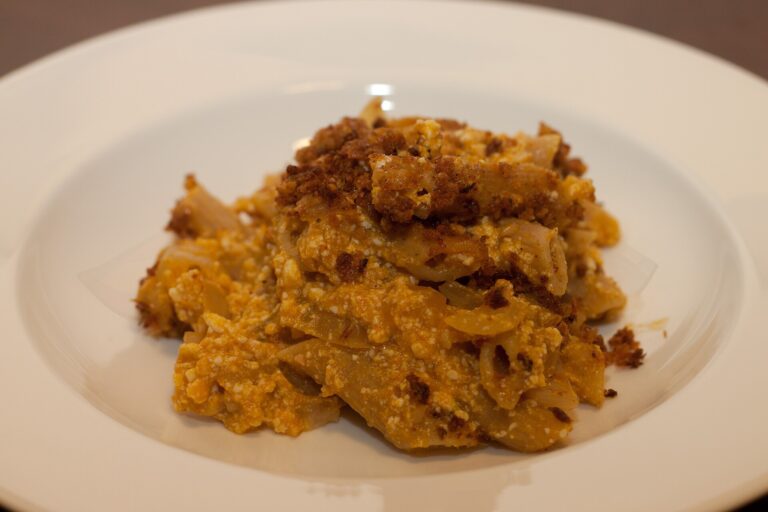
May-borns are the mac and cheese, the crowd-pleaser that brings everyone together. Kids, grandparents and picky eaters all head for it. It has also become a fixture on plenty of holiday tables that once stuck to the basics, a shift anyone who remembers the Thanksgiving dishes families served in the 1980s will notice. Boxed and baked versions alike sit comfortably beside the foods boomers loved with a passion.
June: Dinner rolls
June gets the dinner rolls, warm and passed around the table. Parade describes June-borns as the people who make sure no one is left out or stuck with an empty plate. Families that bow heads for grace before the meal often start by passing the bread, a reminder of how faith and food mix at this table, a theme also explored in common misconceptions about living the Christian life.
July: Stuffing
July-borns are the stuffing, “the dish that tastes like home.” It carries family traditions and memories, the recipe nobody is allowed to change. That fits its standing: the same state-by-state survey found 42 states pick stuffing as their favorite side.
August: Gravy
August gets the gravy, the finishing touch that ties the whole meal together. August-borns notice the small details everyone else misses, Parade says, and a dinner without them feels a little dry. They are the ones who remember who likes white meat, who skips the onions and who needs a second napkin, and they rarely get credit for it until the gravy boat runs empty.
September: Green bean casserole
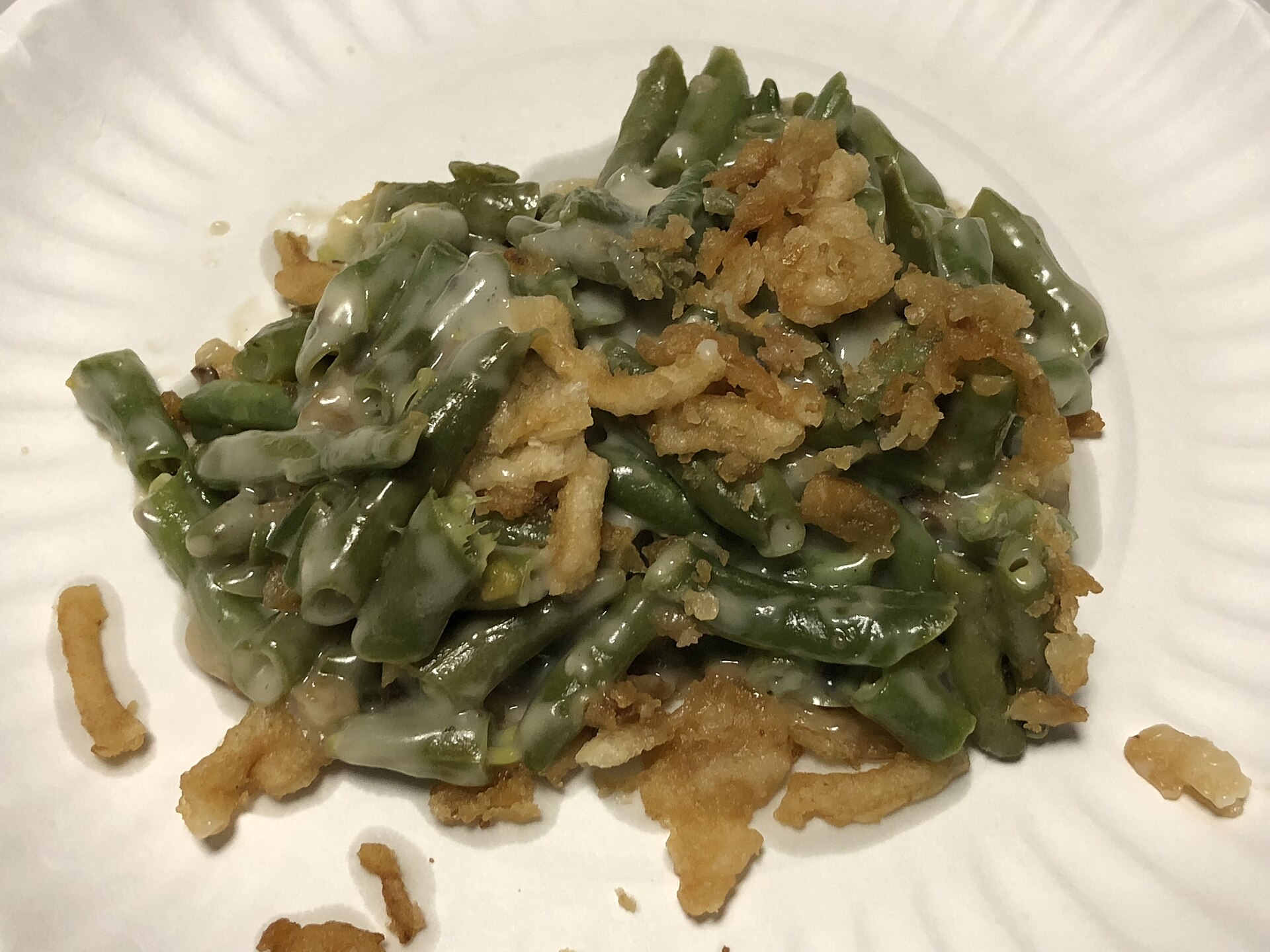
September is the green bean casserole, “a classic for a reason,” with harmony, reliability and a touch of refinement. The green bean casserole was created in 1955 by Dorcas Reilly at Campbell’s, and the company estimated in 2020 that it was served at 20 million Thanksgiving dinners a year. Few side dishes have stayed on the menu so long with so little change to the original can-and-casserole formula.
October: Sweet potato casserole
October-borns are the sweet potato casserole, sweet on top with depth underneath. They draw people in with warmth and keep them with richness, Parade says, much like the marshmallow layer that hides a dish more complex than it looks. Some tables split firmly into a marshmallow camp and a pecan-crumble camp, and October-borns tend to be fine with either, as long as the casserole makes it to the table hot.
November: Pumpkin pie
November gets the pumpkin pie, “the official flavor of the season,” warm and well spiced, with everyone saving room. The pie is a symbol of harvest time, according to the history of pumpkin pie, and is usually flavored with cinnamon, ginger, nutmeg and cloves or allspice.
December: The leftovers
December-borns are the leftovers, the ones who keep the good times going after dinner. They are creative and hopeful, and they are “the best part,” Parade says. Anyone who has built a midnight turkey sandwich would agree. December-borns are also the ones who show up with spare containers, divide the extra pie fairly and turn Friday’s lunch into a second, more relaxed holiday meal.
A light reality check
None of this is science. Astrology has no demonstrated power to predict personality, and a birth month says nothing about whether someone prefers stuffing or sweet potatoes. Parade’s list works best as table talk on Nov. 26, a way to give the April cousin a hard time about the deviled eggs and let the December crowd claim the last word on leftovers.
This article was produced with AI assistance and edited for accuracy against the sources linked above.