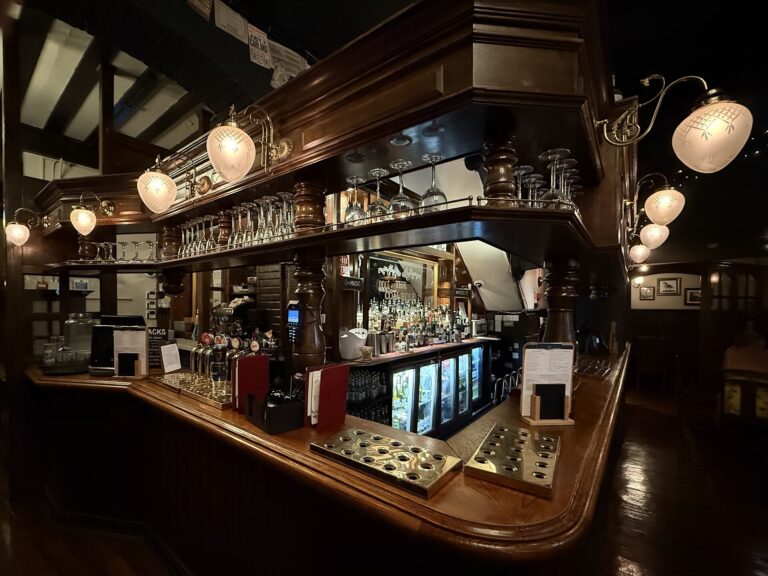
For many American travelers, the end of a restaurant meal runs on autopilot: the check arrives, the card goes down, and a few coins or bills get left on the table on the way out. In a beer hall in Munich or a schnitzel house in Vienna, that last habit can land awkwardly.
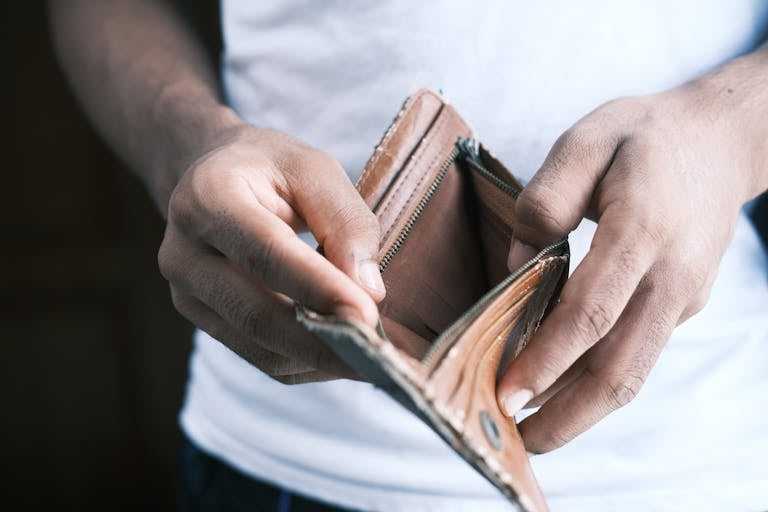
Travel writer Rick Steves says that in Germanic countries, leaving coins behind on the table is considered slightly rude. Locals settle up face to face with the server instead, and the method is simple once it is explained.

Why coins on the table miss the mark
In his guide to tipping in Europe, Steves explains that tipping only matters at restaurants with table service; at a counter, such as ordering at a pub, no tip is expected. At sit-down restaurants, he writes, tips are more modest than in the United States because servers are paid a living wage, and a tip is treated as a small bonus for great service or simply a way to round the bill to a convenient number. In many countries, he says, 5 percent is adequate and 10 percent is a nice tip.
The Germanic custom is about how the money changes hands. Rather than leaving coins behind, which Steves describes as “considered slightly rude,” diners in Germany and Austria usually pay the server directly. He also notes a practical reason to hand over any tip in person across Europe: in busy places, change left on the table might be pocketed by the wrong party.
It is one of many small dining customs that trip up visitors abroad. Lists of food rules in other countries and the most common dining etiquette mistakes Americans make show how often the end of a meal is where travelers stumble.
How locals pay instead: “Elf, bitte”
Steves lays out the routine step by step. When the server comes by with the bill, the diner hands over paper money and states the total they would like to pay, including the tip.
His example: for a €10 meal paid with a €20 bill, the diner says “Eleven, please,” or “Elf, bitte” in German, while handing the money to the server. The server thanks the diner, keeps €1 as the tip and returns €9 in change. The whole exchange takes seconds, and nothing is left on the table.
The same approach works for a group. Steves writes that virtually anywhere in Europe, diners pleased with the service can add a euro or two for each person in the party. Paying in cash also makes sense, since he notes that most European credit-card slips do not have a line for adding a tip. Travelers who like settling in cash will recognize the habit; people who prefer paying with cash tend to share a few traits, and the Germanic table is a good place for them.

The “Tip is not included” line on some bills
Steves flags one more wrinkle. Lately, he writes, some restaurants, especially in well-touristed parts of Germany and Austria, have added a “Tip is not included” line in English to the bottom of the bill. He calls this misleading, because menu prices in those countries already include service. He adds that he would not tip “one cent more” at a restaurant that prints that note.
In very touristy areas, Steves notes, some servers have noticed Americans’ tendency to overtip and may hope for a large tip. His advice is not to stress: European servers and diners are far more relaxed about tipping, any tip is appreciated and the stakes are low. Being caught off guard by a bill is one of the classic travel blunders that turn a vacation into a stress fest, and knowing the custom ahead of time helps.
Take time at the table, and ask a local
Paying at the table fits the pace of a European meal. In his advice on eating well in Europe, Steves writes that dining is rarely rushed, the table is the diner’s for the evening, and out of courtesy the bill usually does not arrive until someone asks for it. Visitors waiting for the check to appear on its own may wait a long time.
Vienna’s cafés are a good example of that pace. The Viennese coffee house, whose culture Austria lists in its national inventory of intangible cultural heritage, is known for the newspaper, the glass of water served with the coffee and the marble tabletop, all built for lingering.
When in doubt, Steves says, ask a local, but not a server, about tipping norms in each country. Customs vary across Europe, and the broader history of the gratuity shows how widely the practice differs from place to place. For an American, the Germanic version mostly comes down to one change: say the total out loud and hand the money over, rather than leaving it behind. Some money habits are worth knowing at home, too, including a few things that are against federal law to do with paper money.
Who is Rick Steves
Rick Steves is an American travel writer and television host who has presented the public television series “Rick Steves’ Europe” since 2000 and hosts the public radio show “Travel with Rick Steves.” His guidebooks and website focus on European travel, with a philosophy of living the way locals do, which in Germany and Austria means a quick “Elf, bitte” at the end of the meal.
This article was produced with AI assistance and edited for accuracy against the sources linked above.
Image: Jorge Royan – CC BY-SA 3.0/Wikimedia Commons