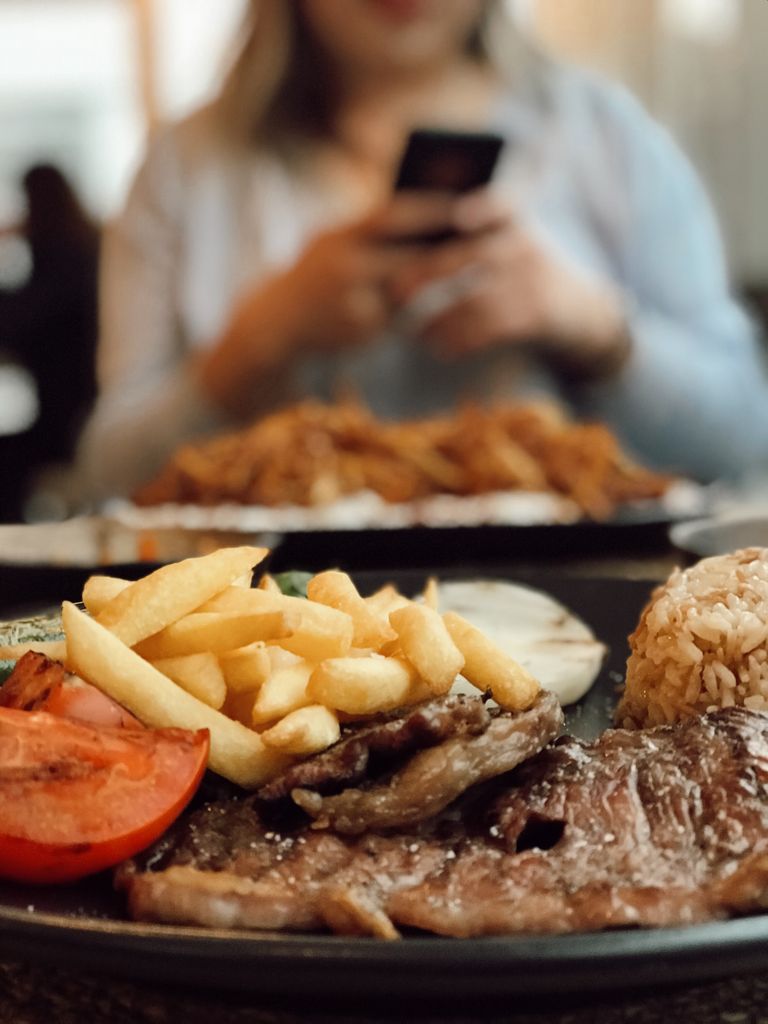
A phone buzzes beside the gravy boat just as the first plate gets passed, and half the table glances down. It is a small moment that plays out in many dining rooms every November, and a new etiquette survey suggests most guests would rather it stayed in a pocket.
Furniture company Joybird surveyed over 2,800 U.S. adults about houseguest manners, and Tom’s Guide reported the results on Oct. 31, 2026. The headline number: 62% say guests should put phones away at the table. Baby Boomers felt strongest about it at 77%, while Gen Z came in lower at 52%, still a majority. The same survey found snooping around a host’s home was the most disliked guest habit, at 61%.

A Majority in Every Generation Wants Screens Away
Tom’s Guide noted that the 62% figure spans age groups. Boomers sit at the top at 77%, and even the youngest adults in the survey, Gen Z at 52%, lean toward keeping screens out of sight during a meal. Wikipedia’s overview of Baby Boomers and Generation Z describes the span of birth years behind those labels, and the two groups sit about 25 points apart in this survey.
The writer at Tom’s Guide pointed out that the old rule about keeping elbows off the table, which grandparents once enforced, now ranks below the phone rule. Table manners have always shifted with the era, a theme covered in the Wikipedia entry on table manners, and a screen beside the plate appears to be the newest entry on the list.
Households that love a lively table tend to find their own balance. A list at craftingyourhome.com on zodiac signs that tell the best stories at the family table is one lighthearted take on who keeps the talk going, and a second post on people who keep the same holiday traditions every year shows how much the routine of a shared meal matters to many families.
Snooping Tops the List of Houseguest Complaints
Peeking into closets, drawers and cabinets is off-limits, according to the report, and the 61% who named snooping the rudest habit left every other behavior well behind. Criticizing the host’s home or cooking, bringing a pet without asking and bringing children to an adults-only gathering also landed in the top five.
For anyone planning a holiday meal, the practical takeaway is to make the house guest-ready before anyone arrives. Frenz Hub’s list of simple etiquette tips for being the perfect houseguest covers the guest side of the same equation, and a host can shut bedroom doors and clear counters to remove the temptation to wander.
Why Arrival Time Divides the Room
Arrival time shows a generation gap. In the survey, 40% of respondents do not consider arriving more than 15 minutes late impolite, yet 68% of Baby Boomers expect guests to show up within 15 minutes of the start time. A host who has a turkey resting on the counter, and a timeline to match, sits closer to the Boomer side of that line.
Tom’s Guide added that arriving very late without sending a courtesy text earns a frown. Hosts who want more room on the stove and in the oven can look at Frenz Hub’s comparison of air fryers and toaster ovens that free up the oven at Thanksgiving, which makes a delayed guest easier to absorb.

Shoes, Gifts, Cleanup and Off-Limits Topics
Some old customs held up well. Four in five respondents consider removing shoes at the door basic etiquette, though Baby Boomers were less bothered by it. Bringing a gift to the host is a common courtesy for 77%, and 76% say offering to clean up after a meal is polite. The report also said guests who bring something are more likely to be invited back.
Gift-giving etiquette has a long paper trail. The Wikipedia biography of Emily Post traces how her etiquette books shaped American expectations for hosts and guests, and the Emily Post Institute still publishes guidance on the subject. For overnight guests, Frenz Hub’s piece on single-cup and full-pot coffee makers for holiday guests covers the morning-after coffee setup.
Conversation has its own boundaries. According to Tom’s Guide, the most taboo subject at social gatherings is discussing appearance, with 55% saying it should be off-limits. Politics and religion came close behind, and Baby Boomers held much stronger opinions about avoiding both than younger generations did.
What the Joybird Numbers Mean for Thanksgiving Hosts
The survey comes from a furniture seller rather than an academic body, so the figures reflect stated opinions about manners, not observed behavior. Even so, the pattern is clear enough to plan around. A basket by the door for phones, a plain announcement that dinner is a screen-free half hour, or a host who simply sets the example can cover the 62%.
Hospitality has deep roots, as the Wikipedia article on hospitality explains, and the history of Thanksgiving in the United States is built around sharing a meal. Joybird’s company site at joybird.com lists the furniture the survey sponsor sells, though the etiquette findings stand on their own.
With Thanksgiving less than two weeks away, the guidance from the survey is short. Keep phones in pockets while the plates go around, stay out of the host’s closets, send a text if running late, bring a small gift and offer to help clear the table. Each of those habits showed up in the survey of more than 2,800 adults, and each one costs nothing.
This article was produced with AI assistance and edited for accuracy against the sources linked above.