Every family has a group text that lights up in mid-November. Someone asks who is bringing rolls, someone volunteers a dessert, and someone else quietly waits to see whether the host approves.
That last step went badly for one family this year. In a Miss Manners column published November 13, 2026, a mother wrote that her son offered to bring a pasta salad to his sister’s Thanksgiving for 12 to 15 people, and the sister shot it down with four words: “That’s for a picnic.”

A Thanksgiving for 12 to 15 People and a Dish Assignment Text
According to the letter, the daughter is once again hosting Thanksgiving for her mother’s small family plus six people who work for her husband and have no family in town. The mother put the head count at 12 to 15 people.
The planning follows a familiar pattern. About 10 days before the holiday, the daughter usually texts each relative to ask what they are bringing. When they answer, the mother wrote, the daughter often says she does not like the plan and hands out a different assignment instead.
That kind of last-minute menu shuffling is common enough that families joke about it, alongside the strange Thanksgiving traditions everyone pretends are normal. This year, though, it landed hard on one guest.
“That’s for a Picnic”: The Pasta Salad Veto
The son told his sister he planned to bring a pasta salad. According to the mother, the sister was angry, called it picnic food and told him not to bring it because no one would eat it. The mother wrote that her son was very hurt.
The daughter then contacted the mother, who chose to act as though she had not heard the son’s side yet. The mother privately thought the host could have handled things differently, for example by sending out a list of what she needed rather than asking for ideas and then rejecting them.
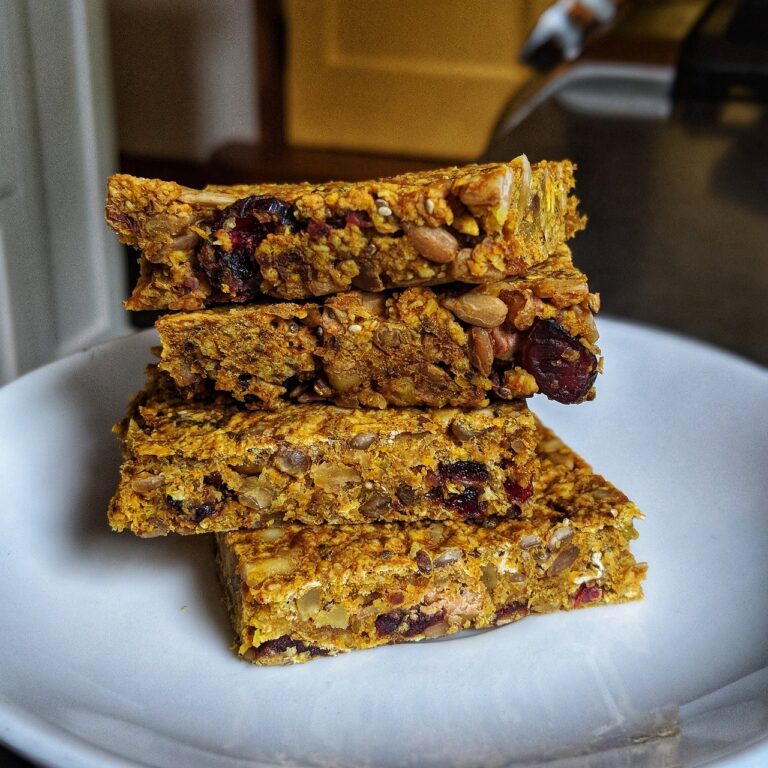
Pasta salad does carry a summer reputation. It is a cold, make-ahead dish that shows up at cookouts and on potluck tables across the country, where guests traditionally bring a dish to share. On a Thanksgiving table built around roast turkey, stuffing and pie, it can look out of season to a host with a set menu in mind. That gap between what a guest wants to bring and what a host wants to serve is exactly where this family’s disagreement started.
Holiday side dishes inspire strong loyalties. Stuffing, for instance, is the favorite Thanksgiving side in 38 states, which helps explain why some hosts guard the classic lineup closely.

The Mother’s Two Options
The mother said she was trying to keep the peace and laid out two possible approaches. In the first, her son would save the pasta salad for another time and simply ask his sister what he could help with before leaving, since he works later on Thanksgiving Day. In the second, he would let the matter go and bring nothing at all.
She also said she plans to suggest a new system for next year: the host would give each person two suggestions of what she needs, so guests can choose from dishes she actually wants. Clear expectations on both sides are part of the basic etiquette of being a good guest, and the same goes for hosts who want guests to pitch in.
What Miss Manners Advised
Miss Manners, the column written by etiquette authority Judith Martin with Nicholas Ivor Martin and Jacobina Martin, chose the second option. She said the son could skip bringing anything, especially with the ready explanation that he has to work later that day.
She acknowledged the daughter’s “conflicting demands” were not making things easy, and noted the host might still pick a fight, since she seemed inclined to do so anyway. Then came the line that softened the whole exchange: the mother and son could go enjoy “a lovely picnic with his pasta salad.”
The Anchorage Daily News also ran the column on November 13, 2026, under a headline about keeping the peace when holidays bring out hot tempers.
Both Sides of the Holiday Table
The host’s position is not hard to picture. Feeding 12 to 15 people, including six guests who are not relatives, takes planning, oven space and a menu that fits together. Hosts juggling a full roast often look for ways to free up the oven on Thanksgiving, and some prefer to control the side dishes so the meal hangs together. A traditional Thanksgiving dinner centers on a large roasted turkey, with sides that many families repeat every year.
The guest’s position is just as easy to understand. Asking someone what they plan to cook, then rejecting it in front of the family, can feel personal, especially when the dish was offered in good faith. The column’s answer leans toward letting the son step back gracefully rather than turning a side dish into a family standoff.
For families heading into Thanksgiving on November 26, the takeaway from this letter is practical. Hosts who have a fixed menu can save everyone grief by saying what they need up front, and guests who are told “no” can offer help in other ways, such as setting the table, washing dishes or running oven checks before the turkey goes in. And a rejected pasta salad still has a future, just at a picnic table instead of the holiday one.
This article was produced with AI assistance and edited for accuracy against the sources linked above.