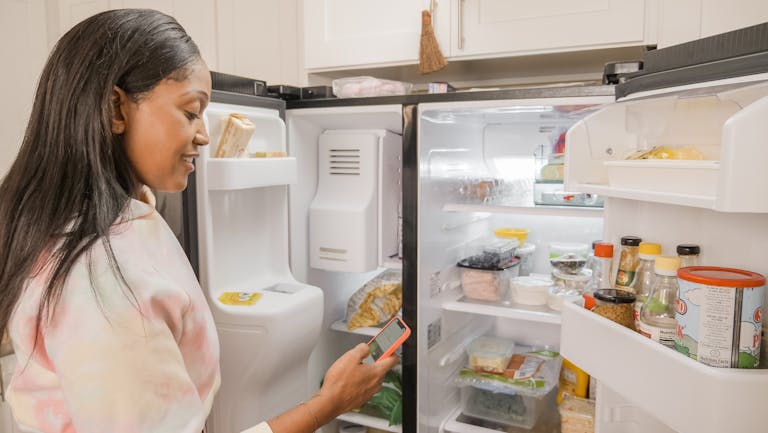
The Food and Drug Administration’s food-handling guidance says the refrigerator temperature should stay at 40 degrees Fahrenheit or below. Pantry shelves hold plenty of jars and bottles whose labels say something different from what habit suggests about when the refrigerator comes into play.
Four staples, according to their makers’ own FAQ pages, belong in the refrigerator once opened, while 2 others do not need to be there. The advice below comes from Smucker’s for fruit spreads and peanut butter, Duke’s for mayonnaise and McCormick for spices and vanilla extract.

1. Jams, Jellies, Preserves and Fruit Spreads
Smucker’s says on its FAQ page that it recommends refrigerating its fruit spreads, jams, jellies and preserves after opening, following the instructions on the back label of the product. For maximum freshness and flavor, the company does not recommend using opened products that have been without refrigeration for more than 48 hours.
The National Center for Home Food Preservation at the University of Georgia keeps a list of foods that do not freeze well, and fruit jelly spread on sandwiches is on it because it may soak the bread. The refrigerator, not the freezer, is the destination for an opened jar.
For storage questions beyond the refrigerator, Frenz Hub has a post titled “Best Practices for Seasonal Storage.” The jam advice itself is simple: once the lid has been opened, the jar goes in the fridge, and the label on the back is the instruction to follow.
2. Mayonnaise
Duke’s says on its FAQ page that it is recommended to refrigerate Duke’s Mayonnaise after opening, to protect the flavor of the jar. The company answers the question in a single word: yes.
Penn State Extension, citing the U.S. Department of Agriculture, lists mayonnaise, sour cream, cottage cheese and cream sauces among the foods not to freeze, so the cold-but-not-frozen spot is the one that applies. Wikipedia describes mayonnaise as an emulsion of oil, egg yolk and an acid, either vinegar or lemon juice, and says the name appears to have turned up for the first time in 1806.
A fridge door has limited room, and a Frenz Hub post on 2026’s most clever storage hacks to maximize every inch of space is one place to look for ideas on fitting more in.
3. Paprika
McCormick’s FAQ page says to store members of the red pepper family, including paprika and chili powder, in the refrigerator to retain their color and freshness. Wikipedia defines paprika as a spice made from dried and powdered red peppers, which places it squarely in that family. The spice is commonly produced by sun drying the peppers, a process that can take up to 10 days, and it turns up in rice, stews, soups and sausages around the world.

The same McCormick page has general rules for the rest of the spice collection. Spices belong in a dry, cool cupboard rather than over the sink or range, the containers should stay tightly sealed, and spices should not be sprinkled directly into a steaming pot because moisture can get into the bottle and cause caking.
Another cabinet near the sink gets its own warning in a craftingyourhome.com list titled 8 Things Never to Store Under the Kitchen Sink.
4. Chili Powder
Chili powder gets the same instruction as paprika from McCormick, which names both in its refrigerator advice. Color and freshness are the reasons McCormick gives.
Moving it to the freezer is not the answer. McCormick says freezing does not extend the shelf life of dried herbs and spices, and repeatedly removing bottles from the freezer may cause condensation to form and speed the loss of flavor and aroma. The same National Center for Home Food Preservation list adds that paprika changes flavor during freezing.
For foods that do belong in the freezer, Frenz Hub has a post titled “How to Freeze Fresh Green Beans to Enjoy All Year.”
Skip the Fridge: Peanut Butter
Smucker’s classifies the food items it produces as non-perishable. Refrigeration is not necessary for its peanut butter, the company says, although it does slow the oil-separation process.
The company is more direct about Smucker’s Goober, its peanut butter and jelly product. Goober does not need to be stored in the refrigerator after opening, Smucker’s says, because doing so could make it difficult to spread. The suggestion is room temperature in a cupboard or pantry.
Skip the Fridge: Vanilla Extract
McCormick says a bottle of extract should be kept in a cool, dark place such as a pantry, away from heat, moisture and sunlight. The company advises avoiding cupboards near the stove, dishwasher or fridge and shelves near windows.
If stored properly, McCormick says, pure vanilla extract can last indefinitely and will never spoil. Counter space is limited in most kitchens, and a craftingyourhome.com list titled 8 Things That Don’t Belong on a Kitchen Counter is a reminder that not every bottle needs to sit out.
Why the Label Still Wins
These answers apply to the specific brands named, and other makers can word their directions differently. The FDA’s guidance covers temperature, and the label on each jar covers the rest.
Brand-to-brand differences are the reason to check. A jar from another company may carry a different instruction, and the back label, not a general rule of thumb, is what the maker stands behind. Smucker’s own pages show the point: its jams and its peanut butter come from the same company and get opposite advice.
The short version is a four-and-two split: jam, mayonnaise, paprika and chili powder go in the fridge after opening, while peanut butter and vanilla extract stay in the cupboard.
This article was produced with AI assistance and edited for accuracy against the sources linked above.
Image: Chris Bohn – CC BY-SA 2.0/Wikimedia Commons