Holiday baking season fills cupboards with bags of flour, chopped nuts, chocolate chips and boxes of cookie mix, often bought weeks before the first batch goes in the oven. That stockpile is exactly what pantry pests look for.
The University of California’s Statewide Integrated Pest Management Program says pantry pests, small moths and beetles, can attack almost any stored dry food, from spices to cereal to chocolate. Its first storage rule is simple: store food in containers with tight-fitting lids, because plastic bags are not adequate.
What Pantry Pests Go After
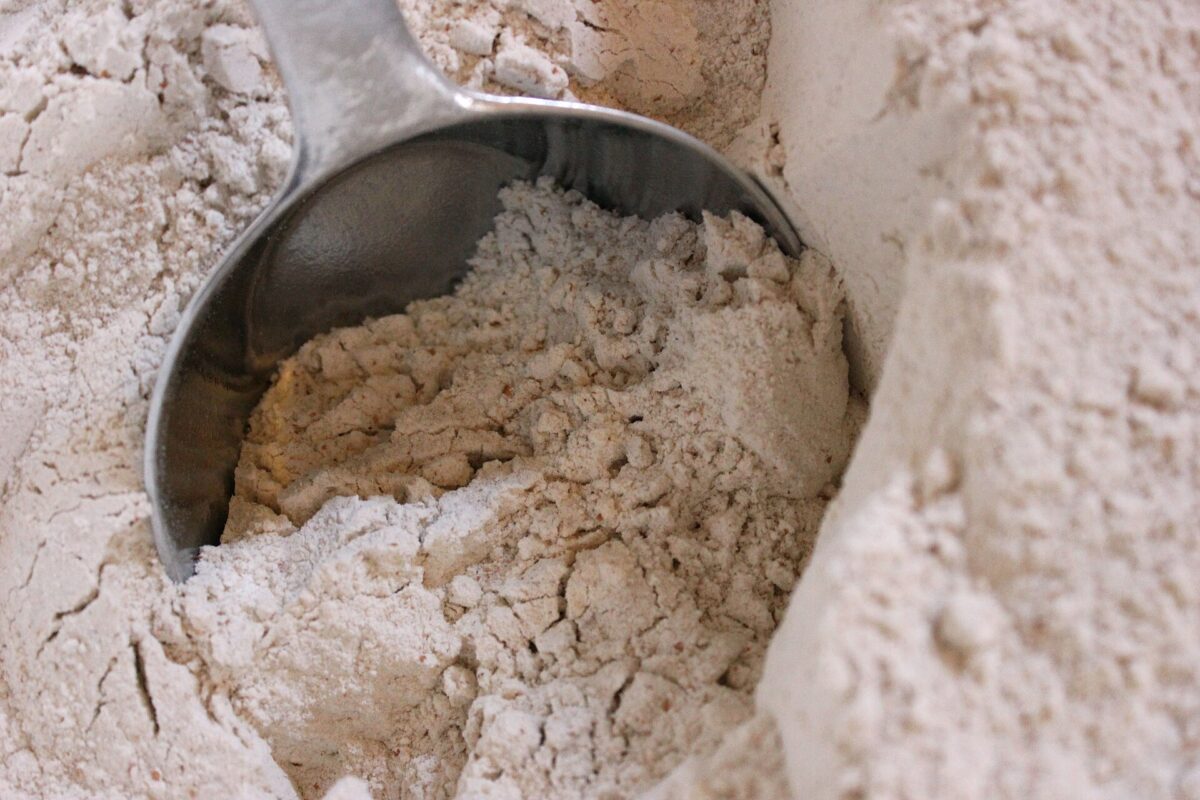
According to UC IPM’s Pest Notes on pantry pests, the most common moth in home pantries is the Indian meal moth, and its larvae attack cereal, flour, cornmeal, rice, dried fruit, nuts, chocolate, candies and other confections. Beetles such as the warehouse beetle, sawtoothed grain beetle, red flour beetle and cigarette beetle round out the list, and between them they feed on cookies, cocoa, pasta, spices and pet food.
The Indian meal moth is a small moth found worldwide in homes and food storage, and UC IPM notes that only its larval stage damages food. The red flour beetle is a tiny reddish-brown beetle known for infesting flour and other grain products. UC IPM says these insects usually arrive in a package that was already infested at the store, and the first sign is often a moth fluttering in the kitchen or beetles crawling in a bag.
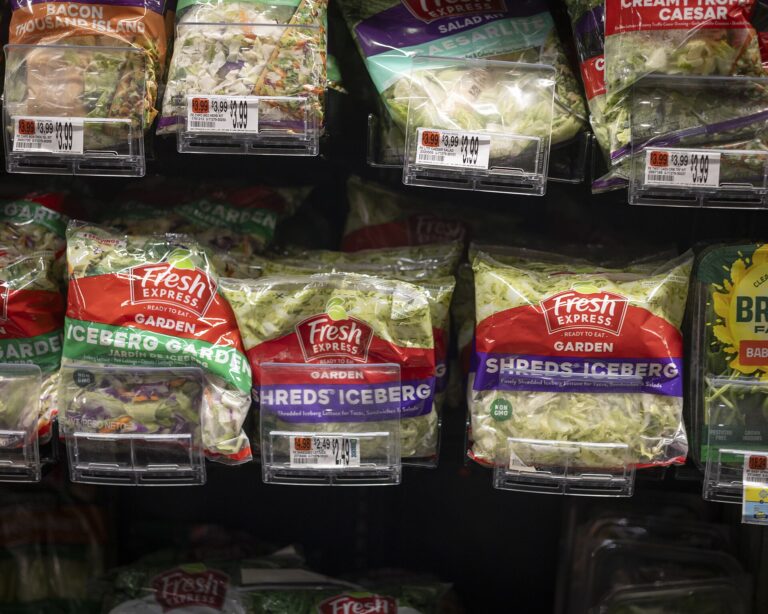
Signs to look for include webbing in the corners of a package and tiny holes in boxes or bags. By the time one bug shows up, UC IPM notes, the infestation has usually spread to other packages nearby. That makes holiday baking supplies, which often sit for weeks, an easy target, and throwing out a bag of pecans or a pound of chocolate chips undoes the savings from stocking up during sales, one of the classic quick ways to save money. Keeping track of what is already on hand, the way people who write a grocery list before every trip do, helps avoid buying more than can be used.
Rule 1: Ditch Plastic Bags for Containers With Tight Lids
UC IPM’s guidance is direct: do not put exposed food on shelves, and place it in containers with tight-fitting lids, since plastic bags are not adequate. The same goes for bulk goods such as pet food.
The University of Kentucky Department of Entomology gives similar advice, recommending that dry foods be moved out of cardboard, paper or plastic containers into jars or other containers that seal tightly. Sturdy glass or hard plastic canisters with gasket lids are a common choice. A pantry reset like this is one of those clever kitchen tricks that pays off all year, and it fits right in with best practices for seasonal storage.
Rule 2: Freeze What Gets Used Only Now and Then
For foods that sit for long stretches, the freezer is the best defense. UC IPM says storing infrequently used items, such as pancake flour, grains and spices, in the freezer keeps infestations from developing. After an infestation, it recommends keeping any susceptible food in airtight containers or in the refrigerator or freezer for at least several months.
Quality is a bonus. The New Mexico State University Extension guide to storing food notes that whole wheat flour can be kept in the refrigerator to slow rancidity of its natural oils. For decorative items such as Indian corn, dried flower arrangements or bird feed, the University of Kentucky suggests heating them at 155°F for about 20 minutes with the oven door propped open, or freezing them in a non-self-defrosting freezer at 0°F for 4 days.

Rule 3: Never Mix Old and New
Topping off a canister of flour with a fresh bag is a habit that can spread trouble. UC IPM advises against mixing old and new lots of food, because if the old supply is infested, the pests will quickly move into the new one. Old containers should be cleaned before they are refilled. It is the same thrifty instinct shared by people who never let leftovers go to waste: use up the old supply before opening the new. The program also recommends not buying broken or damaged packages, which are more likely to be infested, and keeping storage areas dry, since moisture favors pantry pests.
Cleaning matters as much as containers. UC IPM says most home infestations survive on spills in the cracks of cupboards and drawers, and some pests need only small amounts of food to live and breed. Soap and water work on flat shelves, and a vacuum with a crevice attachment reaches corners and edges.
Rule 4: What to Do if Moths or Beetles Show Up
If pantry pests appear, UC IPM recommends finding the source and removing it right away, sealing the package and taking it out of the house. Every other package, especially opened ones, should be checked, and anything with the slightest sign of insects should be thrown away. Shelves should be vacuumed and washed before clean packages go back.
The program says insecticides are not recommended for pantry pests. Pheromone traps, sold in many stores, can help detect moths or beetles that remain after the cleanup. UC IPM suggests checking traps weekly and notes that most stay effective for about three months. A clean, well-sealed pantry means the flour, nuts and chocolate bought for holiday baking will still be ready when the cookie sheets come out.
This article was produced with AI assistance and edited for accuracy against the sources linked above.