Ever wondered why some people seem to smell naturally amazing, even without expensive perfume or cologne? Their secret might have less to do with what they spray on their skin and more to do with what’s on their dinner plate.
Believe it or not, the foods you eat can influence how your body smells. From fruity, pleasant scents to stubborn odors that deodorant struggles to hide, your diet may play a bigger role than you realize.
Researchers have even investigated whether certain eating habits make natural body odor more appealing to others. And some of their findings are surprisingly different from what you might expect.
Before you start changing your grocery list, here’s what science actually says about foods that may improve your natural scent and those that can make it less pleasant.
Fruits and Vegetables May Make Your Natural Scent More Appealing
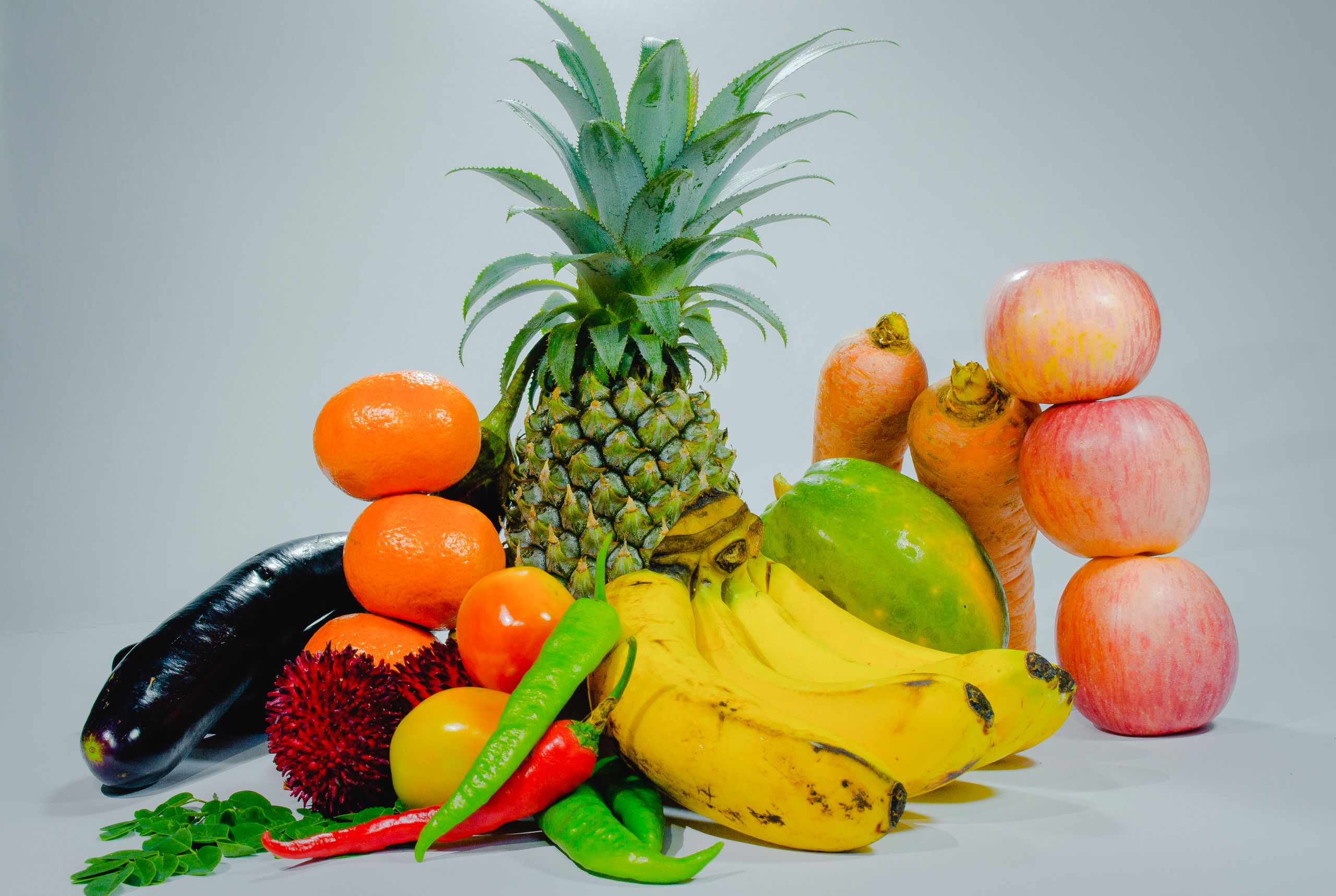
If you love filling your plate with colorful fruits and vegetables, you might have another reason to enjoy them.
A 2017 study published in Evolution and Human Behavior examined the relationship between diet and body odor in men.
Researchers collected sweat samples from male participants and asked women to evaluate their scents.
Interestingly, men whose skin measurements suggested higher fruit and vegetable consumption tended to have more pleasant-smelling sweat. Some samples were described as fruity, floral, or sweet.
However, the research did not establish that eating a particular fruit would immediately make someone smell sweeter.
Still, the findings suggest that a diet rich in fruits and vegetables may influence how others perceive your natural scent.
Garlic Might Actually Make Your Sweat More Attractive
Garlic probably isn’t the first food that comes to mind when you think about smelling irresistible.
After all, garlic breath has ruined more than a few close conversations.
But here’s the surprising twist: garlic’s effects on breath and body odor aren’t necessarily the same.
A study published in the journal Appetite examined how garlic consumption influenced men’s underarm odor.
Researchers found that after consuming higher amounts of garlic in certain experimental conditions, men’s sweat samples were rated as more pleasant or attractive by women.
That doesn’t mean eating garlic guarantees an appealing scent. The study was relatively small, and the results varied depending on the amount consumed.
Also, garlic can still leave a noticeable smell on your breath.
So while garlic might not be your best choice immediately before a romantic kiss, its relationship with natural body odor is more complicated than its reputation suggests.
A Balanced Diet May Matter More Than One Special Food
People often search for one magical ingredient that will make them smell amazing.
Unfortunately, science hasn’t identified a food that works like an edible perfume.
Research suggests that overall dietary patterns may matter more than individual ingredients.
The 2017 body odor study found associations between several dietary components and how pleasant participants’ sweat smelled.
Interestingly, higher reported consumption of fat, meat, eggs, and tofu was associated with more pleasant odor ratings in that particular study.
That doesn’t mean eating more of these foods automatically improves body odor.
It simply shows that the relationship between food and scent is complex.
Rather than relying on one supposedly magical food, it makes more sense to focus on your overall eating habits.
Onions Can Leave a Lingering Smell
Onions make countless dishes taste better, but they aren’t always friendly to your breath.
Like garlic, onions contain sulfur-related compounds that can contribute to noticeable odors after digestion.
According to Ohio State University, compounds associated with foods such as onions and garlic can affect breath and interact with sweat on the skin.
This means that the onion-heavy lunch you enjoyed could potentially make its presence known later.
Of course, the effect varies from person to person.
You don’t need to eliminate onions from your meals. Just be aware of their potential effects, particularly before situations where you’re spending time close to someone.
Alcohol Can Make Your Body Odor More Noticeable
A few drinks might help someone feel relaxed at a party, but alcohol can affect how they smell afterward.
When the body processes alcohol, it produces compounds that can change breath and body odor.
Some of these substances can be released through breathing and sweating.
Alcohol can also contribute to dry mouth, making unpleasant breath more noticeable.
Ohio State University notes that reducing alcohol consumption and staying hydrated can help minimize alcohol-related odor.
So, if you’re hoping to make a good impression on a date or at a social gathering, keep alcohol in mind.
Broccoli, Cabbage, and Brussels Sprouts Can Affect Odor
Here’s another surprising entry.
Vegetables such as broccoli, cabbage, cauliflower, and Brussels sprouts contain sulfur compounds.
As the body processes these foods, odor-producing substances may contribute to changes in breath, sweat, or gas.
Cleveland Clinic identifies cruciferous vegetables among foods that can influence body odor.
But there’s an important distinction: these vegetables won’t automatically make you smell unpleasant.
Individual responses differ, and the amount you eat can matter.
The takeaway isn’t to avoid vegetables. It’s simply that even foods associated with pleasant-smelling dietary patterns can contain compounds that temporarily affect odor.
Red Meat May Affect How Your Sweat Smells
Steak lovers might want to pay attention to this one.
Cleveland Clinic explains that substances released through perspiration after eating red meat can interact with bacteria on the skin, potentially intensifying body odor.
However, that doesn’t mean everyone who eats red meat develops an unpleasant smell.
In fact, the 2017 study mentioned earlier found an association between reported meat intake and more pleasant sweat ratings.
These findings aren’t necessarily contradictory. Different studies examine different diets, participants, and aspects of body odor.
The evidence isn’t strong enough to declare red meat universally good or bad for how attractive someone smells.
What matters is recognizing that individual reactions can vary considerably.
Strong Spices Can Sometimes Follow You Beyond the Dinner Table
A delicious curry might be the highlight of your evening, but some aromatic spices can leave a lasting impression.
Ingredients such as cumin and certain curry spices contain compounds that may influence the smell of breath and perspiration.
According to Ohio State University, these substances can produce noticeable odors as the body processes them.
That doesn’t mean spicy food is inherently unattractive.
Smell preferences differ, and many people genuinely enjoy the aromas associated with aromatic foods.
Still, if you’ve ever noticed that your scent changes after eating a heavily spiced meal, there may be a dietary explanation.
Asparagus Has a Reputation, but It’s Mostly About Urine
Asparagus deserves a special mention because its effect on odor is widely recognized.
After eating asparagus, some people notice a distinctive sulfur-like smell when they use the bathroom.
This happens because the body breaks down asparagusic acid into odor-producing compounds.
However, this effect primarily concerns urine, not necessarily how attractive your sweat smells.
Cleveland Clinic explains that people also differ in their ability to produce or detect the odor.
So, while asparagus can create an unusual bathroom experience, there’s no good reason to assume it will ruin your natural body scent.
Seafood Can Cause Unusual Odors in Some People
Seafood is another food category frequently blamed for unpleasant body odor.
However, the connection is more complicated than simply eating fish.
A rare metabolic condition called trimethylaminuria can prevent the body from properly breaking down trimethylamine, a substance associated with a fish-like odor.
In affected individuals, certain foods can contribute to noticeable changes in sweat, breath, and urine.
This isn’t something that happens to everyone who enjoys seafood.
Most people shouldn’t assume that eating fish will make them smell unpleasant.
Persistent, unexplained body odor is worth discussing with a healthcare professional, not trying to eliminate entire food groups without guidance.
So, Can You Really Eat Your Way to a More Attractive Scent?
The short answer is that food can influence body odor, but no scientifically proven menu guarantees you’ll smell irresistible.
Some research suggests that higher fruit and vegetable consumption is associated with more pleasant natural body odor. Other studies have produced surprising findings about garlic and different dietary components.
But skin bacteria, personal hygiene, genetics, and individual metabolism also shape scent.
Even the same meal can affect two people differently.
And remember, smelling attractive is subjective. A scent one person enjoys might not appeal to someone else.
The most practical approach is to enjoy a varied diet, maintain good hygiene, and pay attention to how your own body responds to particular foods.
After all, an expensive fragrance might make a memorable first impression, but what you eat can sometimes contribute to the scent underneath it.
And that’s something worth thinking about the next time you sit down for dinner.