The first sign is usually the silence. The refrigerator stops humming, the furnace clicks off, and the microwave clock goes dark. In a winter storm, that can last for hours or days, and the question every household asks next is simple: what is there to eat that does not need a stove?
The federal preparedness site Ready.gov has a short answer. Its food guidance lists 10 kinds of non-perishable food that can be eaten with little or no cooking, plus one tool that matters as much as the food: a manual can opener. Here is the list, along with the food-safety numbers that go with it.

1. Ready-to-eat canned meats, fruits and vegetables
Canned goods top the list on Ready.gov’s emergency food page, which advises storing at least a several-day supply of non-perishable food. Canned chicken, tuna, beans, fruit and vegetables can be eaten straight from the can. Ready.gov also says to skip any can that is swollen, dented or corroded, even if the food inside looks fine.
Families stocking up are not alone. Craftingyourhome.com reported on Americans stockpiling canned food and water after recent outages, while officials urged calm.
2. Protein or fruit bars
Bars are compact, light and need no preparation, which makes them easy to stash in a kitchen drawer or a car. They also hold up well in a cold house when the pantry is the only option.
3. Dry cereal or granola
A box of cereal or a bag of granola works as breakfast, snack or dessert. It can be eaten by the handful or with shelf-stable milk, which is also on the Ready.gov list.
4. Peanut butter
A jar of peanut butter keeps without refrigeration, spreads on crackers or bread, and goes a long way. Budget staples like this one turn up on plenty of shopping lists, including frenzhub.com’s roundup of humble foods that even the wealthy eat.
5. Dried fruit
Raisins, dried apricots, dates and other dried fruit add some sweetness to a cold-pantry menu and keep for months in a sealed bag or jar.
6. Canned juices
Canned juices offer something to drink besides water. Water remains the priority, though. The American Red Cross winter storm guide recommends setting aside at least one gallon of drinking water per person per day, with a stay-at-home kit of at least 2 weeks of supplies and a go-kit holding at least 3 days of supplies.
Building that kind of stockpile costs money, and frenzhub.com’s guide on how to save for an emergency fund covers ways to set aside cash for surprises like a long outage.
7. Non-perishable pasteurized milk
Shelf-stable milk in boxes or cans stays good at room temperature until opened. It pairs with the cereal on the list and comes in handy for families with children. Storage habits for these items look a lot like the seasonal routines in frenzhub.com’s best practices for seasonal storage: keep them cool, dry and easy to reach.
8. High-energy foods
Ready.gov lists high-energy foods as their own category. Nuts, trail mix and crackers fit the description and travel well if a family has to leave for a warming center.
The Ready.gov emergency kit checklist lists food and water alongside flashlights, batteries and a manual can opener. Before a storm hits, it also helps to know how forecasters rank the danger. Craftingyourhome.com explains what a “particularly dangerous situation” tag means on blizzard and ice storm warnings.
9. Food for infants
Households with babies need their own supply. Ready.gov includes food for infants on the list, so formula and baby food belong in the kit alongside everything else.
10. Comfort foods
Ready.gov’s last category is comfort or stress foods. A favorite cookie, a bag of chips or a chocolate bar can make a dark evening feel more normal, especially for children.

Plus: a manual can opener
None of the canned food helps without a way to open it. Ready.gov says to include a manual can opener and eating utensils in the emergency kit. An electric opener is useless when the power is out, so a simple hand-crank model belongs in the pantry drawer. The basic design has been around a long time: according to the history of the can opener, the rotating cutting wheel that runs around a can’s rim was invented in 1870, and a more practical version with a second, gripping wheel arrived in 1925. Many households keep a spare in the emergency bin so the everyday one never goes missing when it is needed most.
The food-safety numbers to know
Once the power goes out, the clock starts on everything in the refrigerator. Ready.gov says an unopened refrigerator keeps food cold for about four hours. The U.S. Food and Drug Administration adds that a full freezer holds its temperature for about 48 hours, or 24 hours if it is half full, as long as the door stays closed. Refrigerated food should stay at or below 40°F, and Ready.gov says to throw out perishable food that has been above 40°F for two hours or more.
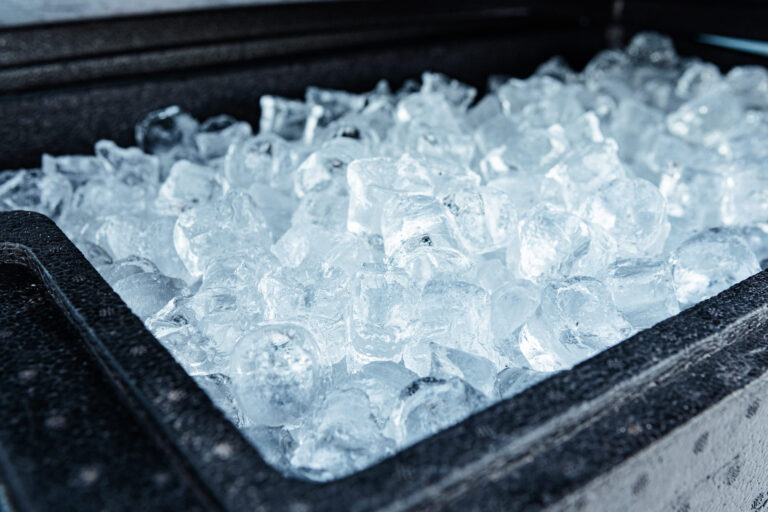
Ready.gov also notes that 25 pounds of dry ice will keep a 10-cubic-foot freezer below freezing for three to four days. For cooking, the Red Cross says generators, grills and camp stoves should only be used outdoors and away from windows.
Stock it before the storm
The Red Cross points out that stores may close and travel may be unsafe once a winter storm arrives, so the time to fill the pantry is before the forecast turns. A few cans, a jar of peanut butter, a box of cereal and that hand-crank opener can carry a household through a cold, dark weekend.
This article was produced with AI assistance and edited for accuracy against the sources linked above.
Image: Shisma – CC BY 4.0/Wikimedia Commons